A remote off-road wadi near the northern Batinah coast, threading past stone villages and deep pools with none of the crowds of its famous neighbors.
We found Wadi Hibi almost by accident, cross-referencing an old off-road forum post against a paper map while planning our route between Shinas and the interior. It’s one of the longer wadi systems running down from the Musandam foothills toward the northern Batinah coast, and unlike Wadi Shab or Wadi Bani Khalid, nobody had told us anything about it in advance. That turned out to be the appeal.
A Track That Keeps Going
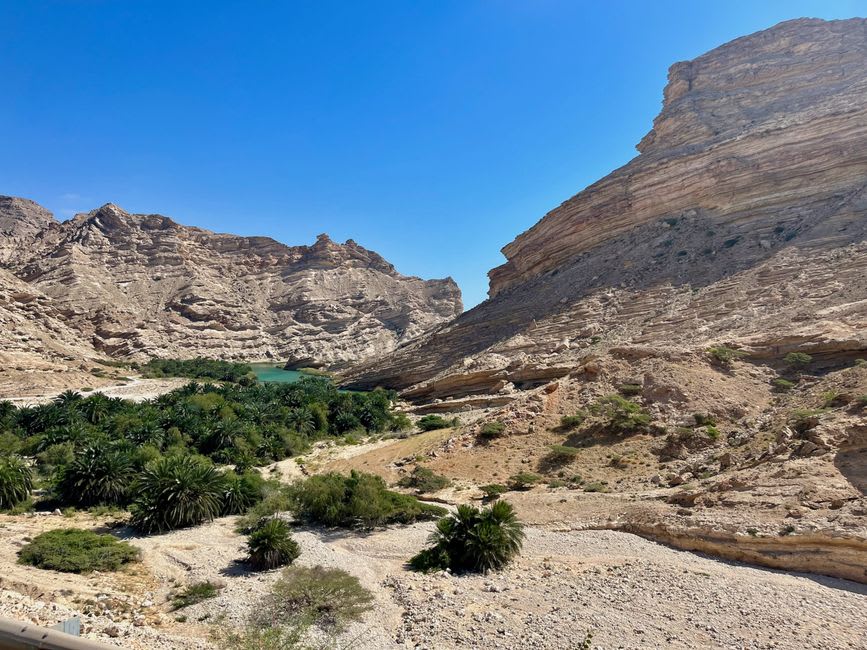
The route into Wadi Hibi starts as a graded gravel road and degrades steadily into a proper 4x4 track, crossing the streambed itself a dozen times or more as it climbs. We passed maybe two other vehicles in three hours, both trucks belonging to people who lived in the small villages further up rather than visitors. The canyon walls close in gradually rather than dramatically, layered sedimentary rock in shades of rust and grey, with acacia trees somehow rooted into cracks that shouldn’t hold enough soil to support anything.
Villages With No Names on the Map
A handful of stone hamlets sit tucked into side valleys along the route, most too small to appear on any map we had. We stopped near one where a group of children ran alongside the truck for a stretch, laughing, before peeling off toward a cluster of houses built directly into the hillside. Further up, the wadi opens into a wider basin holding a genuinely deep, still pool, fed by a spring we never located the source of — cold, clear, and completely empty when we arrived. Lia swam out to the far side and declared it the best unplanned stop of the entire Batinah loop.
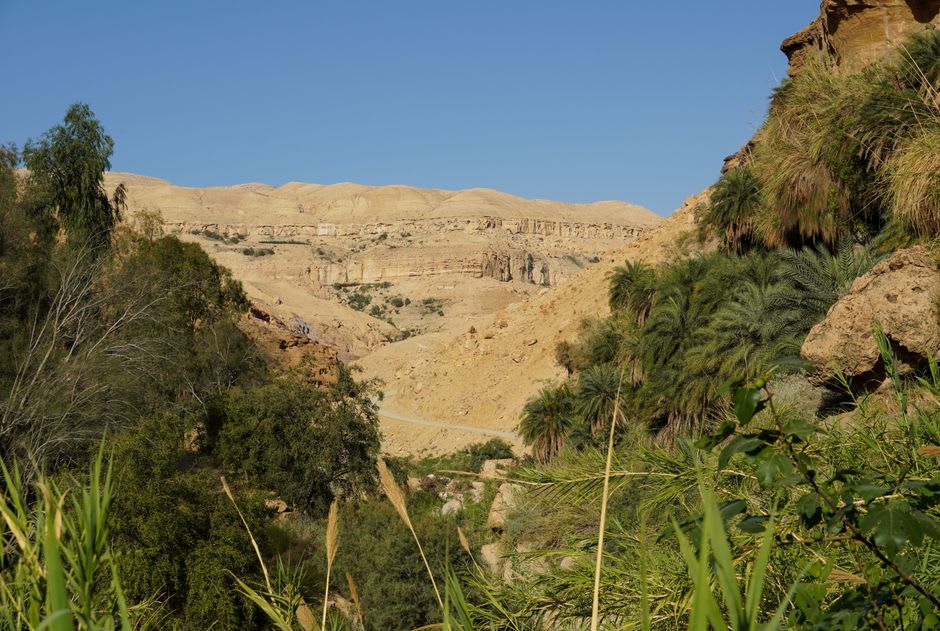
When to go: October through April, and only in dry conditions — this wadi has no tourist infrastructure, no signal for most of its length, and floods fast after rain. A high-clearance 4x4, a full tank, and a printed map are all worth having; do not rely on phone navigation alone.
Keep exploring
More from Oman
 oman
oman Wadi Hoqain
A near-secret spring-fed canyon behind Al Hamra's mudbrick houses, reached through date plantations most visitors to the region never notice.
Explore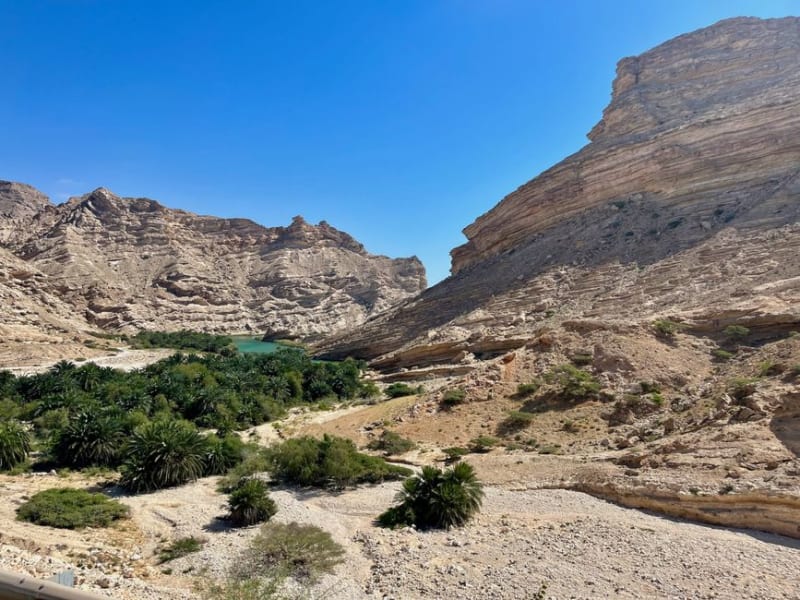 oman
oman Wadi Mayh
A moon-like canyon of striped rock and abandoned villages twenty minutes from Muscat, popular with off-roaders and almost nobody else.
Explore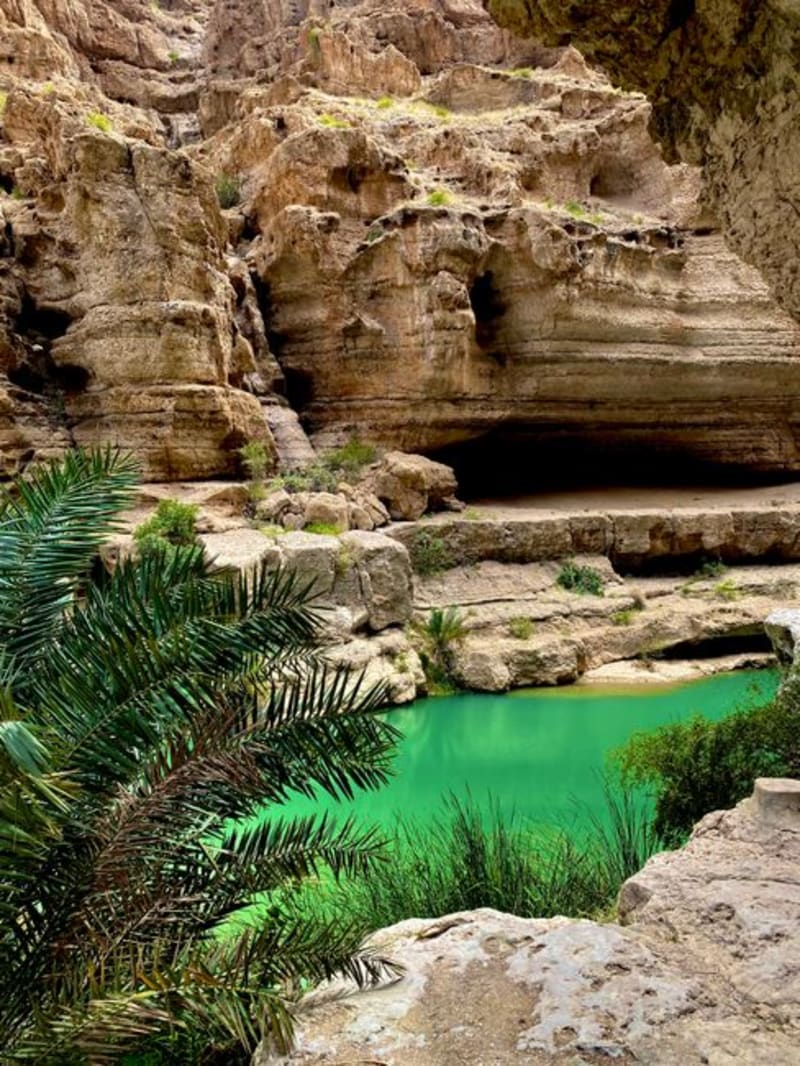 oman
oman Wadi Mistal
A wide highland plateau behind Jebel Akhdar's back ridge, its old stone village of Al Ghafat perched above terraced fields fed by an ancient falaj.
Explore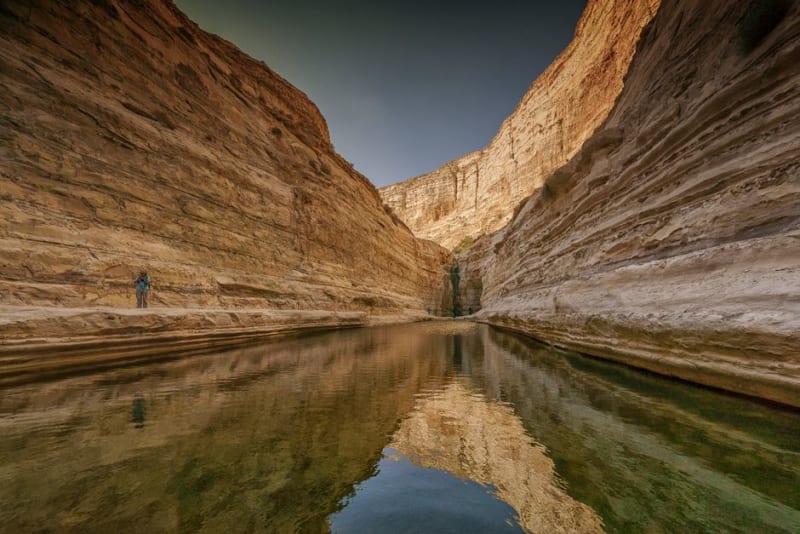 oman
oman Wadi Nakhr
The canyon below Jebel Shams that everyone calls Arabia's Grand Canyon, walked along a ledge trail carved into a cliff face with nothing but air on one side.
Explore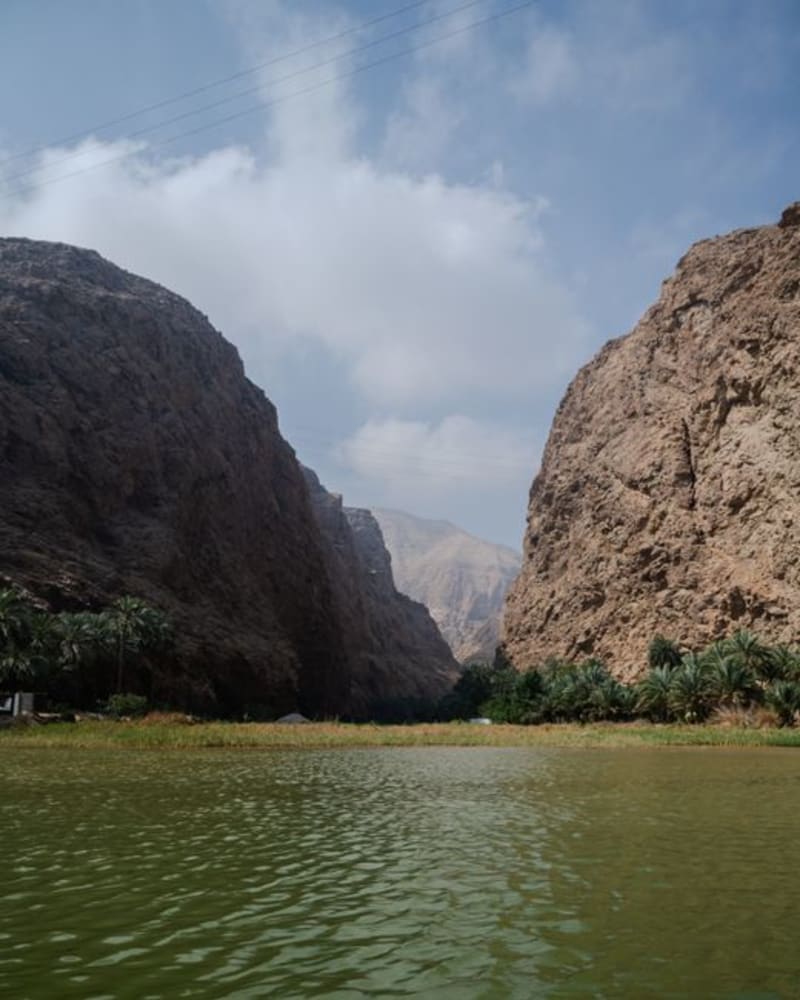 oman
oman Wadi As Sahtan
A remote mountain wadi in the western Hajar range, its terraced pools and stone villages barely touched by the tourism that reshaped Jebel Akhdar next door.
Explore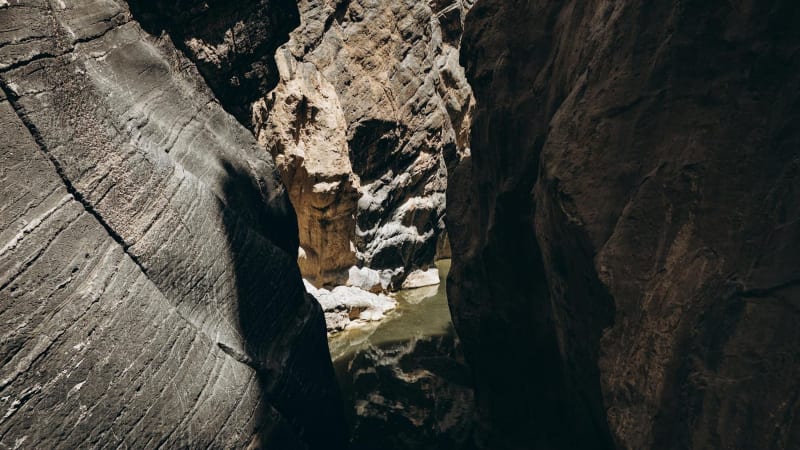 oman
oman Wadi Shab
Hike through palm-lined gorges to secret turquoise pools hidden inside a cave — Oman's most magical wadi.
Explore