Ras Al Hadd
"The edge of a continent doesn't announce itself. It just quietly runs out of land."
A sleepy fishing town at the easternmost tip of the Arabian Peninsula, with a fort, a wide public beach, and almost no one on it.
There’s a moment on the drive out from Sur, somewhere past the last roundabout, where the road just gives up trying to be a road and becomes a track between dunes and mangrove flats. I remember thinking we’d taken a wrong turn. We hadn’t — that’s simply what the approach to Ras Al Hadd looks like.
Ras Al Hadd is the easternmost point of the Arabian Peninsula, a fact that means almost nothing until you’re standing on the beach at dawn watching the sun come up over open ocean with India, technically, somewhere out past the horizon. The town itself is small: a scatter of low houses, a working fishing harbor where wooden boats come in loaded with kingfish and tuna, and a restored fort on a rise above the water that nobody was inside when we visited except a bored guard who let us climb the tower for free.
The Fort and the Flats
Ras Al Hadd Fort is unremarkable as forts go — squat, whitewashed, built for watching the sea rather than fighting anyone off it — but the view from the top redeems it entirely. From the parapet you can see the full curve of the bay, mangrove channels threading inland, and a beach so wide and flat that at low tide it seems to stretch for a kilometre before actually touching water.
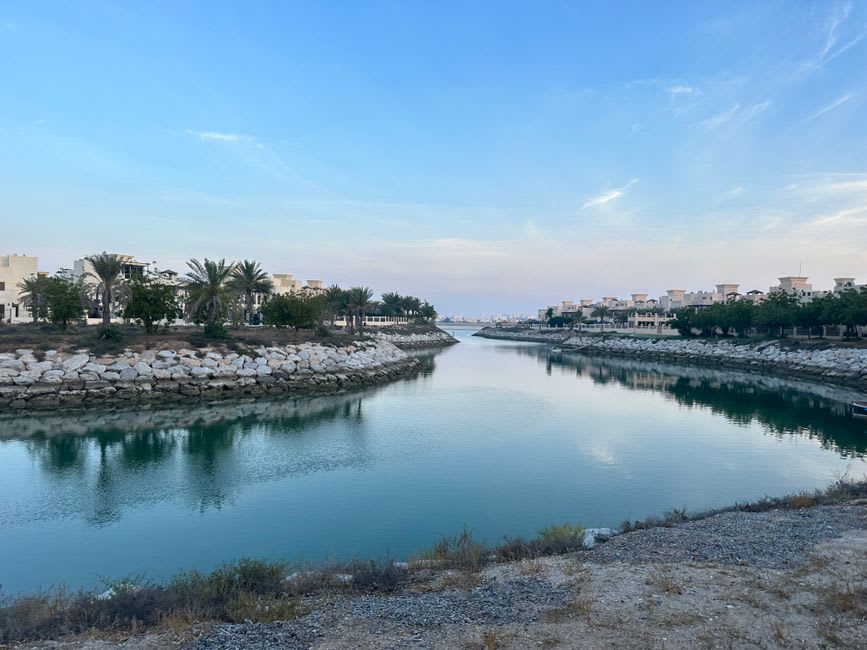
We walked that beach barefoot for almost two hours one evening, past ghost crabs that vanished into their holes if you got within three metres, and didn’t see another person the entire time. Lia kept saying it felt illegal, like we’d wandered onto a beach that was supposed to be closed.
Fishermen and Flamingos
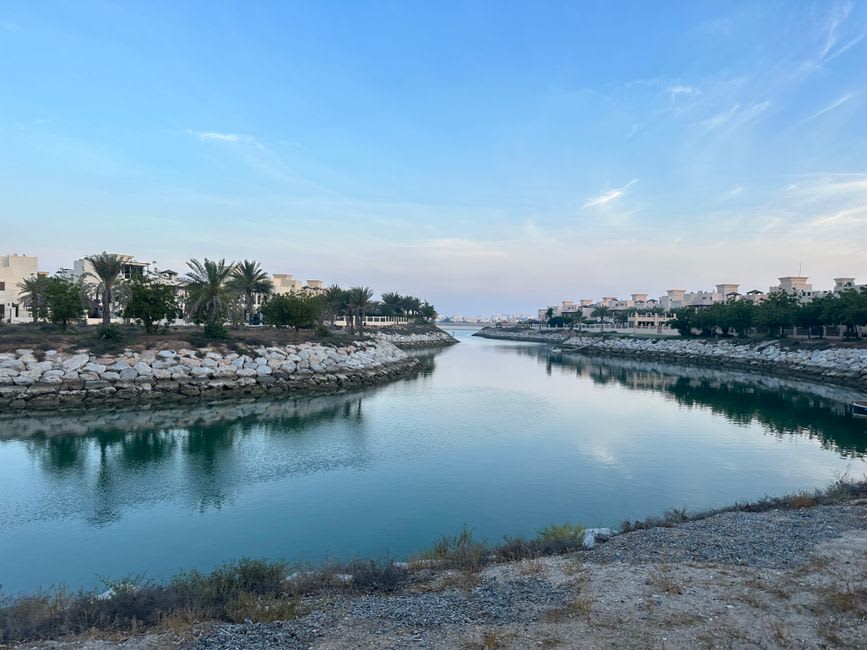
The harbor is worth an early visit — boats return around seven, and the auction that follows on the concrete dock is loud, fast, and entirely uninterested in tourists. Nobody minds you watching. A short drive inland along the mangrove edge sometimes turns up flamingos wading the shallows, pink smudges against grey mudflats that feel completely disconnected from the desert twenty minutes behind you.
Ras Al Jinz, with its turtle reserve, is a short drive further south and pairs naturally with a stay here — Ras Al Hadd for the fort, the fish market, and the empty beach; Ras Al Jinz for the turtles after dark.
When to go: October through April for comfortable temperatures on the beach walks. Early morning is best for the fish auction and the flamingos, regardless of season.
Keep exploring
More from Oman
 oman
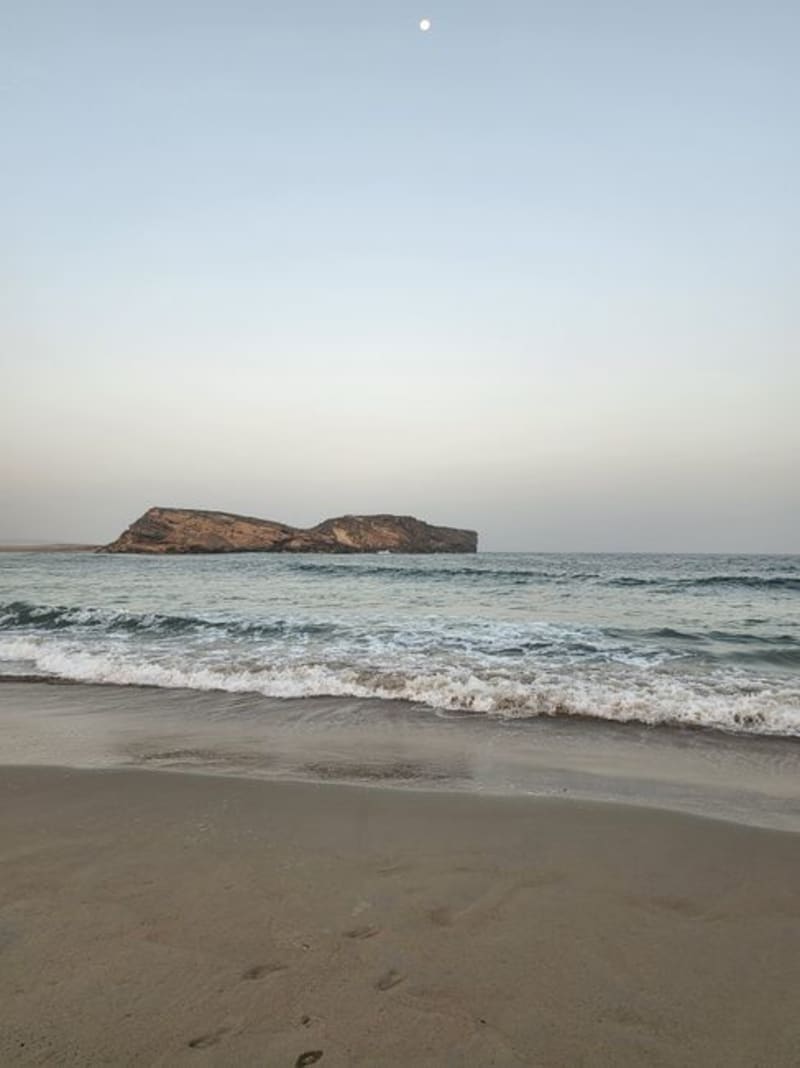
oman Ras Al Jinz
A protected beach at Arabia's easternmost point where green turtles have been nesting in the same sand for thousands of years.
Explore oman
oman Ras Madrakah
A wind-hammered cape halfway down Oman's central coast, where the desert meets the Arabian Sea in dead-straight cliffs and total silence.
Explore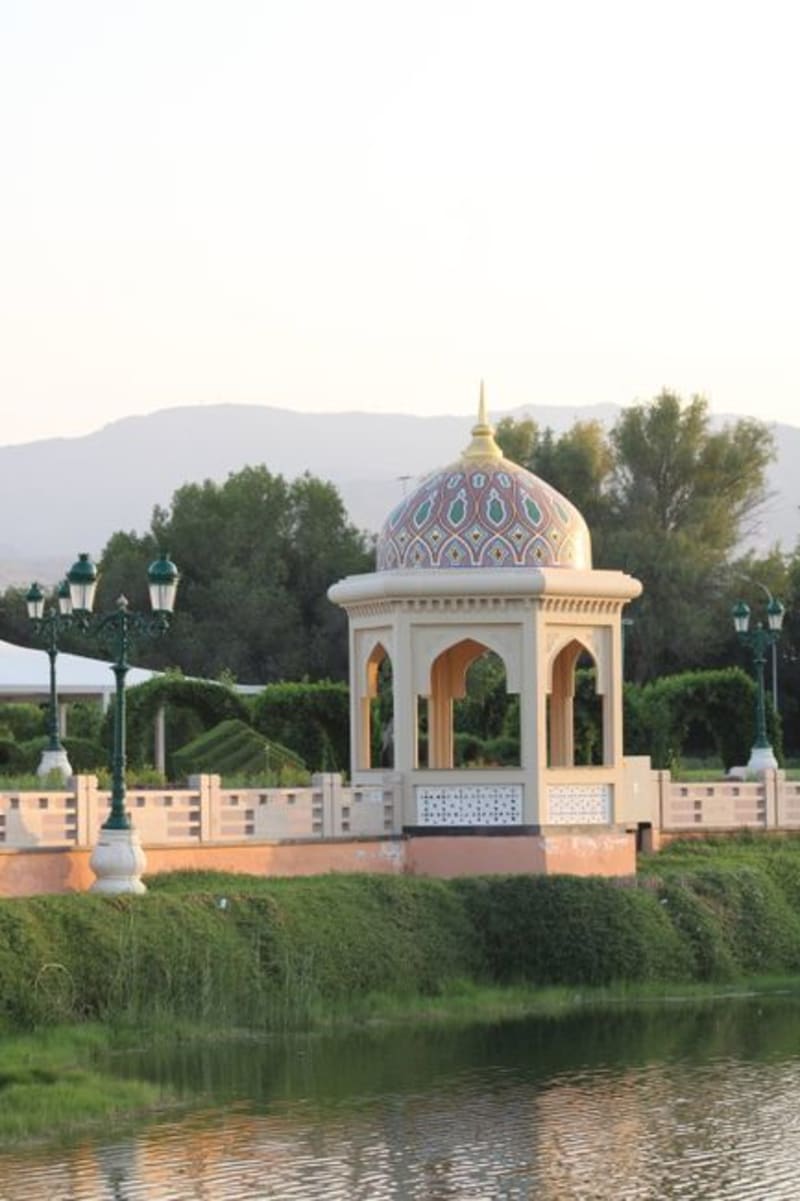 oman
oman Riyam Park
A hilltop park crowned by a giant incense burner monument, with the best free view of Muttrah harbour in the city.
Explore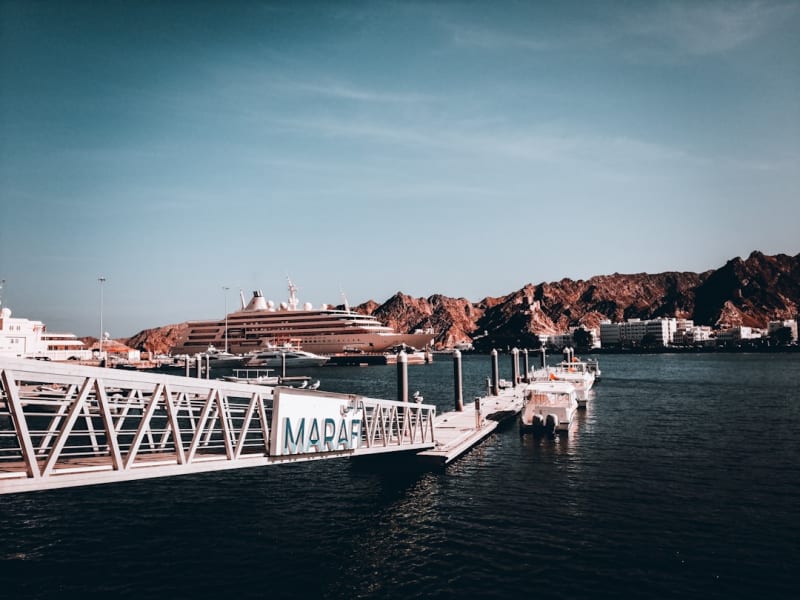 oman
oman Royal Opera House Muscat
Sultan Qaboos's marble monument to music, where Omani craftsmanship meets an international opera season.
Explore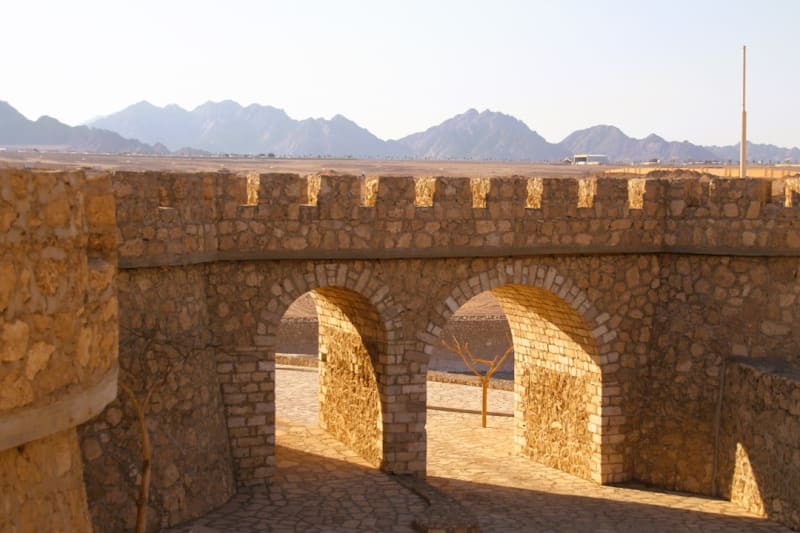 oman
oman Rustaq Fort
A former Ya'arubi capital's fortress with a working blacksmith inside its walls, and hot mineral springs bubbling out of the ground a short walk away.
Explore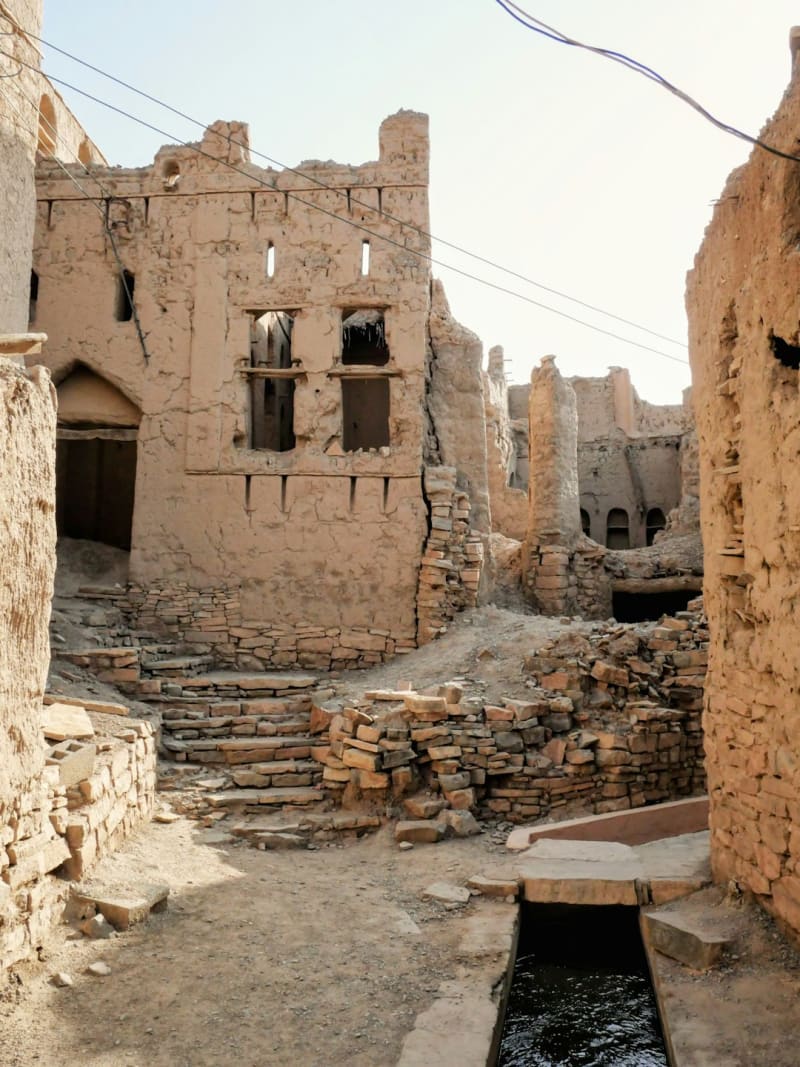 oman
oman Sadah
A working fishing port on the far Dhofar coast, and the last real outpost before the open water crossing to the Hallaniyat Islands.
Explore