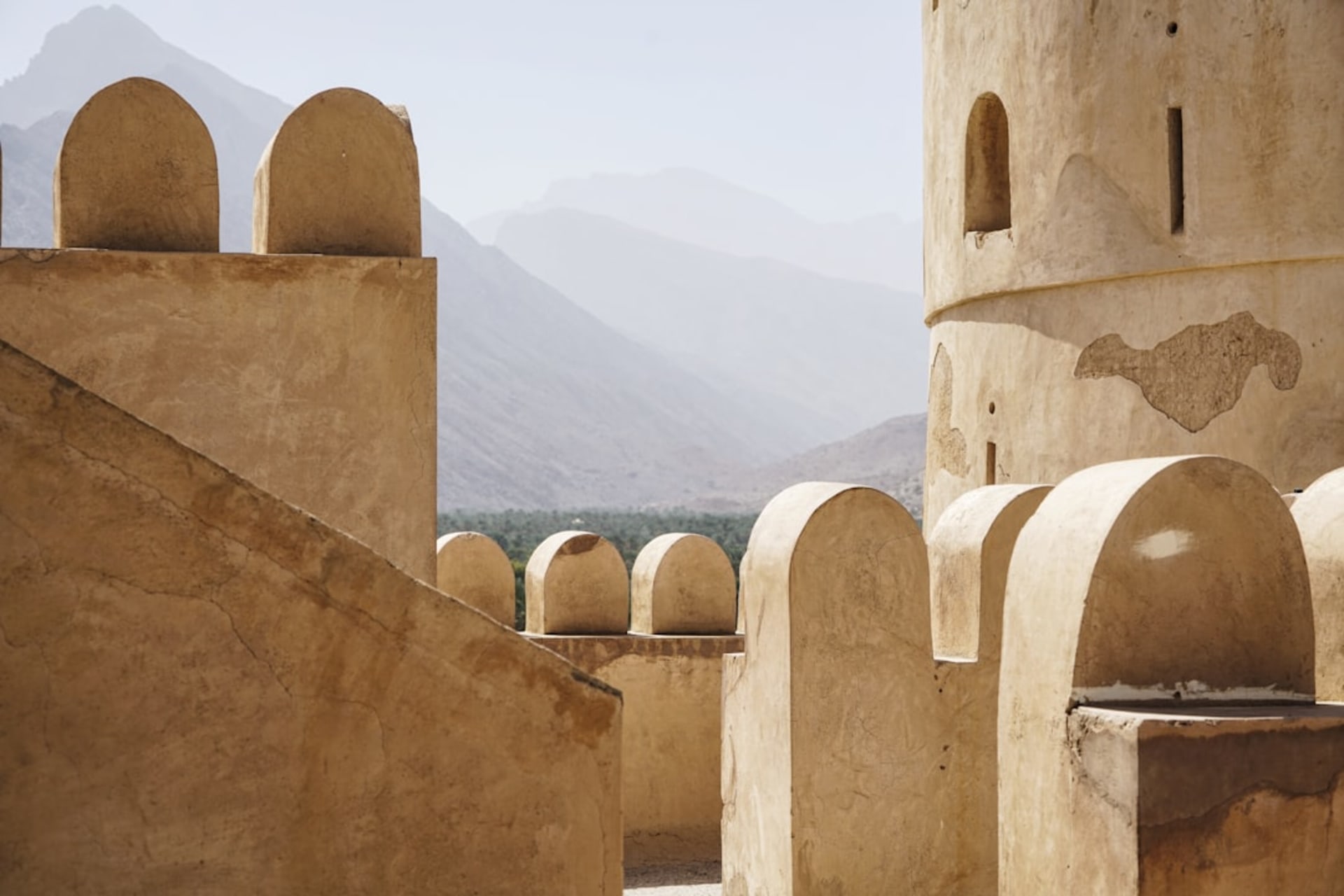
The Batinah town best known for halwa production, dhow-lined beaches, and a fort slowly being reclaimed by the coastline around it.
Al Khaburah announces itself before you see it. We were still a couple of streets from the town center when the smell hit — a dense, caramelized sweetness that turned out to be coming from one of the halwa workshops the town is known for across Oman. We followed our noses more or less directly to the source.
Halwa Made the Slow Way
Omani halwa is nothing like the sesame-based version found elsewhere in the Middle East — it’s a dense, jelly-like sweet made from sugar, ghee, saffron, and rosewater, cooked for hours in enormous copper pots over open flame while someone stirs continuously by hand. Al Khaburah has a reputation as one of the country’s serious halwa-producing towns, and the workshop we visited let us watch the whole process: a worker stirring a pot easily a meter across, sweat running down his face from the heat, the mixture slowly darkening and thickening into something closer to a sculpture than a dessert. We bought a container still warm from the pot and ate most of it within the hour.
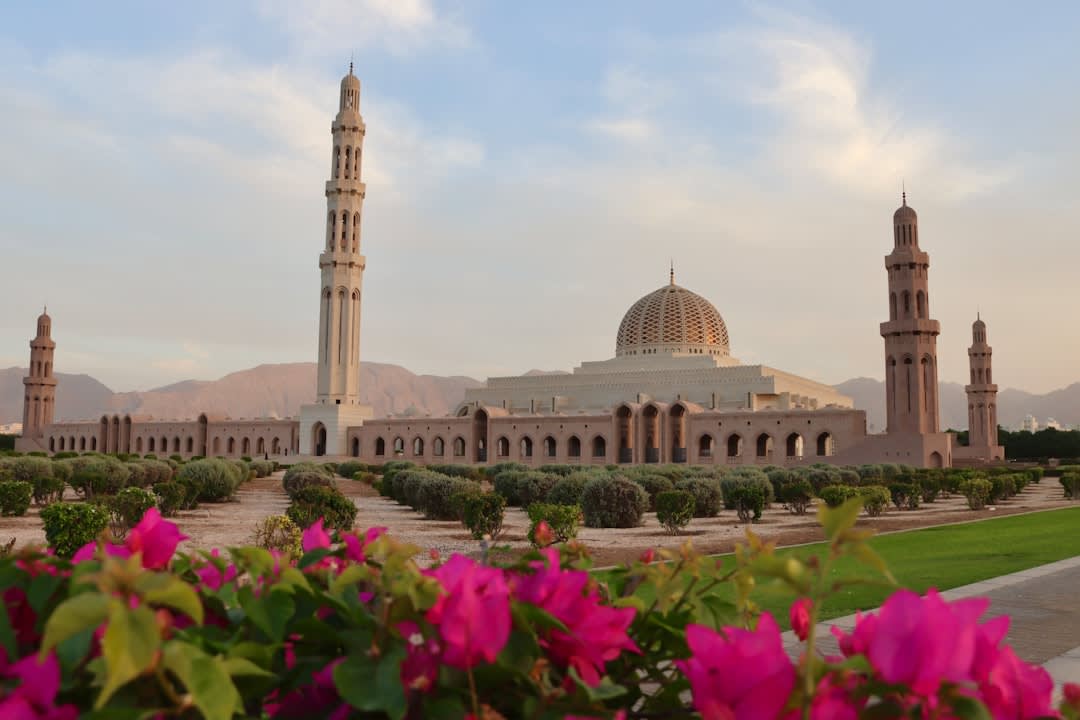
The Beach and the Fort
Al Khaburah’s beach is a working one — dhows pulled up on the sand, nets drying in loose piles, fishermen mending equipment rather than sunbathing. At the northern end, the remains of an old coastal fort sit close enough to the water that erosion has clearly been winning a slow argument with it for decades; parts of the outer wall have simply crumbled into the sand. It’s not preserved or promoted the way Nizwa or Bahla’s forts are, but there’s something honest about watching a piece of history lose gracefully to the sea instead of being frozen behind glass.
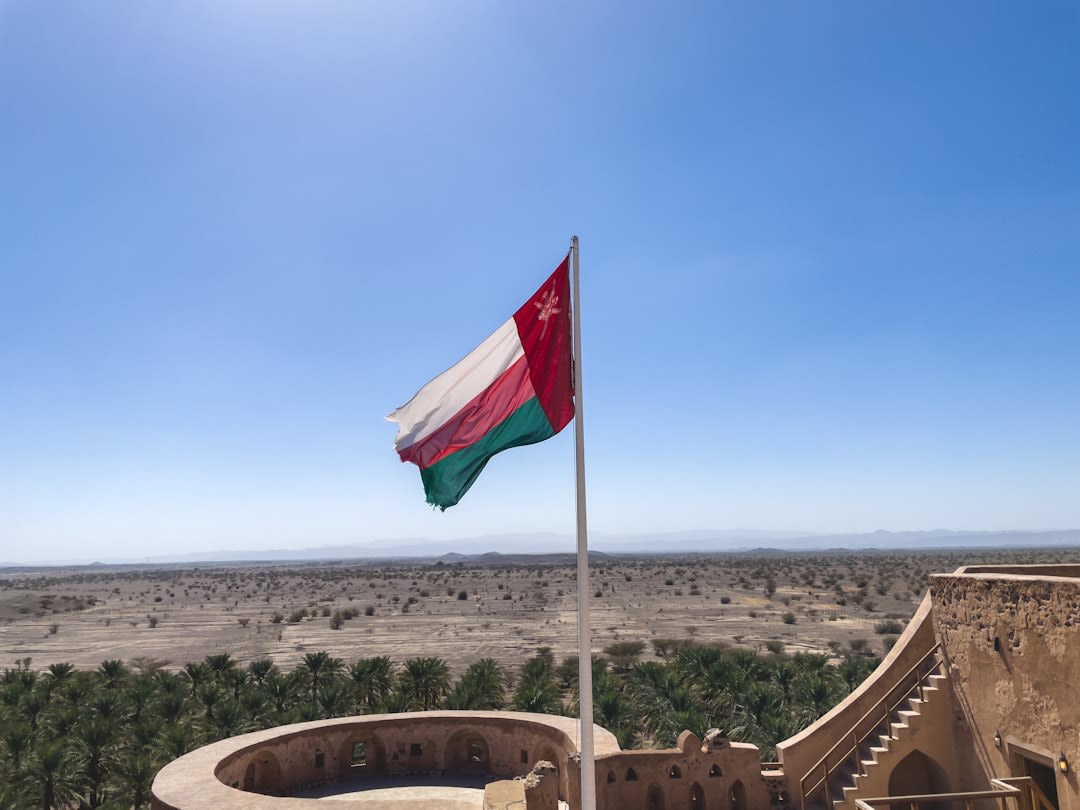
When to go: October through April. Morning is best for the beach and harbor, and most halwa workshops are happy to let visitors watch production if you ask politely and buy a container on your way out.