Where Okinawa runs out of land and the East China Sea crashes into the Pacific along raw limestone cliffs.
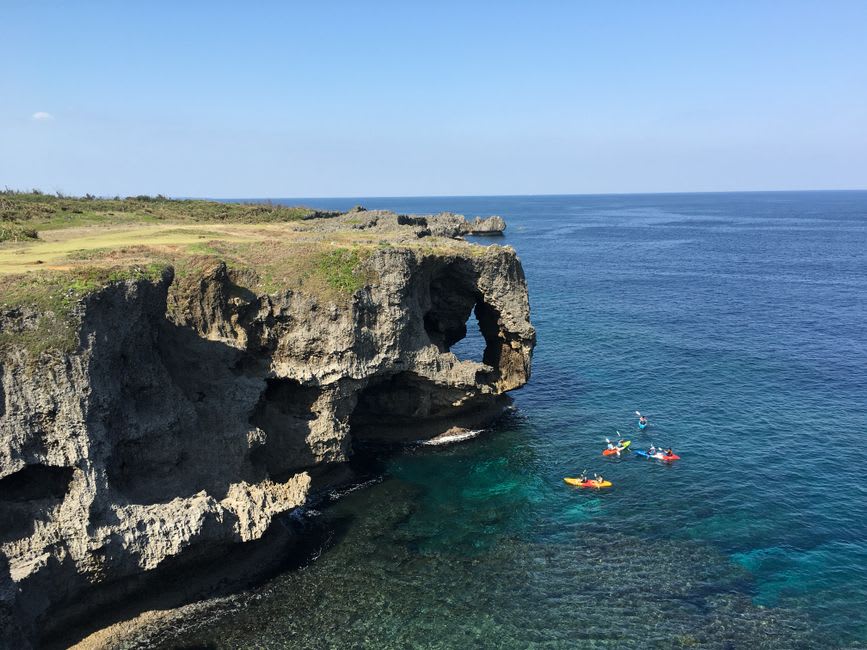
Lia and I drove north for almost three hours to get here, and somewhere past Nago the road narrowed, the resorts thinned out, and the jungle of Yanbaru closed in on both sides. By the time we parked at Cape Hedo, the air had changed completely — heavier with salt, sharper with wind. I remember stepping out of the car and having to hold onto the door for a second because the gusts nearly took it out of my hand. This is Hedo Misaki, the northernmost point of Okinawa’s main island, and it feels like it. There’s nothing performative about the place. No souvenir stalls crowding the view, just limestone cliffs falling straight into water that changes color every few minutes depending on the light.
We walked out along the path toward the edge, past the little monument that marks the 1972 reversion of Okinawa from American administration back to Japan — a piece of history I hadn’t thought much about before that trip, but standing there with the wind roaring past, it suddenly felt very present, very real. Lia read the plaque out loud while I kept getting distracted by the water below, white and churning against rock that’s clearly seen centuries of rough seas. You can tell just by looking at it why this coastline was treacherous for ships.
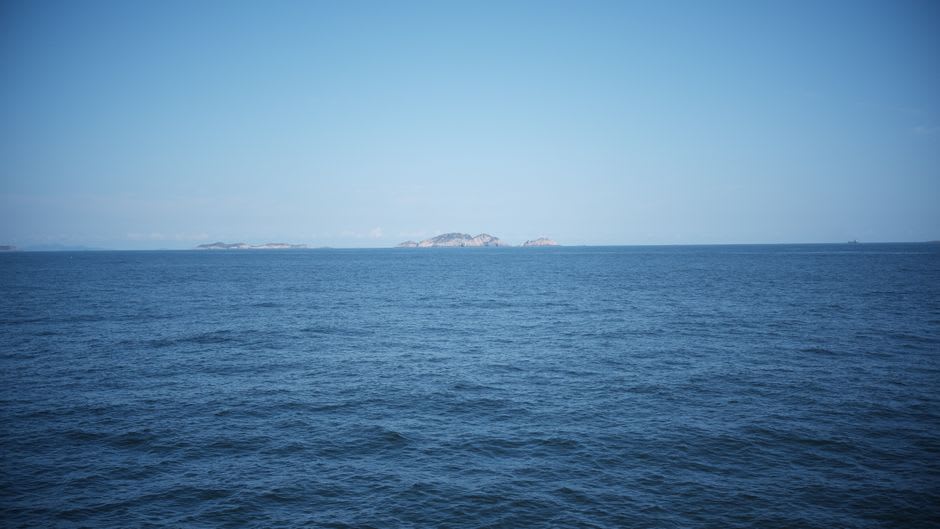
We’d gotten lucky with the weather — a clear, dry afternoon in early spring — and a Japanese couple next to us at the viewpoint pointed north and said something about the Amami Islands being visible that day. I squinted and, sure enough, there was a faint gray outline sitting on the horizon, some 22 kilometers across the strait, part of Kagoshima Prefecture. It’s a strange feeling, being at the edge of one prefecture and staring at the beginning of another, with nothing but open ocean between them. Lia swore she could make out more detail than I could; I think she was just being competitive about it.
We ended up staying almost an hour longer than planned, just sitting on a low wall near the edge of Yanbaru National Park, sharing a bag of beni imo chips and letting the wind do most of the talking. There’s something about standing at the literal end of an island that puts things in perspective — you can’t keep driving, so you just stop, and look, and notice everything: the cliffs, the ocean, the sound of the waves that never really goes quiet. It’s one of those places that doesn’t need much explaining once you’re actually there.
When to go: We’d point you toward spring or autumn, when the skies tend to run clearer and your odds of spotting the Amami Islands across the water go up considerably — though even on a hazier day, the cliffs alone are worth the drive.
Keep exploring
More from Okinawa
 okinawa
 Iriomote Island
Ninety percent jungle, one paved road, and more wild cats than foreign visitors — Japan's last genuinely untamed island.
Explore okinawa
 Ishigaki Island
The southern gateway to the Yaeyama archipelago — manta ray waters, wagyu fields, and a town that trades on the right things.
Explore okinawa
 Itoman
The southern tip of Okinawa — a fishing town with the island's most important war memorial and the weight that comes with it.
Explore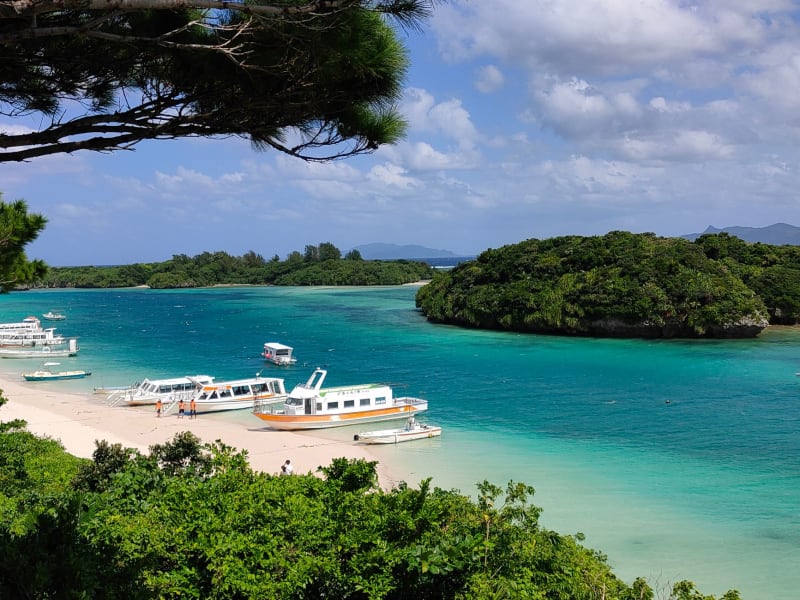 okinawa
 Kouri Island
A small bridge island off northern Okinawa with two beaches, a love legend, and water so clear it makes you distrust colour.
Explore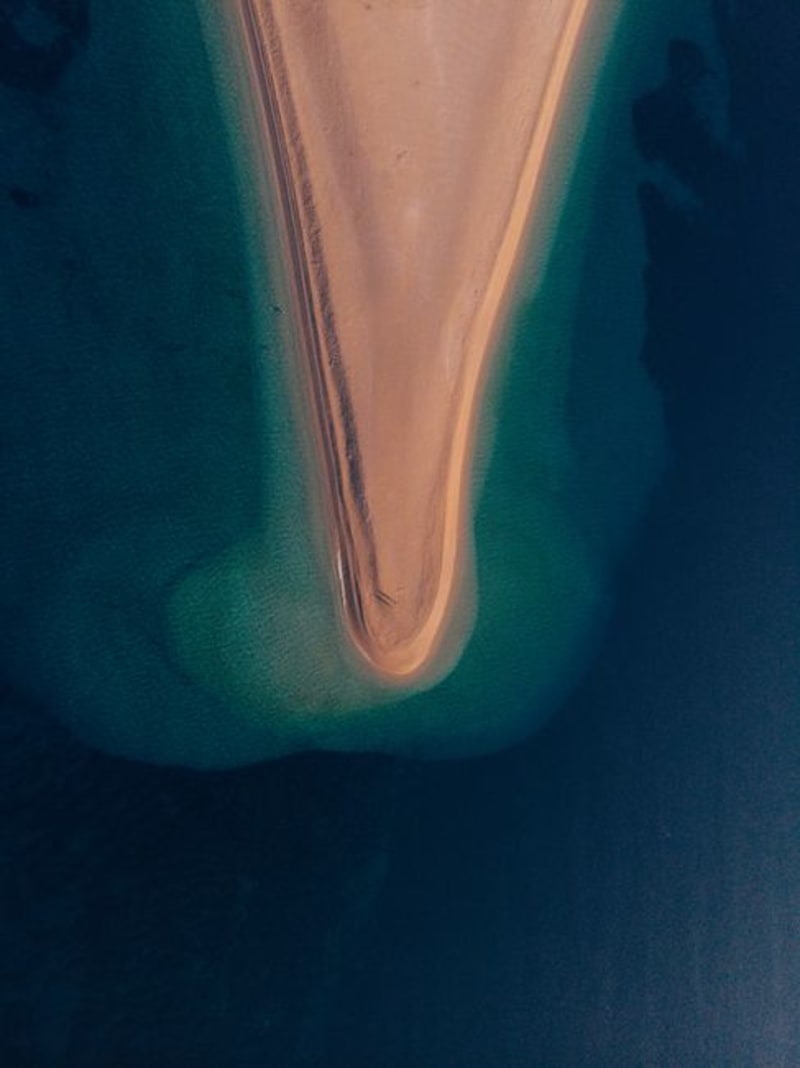 okinawa
 Kume Island
A quiet Okinawan island where a seven-kilometer sandbar floats between two shades of blue and silk looms still click in wooden houses.
Explore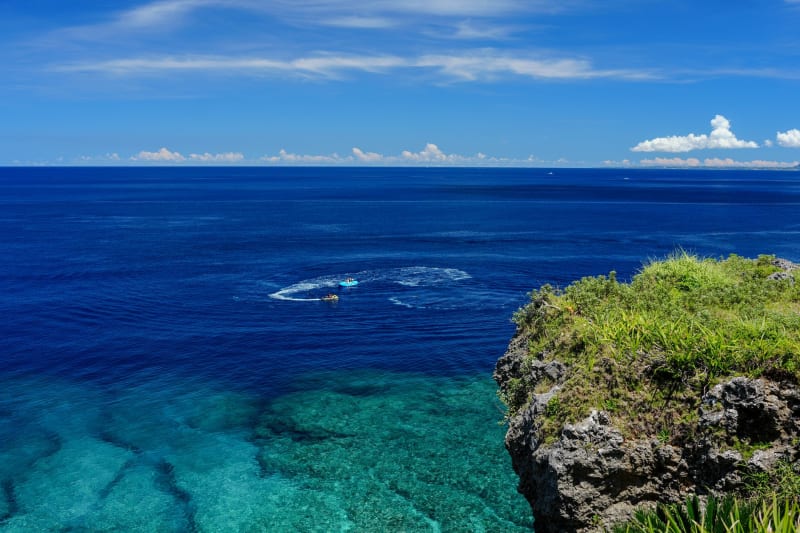 okinawa
 Miyako-jima
Flat sugarcane island with impossible beaches and a three-island bridge circuit to explore by bicycle before the day gets too hot.
Explore