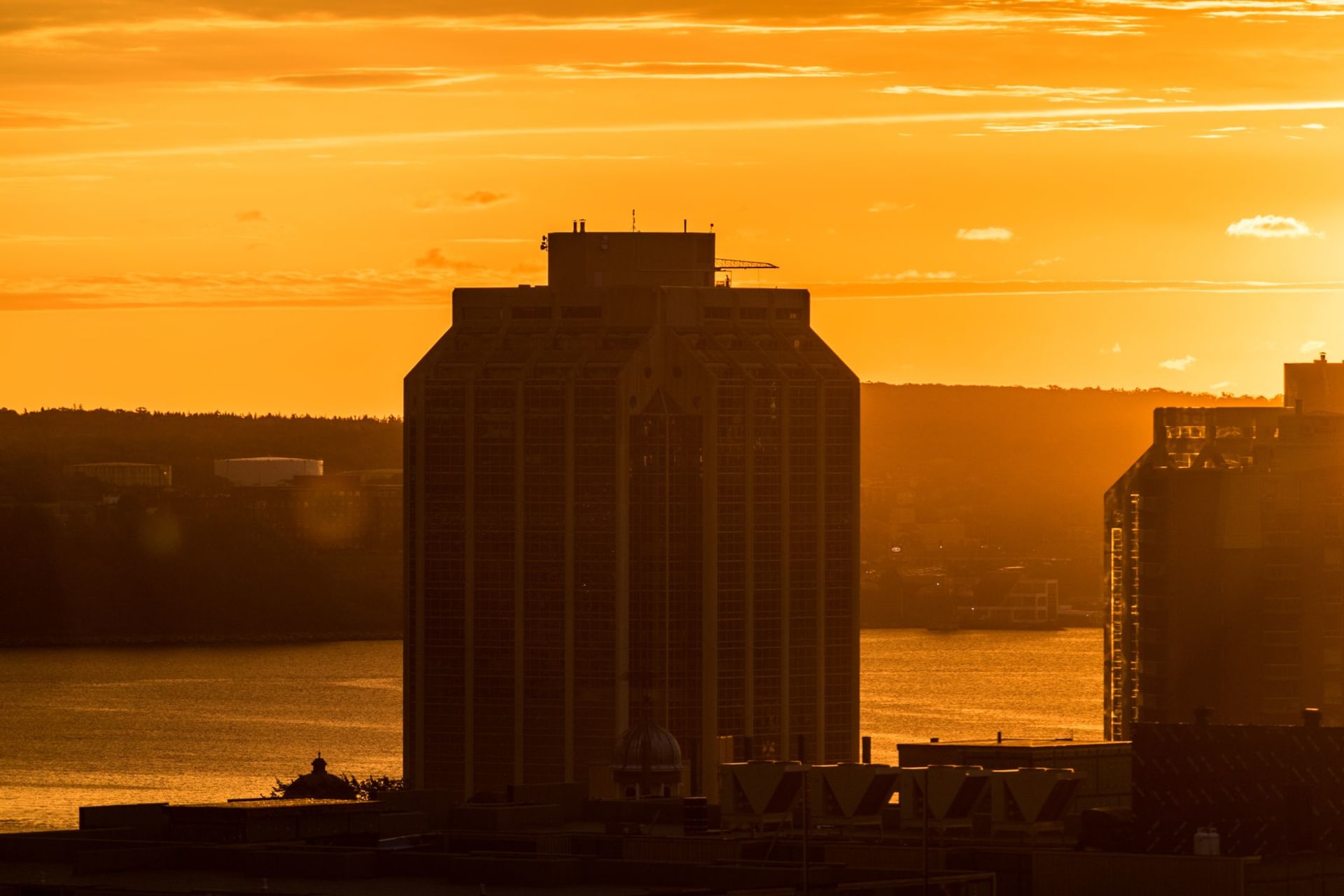
A working harbour city where craft beer, lobster, and two centuries of military history arrive in the same afternoon.

I walked off the ferry into Halifax on a grey Tuesday morning with the harbour smell arriving before the city did — brine and diesel and something sweetly rotten that I came to associate with working wharves everywhere on the Atlantic. The waterfront stretched in both directions, a mix of converted warehouse restaurants and actual working docks where the container cranes still swung, and I stood for a moment letting that combination settle. Halifax doesn’t try to pretend it is something other than a port city. That honesty is its greatest asset.

The thing to do first, before the restaurants and the museums, is climb Citadel Hill. The star-shaped fortification sits at the exact centre of the city and it is not a reconstruction or a theme park — it is a genuine nineteenth-century military installation, with grassy ramparts and a functioning cannon that fires at noon with the kind of report that makes tourists jump. From the top, the entire layout of the city is clear: the grid streets falling to the harbour, the bridges crossing the Narrows to Dartmouth, the container terminal to the south. The history here is layered and unvarnished, involving British troops, American privateers, the 1917 Halifax Explosion — one of the largest pre-nuclear blasts in history — and waves of immigration that washed through Pier 21, the old immigration shed on the southern waterfront, for decades.
Pier 21 is where I spent more time than I intended. The museum occupies the actual building where over a million immigrants were processed between 1928 and 1971, and it handles its subject with uncommon restraint. There are no dramatic re-enactments, no forced emotion — just the objects: a Ukrainian embroidered cloth brought in a suitcase, a child’s shoe, the passenger manifests with names in faded ink. I sat in the main hall and read about families who arrived from post-war Europe with everything they owned in a single trunk, and found myself unexpectedly moved. I am not a person who cries in museums. I am reconsidering that position.

The food in Halifax is seafood-anchored and serious about it. The lobster rolls at the waterfront shacks are done simply — claw and knuckle meat, a little mayonnaise, nothing competing with the sweetness of the crustacean — and the chowder at most of the wharf restaurants carries actual depth. The craft beer scene has grown into something worth paying attention to: Garrison Brewing and Good Robot both make beers that drink as well as anything I’ve found in Montreal or Toronto, without the accompanying pretension. There is a neighbourly quality to Halifax at night, especially in the North End, where the pubs are warm and the bar staff know most people’s names.
When to go: July and August are peak season with the longest days and the best harbour weather. September is genuinely excellent — the cruise ships thin out, the light turns golden over the water, and the city returns to something closer to its own pace. October sees the first real cold but still gets brilliant clear days along the waterfront.
Keep exploring
More from Nova Scotia
 nova-scotia
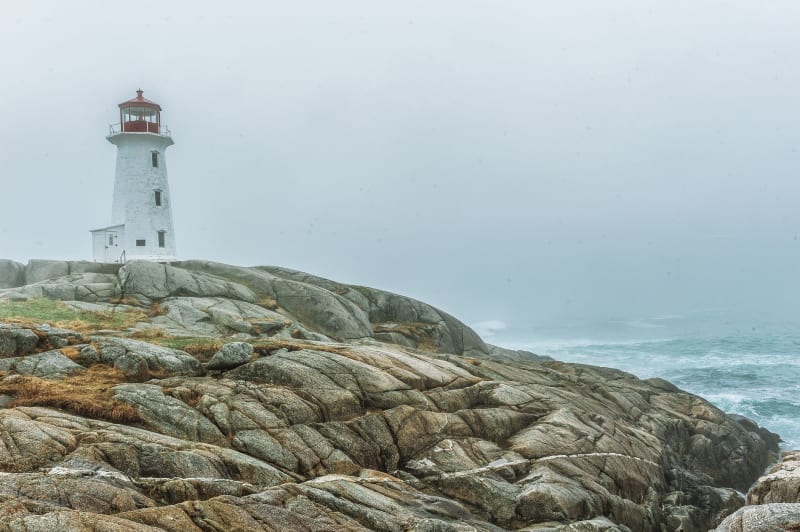
 Kejimkujik
Nova Scotia's inland wilderness: dark-sky lakes, Mi'kmaw petroglyphs in slate, and an absolute silence that starts to feel loud.
Explore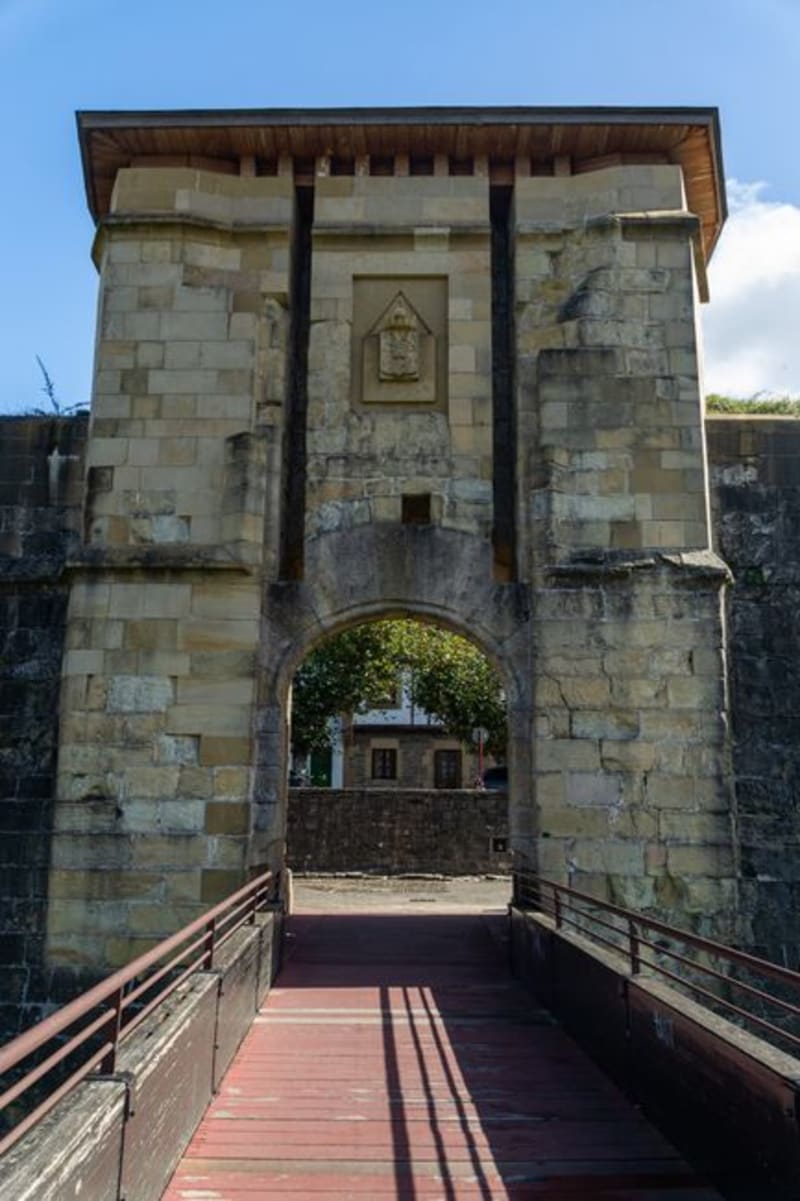 nova-scotia
 Fortress of Louisbourg
A rebuilt 18th-century French fortress town on Cape Breton, where costumed interpreters make colonial life feel startlingly present.
Explore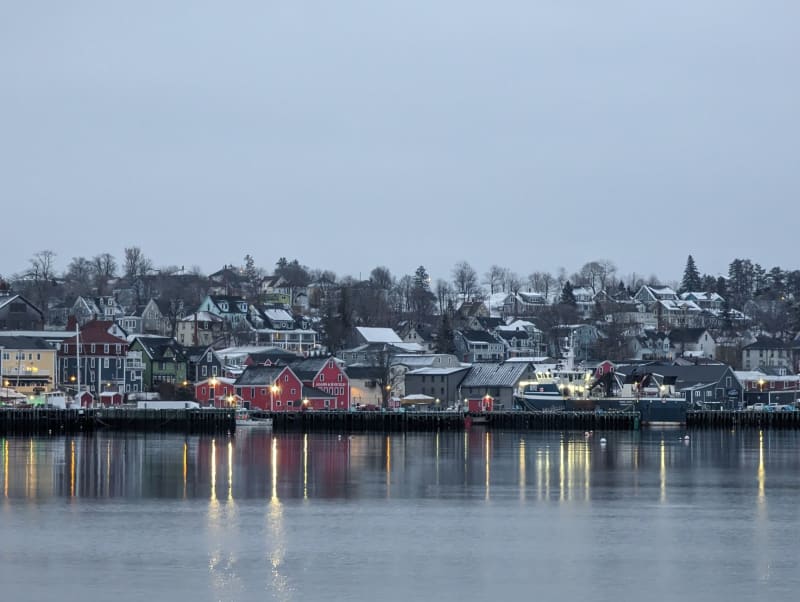 nova-scotia
 Lunenburg
A UNESCO fishing town of improbable colours where German settler architecture meets the Grand Banks schooner tradition.
Explore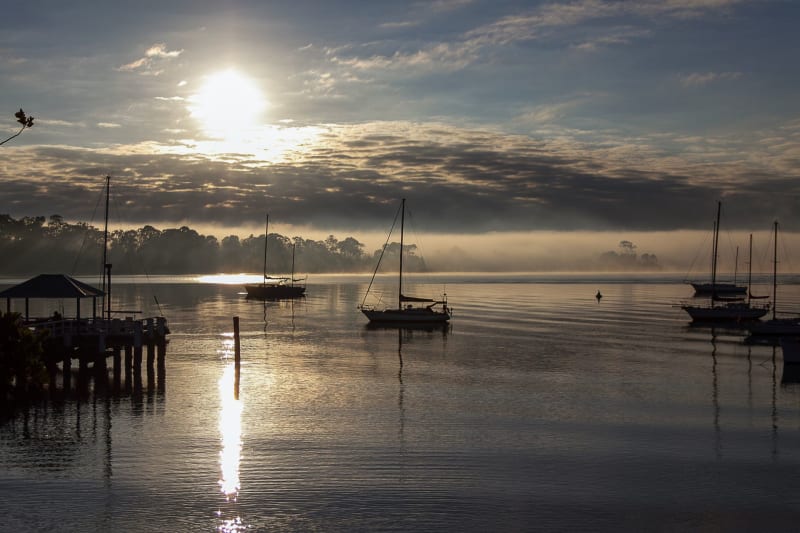 nova-scotia
 Mahone Bay
Three historic churches doubled in still water, a sailing harbour, and the South Shore at its most quietly perfect.
Explore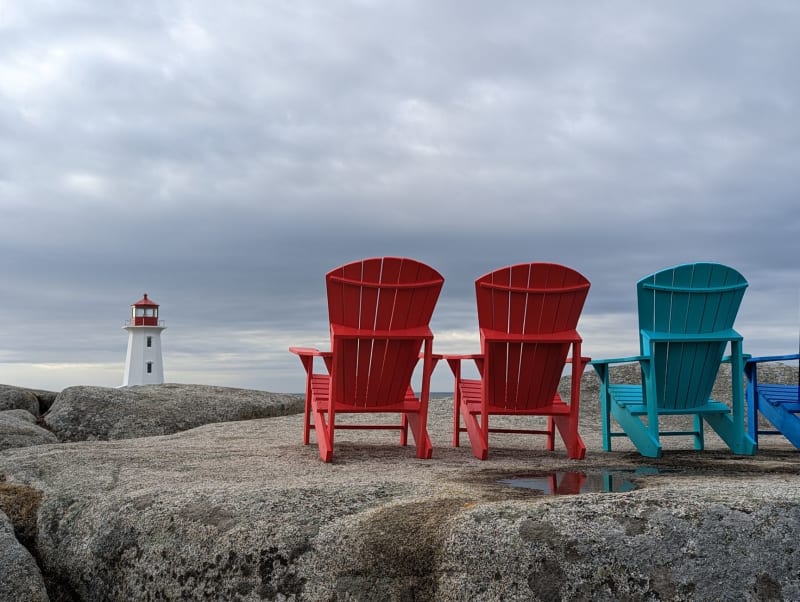 nova-scotia
 Peggy's Cove
A lighthouse on wave-polished granite where the Atlantic looks ancient and the fog arrives like punctuation.
Explore nova-scotia
 Wolfville
A small university and wine town in the Annapolis Valley, perched above the world's highest tides, where the Bay of Fundy drains a whole bay twice a day.
Explore