
Europe
Norway
"The country where the landscape does not compete for your attention — it commands it."
Fjords cut into impossible mountains, Arctic light that rewrites color, and a silence that feels like the earth breathing — Norway is nature at its most dramatic.

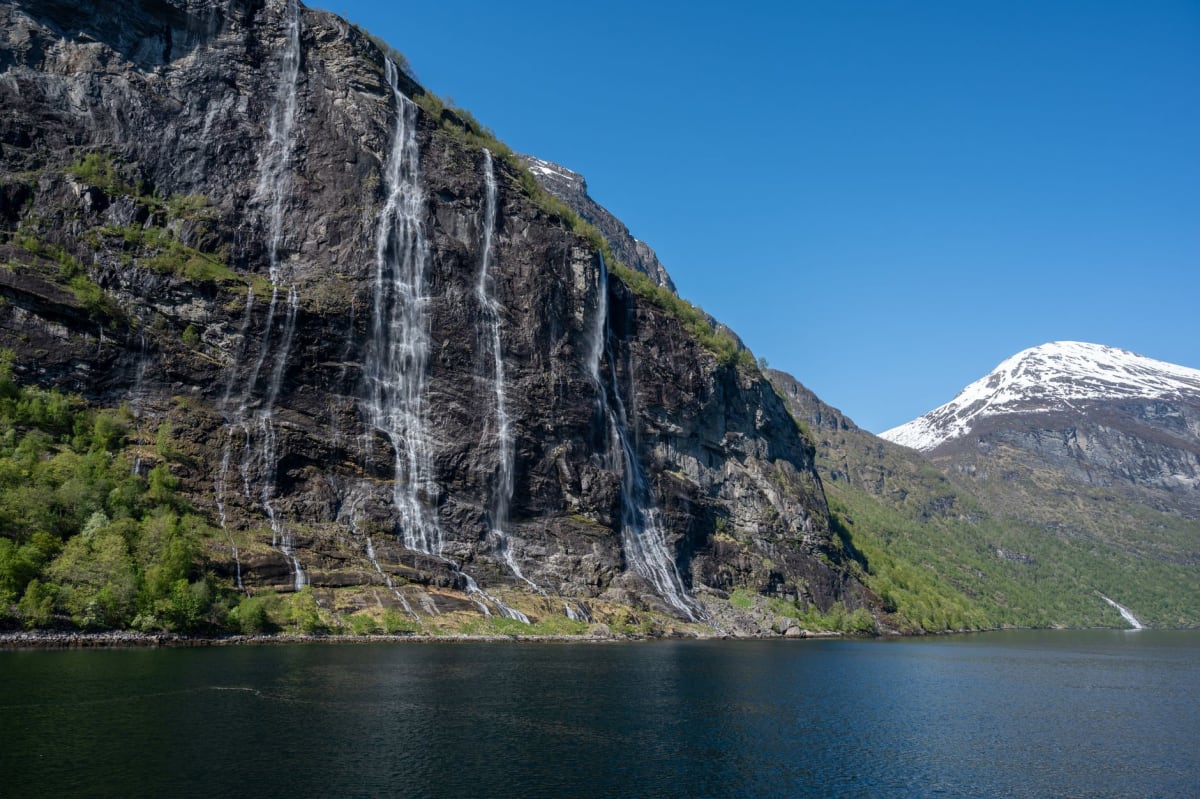
Norway is the most expensive country in Europe and worth every krone. This is not a statement made lightly — the prices are genuinely startling, the kind that make you check the exchange rate twice. But what Norway offers in return has no equivalent. The fjords are not scenic drives to be ticked off a list; they are geological events, kilometers of dark water cutting between mountains that rise vertically from the surface, where waterfalls drop from heights that should not exist and the scale is so vast it recalibrates your sense of proportion. Stand at the edge of Geirangerfjord or Nærøyfjord and something in your brain adjusts. This is what the word sublime was invented for.
The fjords of the west
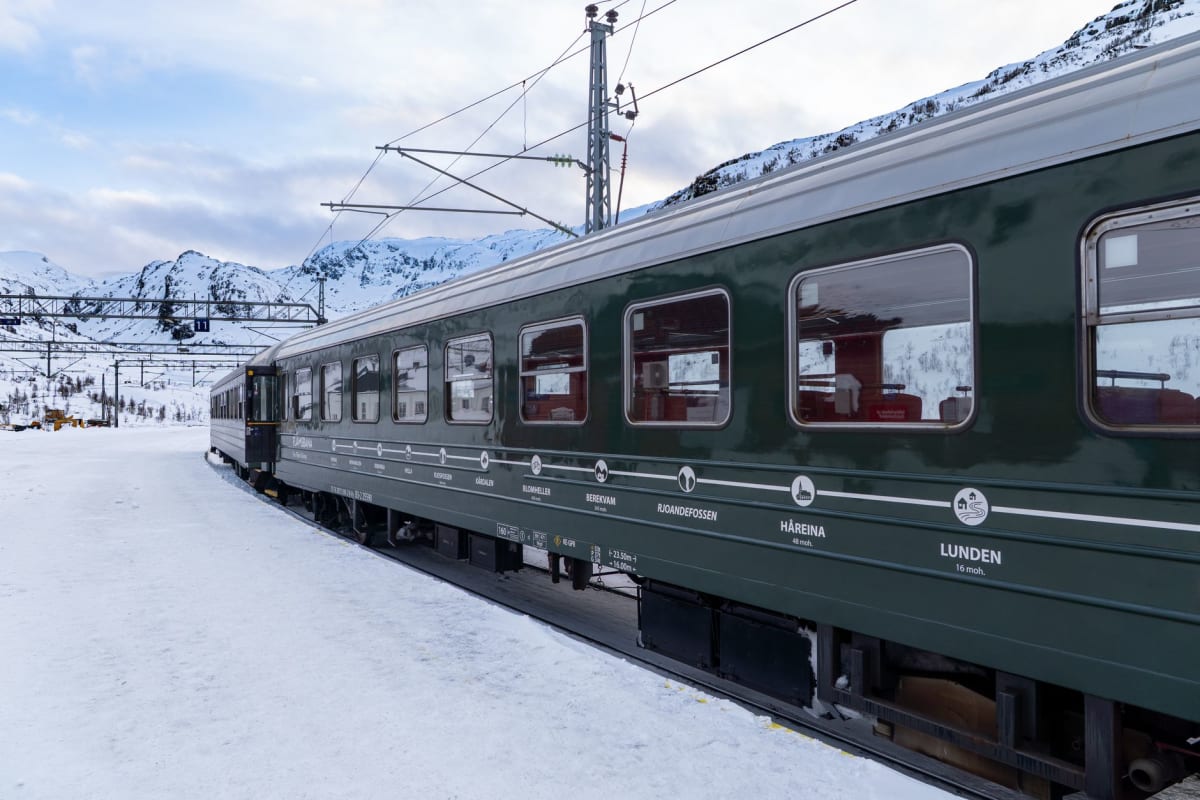
The classic Norway is the western coast, and it is classic for good reason. Geirangerfjord is the one on the postcards, a narrow S-shaped cut with farms perched on ledges high above the water, and it is best seen from the deck of a ferry so you can crane your neck at the waterfalls. Flåm sits at the end of the Aurlandsfjord, a small village with a famous mountain railway that drops through tunnels and past waterfalls to the water; it is touristy, and still worth it. Hardangerfjord is softer, a landscape of orchards and glacier-fed water that blooms in spring.
Further south, the Ryfylke fjords are quieter, and they hold the famous flat-topped cliff of Preikestolen above the Lysefjord. Base yourself in Stavanger, an old wooden-house port that became an oil city and has a surprisingly good food scene. North of the big fjords, Ålesund is a town rebuilt in Art Nouveau after a fire, with a harbor full of ornamented façades, and the islands around Ålesund reward anyone with a day to spare and a bike.
Bergen and the rain
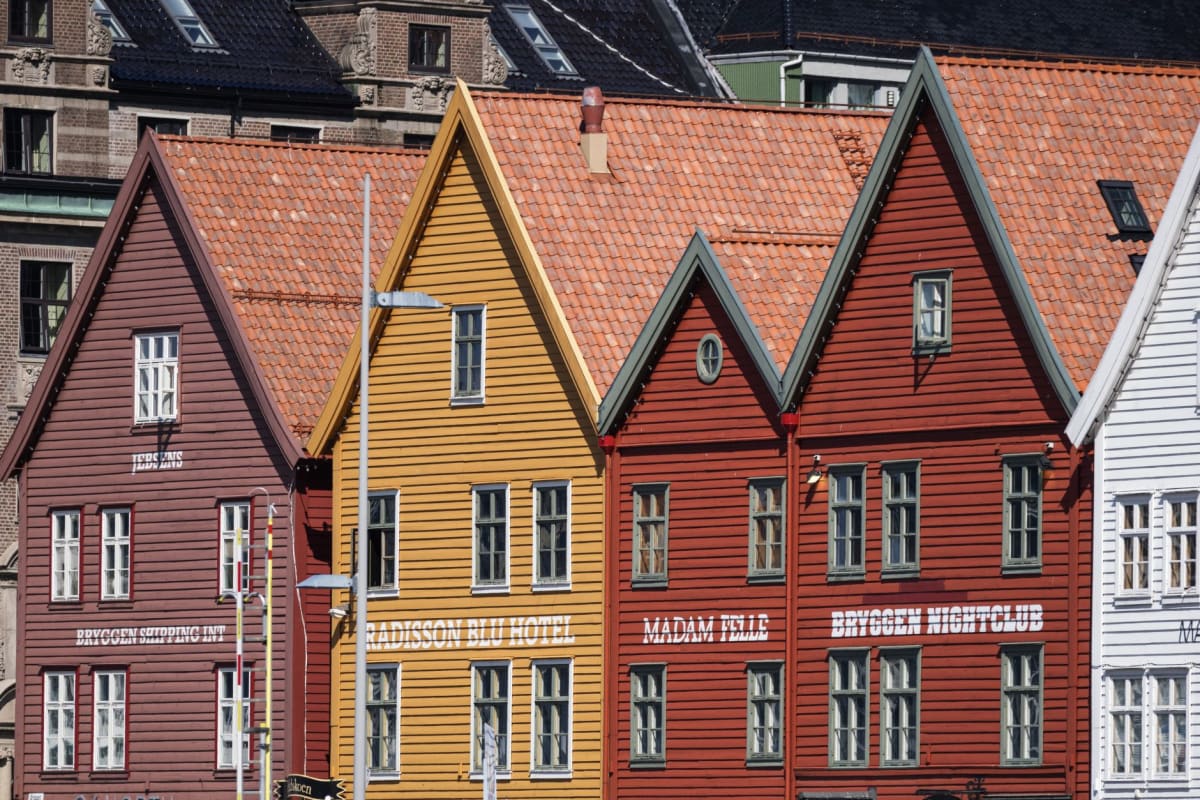
Bergen is where I always begin. The old wharf of Bryggen, a row of leaning wooden merchant houses, is a UNESCO site, and the surrounding hills are covered with colored wooden homes. It rains here often, and nobody apologizes for it. Locals walk up the mountain in waterproofs regardless. I have spent many afternoons in a small café watching the weather change every twenty minutes, and I would not trade them. From Bergen you can reach the fjords by train and boat, which is a very Norwegian way to travel: efficient, scenic, and expensive.
Above the Arctic Circle
The Lofoten Islands, above the Arctic Circle, are Norway’s masterpiece. Jagged peaks rising from the Norwegian Sea, fishing villages in red and yellow clinging to rocks, beaches with water so turquoise they look misplaced from the Caribbean until you touch it and remember you are at 68 degrees north. Tiny villages like Nusfjord have kept their old fishing cabins, and drying racks of cod are a normal part of the landscape. See our Lofoten page for the full island chain, and the quieter Vesterålen Islands to the north, where whale-watching boats leave from the harbors.
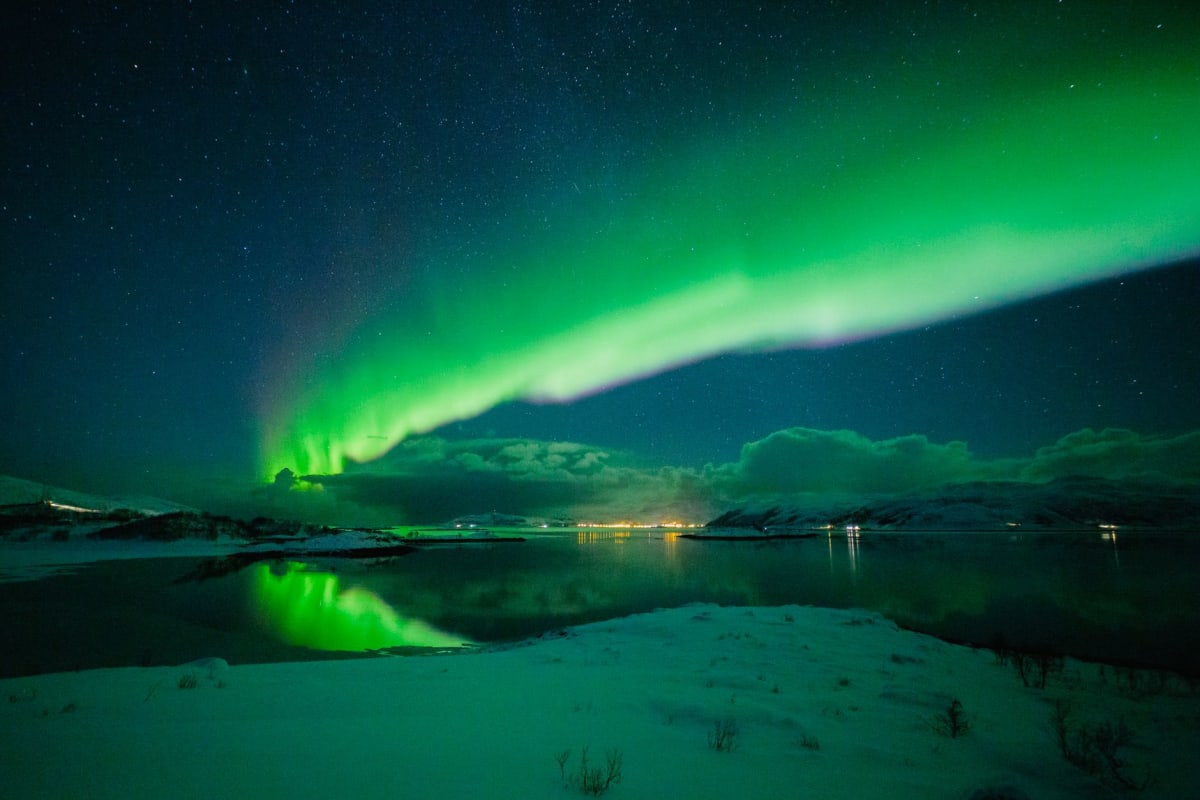
Tromsø is the gateway to the Arctic and the northern lights, a university city with an energy that defies its latitude. Read our notes on chasing the northern lights from Tromsø before you go; the aurora is never guaranteed, and the best trips allow several nights. Beyond lie the edges of the map: Nordkapp, a cliff at the top of Europe that feels more like an idea than a place, and Svalbard, where polar bears are a real concern and you do not leave the settlements without a guide.
Cities, mining towns and the middle
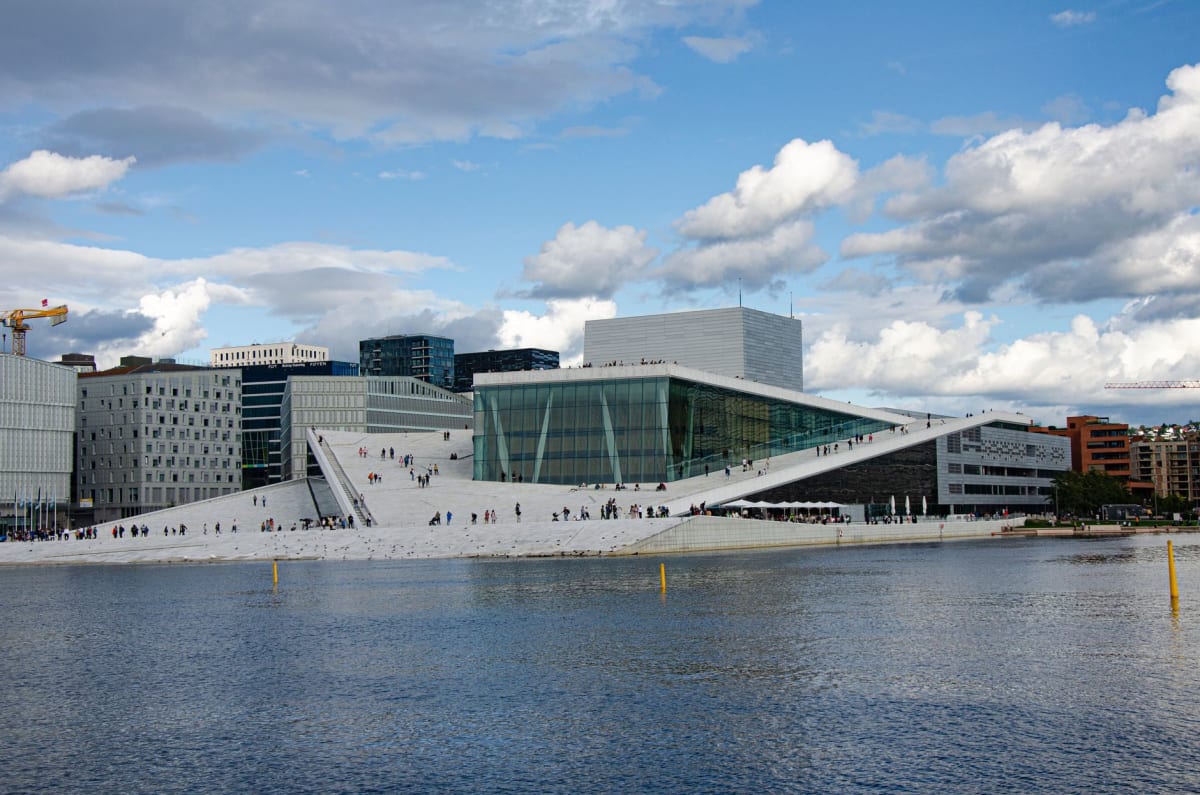
Norway’s cities are small and pleasant. Oslo has an opera house you can walk onto, a sculpture park by Gustav Vigeland, and the water of the Oslo Fjord at its doorstep, where ferries hop between islands. Trondheim is a medieval city with a great cathedral and a river lined with old warehouses. Inland, Røros is a UNESCO-listed copper-mining town of low wooden houses that feels preserved in a cold, clear light. The high mountain plateaus of Jotunheimen and Hardangervidda offer hiking across a landscape that feels older than civilization.
Eating and moving slowly
Food in Norway is better than its reputation. Fresh cod, salmon and shellfish are the pride of the coast, and in the Lofoten fishing villages you can eat fish that was in the sea that morning. Brown cheese, cinnamon buns and waffles with sour cream turn up in every mountain hut. I learned to fill a thermos, pack a lunch and eat it on a rock beside a fjord, which is both cheaper and, honestly, nicer than most restaurant tables. Alcohol is taxed heavily, so I treat a glass of wine in a restaurant as a luxury, and drink the excellent tap water everywhere else.
Planning
Norwegian distances are long and ferries and trains matter. Book the popular fjord trips and Lofoten accommodation well in advance for summer. Pack layers, because the weather changes quickly even in July. The right-to-roam tradition, called allemannsretten, lets you walk and camp on uncultivated land, but follow the rules about distance from houses and leave no trace.
When to go: June to August for the midnight sun, hiking, and Lofoten at its accessible best. Late September to March for northern lights, with peak viewing from November to February. Winter in the north is dark and cold and extraordinarily beautiful.
What most guides miss: They try to do Norway cheaply, and it shows. This is not a budget destination — fighting the prices leads to bad meals and missed experiences. Instead, plan fewer days and spend well. Wild camping is free and legal. Cook your own fish. Take the Hurtigruten coastal ferry. Norway’s beauty is free; the logistics are where the cost lives. Accept this and the country opens completely.
Photography: Pexels contributors.
Explore
Places in Norway
 norway
Alesund
An Art Nouveau jewel rebuilt from ashes on a cluster of islands, with fjords and the Atlantic Ocean at its doorstep.
Explore norway
Ålesund
A town rebuilt overnight in art nouveau style after an 1904 fire, spread across islands at the mouth of a fjord that leads to Geiranger.
Explore norway
Bergen
Norway's rain-kissed fjord city where colourful wooden wharves lean against mountains that disappear into cloud.
Explore norway
Flam
A tiny fjord village at the terminus of the world's most beautiful railway, where mountains plunge straight into emerald water.
Explore norway
Geirangerfjord
A UNESCO-listed fjord of impossible blue water flanked by sheer cliffs, cascading waterfalls, and abandoned mountain farms.
Explore norway
Hardangerfjord
The Queen of the Fjords blooms with apple blossoms in May, its orchards and thundering waterfalls composing a landscape of impossible pastoral drama.
Explore norway
Lofoten
An archipelago of jagged peaks rising from Arctic waters where fishing villages cling to the edge of the improbable.
Explore norway
Nordkapp
Europe's northernmost point, where a cliff drops three hundred metres into the Arctic Ocean and the midnight sun never sets.
Explore norway
Lofoten Nusfjord
One of Norway's oldest and best-preserved fishing villages in the Lofoten Islands, with red rorbuer reflected in the inlet.
Explore norway
Oslo
A compact capital where world-class museums meet the fjord and the forest begins at the end of the metro line.
Explore norway
Oslo Fjord
The inner Oslo Fjord archipelago offers swimming islands, sailing, and a granite-and-pine wilderness minutes from Scandinavia's most culturally rich capital.
Explore norway
Roros
A UNESCO-listed wooden mining town on a high plateau where temperatures drop to minus 40 and the silence in January is total and transformative.
Explore norway
Ryfylke Fjords
Inland fjords east of Stavanger lined with fruit orchards and almost no tourist infrastructure despite spectacular scenery.
Explore norway
Stavanger
An oil-rich coastal city with a white-washed old town and the trailhead to Norway's most thrilling hike.
Explore norway
Svalbard
A High Arctic archipelago where polar bears outnumber people and glaciers meet the sea at the edge of the habitable world.
Explore norway
Tromso
The Arctic capital of northern Norway where the aurora dances above a city alive with culture, whale watching, and midnight sun.
Explore