
Mae Sariang
"I came through Mae Sariang intending to stop for lunch. I stayed for two days."
Mae Sariang sits on the Yuam River in the south of Mae Hong Son province, far enough from the tourist circuit that the guesthouses don’t put flowers on the pillows and nobody asks where you’re from. The road south from Mae Hong Son follows the river for long stretches, dropping from mountain heights to the flat valley where the Yuam moves wide and brown, and arriving in Mae Sariang feels like sinking into warm water after a long drive — the town is calm in a way that isn’t performative. It just has no particular reason to be otherwise.
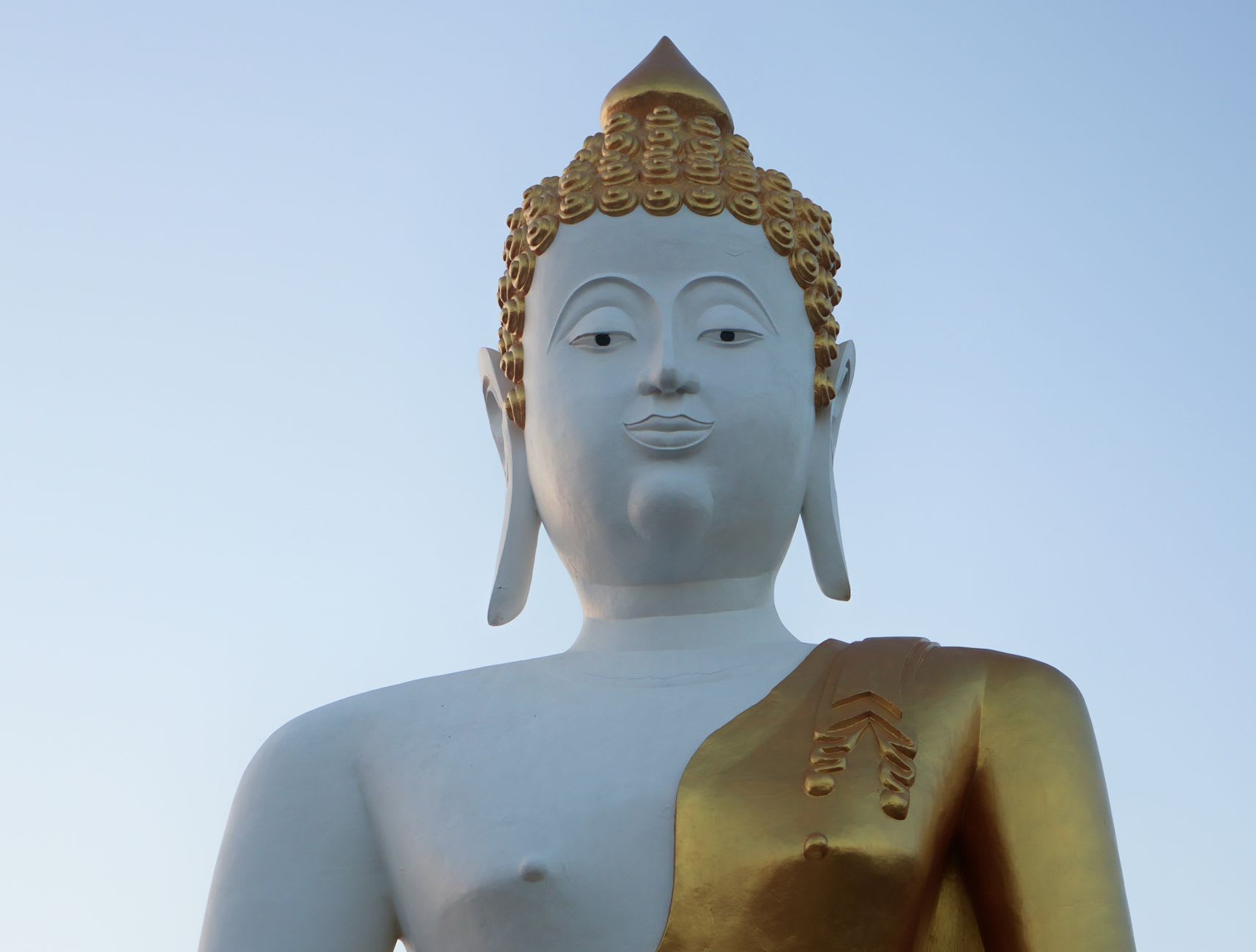
The shophouses along the main street are two-story wooden ones, leaning slightly forward in the way of old buildings that have been added to incrementally, and several of them date from the teak trade era when this was a significant river crossing point. The Burmese character of the town shows in the temples: Wat Jong Sung and Wat Utthayanon are both in the Burmese-Shan style, whitewashed with layered spires and dark teak interiors, and both feel genuinely active — monks studying, novices sweeping courtyards, donations of flowers and candles arranged by people who clearly know the temple well. I sat in the courtyard of one of them on a late afternoon and watched a novice monk practice the same section of chanting, stopping and starting, for about forty minutes. Nobody was watching him but me, and I didn’t want to leave.
The food in Mae Sariang follows the Shan template: rice with several small dishes, things made from dried and fermented ingredients, sour curries with pork, noodle soups light enough to eat for breakfast. There’s a night market on certain evenings along the river promenade that sets up around dark and serves sticky rice, grilled fish, and kai yang — northern-style roasted chicken seasoned with lemongrass and herbs — to a local clientele that is not there for the ambiance. I ate at a folding table three feet from the river and watched the lights on the opposite bank and thought: this is Mae Sariang being exactly itself.
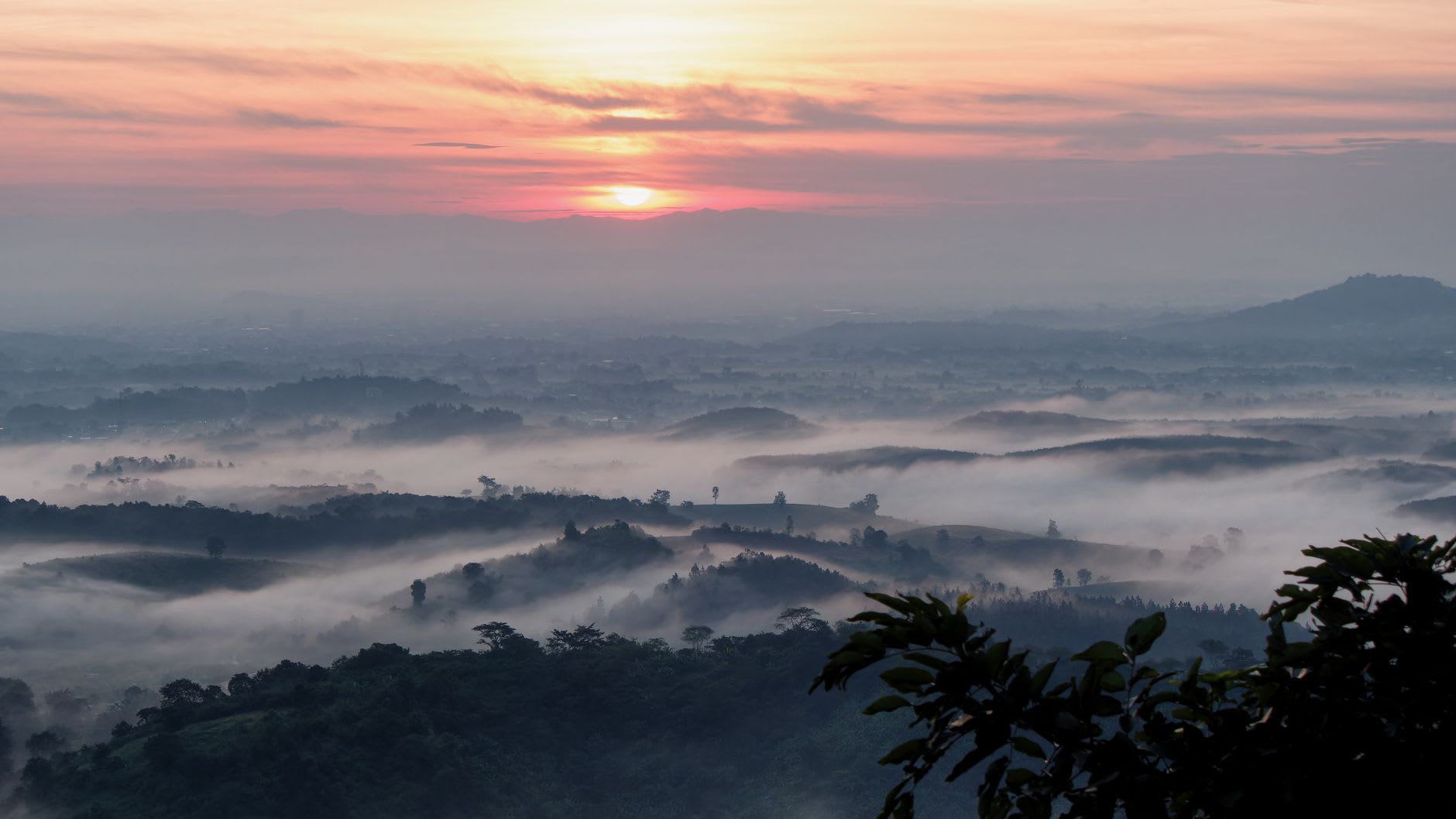
From Mae Sariang, a dirt road leads west toward the Thai-Myanmar border at Mae Sam Laep, where the Salween River runs wide and fast between the two countries. The crossing itself is not open to independent foreign travelers, but the approach road passes Karen villages that have been here since long before either country’s border was fixed in its current location, and the sense of being at the edge of something — political, geographic, historical — is unmistakable. I turned around before the checkpoint and drove back to town slowly, through rice paddies going gold in the afternoon, and felt no need for it to be anything more than it was.
When to go: November to February for the best road conditions and clear views toward the Myanmar hills. The Mae Hong Son loop is best completed in this window, as mountain road sections can become dangerous during the rains. May to October is genuine deep season here — the town is even quieter, the river higher, and you will likely have guesthouses almost to yourself.