
Mae Salong
"The old man pouring our tea had been a soldier in an army that lost a war seventy years ago and never went home."
You climb to Mae Salong, and the climb is part of understanding it. The road switchbacks up out of the lowlands of Chiang Rai province until you’re at around 1,200 metres, the air cools, and the vegetation changes to tea. The town’s official name is Santikhiri — Hill of Peace — but everyone still calls it Mae Salong, and its story is one of the stranger footnotes of the twentieth century. After the Communists won China’s civil war in 1949, remnants of the Nationalist 93rd Division retreated across the border through Burma and eventually settled here, in mountains that reminded them of Yunnan. They were never repatriated. They grew tea, raised families, and built a town that to this day feels like a piece of southern China grafted onto a Thai hillside.
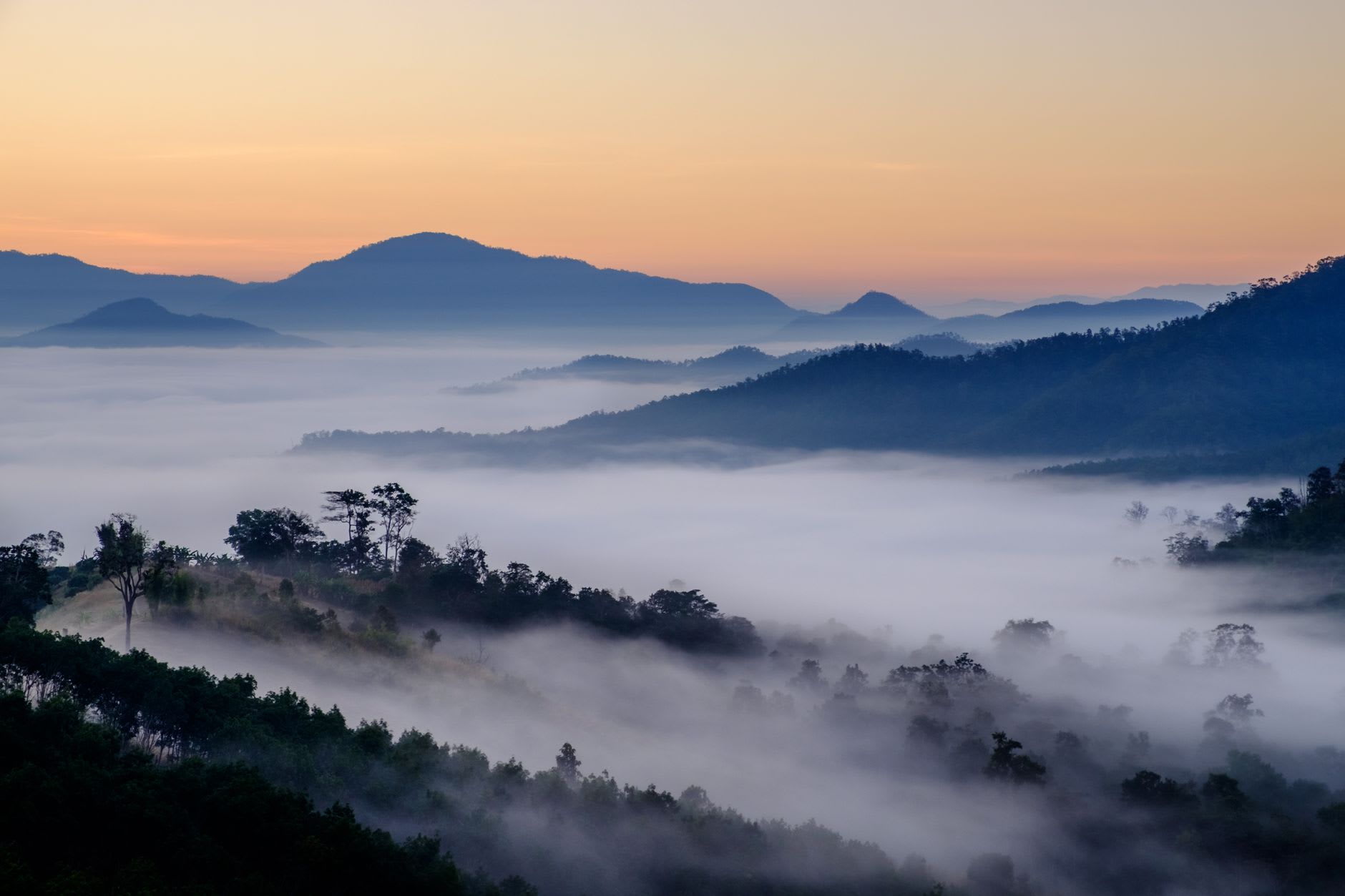
Tea, and the people who grow it
We came mainly for the tea, and the tea delivered. The hills around the town are terraced with oolong bushes — the cultivars came from Taiwan in the 1980s, when Taipei helped the old soldiers convert from opium to a legal crop — and the result is some of the best oolong made outside Taiwan. We spent a morning at a family tea house where the owner, a man well into his eighties, walked us through tasting after tasting in tiny cups, refilling them faster than we could drink. He’d been a soldier in an army that lost a war seventy years ago and never went home, and he told the story without bitterness, the way you tell something that’s simply true.
The food is the other reason to come, and for Lia it was the main one. This is Yunnanese cooking, not Thai: steamed buns, braised pork leg with mantou, fermented mustard greens, hand-pulled noodles in clear broth, and a chili-heavy stewed pork that we ate two days running because it was that good. The morning market sells black chickens, fresh tofu, and bundles of mountain herbs, and the conversations around the stalls happen in a Yunnanese dialect of Mandarin as often as in Thai.
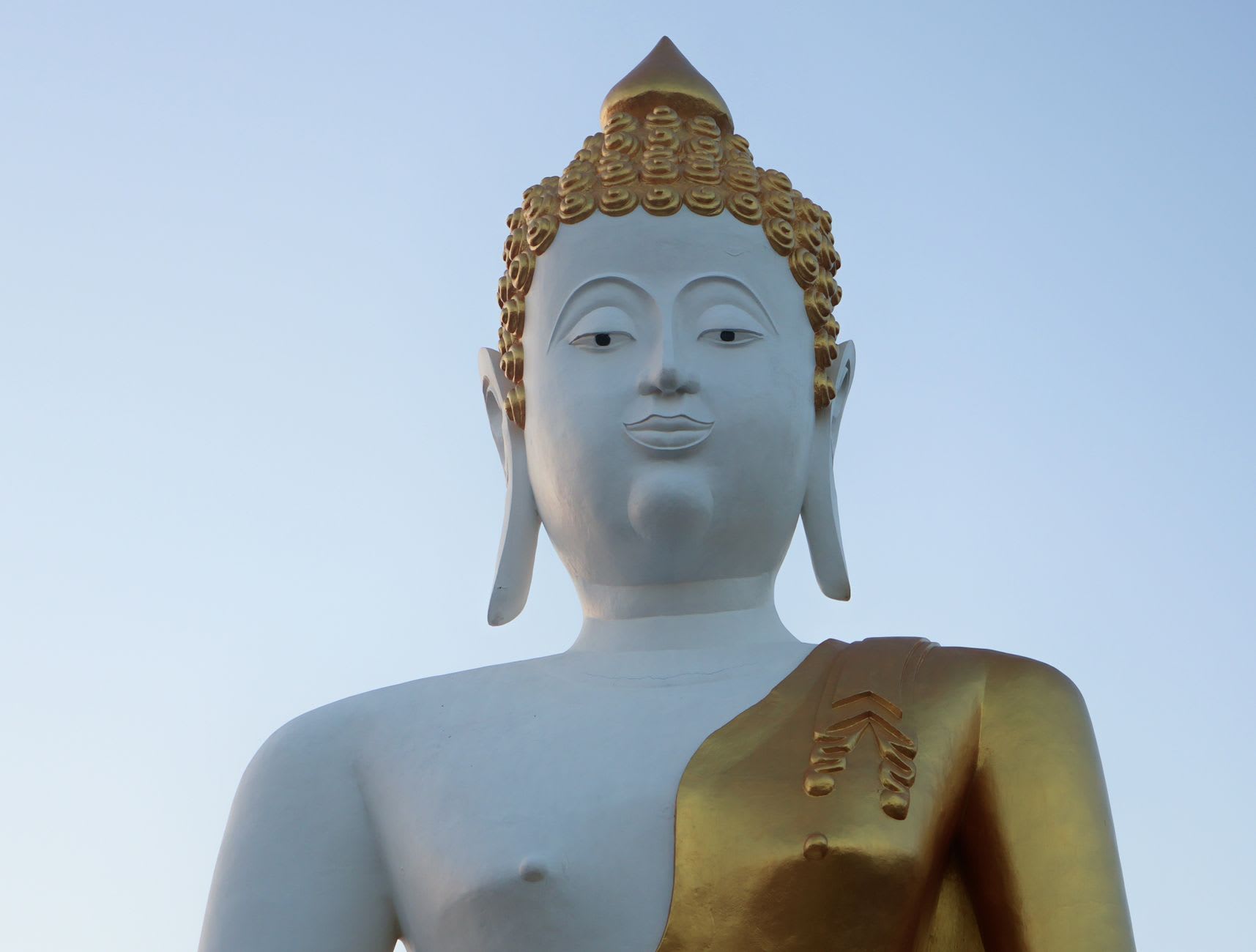
The town and the views
Above the town, a long stairway climbs to the Phra Boromathat Chedi, a hilltop stupa with a view across the whole tea-terraced range that, on a clear afternoon, runs all the way to the ridgelines of Myanmar. There’s also the tomb of General Tuan, the division’s last commander, which the town maintains with a care that tells you the history here is not abstract. I’ll be honest that Mae Salong has started to lean into its own picturesqueness — there are guesthouses styled for the photo, and the tea hard-sell can get tiring. But sit with an old grower for an hour, eat the noodles, and the place rewards you well beyond the postcard.
When to go: November to February for cool, clear mountain weather and the best light on the terraces. Late December and January bring cherry blossoms to the hillsides, which sounds like marketing until you see it. The rainy months from June to September shroud everything in cloud, which is atmospheric but hard on the views.