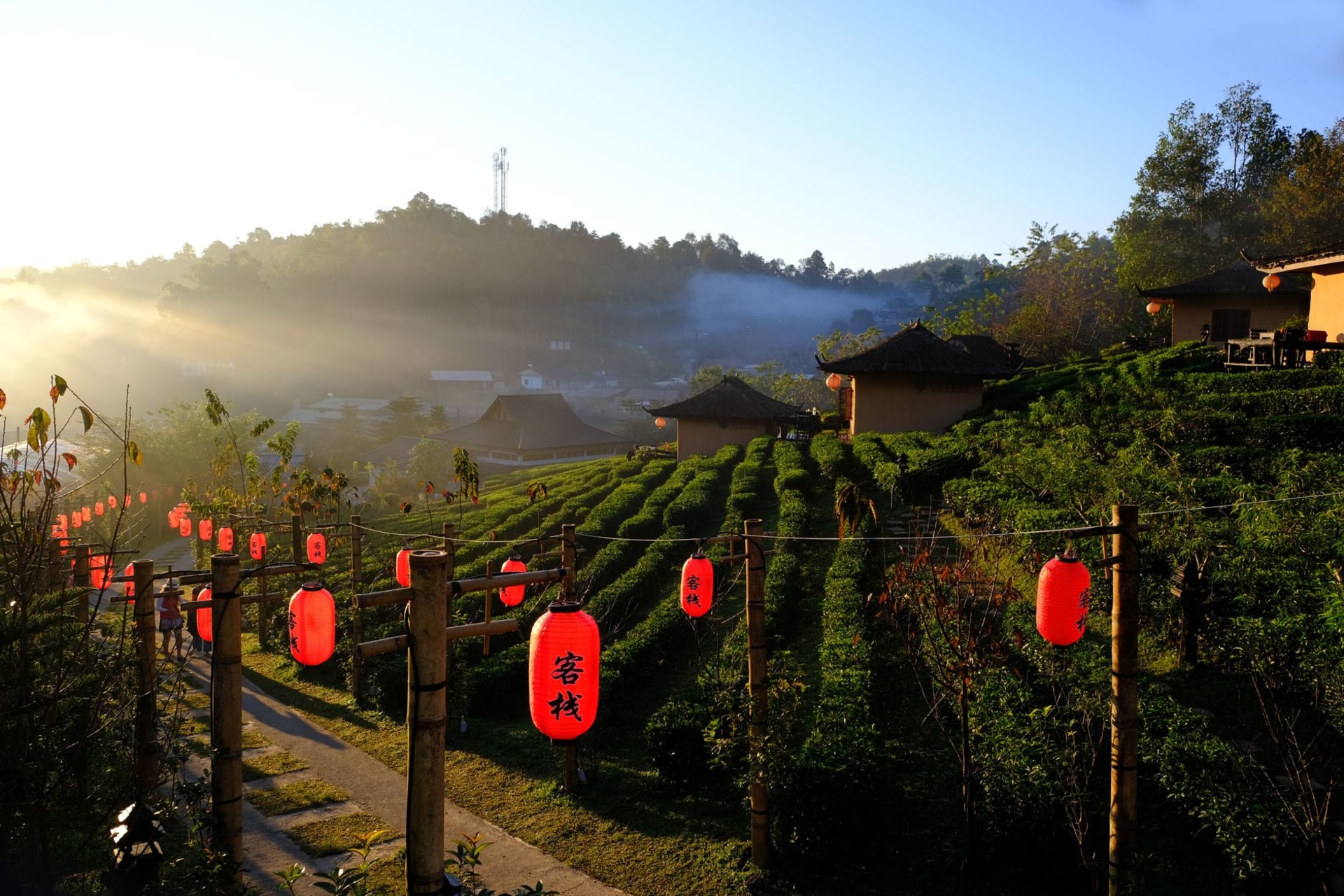
Mae Hong Son
"The morning fog was so thick I couldn't see the lake, only the temple spires floating in white."
Mae Hong Son was the last posting in Thailand you wanted, historically — remote, malarial, cut off for months by rain. The town sits in a mountain valley connected to the world by one road that took 1,864 curves to build, and for decades that isolation preserved something busier places have lost. I came in on an evening flight from Chiang Mai, fifteen minutes that covered terrain the road takes four hours to cross, and stepped out into air that smelled unmistakably of somewhere near Myanmar: wood smoke, marigolds, and something fermented I never identified.
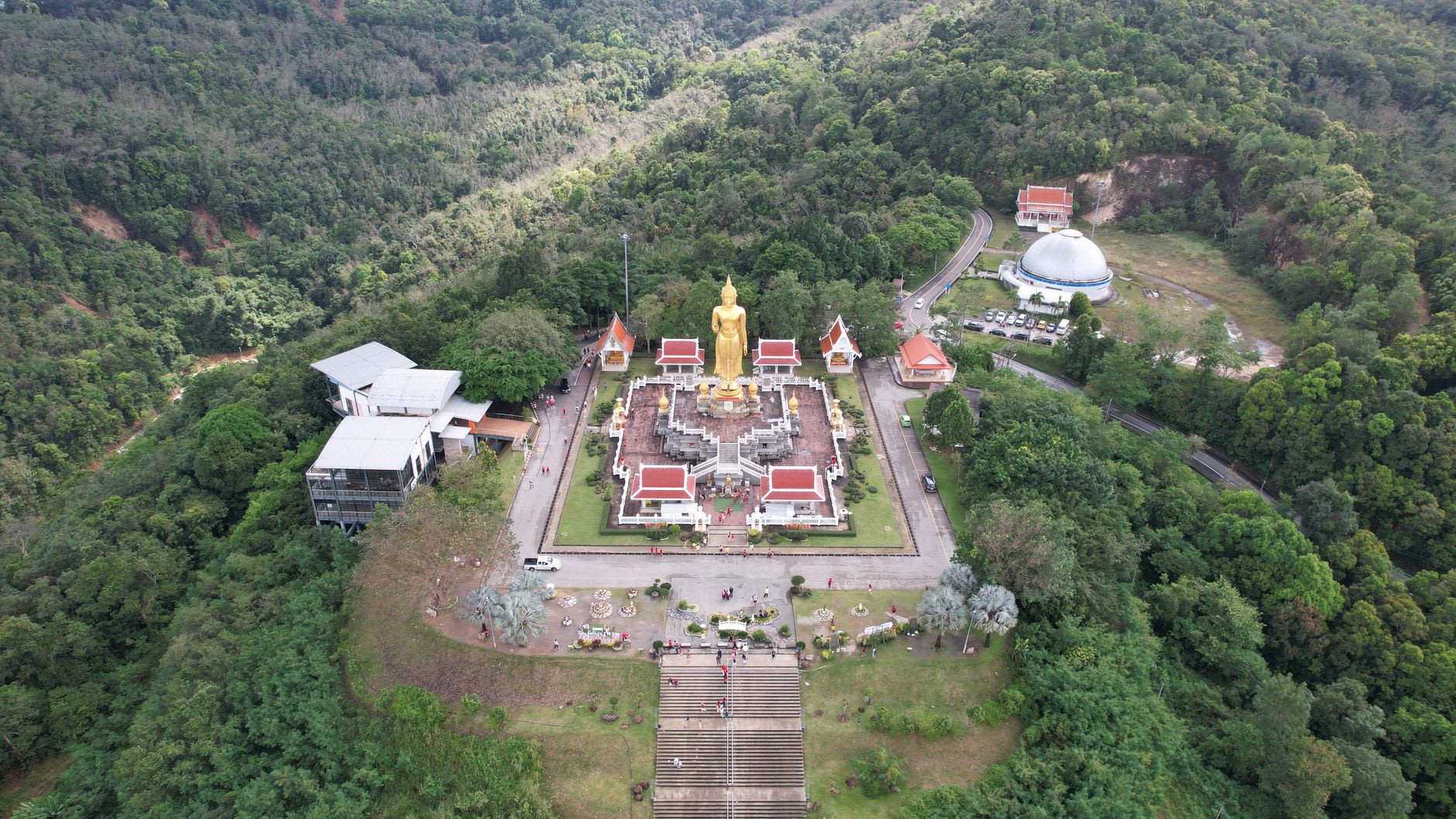
The town centers on a small lake — Chong Kham Lake — and the two temples on its edge are among the most photographed in Thailand for good reason. Wat Jong Kham and Wat Jong Klang, both in Burmese-Shan style, have white-and-gold spires that reflect in the water perfectly on still mornings. At five-thirty I walked down to the lakefront and found the fog so thick the opposite bank had vanished, only the temple tops floating free above the white. A line of monks crossed the wooden bridge in orange, visible for a moment and then gone. It was one of those accidental compositions that travel occasionally offers and you cannot engineer.
The market at Mae Hong Son is where the town’s mixed identity makes itself legible. Karen, Shan, and Burmese vendors sell alongside Thais, and the produce reflects the altitude: long beans, highland mushrooms, dried fish from the Salween, greens I saw nowhere else in Thailand. The food follows the Shan tradition — rice plates with a dozen small accompaniments, sour curries made from pickled vegetables, noodle soups lighter and more fragrant than their Bangkok equivalents. I ate at a family restaurant down a lane off the main road three evenings in a row, pointed at things, paid almost nothing, and left each time in a state of comfortable bewilderment.
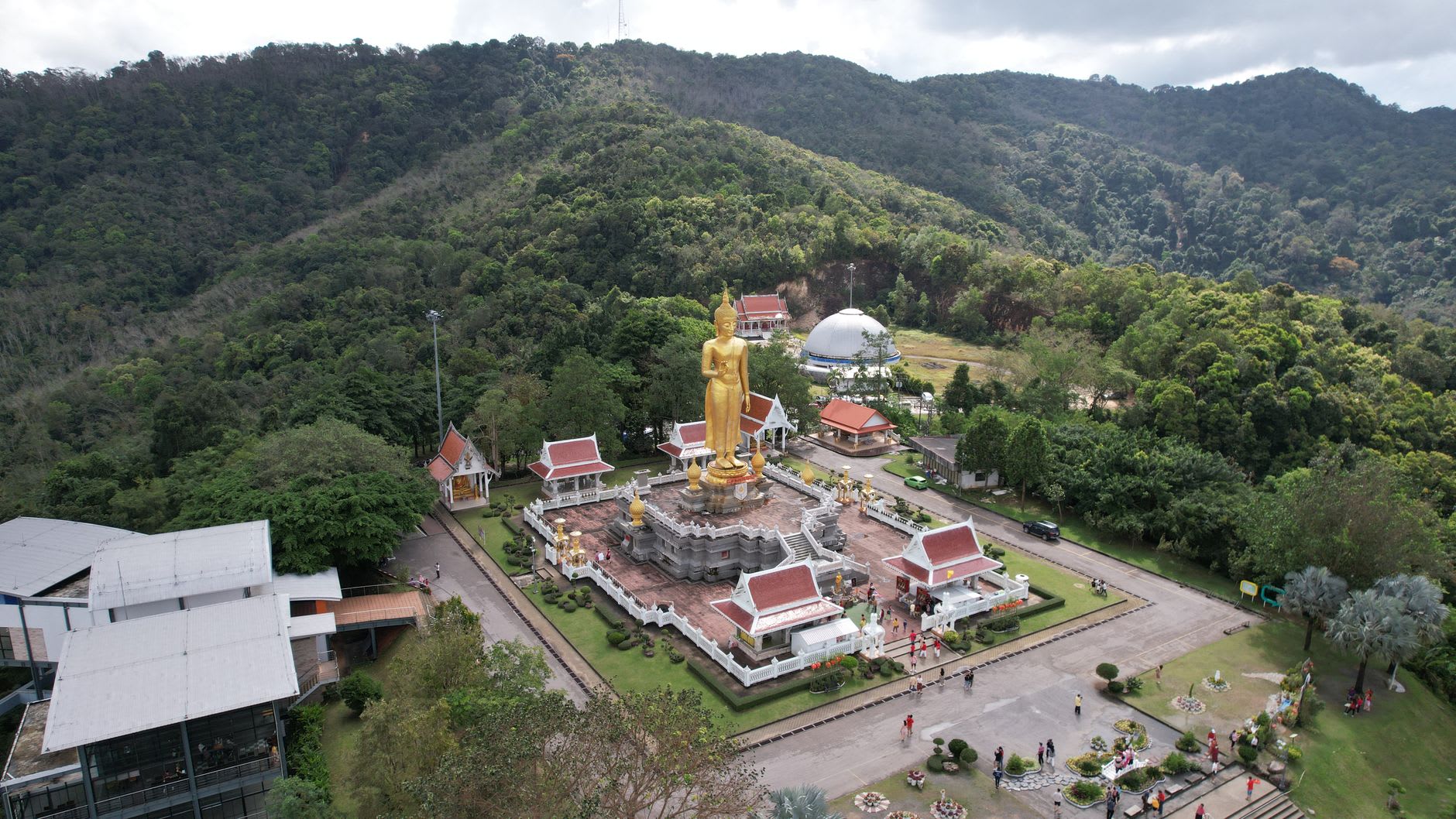
The surrounding villages require more thought than most travel writing admits. The long-neck Kayan women seen in brochures live in villages near the border, and the ethics of visiting are genuinely complicated — these are displaced people in a difficult situation. I chose not to visit those particular villages but spent a morning at a Karen weaving cooperative instead, where the actual work was visible and the money went directly to the weavers. In the afternoon I walked to the viewpoint above town and watched the valley fill with cloud from below, the mountains of Myanmar going dark at the edges, and felt as far from anywhere I had come from as it is possible to feel.
When to go: November to February for the famous fog and cool mornings — this is when Mae Hong Son is at its most atmospheric. The narrow mountain road is best navigated in the dry season. The rains from June to October turn the valley intensely green, but flights are more reliable than driving. March brings smoke season that can ground flights entirely.