
Lampang
"Lampang is the only Thai city that still uses horse-drawn carriages — not for tourists, but because nobody ever stopped."
Lampang is one of those Thai cities that gets skipped between Chiang Mai and Chiang Rai, a transit stop the bus barely slows for. I stopped for a night and extended it to three days, which is the oldest story in travel writing and happens to be entirely true. The horse-drawn carriages are not a stunt or a heritage park recreation — they operate as the city’s informal tuk-tuk equivalent, the drivers waiting at established stands near the market and the train station, their horses wearing flower garlands and walking at a pace that makes the city’s already gentle tempo feel positively contemplative. I took one to the morning market and arrived before I expected to and after I needed to and didn’t mind either.
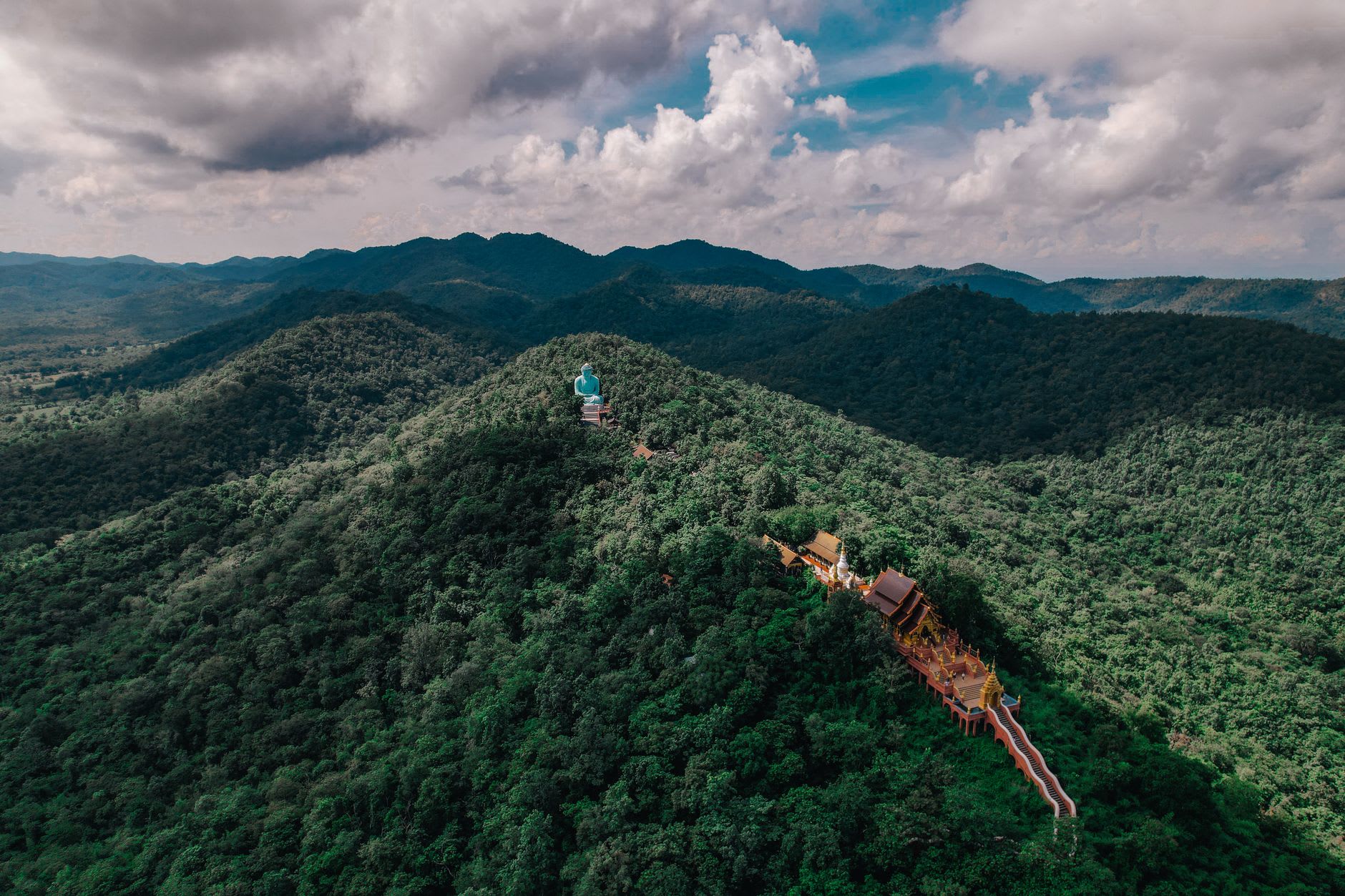
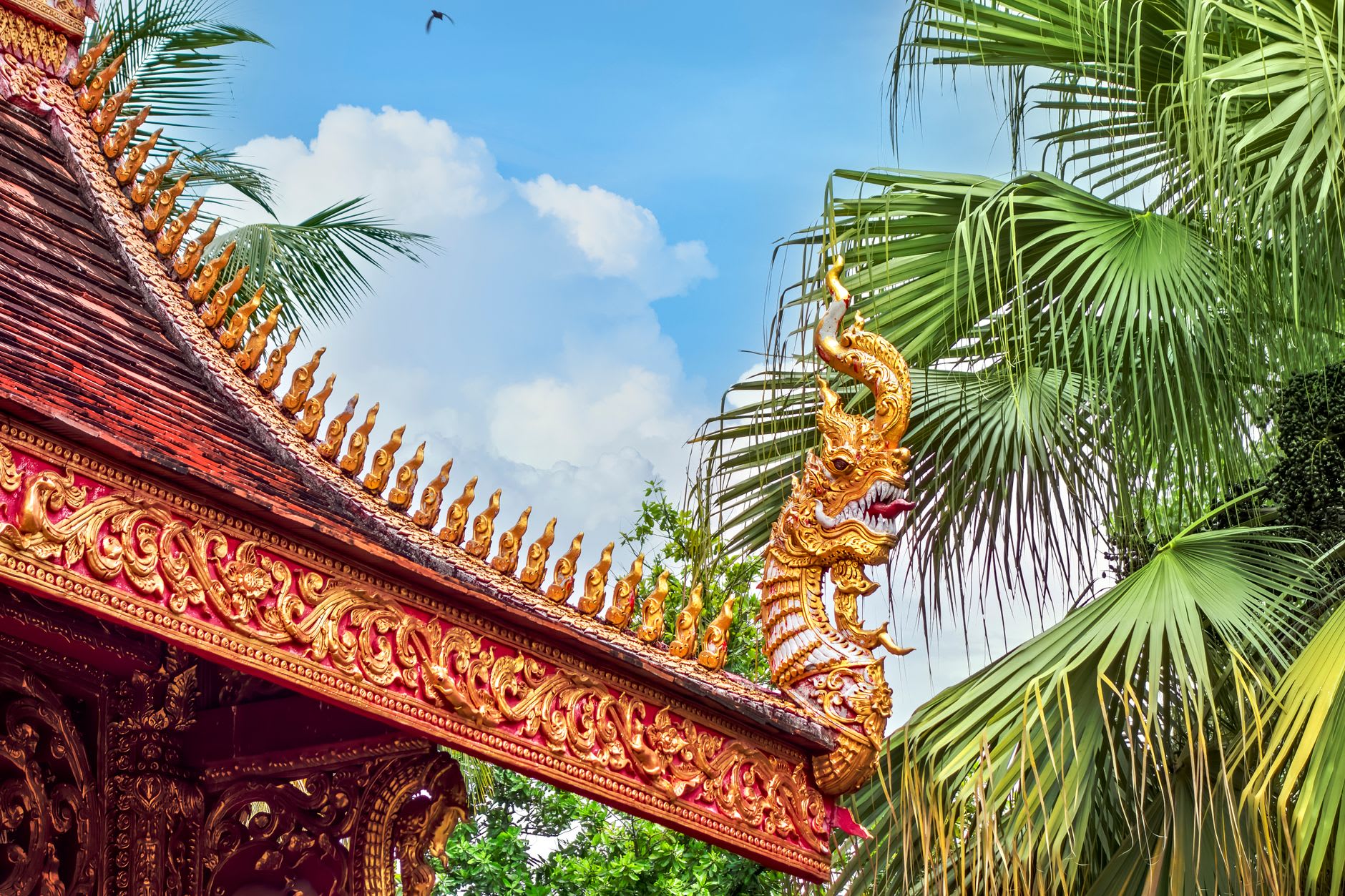
Lampang was the center of the teak industry in northern Thailand during the colonial era, when British-owned teak companies employed Burmese workers who brought their architectural traditions with them. The result is a collection of Burmese-Shan temples unlike anything else in Thailand. Wat Phra That Lampang Luang, a fortified temple complex with a fifteenth-century chedi encircled by whitewashed walls, contains the Luang Pho Tan Chai Buddha image, one of the most venerated in the north, and the smaller Wihan Nam Tam chapel produces a camera obscura effect through a pinhole in the wall — the image of the golden chedi projected upside down onto a cloth inside. I spent ten minutes watching this before I understood what I was looking at, and then ten more minutes because it was beautiful.
The Wang River bisects the city and the area along its southern bank, Talad Gao — the old market — preserves shophouses from the teak era, now housing coffee shops and fabric stores alongside hardware suppliers and rice merchants who seem to have been there since the 1930s. The cooking reflects the cultural mix: northern Thai food alongside Burmese dishes, the kanom jeen — rice noodles in curry broth — served from dawn with a dozen side dishes. A woman near the morning market made coconut milk desserts in tiny cups, a specific confection I saw nowhere else in Thailand, and sold them for five baht each.
South of the city, the Thai Elephant Conservation Center is one of the more ethical elephant operations in Thailand — focused on mahout training, rescue, and medical care rather than tourist rides. I spent a morning watching bathing routines and hearing from the vet about the rescue program. Lampang’s entire history is entangled with elephants: they hauled the teak, they built the temples, they made this part of northern Thailand what it is. The center makes that history feel like something still alive rather than something concluded.
When to go: November to February for the clearest days and comfortable warmth — Lampang sits in a valley at lower altitude than Chiang Mai and stays pleasant in the cool season. It works naturally as a stop between Chiang Mai and Sukhothai, or as a day-trip base for the surrounding temple complexes. Weekdays are better than weekends when the market areas draw Thais in from Chiang Mai.