
Chiang Mai
"Chiang Mai is a city you mean to leave in three days and don't leave in three weeks."
I arrived just before five in the morning, the overnight bus from Bangkok depositing me on the edge of the moat with my bag and no plan. The old city wall was still standing around me in the dark, and across the water the silhouette of Doi Suthep’s temple sat on the mountain like something pinned there deliberately. I ate a boiled egg from a cart operated by a woman who had clearly been up since midnight and walked through the Tha Phae Gate before the tuk-tuks found me. That hour — the city barely breathing, the monks already moving — told me everything I needed to know about the place.
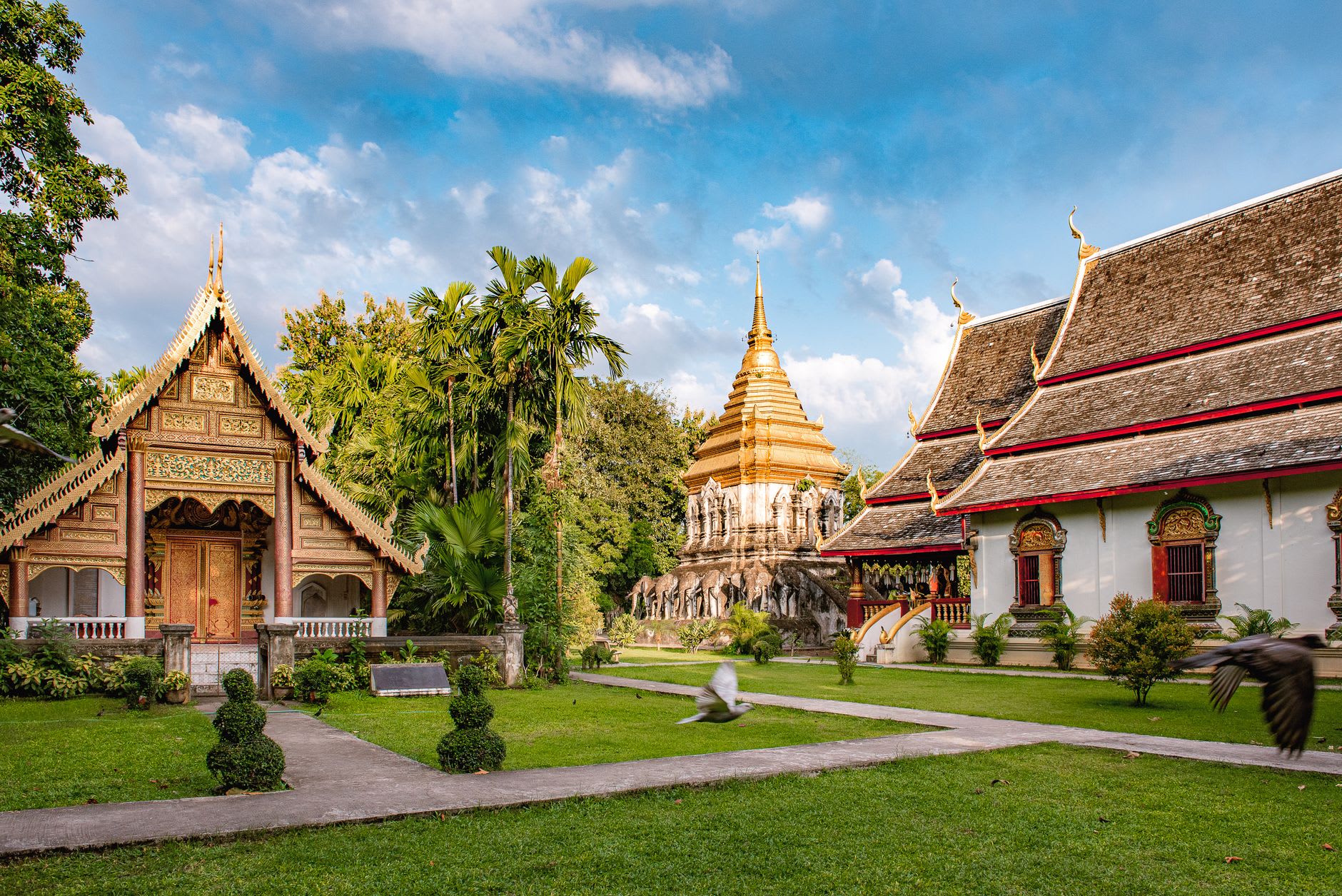
The old city is a near-perfect square, ringed by the moat and what remains of the walls, and inside those boundaries live more temples per block than seem reasonable. Wat Chedi Luang is the grand one, its central chedi partially collapsed by an earthquake five centuries ago and left that way, which is more interesting than any restoration would have been. Wat Phra Singh holds the Phra Singh Buddha, deeply venerated and genuinely serene. But the temples I liked best were the small ones with cracked naga railings and resident cats, found by turning down lanes that had no signage. The old city rewards walking slowly and not knowing where you are going.
The eating, though, is what keeps people here. The night bazaar and Sunday walking street along Wualai Road fill with vendors, but the real discoveries come earlier. At Ton Payom market near the university, stalls open at six with things I could not always identify: small bitter fruits, herbs dried and pounded, rice-flour wrappers filled with things I pointed at and trusted. Khao soi — the northern curry noodle soup — appears everywhere, but the version at a woman running three tables from her house off the Nimman side streets was the one I kept returning to: rich coconut curry, braised chicken falling from the bone, crispy noodles dissolving into the broth at exactly the right rate.
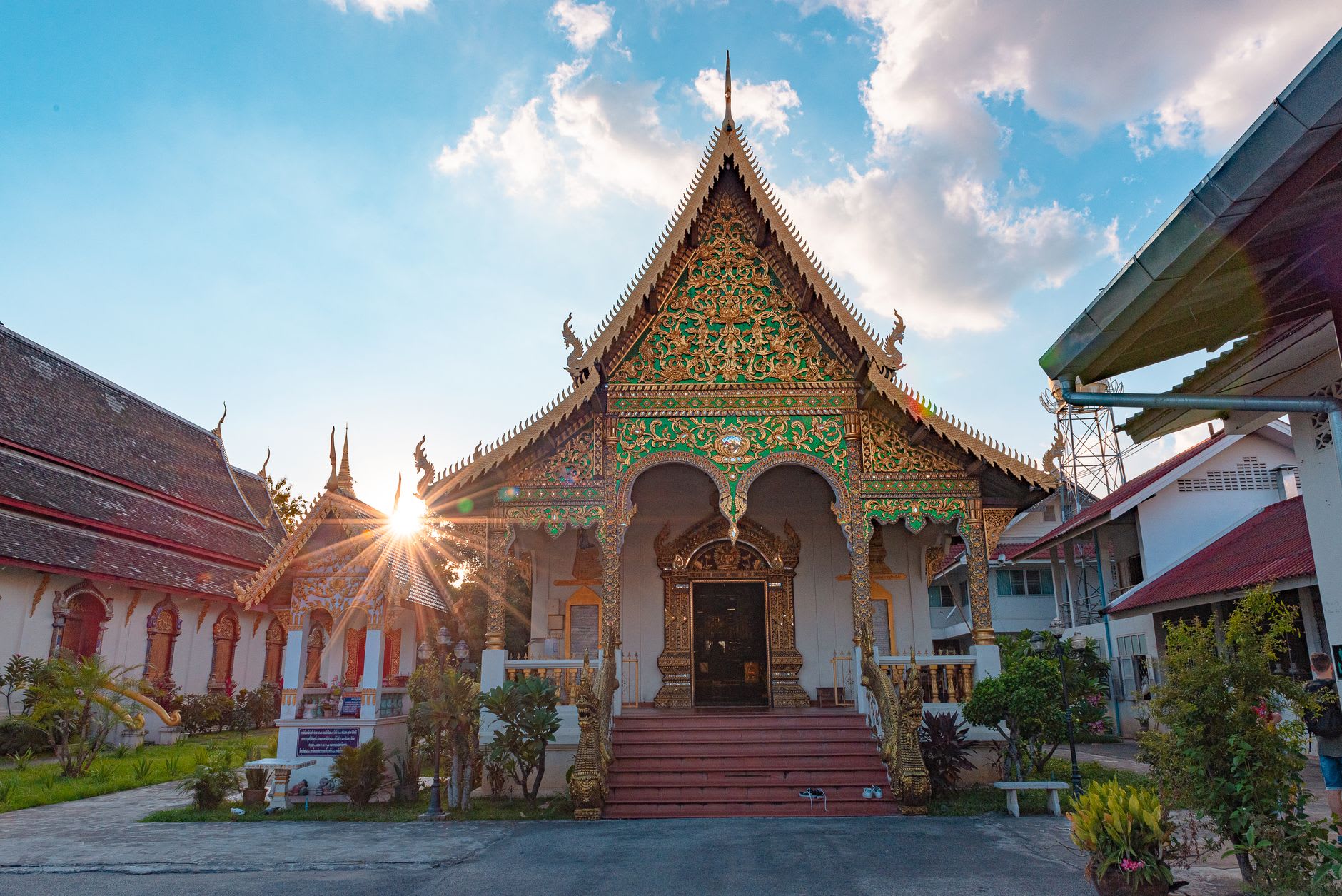
Above the city, Doi Suthep requires a visit that most people do wrong. The temple at the top is spectacular — gold chedis visible from thirty kilometers away — but the monks’ forest monastery halfway up, Wat Pha Lat, sits in a waterfall ravine on an old pilgrim’s path and sees a fraction of the traffic. I walked up through that forest at eight in the morning with no one ahead of me and sat by a mossy pond while a novice monk swept leaves nearby. Nobody needed me to do anything. That is the gift Chiang Mai gives, to those who stop moving long enough to receive it.
When to go: November through February for cool, clear air and comfortable evenings — the valley can drop to 10°C at night in December. Avoid March and April when agricultural burning makes the air thick with smoke. The rainy season from June to October brings lush green hills and quieter streets, though occasional flooding affects the moat area.