
Chiang Dao
"I had forgotten that mountains could feel that big until I slept underneath one."
I had been in Chiang Mai for a week when a guesthouse owner drew me a map on a napkin and said go to Chiang Dao on your way north, stay at least two nights, don’t go directly to the caves. That last instruction puzzled me until I understood: the caves are not the point. The mountain is the point. Doi Chiang Dao, Thailand’s third-highest peak, is a limestone massif that rises so abruptly from the valley floor that approaching on the highway north, it appears as a vertical fact rather than a gradual landscape feature. I saw it from thirty kilometers away and spent the rest of the drive watching it get taller.
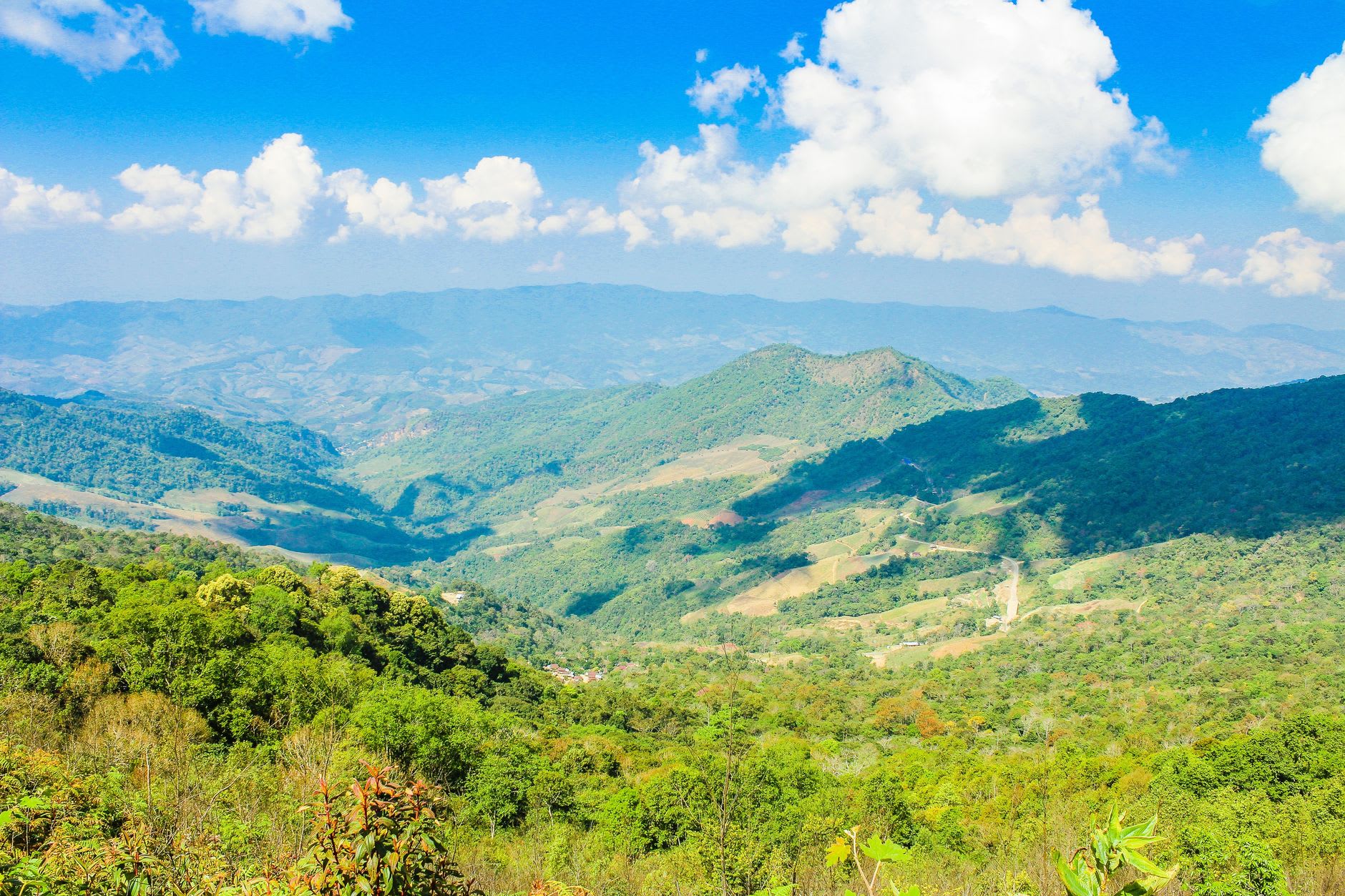
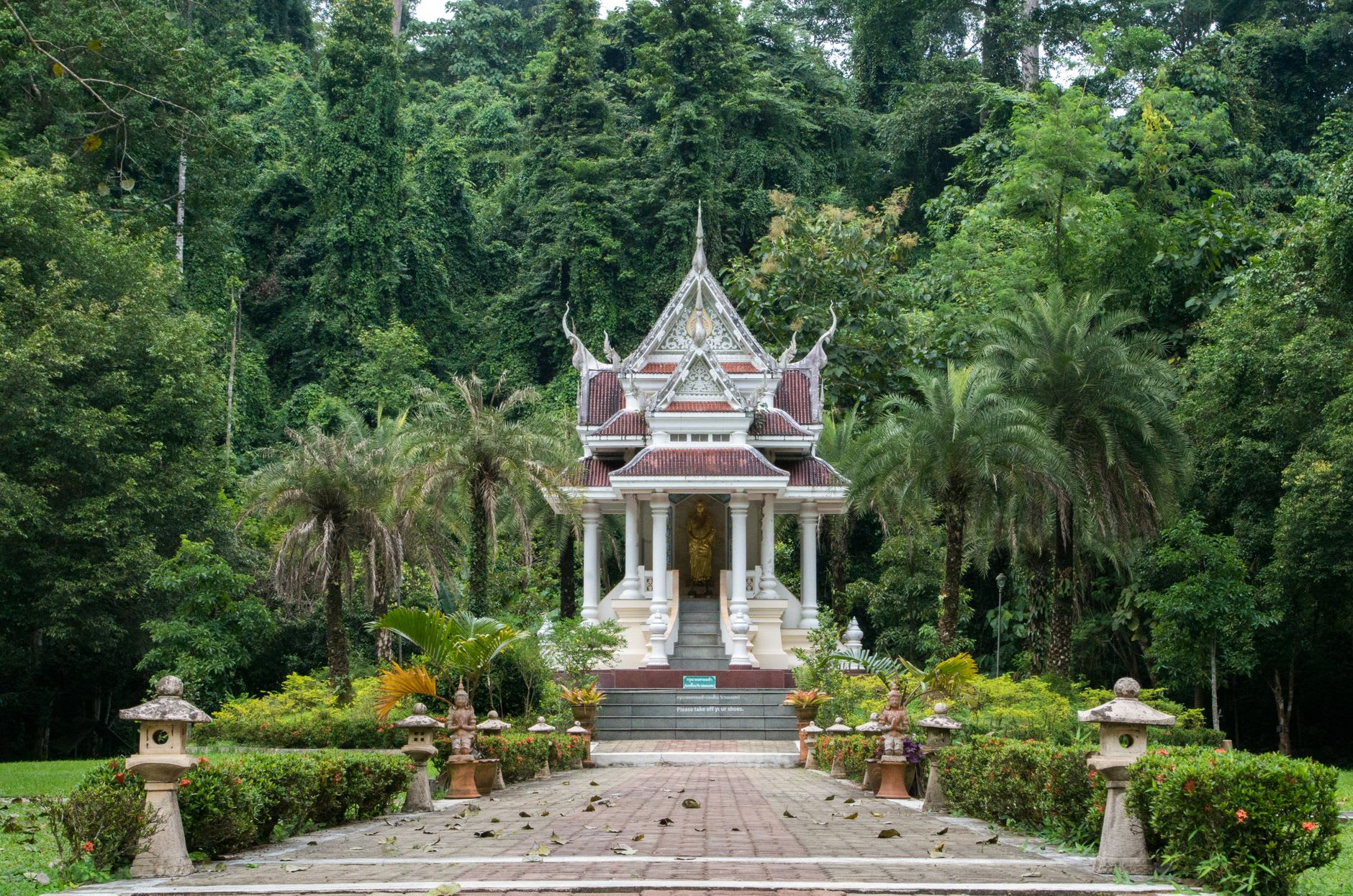
The town of Chiang Dao is one main road and a market, and the accommodation cluster has developed enough to attract serious birdwatchers and walkers without turning into a resort. I stayed at a small guesthouse in the garden of a family who grew their own vegetables, and breakfast every morning was whatever the mother had made: sometimes rice porridge with ginger, sometimes eggs with herbs I couldn’t name. The caves — Tham Chiang Dao — are a genuine pilgrimage site, a series of chambers extending deep into the limestone hill with Buddha images set at intervals in the dark, candlelit and slightly overwhelming. The outer chambers are touristy and lit with fluorescent bulbs, but the deep inner cave requires a lantern and a guide and is entirely different: cold, silent, the sound of dripping water, the guide’s lantern making enormous shadows on the walls.
The birding here is exceptional and I am not a birder, but the pre-dawn silence that serious birders get up for — sitting before five on the porch in cold darkness, hearing what the forest produces before light — is worth the alarm clock regardless of whether you know what you’re hearing. I sat there with a cup of coffee on my second morning and counted what sounded like twelve different species in the trees around me, without being able to name a single one. That is, as it turns out, sufficient.
The village market on certain mornings draws hill tribe vendors from the mountains — Lisu and Lahu women with elaborate embroidered clothing, selling bundles of vegetables, live chickens, and tobacco. The produce is a lesson in altitude: everything here grows a few degrees cooler than the valley markets of Chiang Mai, and the flavors follow accordingly. I bought dried mushrooms of a type I couldn’t find anywhere else in the country and carried them home to Mexico with the unrealistic plan of recreating something I had eaten standing up in a mountain market in northern Thailand.
When to go: November to February brings the clearest conditions and the most active bird activity at dawn. The limestone mountain creates its own microclimate and mornings can be very cold by Thai standards. March to May is hot and hazy with burning smoke. The rainy season from June to October turns the valley luminously green and reduces the crowds to almost nothing.