Tiwi Islands
"The Tiwi will tell you, cheerfully, that they are not Aboriginal mainlanders — they're Tiwi, and that distinction matters more than tourists usually realise."
Bathurst and Melville Islands, home to a distinct Tiwi culture, football-mad communities, and some of the boldest contemporary Aboriginal art in the country.
The ferry from Darwin to Bathurst Island takes about two and a half hours across the Timor Sea, and I spent most of it being quietly corrected by a fellow passenger, a Tiwi woman heading home to Wurrumiyanga, on the difference between Tiwi culture and the broader Aboriginal Australia narrative I’d absorbed from a week in Kakadu and Arnhem Land. The Tiwi Islands — Bathurst and Melville, plus several smaller islands — were isolated enough from the mainland for long enough that Tiwi people developed their own language, their own kinship systems, and an art tradition that looks nothing like the dot painting most visitors expect.
Wurrumiyanga, the main community on Bathurst Island, centres around the Patakijiyali Museum and the Tiwi Design art centre, where I watched printmakers working with bold, geometric screen-printed patterns in ochre, black, and white that draw on Pukumani burial pole traditions rather than the desert iconography further south. The pukumani poles themselves — tall, carved and painted memorial posts used in mortuary ceremonies — are extraordinary objects, and the ones on display at the museum are treated with the gravity they deserve rather than positioned as photo props.
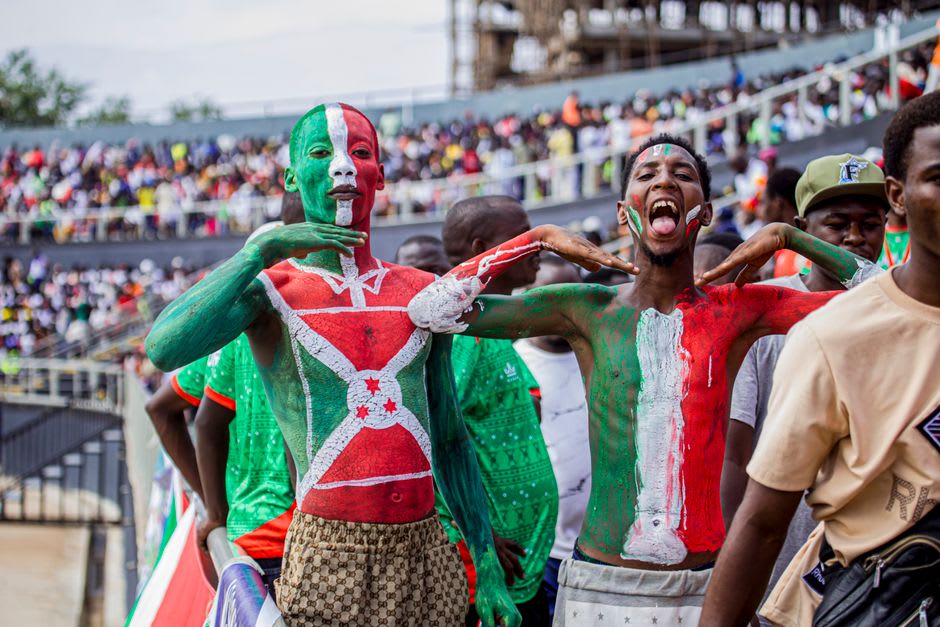
Football turned out to be the other unavoidable topic. The Tiwi Islands are famously, disproportionately football-obsessed — the Tiwi Islands Football League Grand Final each March draws crowds that outnumber the resident population several times over, with players painted in full team colours and body art performing a ceremonial march before kickoff that has nothing in common with an AFL pre-game routine on the mainland. I wasn’t there for grand final day, which everyone I met treated as a personal tragedy on my behalf, and told me to come back in March without exception.
Visiting requires a permit and, practically speaking, a booked cultural tour — this isn’t a place to arrive independently and wander, both because access is restricted and because the islands aren’t set up for casual tourism. The tours run by Tiwi-owned operators are worth every dollar; the guide who walked me through Wurrumiyanga knew the story behind every painting in the art centre and every carved pole outside the church.
When to go: The dry season, May through October, for reliable ferry crossings and comfortable walking weather. Book the Tiwi Islands Football League Grand Final trip in March well in advance — it’s the single best window into the culture and it sells out.
Keep exploring
More from Northern Territory
 northern-territory
 Uluru
The sacred sandstone heart of Australia that earns every superlative by defying all of them.
Explore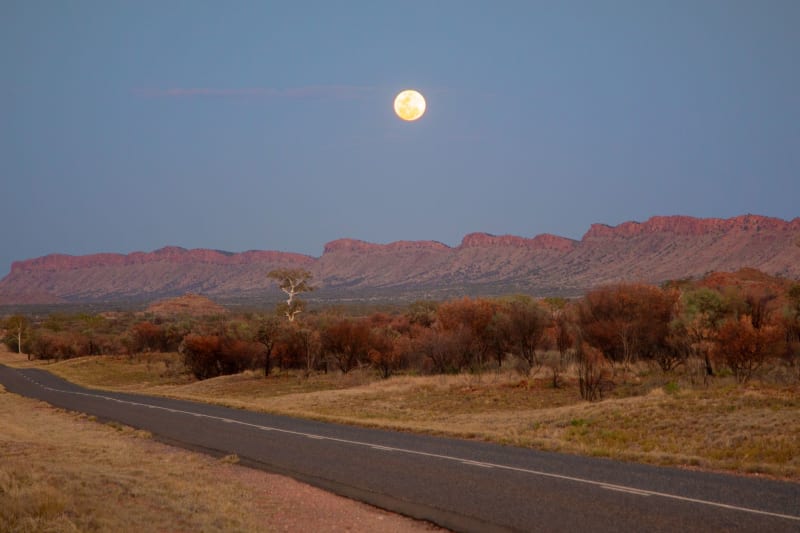 northern-territory
 Alice Springs
The outback town at the geographic heart of Australia, stubbornly alive in country that gives no quarter.
Explore northern-territory
 Arnhem Land
A vast, permit-only Aboriginal territory where Yolŋu culture is not preserved behind glass but is simply ongoing.
Explore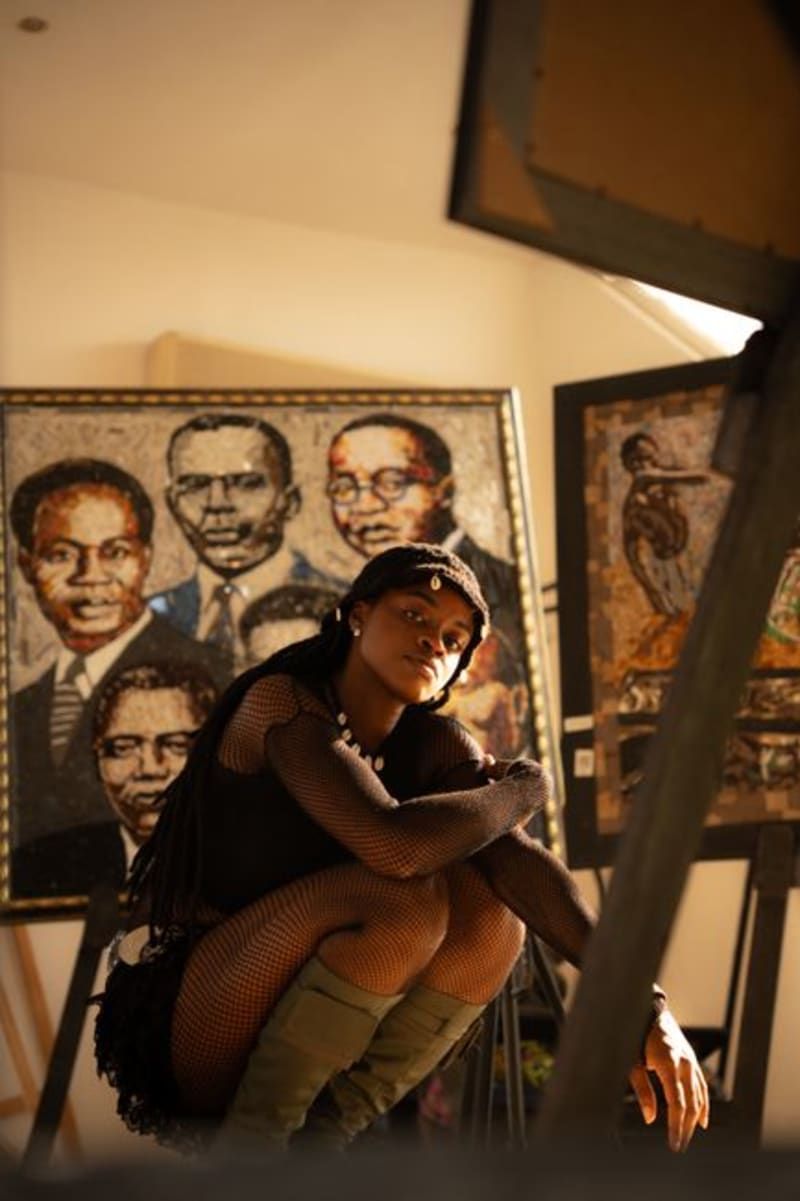 northern-territory
 Borroloola
A remote Gulf of Carpentaria fishing town on the McArthur River where barramundi, saltwater crocodiles, and outback isolation define daily life.
Explore northern-territory
 Cutta Cutta Caves
A limestone cave system south of Katherine, home to rare ghost bats and ringed by tropical dry-monsoon rainforest hidden inside the sinkholes.
Explore northern-territory
 Daly Waters
A one-pub town on the Stuart Highway whose 1930s corrugated-iron watering hole is the most famous outback pub in the country.
Explore