Palm Valley
"These palms are a relic of a rainforest that stopped existing 20,000 years ago, and somehow nobody told them."
A hidden gorge in Finke Gorge National Park where a stand of ancient red cabbage palms survives, found nowhere else on earth.
Getting there is most of the story. Palm Valley sits inside Finke Gorge National Park, and the only way in is along the bed of the Finke River, which claims to be the oldest river system on the planet, in a high-clearance four-wheel drive that I very nearly didn’t have the nerve to attempt. The track crosses soft red sand, climbs over sandstone ledges, and dips through the riverbed itself, and for about forty minutes I genuinely wondered if I’d made a mistake in the rental agreement. Then the gorge narrowed, the cliffs went a deeper red, and a cluster of palm trees appeared where no palm trees have any business being.
Red cabbage palms, Livistona mariae, grow only here and in one other spot a few hundred kilometres away, and nowhere else in the world. They’re a leftover — botanists think they’re the last survivors of a much wetter, greener central Australia from tens of thousands of years ago, isolated in this one sheltered gorge system while the surrounding desert dried out around them and every other trace of that older climate vanished. Walking among them, tall and spiky-crowned against sheer red sandstone walls, felt like finding a photograph from a country that no longer exists.
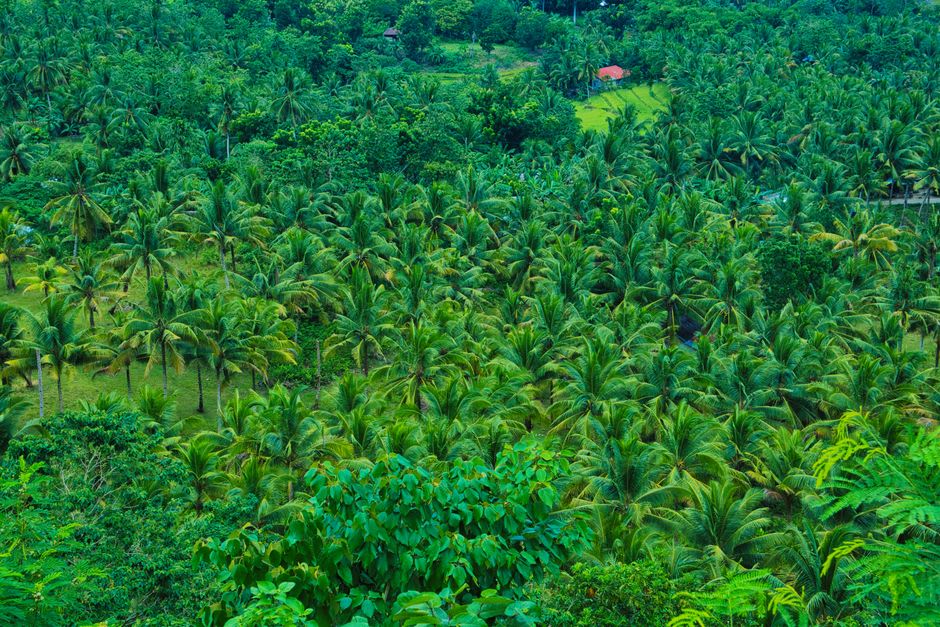
The Arrarnta people, whose country this is, know the valley as Mpaara, a place tied to significant Dreaming stories, and the short interpretive walks near the picnic area explain some of that context without overreaching into what isn’t theirs to hand out casually. I took the Arankaia walk, a loop of about two kilometres through the main palm grove and along the dry creek bed, and then pushed on to the lookout trail, which climbs to a ridge with a view back down into the gorge — the palms reduced to a green smudge against all that red, the whole improbable ecosystem visible at once.
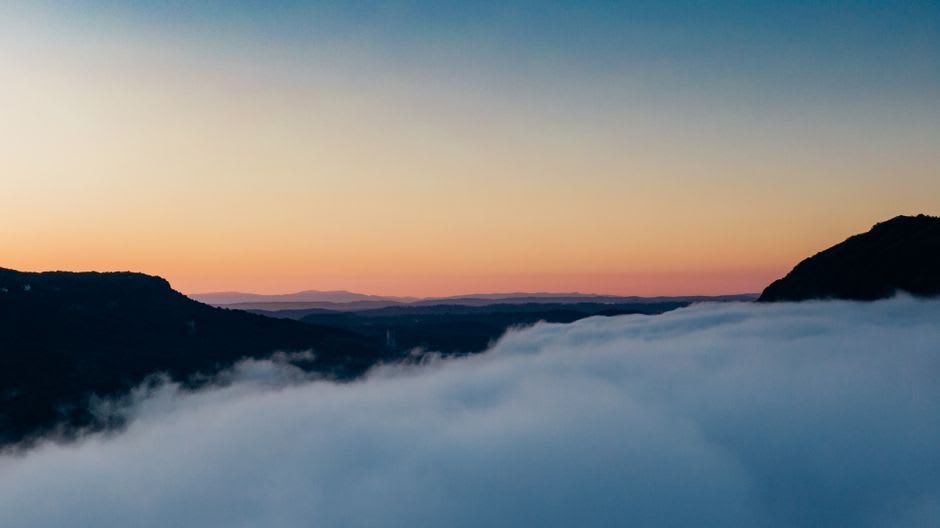
There’s a small campground at the entrance to the valley with basic facilities, and staying overnight means catching the gorge in the low light of early morning, when the red rock actually looks like it’s burning. I regretted not booking a second night the moment I saw it.
When to go: Access is only possible in a genuine 4WD — the track is closed to conventional vehicles and closes entirely after heavy rain. April through September brings cooler daytime temperatures for the walks; the drive in from Alice Springs takes about two hours via Hermannsburg.
Keep exploring
More from Northern Territory
 northern-territory
 Tennant Creek
An old gold-rush town in the dead centre of the Territory, where mining history and Warumungu culture meet on the Stuart Highway.
Explore northern-territory
 Timber Creek
A tiny Victoria River outpost that serves as the gateway to some of the Territory's most dramatic, least-visited gorge country.
Explore northern-territory
 Tiwi Islands
Bathurst and Melville Islands, home to a distinct Tiwi culture, football-mad communities, and some of the boldest contemporary Aboriginal art in the country.
Explore northern-territory
 Uluru
The sacred sandstone heart of Australia that earns every superlative by defying all of them.
Explore northern-territory
 Alice Springs
The outback town at the geographic heart of Australia, stubbornly alive in country that gives no quarter.
Explore northern-territory
 Arnhem Land
A vast, permit-only Aboriginal territory where Yolŋu culture is not preserved behind glass but is simply ongoing.
Explore