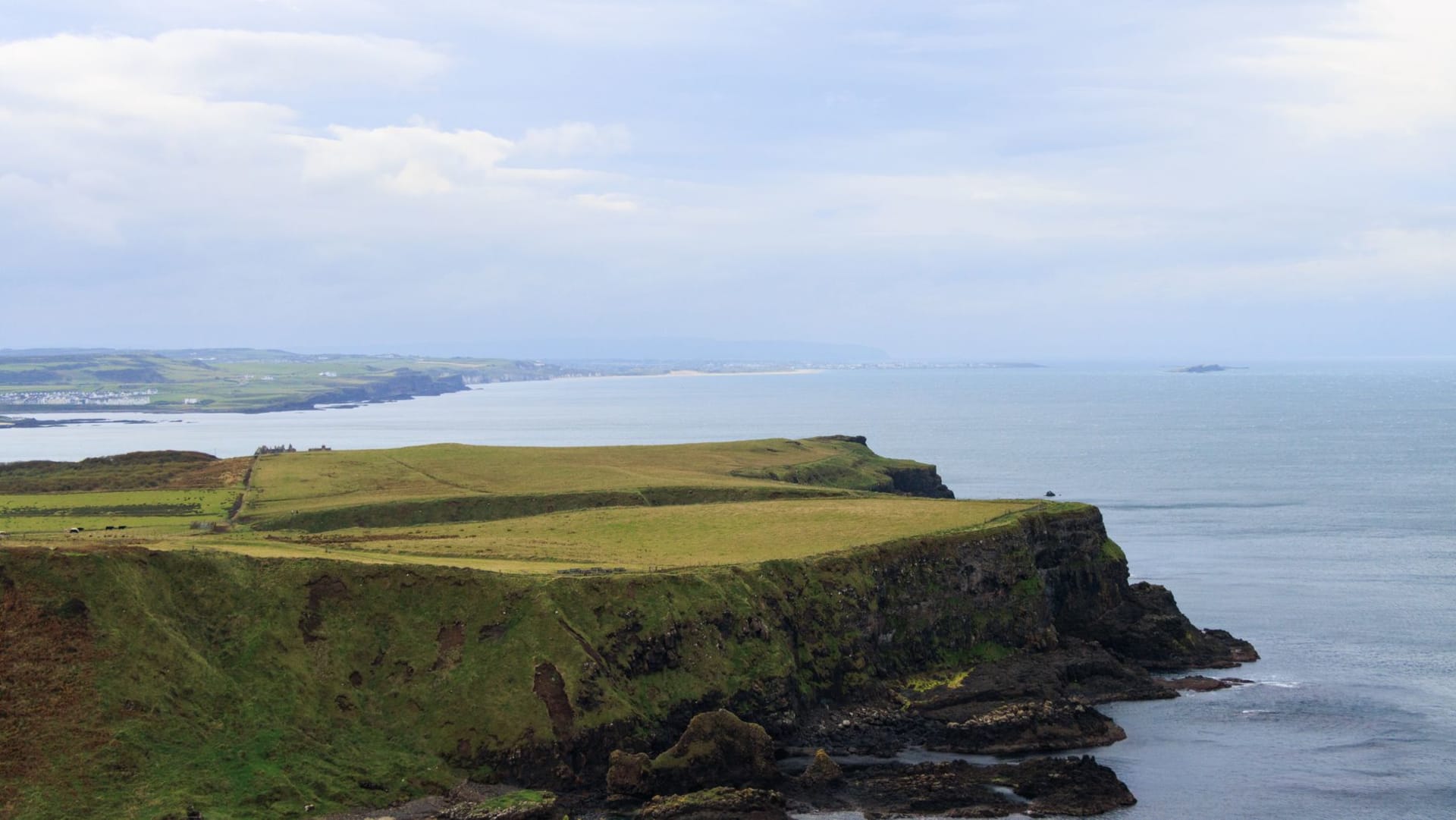
Rathlin Island
"The ferry takes forty-five minutes and you feel the mainland releasing its hold on you the whole way."
The ferry from Ballycastle leaves at half past nine and by the time Rathlin Island comes into view — a dark L-shape on the water, the chalk cliffs of the western end catching the light — you have already started adjusting to a different pace. The crossing takes forty-five minutes and the sea is rarely gentle. I sat on the deck and watched the mainland recede and had the particular feeling that comes with moving toward something genuinely remote: a slight contraction of the world, in the best possible sense.
Rathlin is an L-shaped island, roughly five miles long, with around one hundred and fifty permanent residents, a single pub, a single hotel, and at the western tip, the upside-down lighthouse — so called because the light is at the bottom, below the level of the chalk headland, to be visible from below the cliffs. It is the only upside-down lighthouse I have ever encountered and it is genuinely strange and genuinely practical, which is a combination I find satisfying.

Between April and July, the western cliffs are one of the largest seabird colonies in Ireland. I went in late May. The sound reaches you before the birds — a layered roar of thousands of guillemots, razorbills, kittiwakes and, most memorably, Atlantic puffins. Rathlin has several thousand breeding puffins and they are, in the flesh, more arresting than photographs suggest. Clownish and blunt, they stand on ledges or carousel past in low, whirring arcs, carrying sand eels crosswise in their extravagant beaks. I sat at the cliff edge for an hour and watched them and felt the particular pleasure of a creature that has absolutely no interest in your presence.
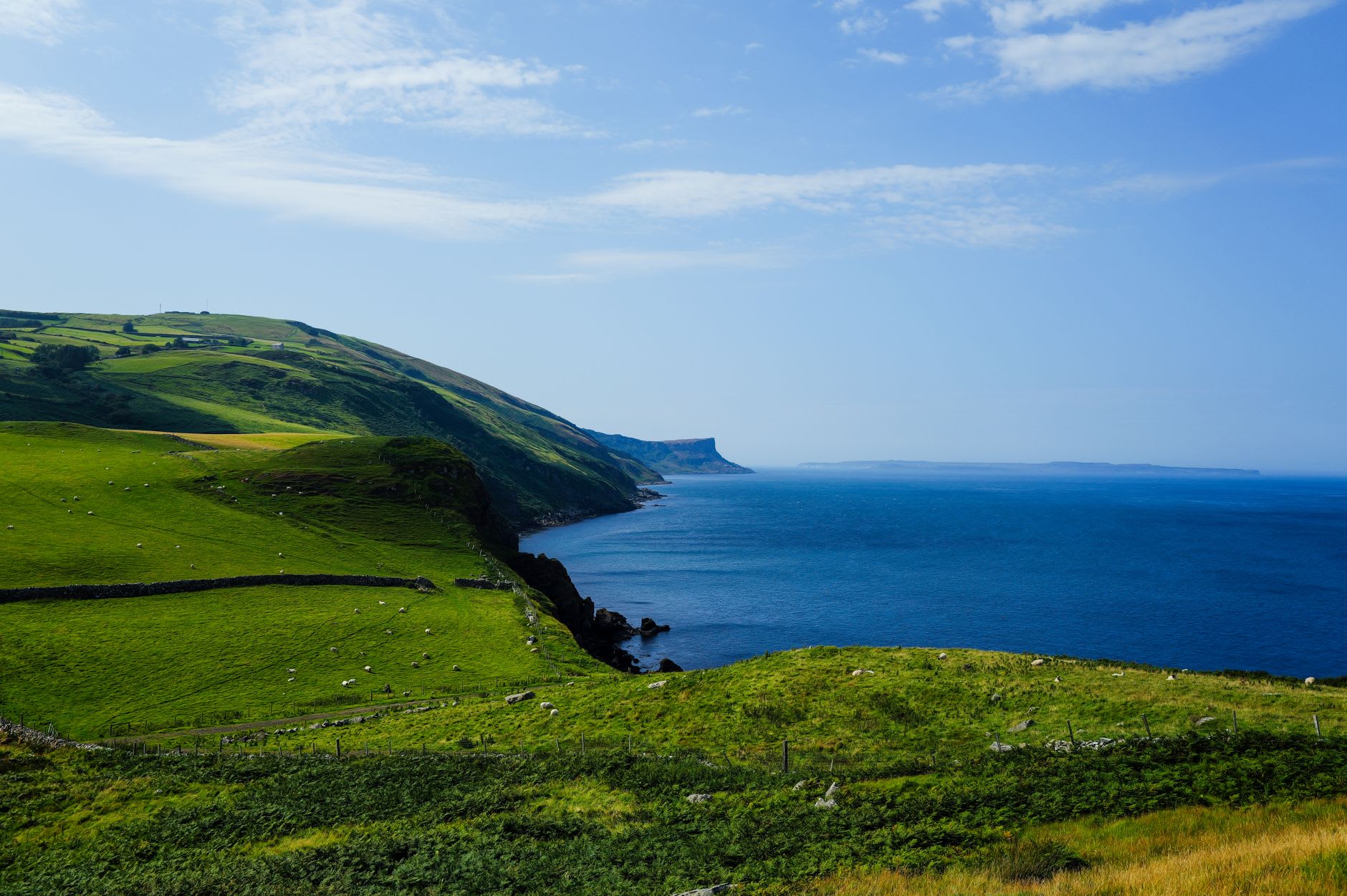
The island’s interior is bog and rough grazing, farmhouses that face the Atlantic stoically, roads narrow enough that the bus — a minibus, running twice a day — has to fold in its mirrors for passing places. I rented a bicycle from the harbour and cycled out to the east lighthouse through a landscape so quiet I could hear individual curlews from three fields away. The island’s history layers underneath the quiet: this is where Robert the Bruce supposedly hid in a cave in 1306 and watched a spider try seven times before succeeding with its web — a story about persistence, which is also what the island requires of you.
The Manor House Hotel does dinner from a menu that changes daily based largely on what has come in on the boats. I ate a seafood chowder with soda bread that lasted several minutes longer than I planned, because the broth had been made from the prawn shells and tasted accordingly. The pub next to it was playing traditional music — not for tourists, given there were none in evidence — and the session ran until midnight.
When to go: May and June for the puffins and seabirds — the colony is at its most active and the light is long. July brings more visitors on day trips from Ballycastle. If you want the island nearly to yourself, September is austere and beautiful, the bog grass turning amber and the crossings sometimes cancelled by weather, which is part of the deal. Day trips are possible but an overnight gives you the island in its real register.