
Glens of Antrim
"Every guide calls it the Queen of the Glens and I wanted to resist the phrase until I stood in it."
I turned off the Causeway coastal road at Waterfoot almost by accident — I had been following the sea for two hours, the black basalt cliffs and the grey Atlantic to my right, and I needed to stretch. The sign said Glenariff, and the road climbed steeply into a landscape that went from coastal drama to something older and quieter. Within ten minutes I was in a glen so green it looked saturated, beech and oak closing overhead, a river somewhere below making its case.
The nine Glens of Antrim — Glenarm, Glencloy, Glenariff, Glenballyeamon, Glenaan, Glencorp, Glendun, Glenshesk, Glentaisie — cut down from the high Antrim plateau to the coast in a sequence that runs roughly from south to north. Each has its own character: Glenarm is the most manicured, with a village and a castle estate; Glenariff is the most dramatic; Glendun is the most remote and least visited. The locals call them “the nine green glens” and the phrasing is accurate — they are almost aggressively verdant, the kind of green that happens when Atlantic rain falls on limestone and doesn’t stop.
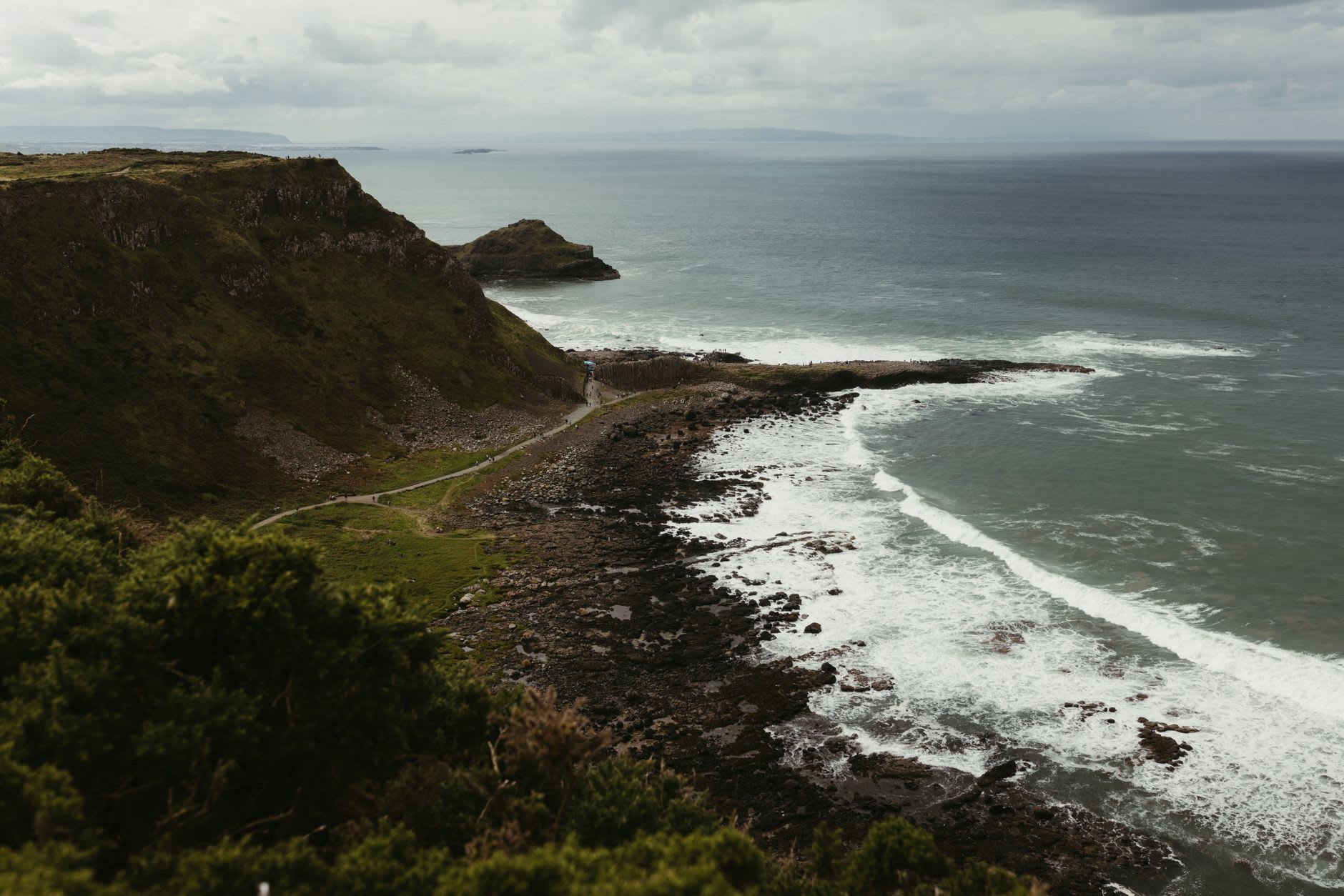
Glenariff Forest Park is where most people go, and the waterfall trail is worth the reputation: a looped walk through gorge woodland where the Glenariff River drops in a series of falls through moss-covered basalt. The biggest fall, Ess-na-Crub, throws spray forty feet into the surrounding ferns. I was there on a weekday in June and met perhaps twelve other walkers. The Causeway, thirty miles north, would have had four thousand.
Cushendall sits at the foot of three glens meeting the sea, a small village with a distinctive red sandstone curfew tower in the centre — built in the nineteenth century to lock up “idlers and rioters” — and a pubs-to-population ratio that suggests the town takes its leisure seriously. I ate a crab sandwich at a place overlooking the water and drank a pint of Guinness that the barman poured in two stages with genuine conviction. The afternoon light on the Cushendall bay was doing the thing that afternoon light on calm water does when it catches the angle exactly right.
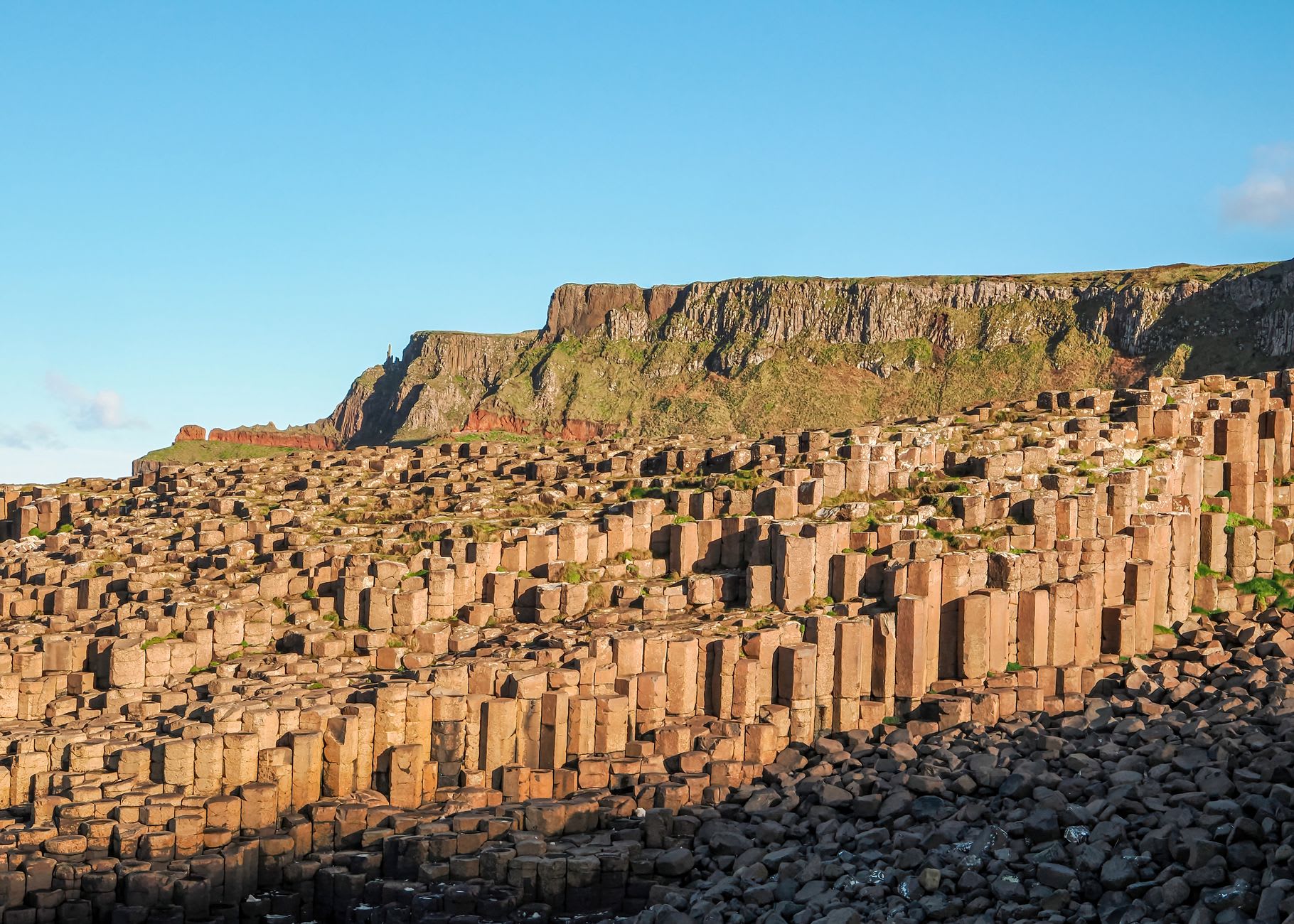
The landscape carries its own layer of mythology — this is Dalriada, the ancient kingdom that straddled the North Channel between Antrim and Scotland. On a clear day from the clifftops above Torr Head you can see the Mull of Kintyre across twelve miles of water. The region’s population has historically had as much in common with coastal Scotland as with the rest of Ireland, and you hear it still in the older Scots words that persist in local speech.
When to go: May and June before the bracken gets too high and while the bluebells are still in the woodland floor. September and October bring the best light for photography — low sun, golden through the birch — and the tourist traffic has thinned considerably. The waterfalls run hardest in winter when they are least visited. Avoid August if you want the glens to yourself, which you will.