Pipa (Praia da Pipa)
"Lia said Pipa felt like the sea had been keeping a secret. I still think about that first morning."
A bohemian cliff-top village in Rio Grande do Norte where cobblestone streets meet dolphin-filled waters and dune-backed beaches.
We rolled into Pipa after dark, our bags dusty from the bus ride down from Natal, and the first thing I remember is the sound — no cars, just forró music leaking out of a bar and someone’s flip-flops slapping the cobblestones behind us. Our pousada owner, a wiry guy named Edson who’d moved down from São Paulo decades earlier and never left, told us over a caipirinha that Pipa used to be nothing but fishermen and a handful of surfers who found the waves in the 1970s and just stayed. Walking those uneven stone streets the next morning, past bars still built into old fishing shacks, I understood why nobody wanted to leave either.
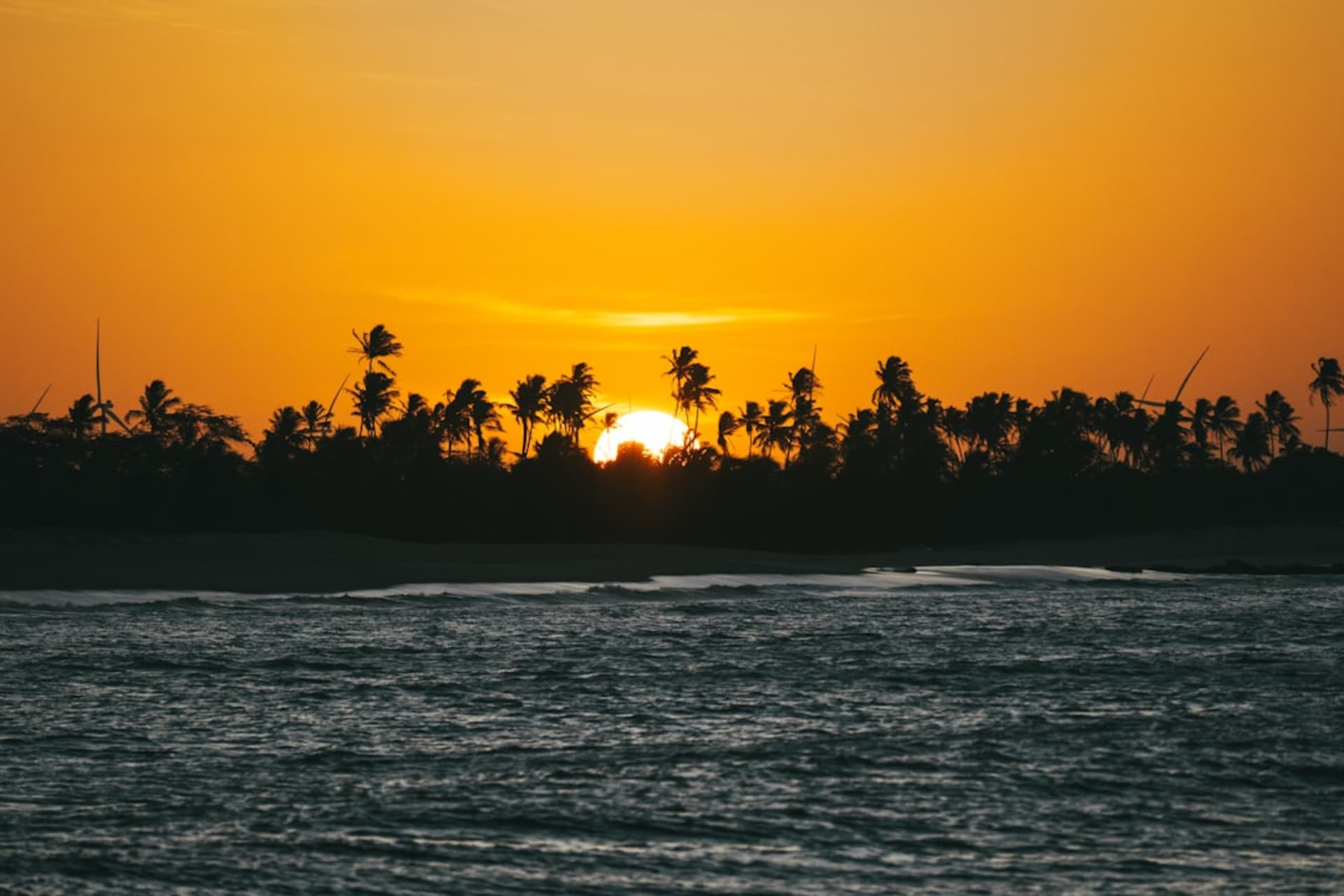
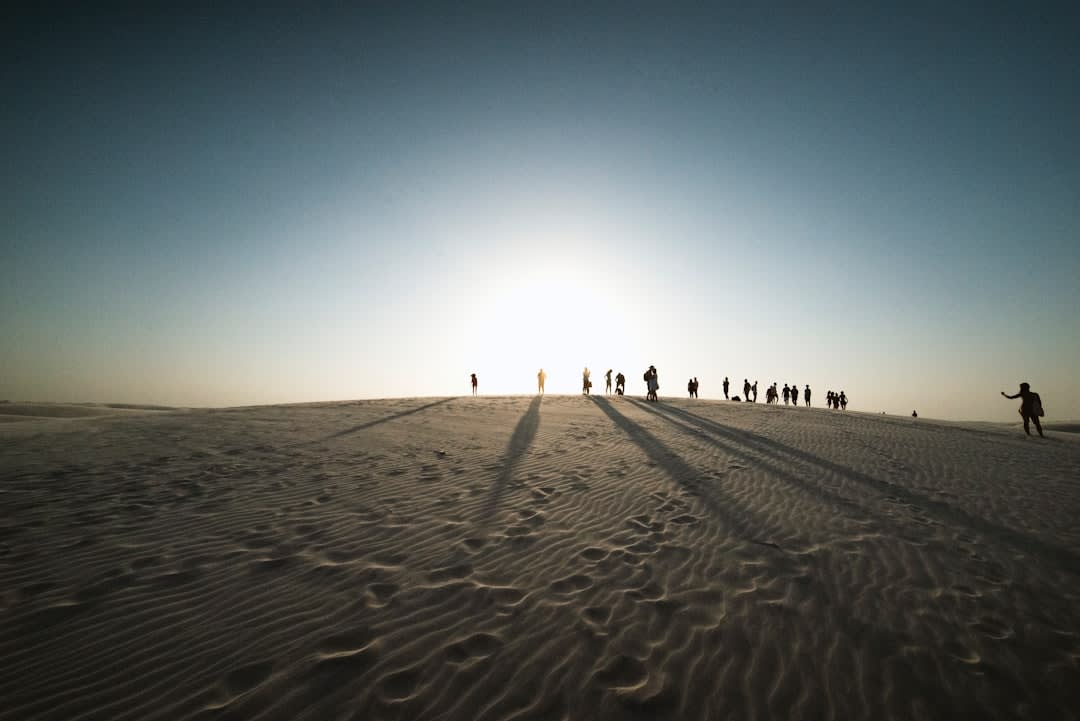
The cliffs are what stopped me in my tracks. Lia and I climbed up to a lookout above the beach on our second day, and the sandstone just glows — orange, pink, almost red depending on the light — dropping straight down into water that shifts from green to a deep turquoise. We’d read about the Chapadão, this huge dune formation a short walk south of town, and decided to go at golden hour. Bad planning turned good: we got lost on the way back and ended up watching the sun drop behind the dunes with a couple of stray dogs for company, no one else around.
But the dolphins were the whole reason I’d put Pipa on our list in the first place. Baia dos Golfinhos lives up to its name — we paddled out early, before the tour boats, and within twenty minutes there were spinner dolphins everywhere, a dozen at least, cutting through the water so close I could hear them breathe. Our guide said they gather there year-round, which still amazes me; it’s not a seasonal miracle, it’s just how the bay works. I didn’t manage a single good photo because I couldn’t stop watching.
On our last afternoon we walked the trail through the Santuário Ecológico, the strip of Atlantic Forest clinging to the cliffs above the beach, and it was such a strange, good contrast — dense green canopy, monkeys rustling somewhere overhead, and then the trail opens onto that same dramatic drop to the sand. Pipa never quite decided whether it wants to be a jungle, a beach town, or a bohemian hideout for surfers who forgot to go home, and I loved it precisely for that indecision.

When to go: Visit September through March, when the weather is driest and warmest — though honestly, even a passing shower didn’t dull the color of those cliffs.