
A Belle Époque resort on the Côte Fleurie where Parisian glamour meets the Channel tide, one wooden plank at a time.
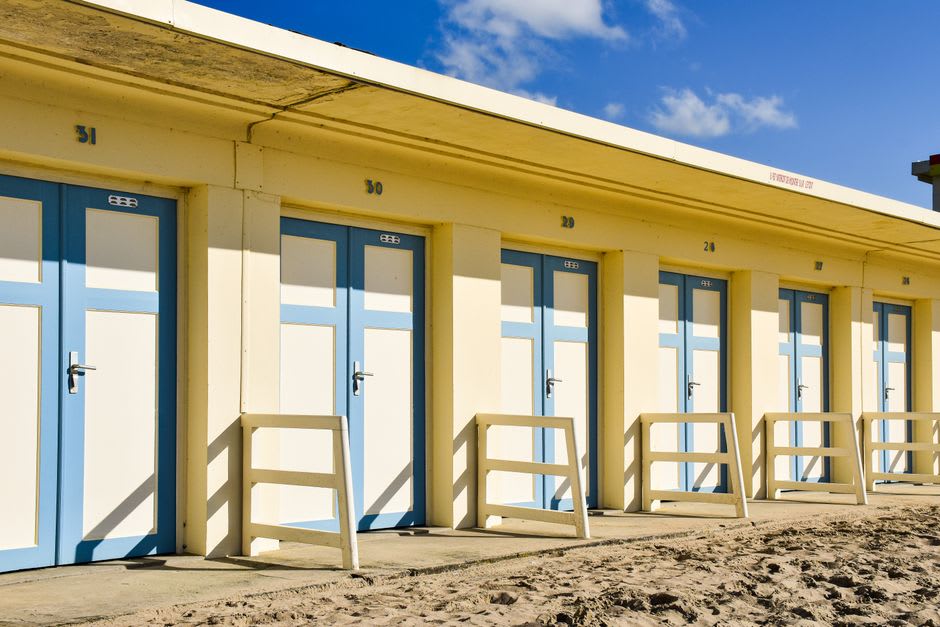
Lia spotted the sign before I did: Gary Cooper, painted in looping script on a beach cabin door. We were walking Les Planches, the boardwalk the Duke of Morny had built when he founded this town in 1861, and I remember thinking it was a strange thing, to name a changing hut after a movie star who’d been dead for decades. Then a few cabins down, Catherine Deneuve. Then Romy Schneider. It clicked: this whole promenade is a guest book for the American Film Festival that’s rolled through every September since 1975, and Deauville just keeps adding names to its own front porch.
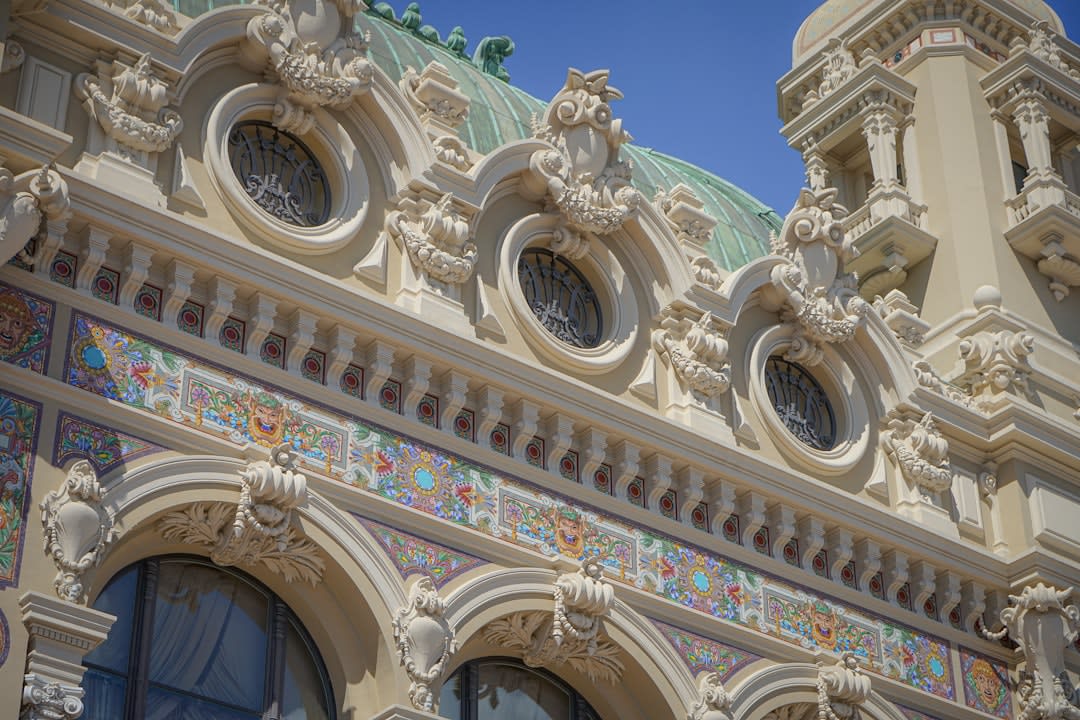
We’d come up from Honfleur on a grey Tuesday, half expecting a sleepy seaside town, and instead found something closer to a very polite theater set. The half-timbered villas along the boulevard, the racecourse where I swear the horses looked better groomed than half the guests I’d seen that morning, the casino with its columns catching what little light the sky offered — it’s all built for an audience. Coco Chanel understood that before anyone. She opened one of her first boutiques here in 1913, and standing near where it once stood, I could see exactly why: this was the town where women came to be seen doing nothing in particular, beautifully.
Across the Touques estuary sits Trouville, Deauville’s older, less made-up sister, and it was actually the contrast that got me. We took the little ferry over for moules-frites one evening, and coming back at dusk, Deauville’s lights looked almost theatrical against the dark water — like the town had been designed specifically to be looked at from a distance. Lia said it reminded her of a stage set waiting for the curtain, and I couldn’t argue. We ate langoustines that night at a place just off the boardwalk, the waiter recommending a Muscadet with the easy confidence of someone who’d made that exact suggestion ten thousand times before, and it was, frankly, perfect.
What stayed with me longest wasn’t the glamour, though — it was the light on Les Planches at low tide, wide grey sand stretching out under a sky that couldn’t decide what season it was in, families still walking dogs past the star-studded cabins like it was any other beach. That tension between aristocratic performance and ordinary Norman coastline is, I think, the whole point of the place.
When to go: Come in September if you want the festival buzz and the red-carpet energy, or aim for June through August if you just want the beach and a quieter version of the boardwalk.