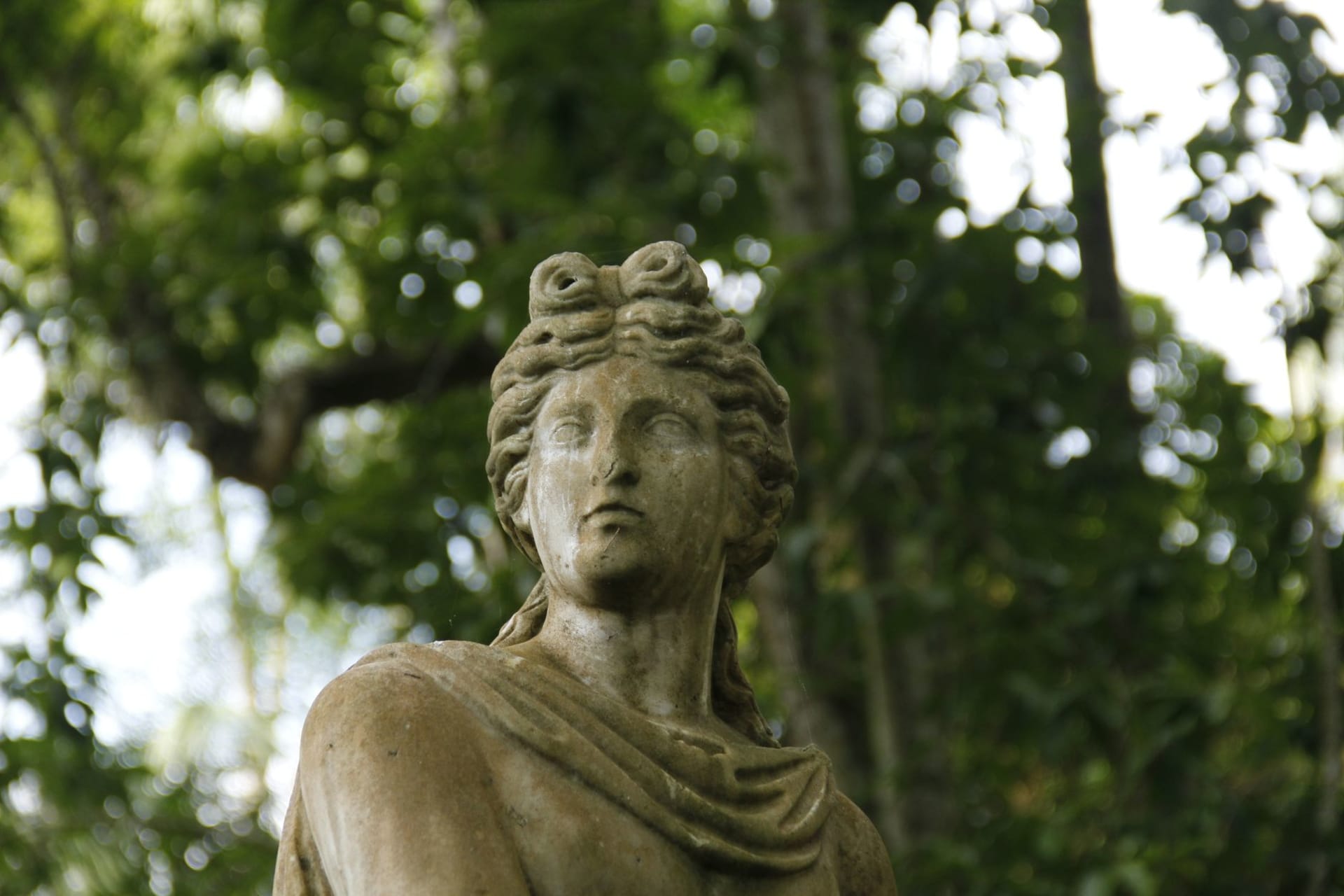
Hikulagi Sculpture Park
"Finding art in the jungle by accident feels more honest than finding it in a white-walled room."
I didn’t know the sculpture park existed until my third day on Niue. A handwritten notice on the community board in Alofi mentioned an opening of new works, and the woman at the guesthouse told me it was worth an afternoon. The park is not signed from the main road with the kind of signage that tells you you’ve arrived somewhere significant. There’s a track, a gap between the trees, and then you’re inside it — a trail through tropical scrub where, every hundred metres or so, something made by human hands appears from the vegetation.
Hikulagi is an ongoing project: Pacific and international artists install works in the natural environment of the park, which grows around and through them over time. Some pieces are freshly carved wood and stone. Others have been there long enough that the forest has begun its patient process of reclamation — a metal sculpture draped with climbing ferns, a carved post that has split down the middle as the wood dried and contracted in the tropical heat. The relationship between the works and the vegetation isn’t a problem to be managed. It’s the point.

I spent about two hours walking the trail. What struck me most was not the individual works — though some were genuinely impressive, particularly a large carved coral panel depicting Niuean creation mythology — but the experience of encountering them in context. Art in galleries is separated from the world by white walls and measured distances. Art in the jungle exists in dialogue with everything around it. A fish carved from dark hardwood appeared at a bend in the trail, set on a low plinth between two tamanu trees, and for a moment I wasn’t entirely sure I was looking at something placed there or something that had grown there.
Some of the Niuean pieces worked with the coral limestone of the island itself — forms carved from blocks of the same rock you walk on everywhere — and these felt most genuinely of the place. Others brought materials and techniques from outside Niue: bronze, welded steel, ceramics. The juxtaposition is itself a kind of argument about what Pacific identity means in 2025, and the park doesn’t try to resolve it.
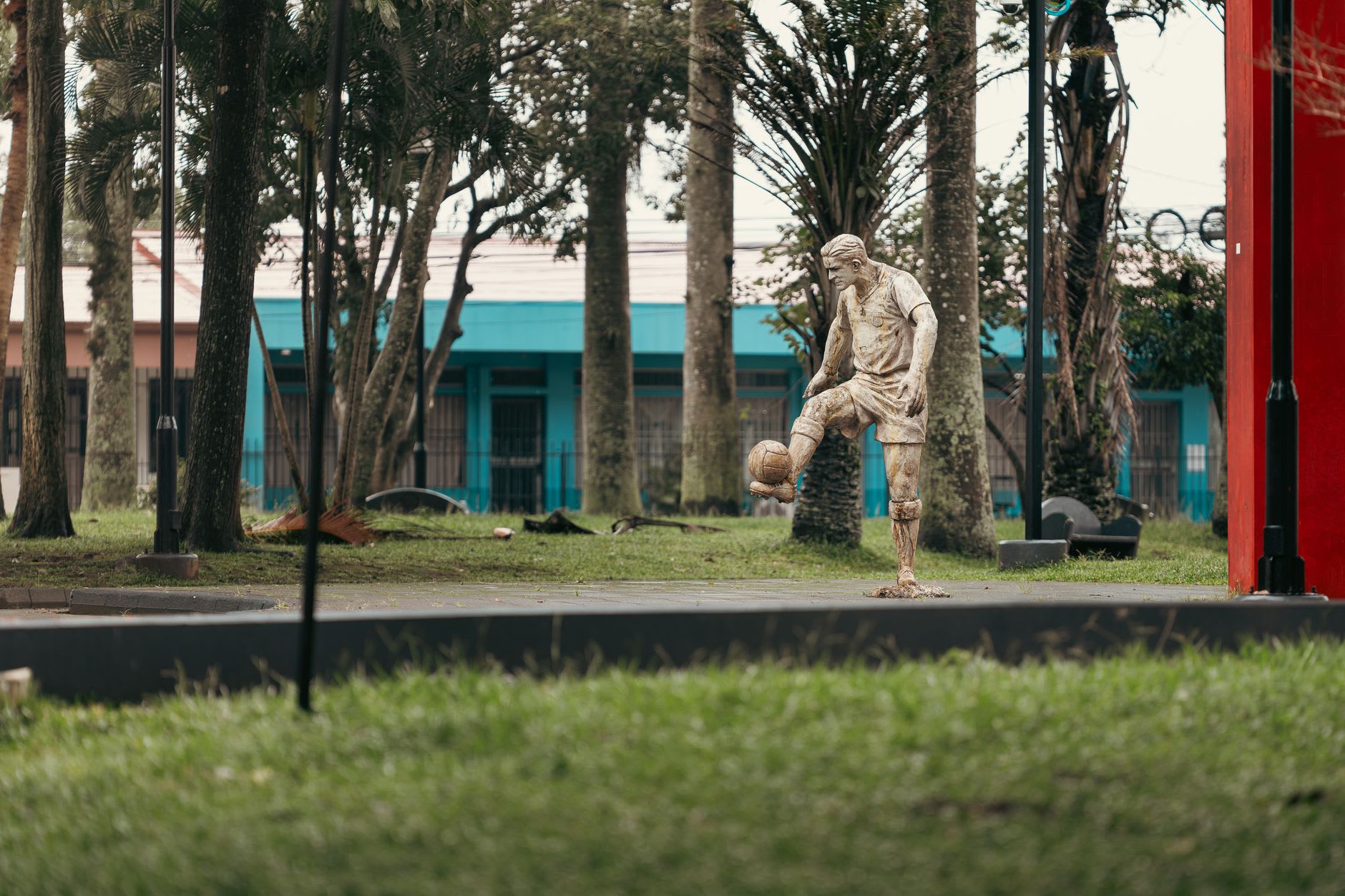
I went back a second time, in the late afternoon when the light through the canopy was lower and more golden, and the works read differently — more mysterious, their shadows longer, the sounds of the forest (wind through the high canopy, something small moving in the understorey) more present. A sculpture of a human figure in coconut palm trunk, arms slightly raised, stood at the junction of two trails and I’d walked past it the first time without noticing it at all. On my second visit it was the most obvious thing in the forest.
When to go: The park is open year-round and is best in morning or late afternoon light, when shadows give the three-dimensional works more presence. Check at the Alofi guesthouse or market for information about new installations — the collection changes periodically. The trail is short enough for a one-hour visit but rewards lingering. Wear shoes you don’t mind getting muddy.