Pacific
Niue
"I came for a week and spent three days just staring into the water."
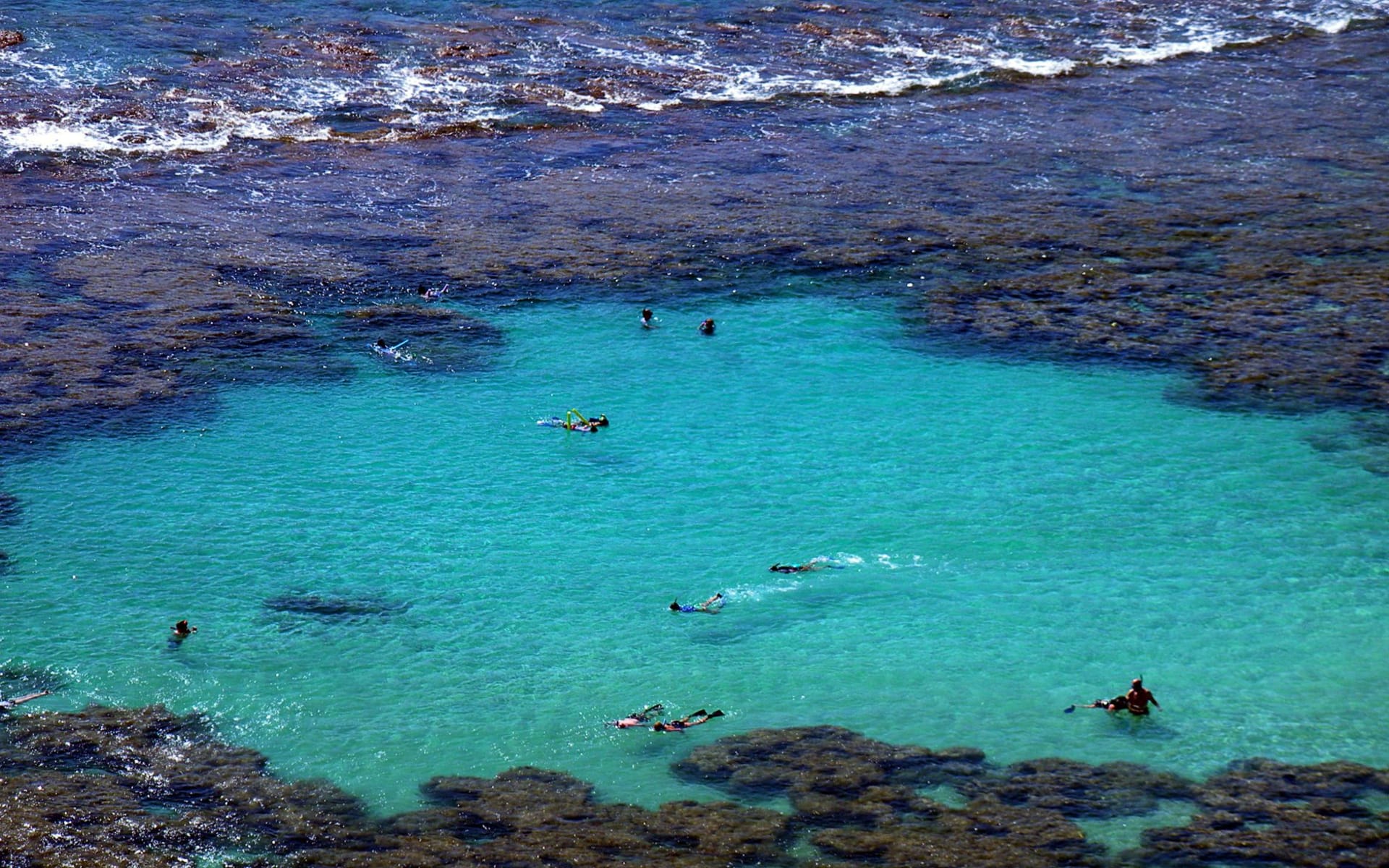
The world's smallest self-governing nation, where limestone cliffs drop straight into a sea so clear you can watch spinner dolphins from shore without getting your feet wet.

I landed on Niue on a Tuesday afternoon and there was one man waiting at the airport. He was holding a sign with my name on it, which shouldn’t have surprised me — the island has fewer than 1,600 people — but it still caught me off guard. The flight from Auckland takes about three hours and the descent is nothing like anything I’ve seen elsewhere: there’s no lagoon to ease you in, no gradual sandbar, just a raised coral plateau rising straight out of open ocean. From the plane window it looked like someone had dropped a limestone dinner plate into the South Pacific and called it a country.
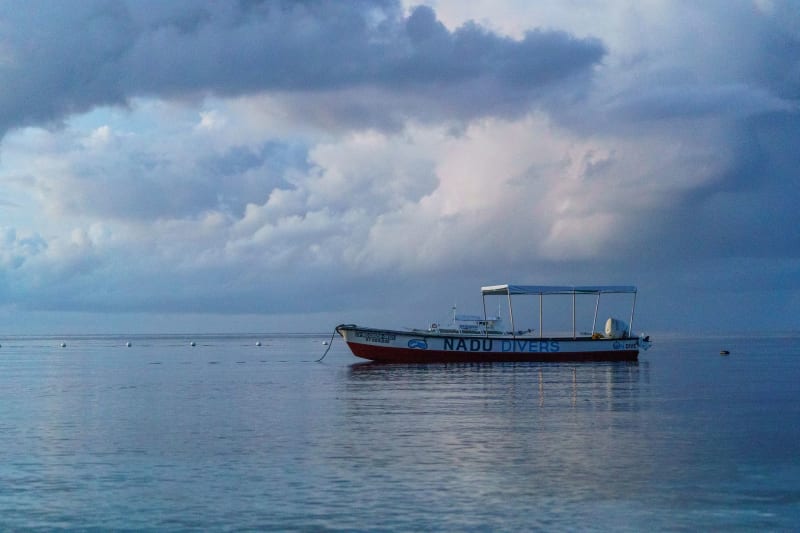
The first thing that hits you isn’t the diving — though the diving is extraordinary, one of the clearest water columns I’ve ever been in, forty metres of visibility on a bad day. It’s the silence. Niue has no mosquitoes, almost no cars at night, no beach vendors, no one trying to sell you anything. The road along the west coast is empty by 7pm. I’d walk it at night and hear nothing but surf and wind moving through the tropical scrub. After years of busy places — Bangkok, Mexico City, Oaxaca during festival season — that quiet felt almost confrontational.
The sea caves are what I keep telling people about. Talava Arches, Togo Chasm, the chasms along the southern coast where the ocean has carved tunnels through the coral limestone. You scramble down through the rock and suddenly you’re in a pool of cold, electric-blue water with light pouring in from cracks above you. There’s no entry fee, no roped-off viewing platform, no guide explaining what you’re looking at. You just go. I spent a morning at Avaiki Cave with a local named Hemi who’d been swimming there since childhood. He brought coconut bread wrapped in a cloth and we ate it on a limestone ledge above the water.
Food on Niue is humble and honest. Don’t expect restaurants open past eight or a choice of cuisines. The Niue Hotel does a Friday night buffet with taro, fresh tuna, and ika mata — raw fish marinated in lime and coconut cream — that I ate twice in one week. The local market on Saturday morning is worth setting an alarm for: breadfruit, papaya, pandanus leaf weavings, and old women selling smoked fish out of plastic containers.
When to go: May through October is the dry season and the best time for diving visibility. The humpback whale season runs roughly July to October — you can swim with them legally here, which almost nowhere else allows. Avoid January and February if you’re sensitive to heat and humidity, and be aware that Niue shuts down almost completely on Sundays.
What most guides get wrong: Every piece I’ve read about Niue leans hard on the “world’s smallest nation” novelty, as if the island’s main attraction is its administrative status. What they miss is the texture of the place — the fact that the reef isn’t behind a lagoon but directly accessible off any shoreline, that the conservation ethic here is genuinely grassroots rather than government-branded, and that the slow pace isn’t a feature to endure while you wait for a dive boat. It is the experience. Come expecting a proper beach resort and you’ll be miserable. Come expecting to do nothing at a very high altitude and you’ll stay longer than planned.
Explore
Places in Niue
 niue
niue Alofi
The quietest capital in the Pacific — a one-road town where the post office doubles as a social institution.
Explore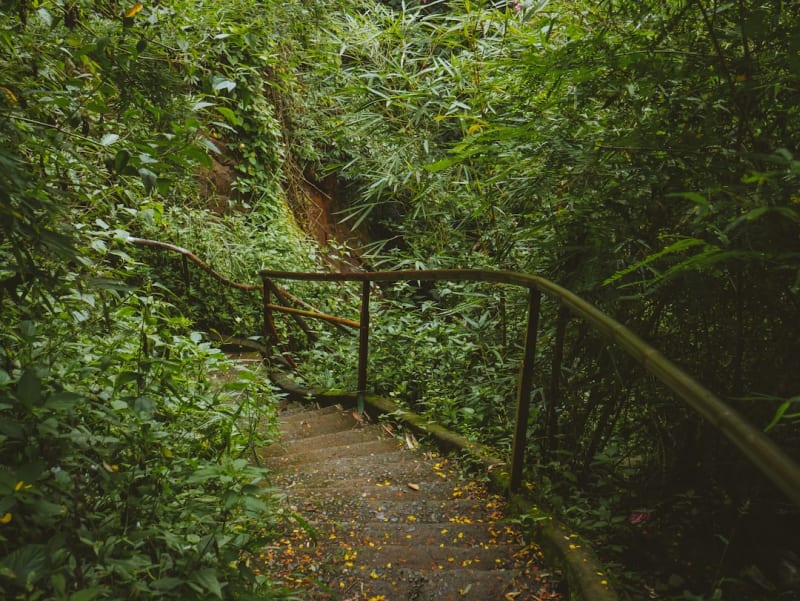 niue
niue Anapala Chasm
A staircase cut into limestone drops you into a still, brackish pool that once kept an entire village alive.
Explore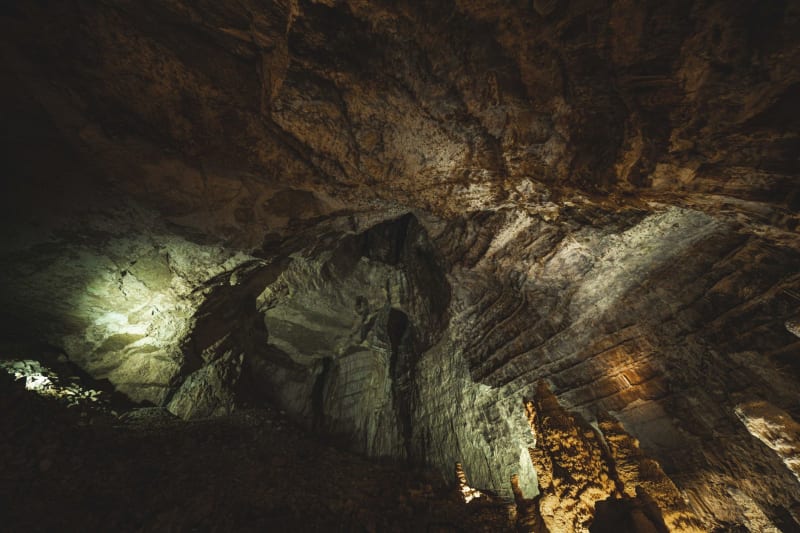 niue
niue Avaiki Cave
A sea cave of mythological significance where cold blue water pools beneath a ceiling of coral rock and filtered light.
Explore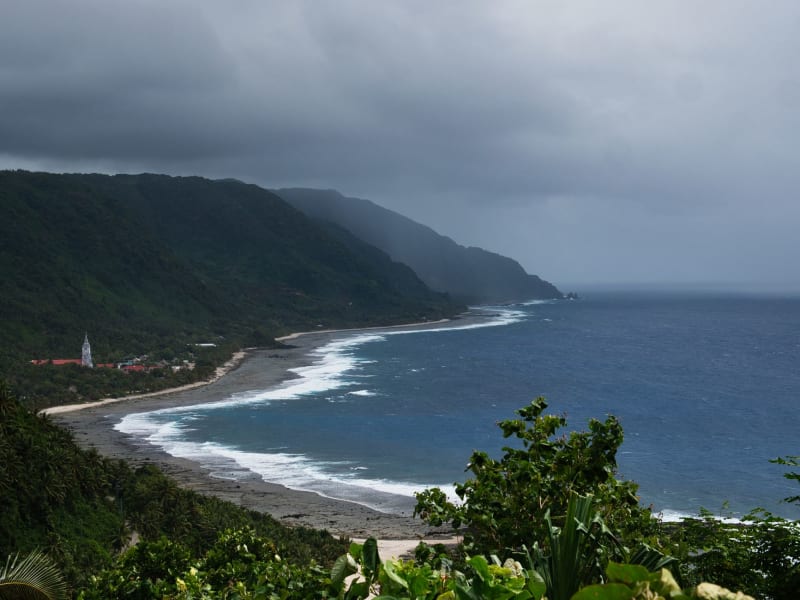 niue
niue Hakupu
Niue's southernmost village, where the oldest church on the island watches over an almost empty road and a forest that remembers everything.
Explore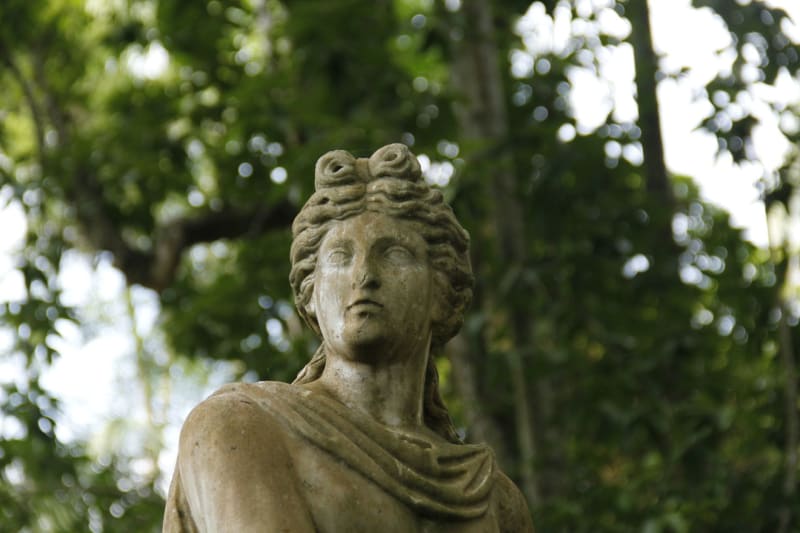 niue
niue Hikulagi Sculpture Park
Artworks by Pacific and international artists placed among the trees of Niue's interior — the strangest gallery in the South Pacific.
Explore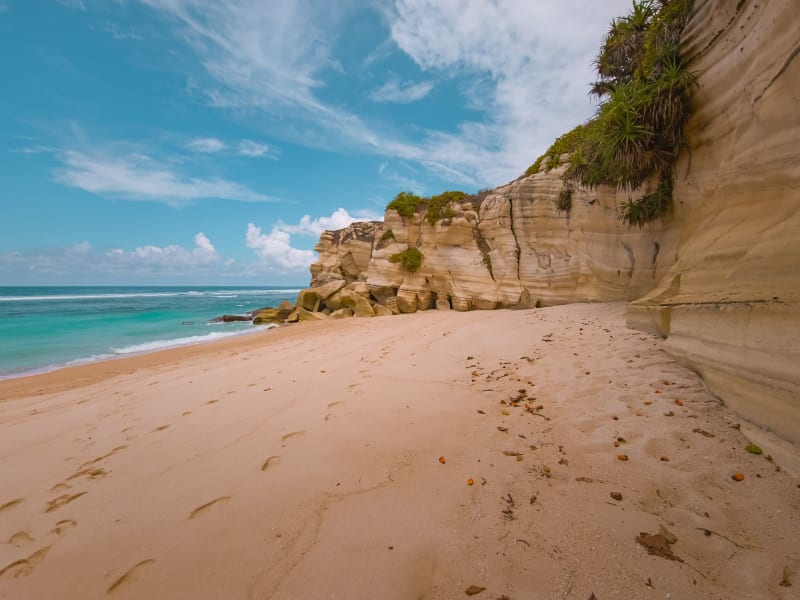 niue
niue Hio Beach
A remote northern cove where a handful of boulders and a shaded pool make the long walk worthwhile twice over.
Explore niue
niue Huvalu Forest Conservation Area
The lungs of Niue — a dense tropical forest covering the island's eastern plateau where the silence has its own frequency.
Explore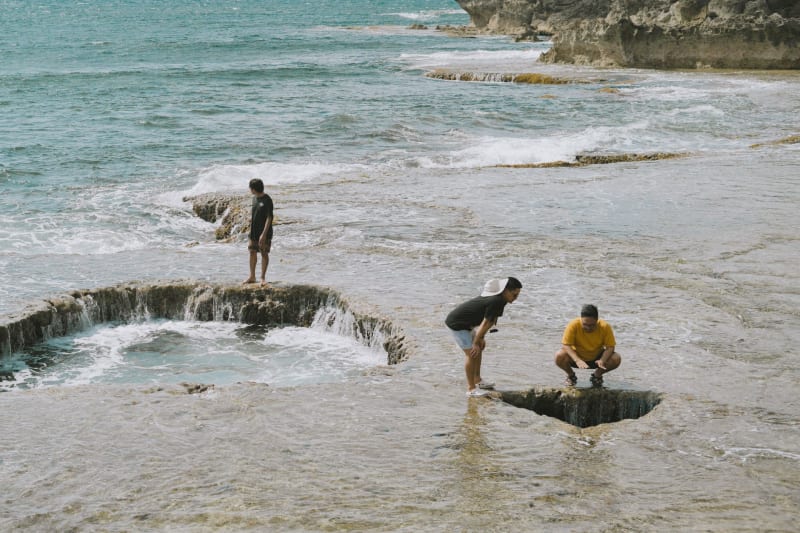 niue
niue Limu Pools
Natural rock pools carved into the coral shelf where the ocean fills and empties with each swell, warm and wild.
Explore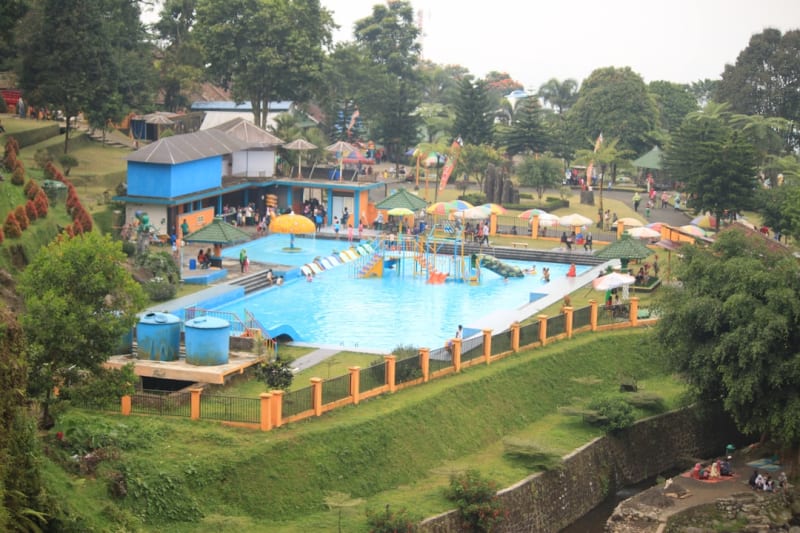 niue
niue Matapa Chasm
A royal bathing pool where coral cliffs cradle still turquoise water, sheltered from the Pacific just steps from Limu Pools.
Explore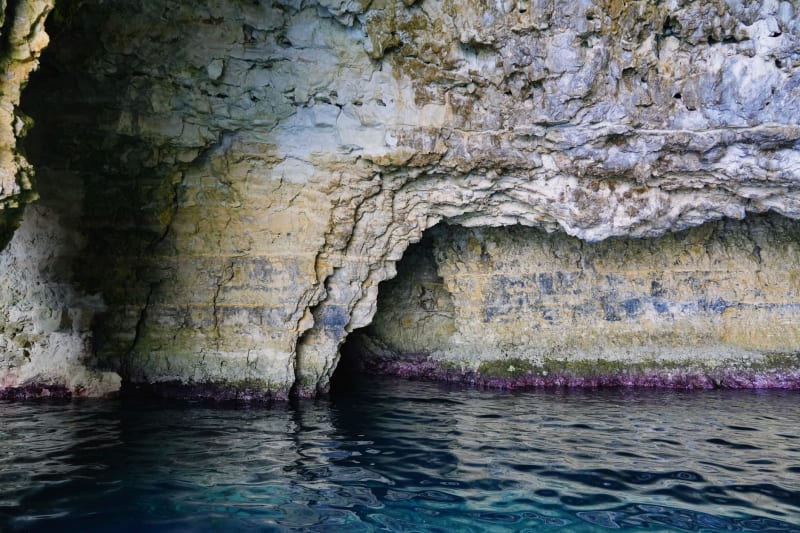 niue
niue Palaha Cave
A sea cave at the end of a clifftop walk where stalactites drip into a pool connected directly to the open ocean.
Explore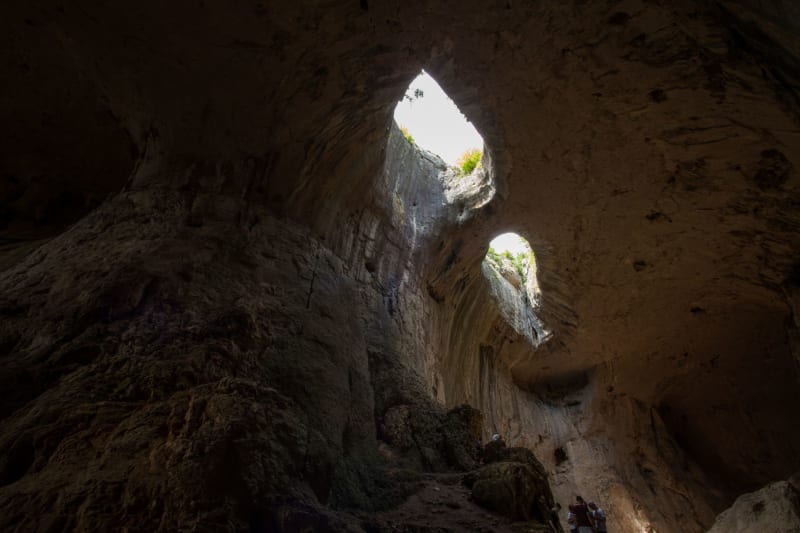 niue
niue Talava Arches
The Pacific's most improbable architecture — twin coral limestone arches carved by the sea over ten thousand years.
Explore niue
niue Tamakautoga
A sheltered southern cove with one of the island's only sandy beaches — Niue's closest thing to a classic Pacific shore.
Explore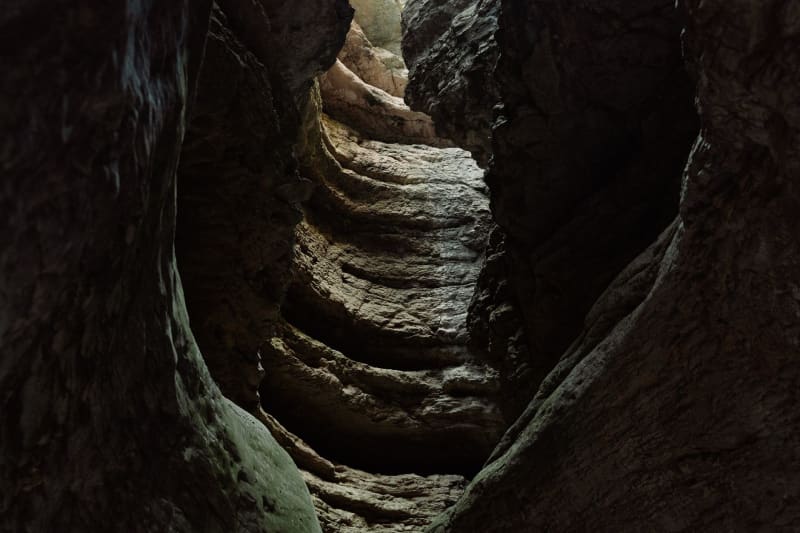 niue
niue Togo Chasm
A cathedral of coral limestone that swallows you whole and spits you out at a secret palm-fringed pool.
Explore