Deir el-Bahari
"I've stood in a lot of ruins, but this is the first one that felt like it was built to be photographed three thousand years before cameras existed."
A temple carved into limestone cliffs on the Nile's west bank, its tiered terraces built for a pharaoh queen who rewrote her own history.
We crossed the Nile before sunrise, and I remember Lia half-asleep on the boat, complaining that I’d dragged her out of bed for “some old temple.” Then the cliffs came into view, pale and vertical, and the temple appeared at their base like it had grown out of them rather than been built against them. She stopped complaining. I’ve seen Karnak, I’ve seen the Valley of the Kings, but nothing prepared me for the sheer geometry of Hatshepsut’s mortuary temple — three flat terraces stacked one above the other, each lined with columns, climbing toward the rock like a staircase for someone who wanted to walk straight into the mountain.
What gets me about this place is the ambition of the woman behind it. Hatshepsut ruled as pharaoh in her own right, not as a regent, and she had her chief architect Senenmut design a monument that made no apology for that. Walking the lower terrace, we found the reliefs depicting her expedition to the Land of Punt — exotic trees, incense, animals I couldn’t name, all carried back to Egypt as proof of her reach as a ruler. Lia, who studies old maps as a hobby, spent a good twenty minutes tracing the carved boats with her finger, trying to work out the route.
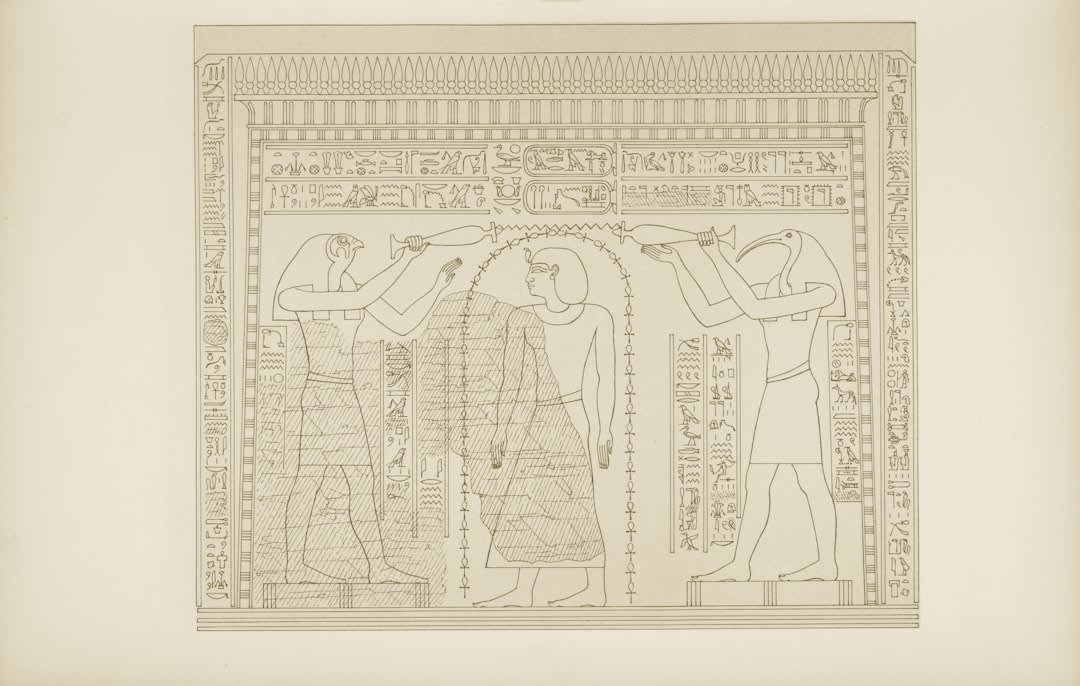
Off to one side, half-collapsed and easy to miss if you’re not looking, sits the earlier temple of Mentuhotep II, built centuries before Hatshepsut’s and clearly the template her architect worked from. I liked standing between the two — one intact enough to walk through, the other reduced to foundations — and seeing the same idea attempted twice, five hundred years apart. There’s also a weight to the site that has nothing to do with architecture. In 1997 it was the scene of a terrorist attack on tourists, and the security you’ll notice today — checkpoints, guards, bag scans — dates back to that morning. Nobody at the site talks about it directly, but it’s there in how carefully everything is managed now.
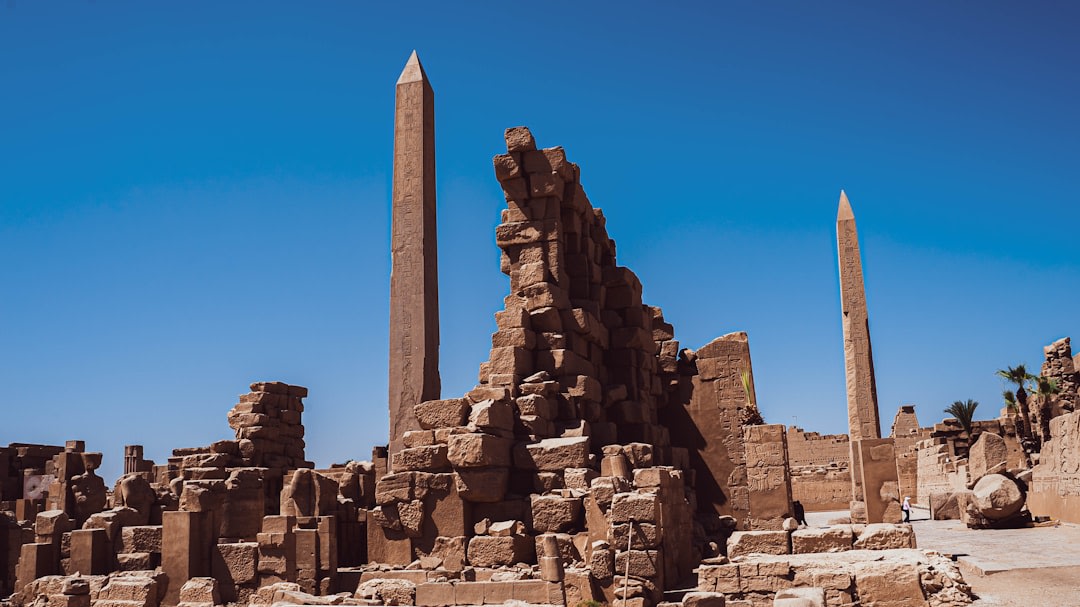
We stayed until the terraces filled with tour groups and the light went flat and white, and I understood why everyone tells you to come early. When to go: aim for an early morning visit between October and April, when the heat is bearable and the low sun rakes across the terraces, throwing the columns into sharp relief instead of washing them out.
Keep exploring
More from Nile Valley
 nile-valley
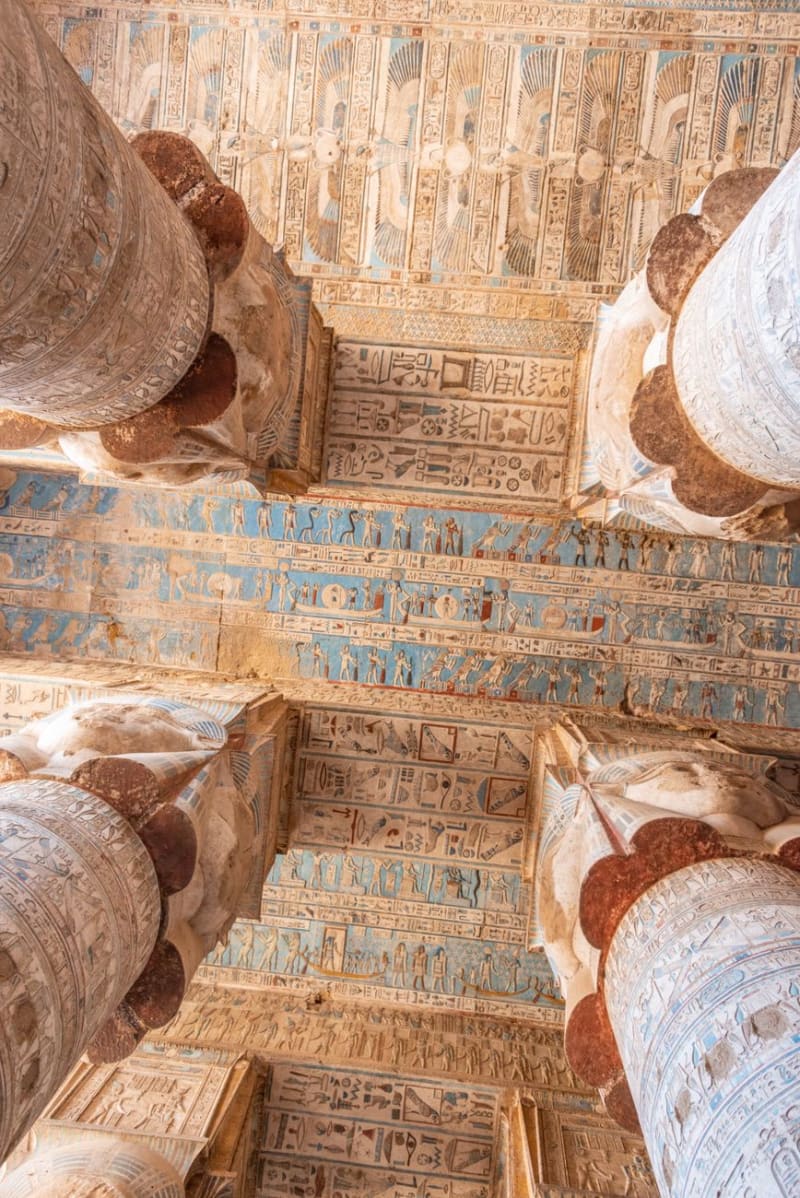
 Dendera
The most intact temple in Egypt, where a ceiling cleaned of two thousand years of soot has just revealed its painted blue heavens — and the crowds of Luxor have, for now, forgotten to come.
Explore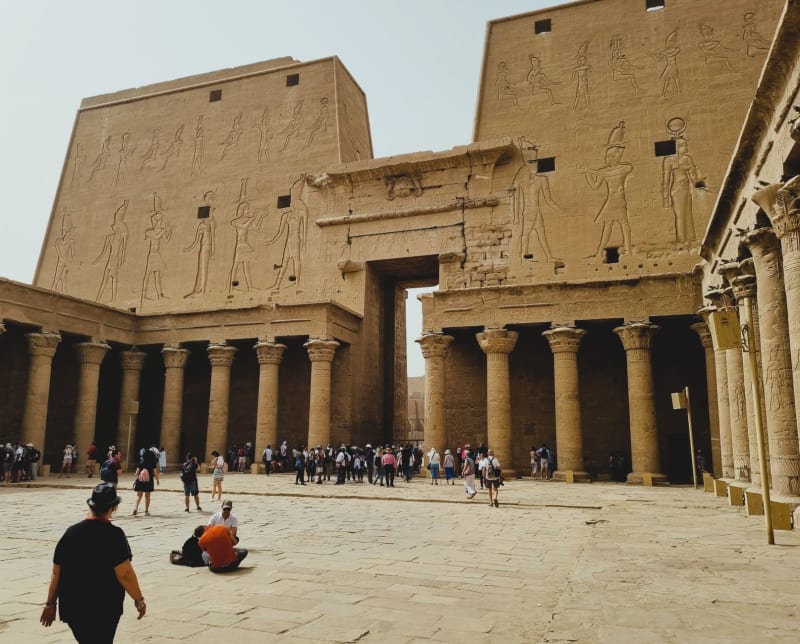 nile-valley
 Edfu
A small Nile town built around the most completely preserved temple in Egypt, still dark and cool inside and carrying the smell of two thousand years.
Explore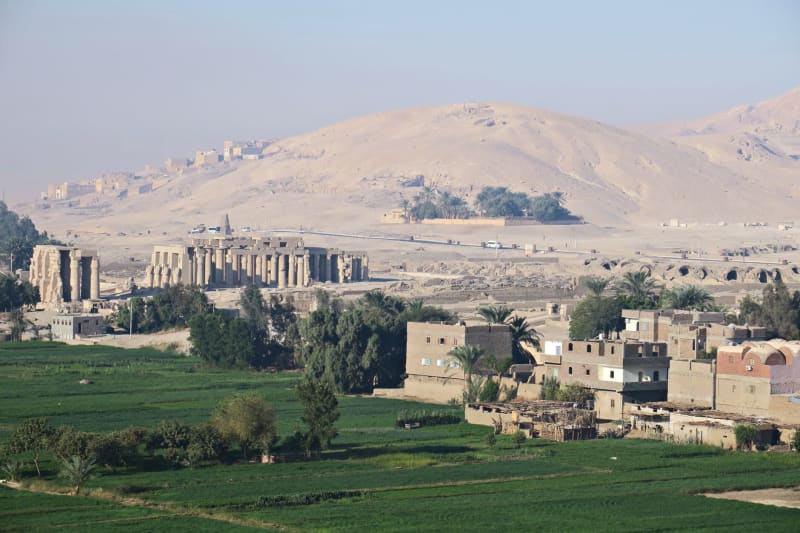 nile-valley
 Elephantine Island
A Nubian village island in the middle of Aswan, reachable only by ferry and still running at a frequency the mainland abandoned decades ago.
Explore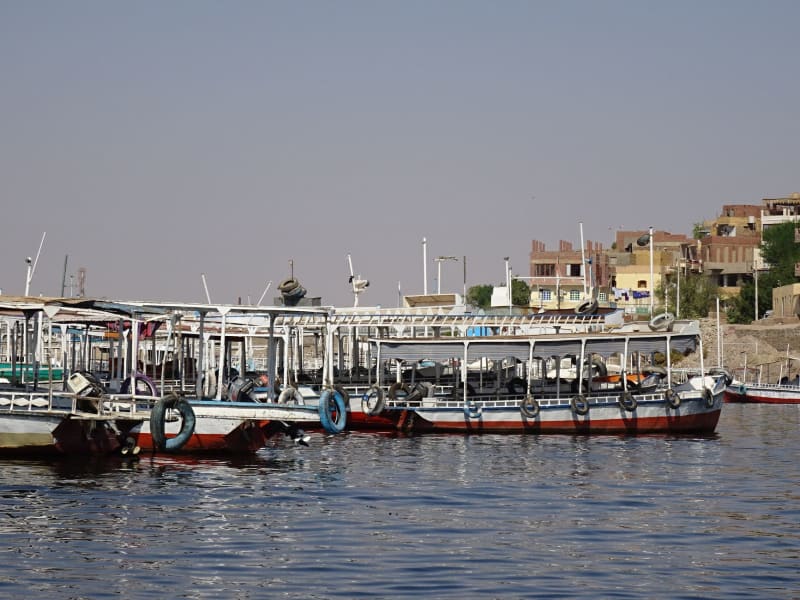 nile-valley
 Esna
A market town between Luxor and Edfu whose ancient temple sits ten metres below street level, half-excavated, like a secret the city swallowed and forgot.
Explore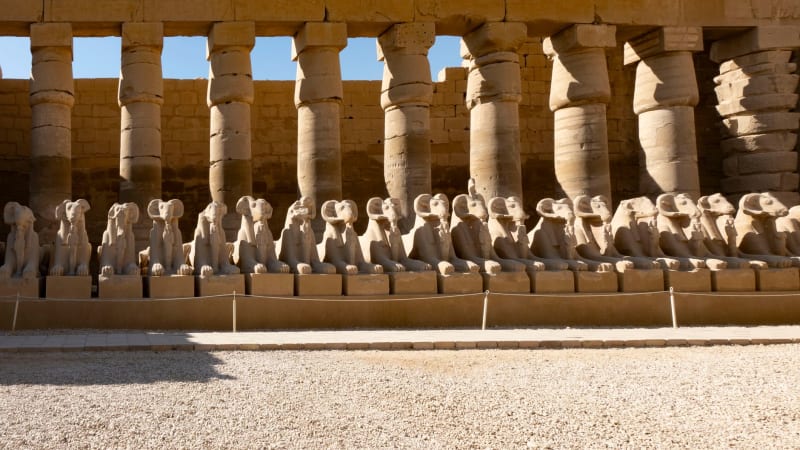 nile-valley
 Karnak
The largest religious complex ever built, a forest of columns and obelisks added to by thirty pharaohs across two thousand years of competitive devotion.
Explore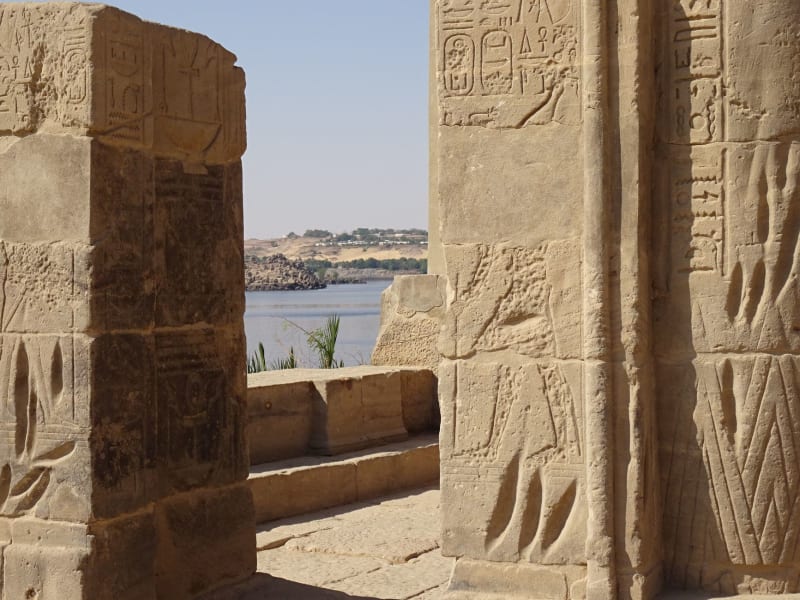 nile-valley
 Kom Ombo
A double temple on a bend in the Nile dedicated to both a crocodile god and a falcon god, where the river view is part of the spiritual architecture.
Explore