Calabar
"In December, Calabar throws the loudest party Nigeria allows itself. The rest of the year, it keeps its elegance quietly."
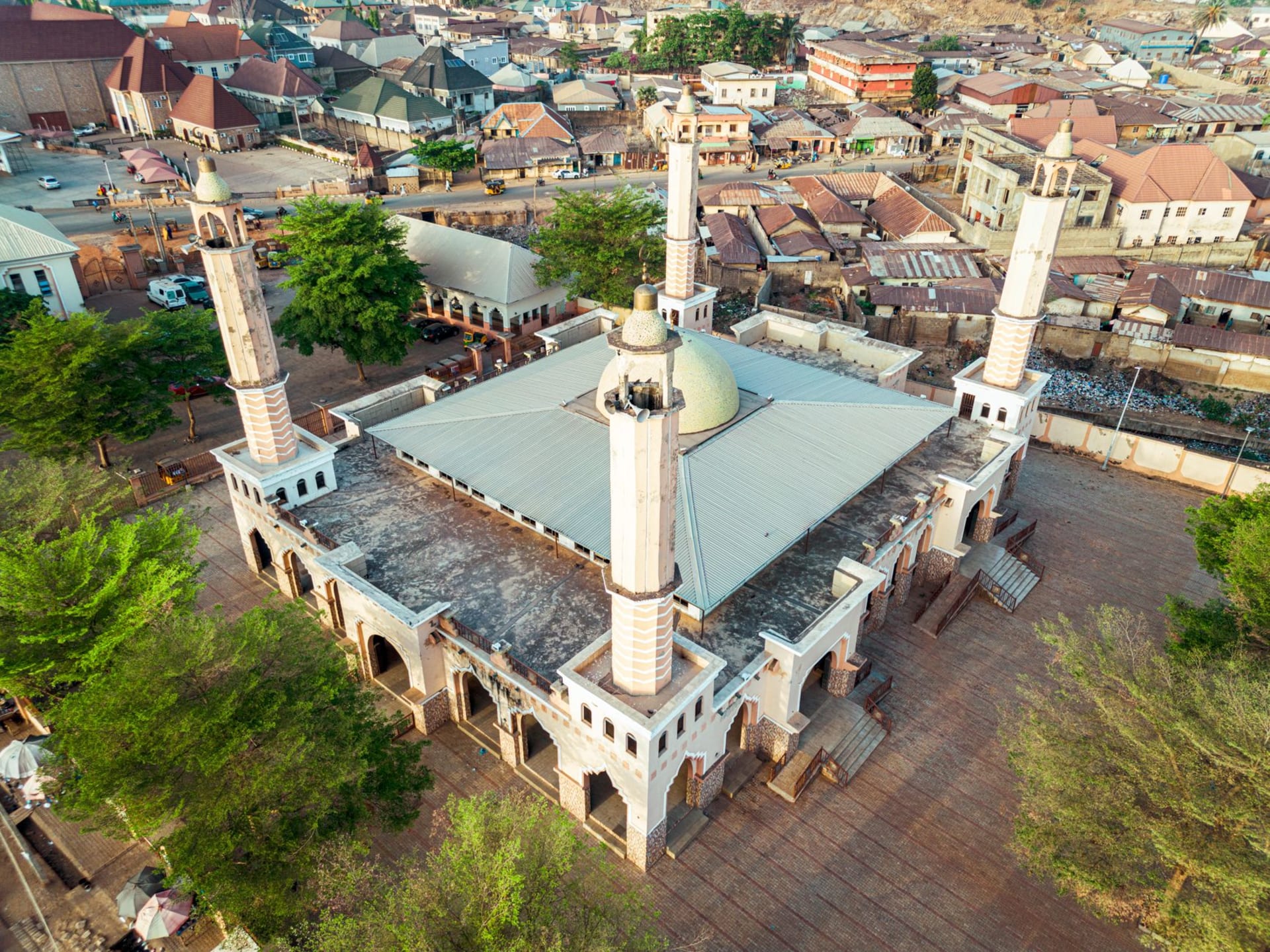
I arrived in Calabar by road from the east, crossing into Cross River State on a narrow bridge over a creek choked with water hyacinth, and the first thing I noticed was the quiet. Not the absence of sound — there were generators running, the usual motorcycle commerce, a radio somewhere — but a quality of pace different from Lagos or Abuja. Calabar is a city of around 400,000 people that feels, inexplicably, like a town that has decided to behave like a city on its own terms. The streets are lined with trees. The waterfront exists. People seem unhurried in a way that is not apathy but confidence.
The city’s history runs deep and complicated. The Efik Kingdom was here before European contact, and Calabar became one of the most significant trading ports in the Bight of Biafra from the seventeenth century onward — goods, yes, but also enslaved people, a history the city carries with a deliberateness you encounter at the Old Residency Museum on Marina Road. The museum occupies a colonial-era building that served as the British consulate, and its documentation of the slave trade — the holding chambers, the export manifests, the names when names were recorded — is handled without sentimentality and without evasion. It is not easy viewing. It is honest.

The Calabar Museum complex, housed in the white-painted colonial Government House that sits above the river on a slight rise, carries a different kind of authority. From the verandahs you can see across the Calabar River to the opposite bank, the water brown and wide and slow, with the occasional dugout canoe moving through the morning mist. The collections inside document the depth of Efik culture — the ekpe masquerade society, the Ibibio bronze work, the textiles — with a care that suggests the curators are not performing history for outsiders but maintaining it for the community.
The food in Calabar is one of the best arguments for spending time here. Edikang ikong soup — made with fluted pumpkin leaves, waterleaf, dried fish, crayfish and periwinkle shells — is a dark, intensely flavored broth that makes you want to eat slowly. Afang soup has a similar intensity, the afang leaves giving it a slight bitterness that balances the richness of palm oil and smoked fish. The markets along Watt Street carry fresh fish from the river and the mangroves, and the pepper soup here, made with catfish and spiced with ehuru and uda seeds, has a heat that builds from the back of the throat forward.

December in Calabar is a completely different proposition. The Calabar Carnival — billed as Africa’s Biggest Street Party — takes over the city for the entire month, with competing carnival bands, floats, performers from across Nigeria and the world, and crowds that fill the streets from morning until deep into the night. The contrast with the city’s usual decorum is total and somewhat magnificent. Calabar lets itself go completely in December in a way that suggests the rest of the year it knows exactly what it is doing.
When to go: November to March is the dry season and the most comfortable time to experience the city’s day-to-day character. December, specifically, for the carnival — but book accommodation months in advance, as hotels fill entirely and prices multiply. The nearby Cross River National Park, the largest in Nigeria, is best visited in the dry season when the forest trails are navigable and wildlife is more concentrated around water sources.