Abuja
"After Lagos, Abuja feels like someone pressed pause. Then Zuma Rock appears and nothing feels paused anymore."
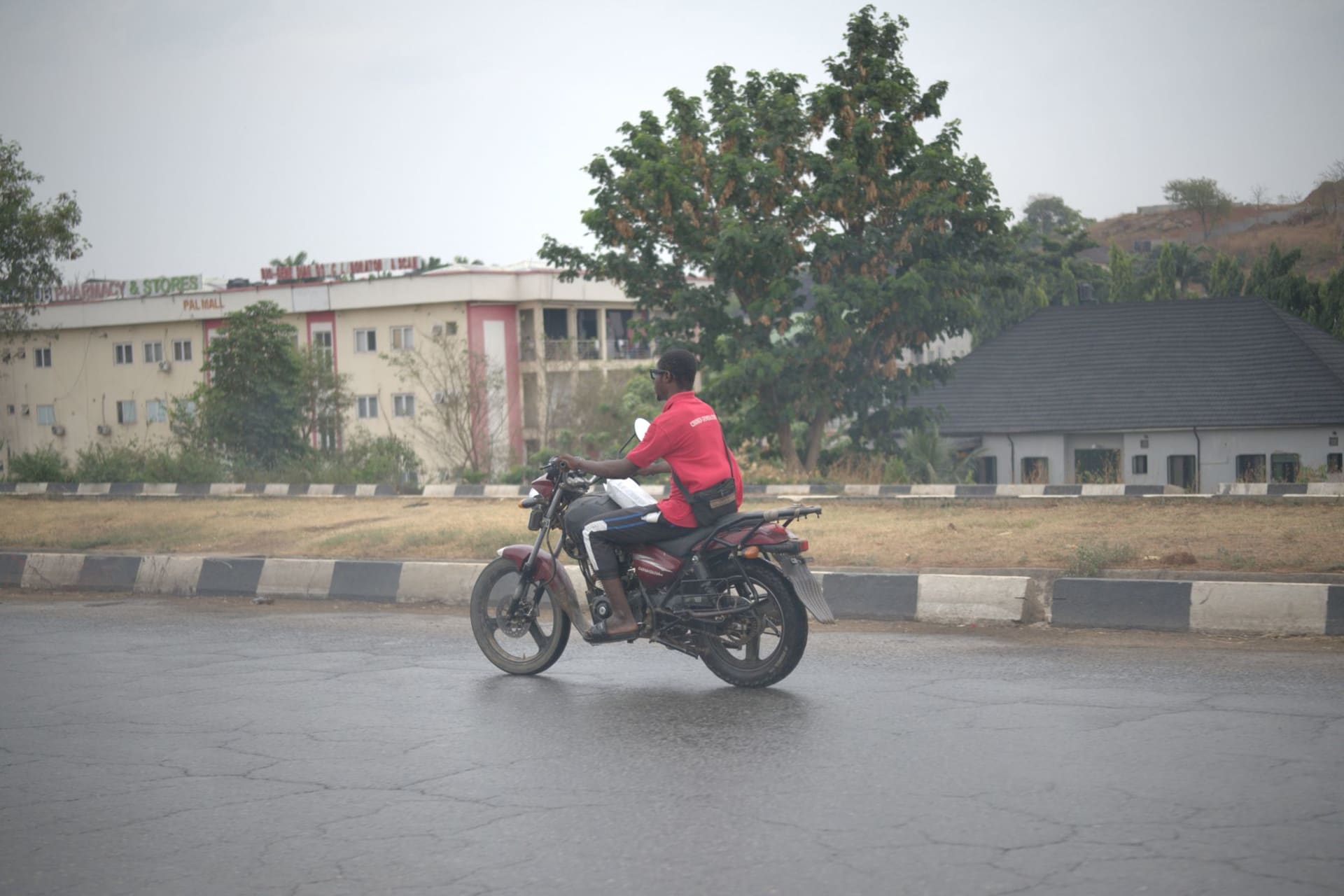
The drive from Lagos to Abuja takes about six hours if the roads cooperate, which they often don’t, but arriving at the capital is a genuinely jarring experience — not because it is beautiful, which it is, in a geometric, intentional way, but because it feels so unlike the country that surrounds it. Wide boulevards. Landscaped roundabouts. Buildings that stand where architects intended them to stand. After the organic density of Lagos, Abuja reads as a kind of administrative fiction, a city designed to project a version of Nigeria that the government wanted people to believe in. And yet it works on you, slowly.
The city sits at an altitude of around 840 meters, which means the air is genuinely cooler — not cool by European standards, but cool enough that you notice it after the swampy heat of the coast. Walking through the Central Business District in the early morning, when the streets are still half-empty and the light is low and golden, Abuja feels like a city that hasn’t quite decided what it wants to be. The Nigerian Supreme Court here, the National Assembly building, the Central Mosque with its four minarets catching the morning light — they are genuinely impressive structures, arranged with a confidence that Lagos, in all its magnificent chaos, never had to bother with.

But the true revelation of any visit to Abuja comes on the road north toward Suleja, about 30 kilometers outside the city. Zuma Rock appears without warning — a volcanic monolith rising 725 meters out of the flat surrounding savannah, its dark face mottled with grey and black and the faint suggestion of green where moisture collects in the crevices. Nothing in the landscape prepares you for it. You are driving through ordinary flatland and then this thing simply exists, enormous and blunt and indifferent, in a way that makes the surrounding human activity feel very small and very temporary. The Gwari people consider it a protective spirit, a guardian of the capital. I stopped the car and stood there for longer than I planned, watching the rock face shift color as a cloud passed over the sun — grey to amber to something almost purple at the edges.
Abuja has quieter pleasures beyond the monuments. The Wuse Market is a working market rather than a tourist attraction — sprawling, loud, specific, full of tailors and electronics vendors and stalls piled with dried fish and red peppers and fabric in every pattern imaginable. The Jabi Lake area in the afternoon carries a different mood: families on boats, children at the water’s edge, the whole scene lit with the golden diffidence of an African evening. Millenium Park, the city’s largest green space, becomes a place of genuine human activity on weekends — kite flyers, couples walking, vendors selling groundnuts and coconut water in front of the fountain.

Eating well in Abuja means finding the spots that the civil servants and diplomats have quietly claimed. The Wuse 2 neighborhood carries most of the better restaurants — Nkoyo for Igbo cuisine, various spots along Aminu Kano Crescent where Lebanese and Nigerian cooking have evolved a specific hybrid, the suya men who set up nightly at the end of roads in Garki. Nothing flashy. Nothing that needs to be flashy.
When to go: October through February is Abuja at its most comfortable — cooler temperatures, the harmattan haze arriving in December to filter everything into a golden amber. The rainy season (April to September) turns the city green but makes the red laterite roads outside the city into mud. The annual Abuja Carnival, held in November, fills the boulevards with color and music in ways the city’s planners perhaps didn’t fully anticipate.