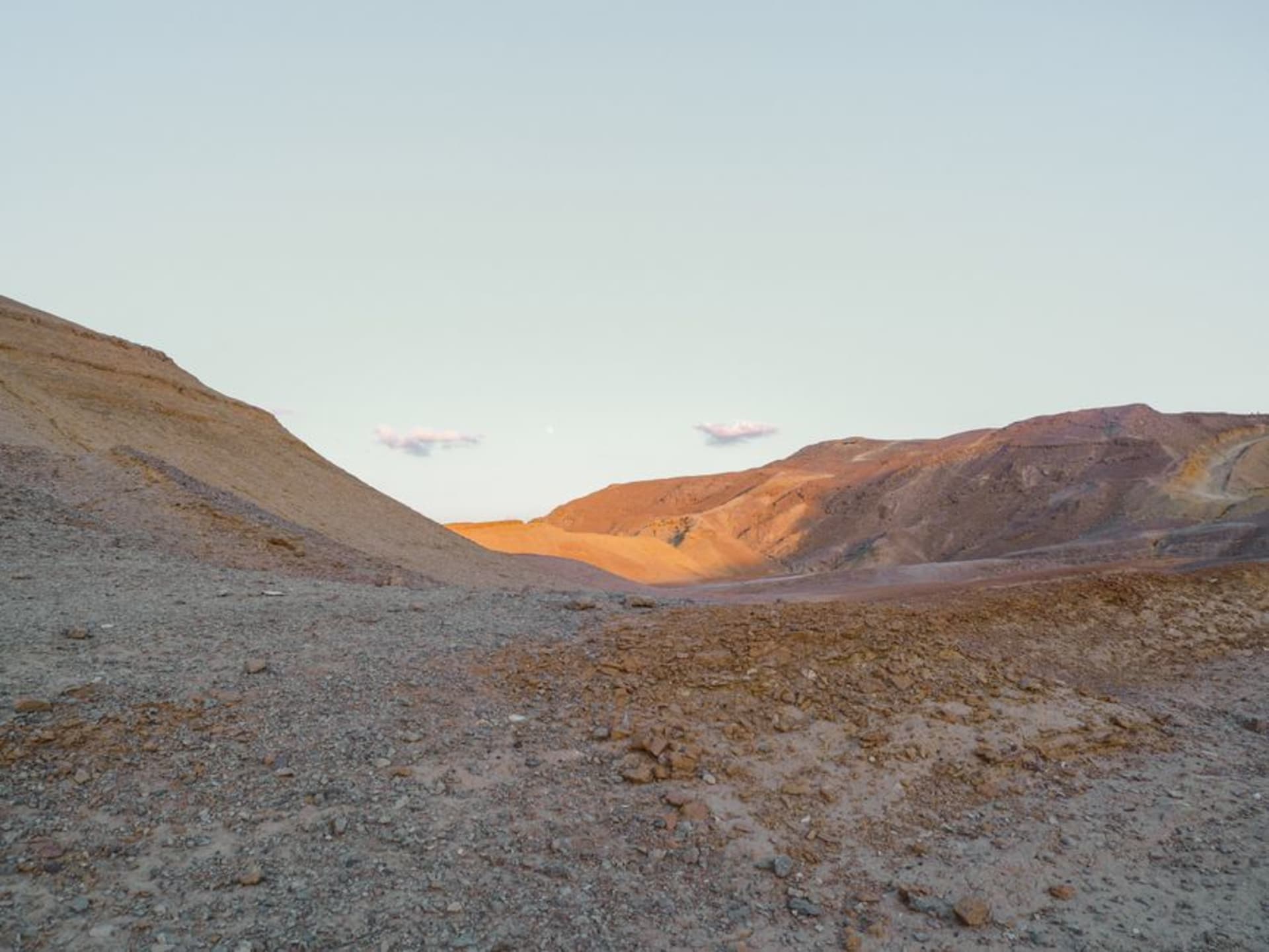
A ghost fortress and thousands of ancient rock engravings hidden in one of the Sahara's most remote and forgotten corners.
I’m not going to pretend getting to Djado was easy, because it wasn’t, and I think that’s part of why it’s stayed with me more than almost anywhere else Lia and I have been. We’d been warned for years that the far northeast of Niger, up near the Libyan and Chadian borders, was effectively off the map — too remote, too sensitive, too hard to reach safely. When a narrow window finally opened and we found a trusted local fixer who knew the region, we took it without much hesitation. Days of driving over corrugated pistes and open gravel plains later, the plateau rose out of the haze like something that had been waiting a very long time for visitors.
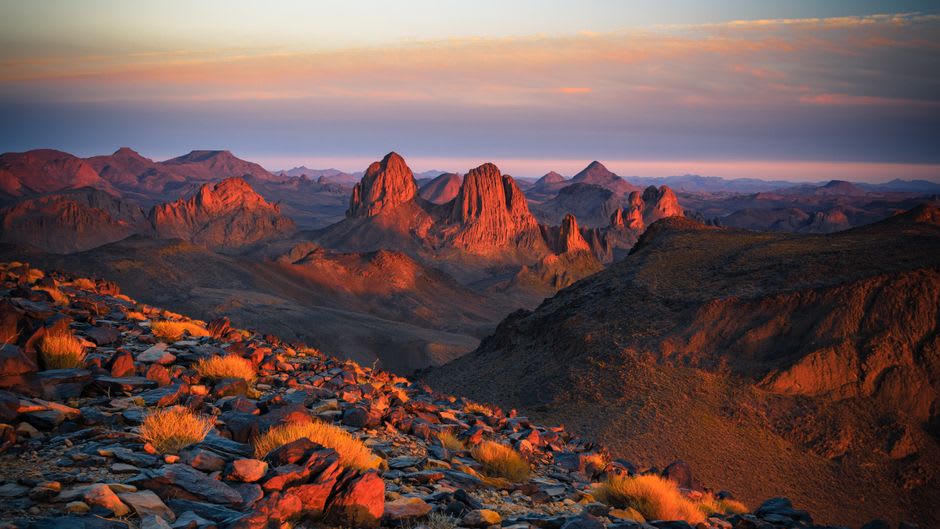
What struck me first wasn’t the isolation, it was the shape of the land itself. Wind has been carving this sandstone massif for longer than anyone can really measure, and the canyons and rock towers it left behind look less like geology and more like architecture — arches, columns, half-collapsed halls, all sculpted by nothing but moving air and time. We camped one night tucked against a canyon wall, and I remember Lia running her hand over the rock and just saying “it’s breathing,” which sounds dramatic until you’re actually there at dusk listening to it creak and tick as it cools.
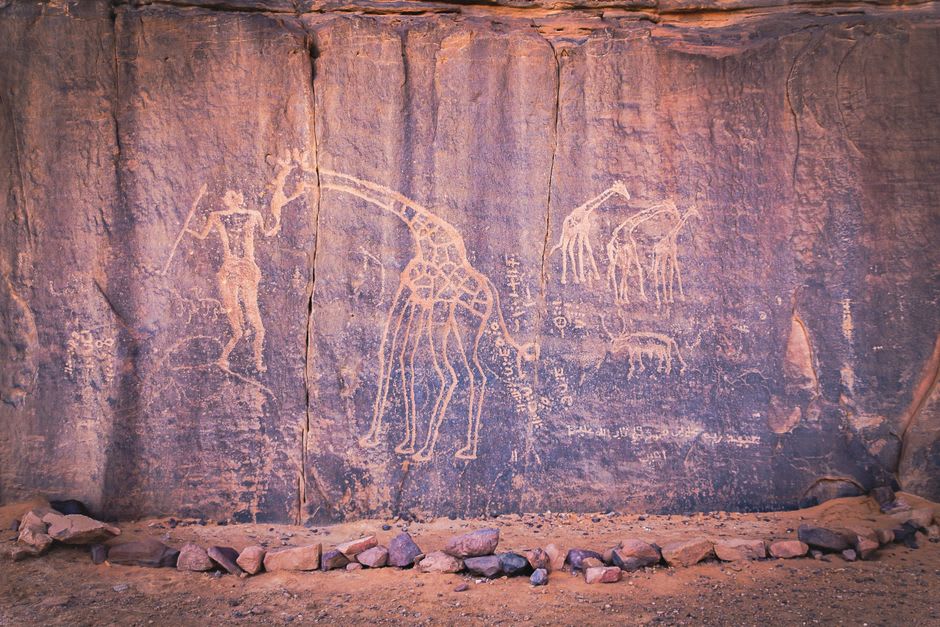
The engravings are what I still think about most. Scattered across the rock faces are thousands of images — cattle herds, long-necked giraffes, human figures with raised arms — carved and painted by people who lived here when the Sahara was green, when rivers ran where there’s now nothing but sand and stone for hundreds of kilometers. Crouching in front of a panel of giraffes, knowing they grazed here thousands of years ago, did something to my sense of time that I haven’t fully shaken off. Our guide, who’d grown up hearing stories about the old fortress town nearby, walked us through panel after panel like he was introducing us to relatives.
That fortress, the abandoned town of Djado itself, was the other thing that got under my skin. Built from mudbrick by Kanuri or Toubou settlers, it’s been empty for decades, but it’s still standing — walls, doorways, narrow lanes, all eerily intact, as if everyone just left one morning and never came back. Walking through it at dusk, Lia a few steps ahead with her camera, I kept catching myself listening for voices that weren’t there. It’s the kind of silence that has weight to it.
When to go: Aim for November through February, when Saharan daytime heat eases into something survivable and the nights, though cold, are far kinder than the brutal summer months — though honestly, given how remote this place is, the season matters less than finding the right guide and the right window of safety to go at all.
Keep exploring
More from Niger
 niger
niger Dosso
A quietly dignified emirate town in Niger's green southwest where the Djerma-Sonrai culture runs deep and the road to Benin passes through a different kind of Sahel.
Explore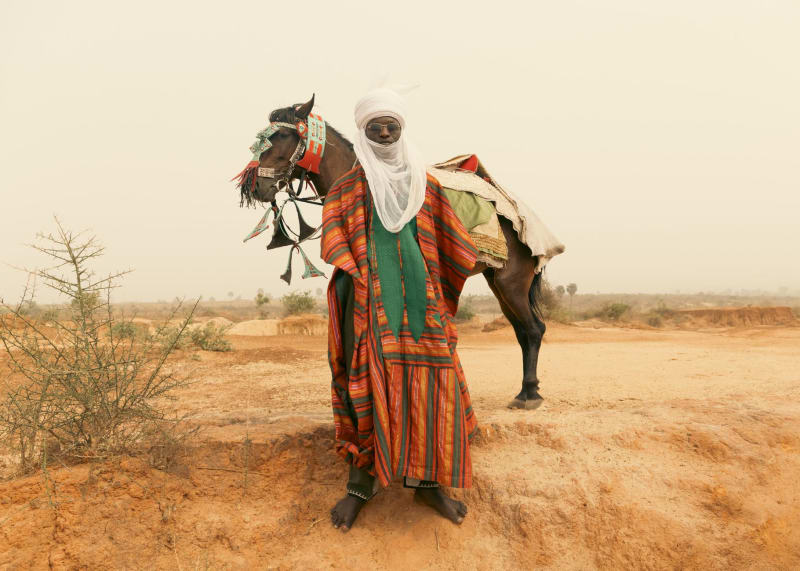 niger
niger In-Gall
A small desert town that swells once a year into one of the Sahel's great nomadic gatherings — the Cure Salée festival of the Tuareg and Wodaabe.
Explore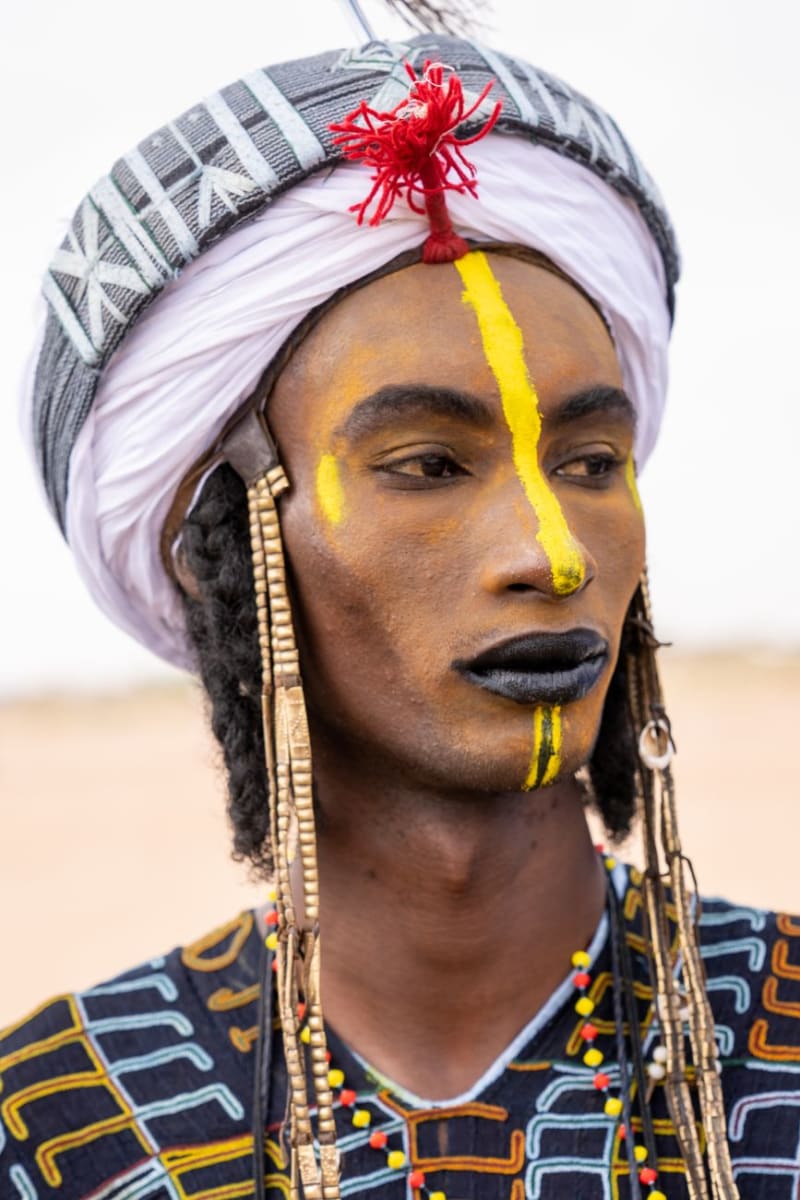 niger
niger Kouré
A stretch of dry bush an hour south of Niamey where the last wild giraffes in West Africa drift between the thorn trees as if they own the place — which, in fairness, they do.
Explore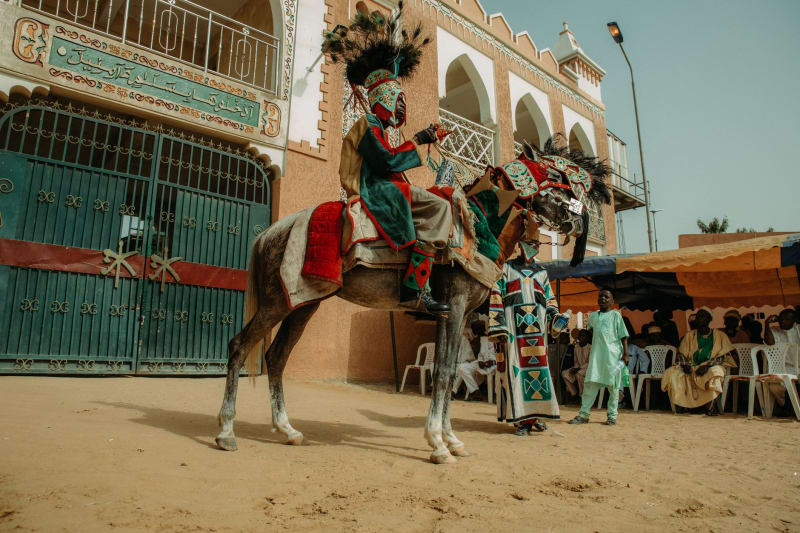 niger
niger Maradi
Niger's commercial engine — a Hausa border city where Nigerian traders, groundnut sacks, and the smell of peanut oil frying define the street-level tempo.
Explore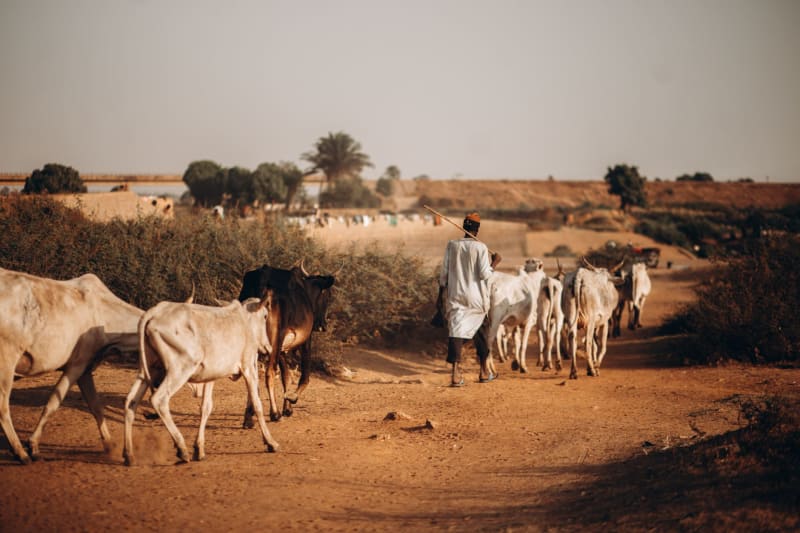 niger
niger Niamey
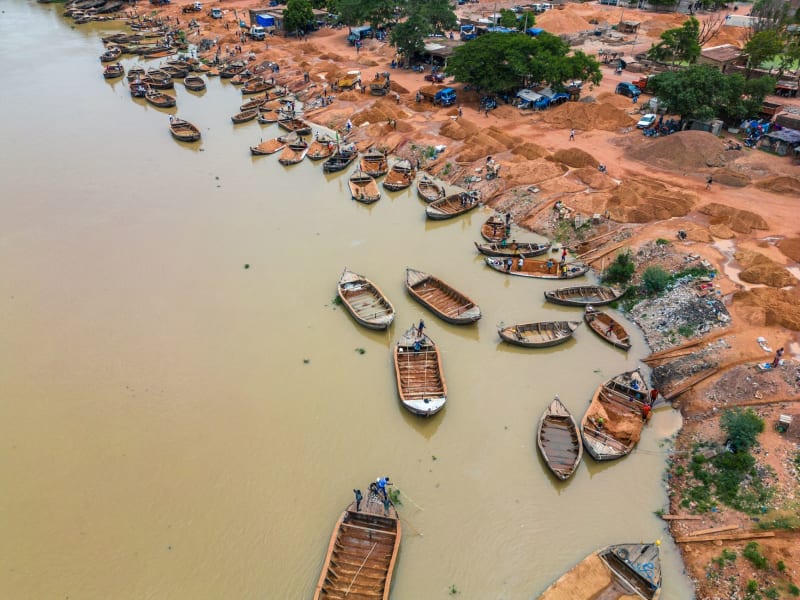
A river capital where the Niger flows past indigo traders and dust-coated motos in stubborn, ordinary splendor.
Explore niger
niger Tahoua
A crossroads market town where the Sahel meets the Saharan edge and Tuareg silversmiths work beside Hausa onion traders in the same sun-baked square.
Explore