Wiwilí
"Wiwilí is a town cut in half by a river and a border, and somehow that makes it feel more whole, not less."
A frontier town split by the Coco River on the Honduran border, where smallholder cacao and coffee farms give way, just north, to the start of the rainforest.
Wiwilí is really two towns wearing one name — Wiwilí de Nueva Segovia on one bank of the Río Coco and Wiwilí de Jinotega on the other, connected by a bridge that everyone treats as just another street rather than a border between departments. The river itself marks something bigger, too: further upstream it becomes the border with Honduras, and the whole area has a frontier feel that’s different from anywhere else I visited in Nicaragua, remote enough that the paved road technically ends before you arrive and the last stretch is a red dirt track through hills terraced with smallholder farms.
Cacao Under Cover
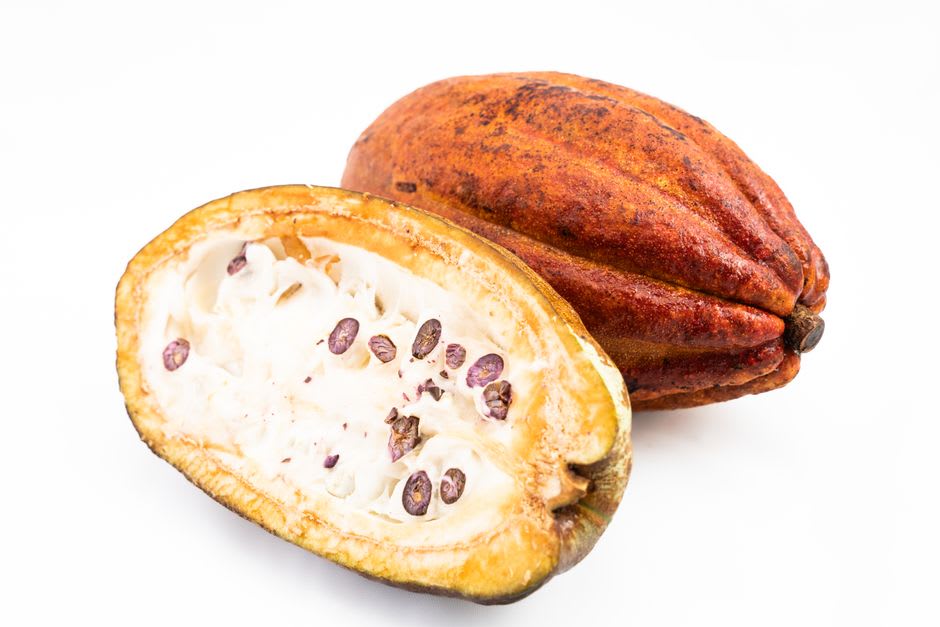
What brought me here, honestly, was cacao. Wiwilí sits in one of Nicaragua’s main cacao-growing zones, and unlike the industrial plantations I’d read about elsewhere in the tropics, the farms here are almost all small family plots, cacao trees grown under a mixed canopy alongside coffee, plantain, and timber trees in a system farmers called “cacao bajo sombra” — cacao under shade. I visited a cooperative just outside town where a woman named Yolanda walked me through the fermentation boxes, wooden crates layered with banana leaves where the pulp-coated beans sit for days, turning from white to a deep purple-brown as they ferment, the smell somewhere between wine and compost and, faintly, chocolate. She cracked open a fresh pod for me on the spot, and the beans inside, coated in white pulp, tasted almost nothing like chocolate — sweet, tangy, more like a strange tropical fruit than the finished product they become.
The Edge of the Rainforest
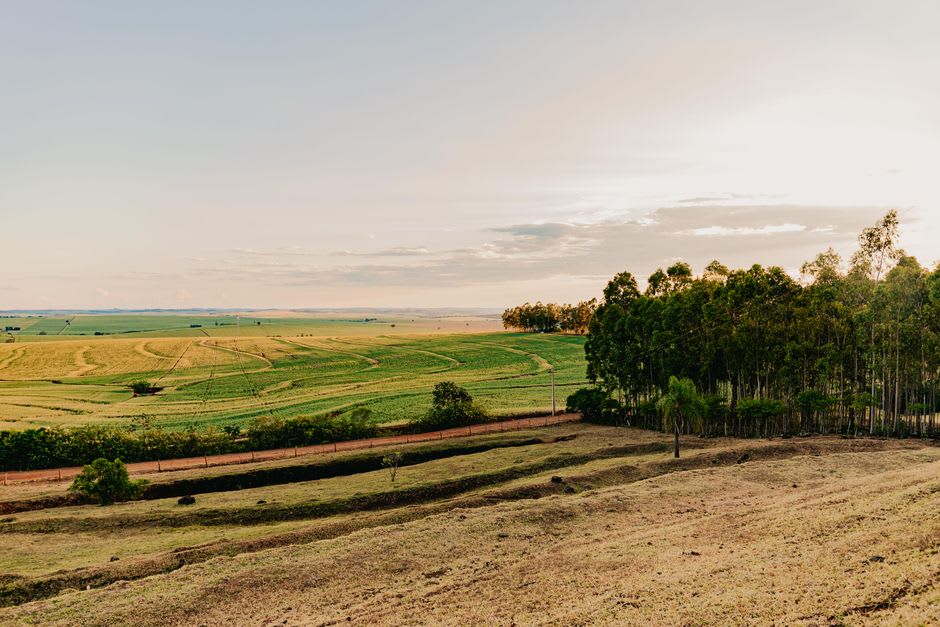
North and east of Wiwilí, the smallholder farms thin out and the land starts climbing into genuine rainforest, part of the buffer zone leading eventually into the Bosawás reserve. Standing at the edge of town in the late afternoon, I could see exactly where the cultivated hills stopped and the deeper green of unbroken forest began, a line almost too clean to be natural. A local guide told me some families still travel days upriver by canoe to reach communities that have no road access at all, trading cacao and coffee for supplies they can’t grow or make themselves. Wiwilí felt, more than anywhere else on this trip, like the last town before the map runs out of towns.
When to go: Dry season (December–April) for the most reliable road access; the cacao harvest peaks twice a year, around June and December, which is the best time to see fermentation and drying in full swing at the local cooperatives.
Keep exploring
More from Nicaragua
 nicaragua
 Apoyeque
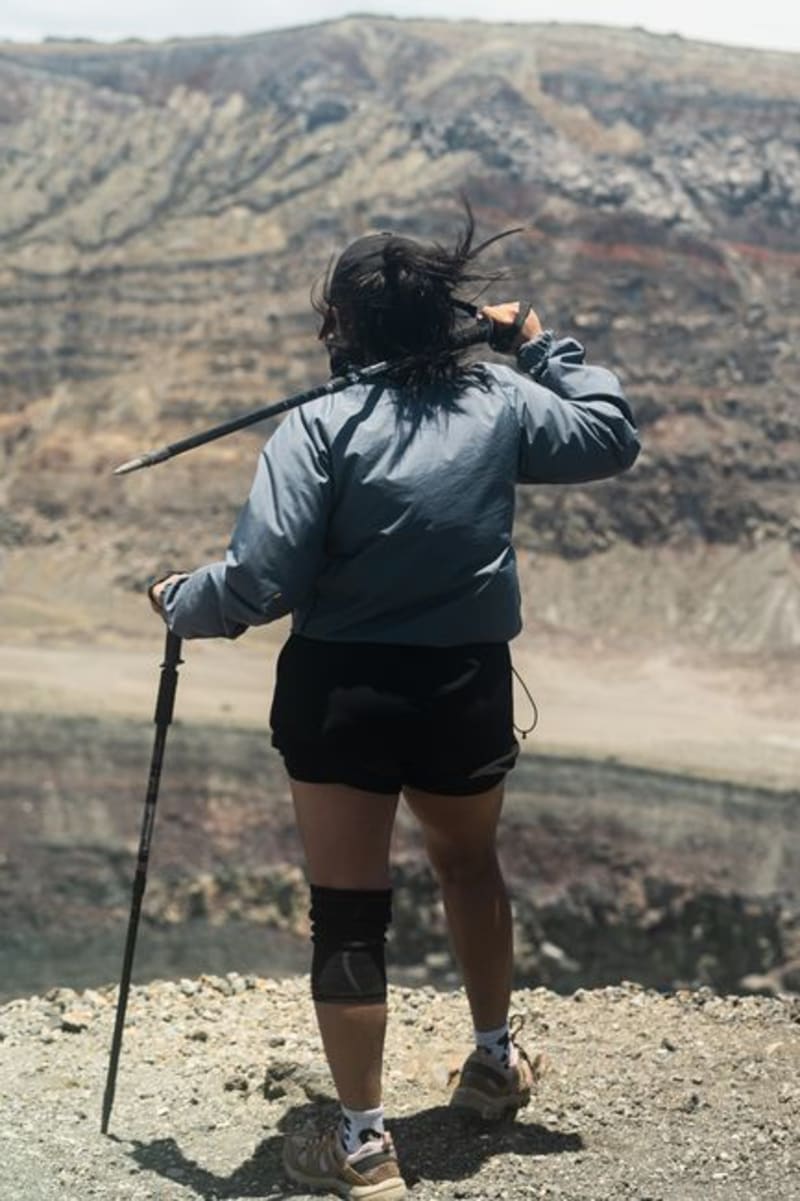
A near-perfect volcanic crater lake on the Chiltepe Peninsula that almost nobody visits, reachable only on foot, with two of Nicaragua's great lakes visible from its rim.
Explore nicaragua
 Corn Islands
Big Corn Island's Caribbean culture and lobster dinners reward the effort of getting to Nicaragua's forgotten coast.
Explore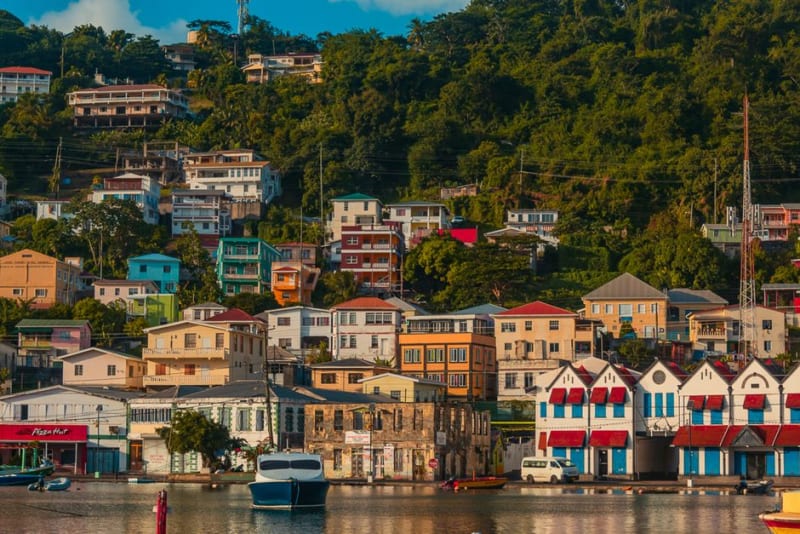 nicaragua
 Bluefields
A Caribbean port city where English and Miskito outrank Spanish, reachable only by boat or small plane, and utterly unlike anything on Nicaragua's Pacific side.
Explore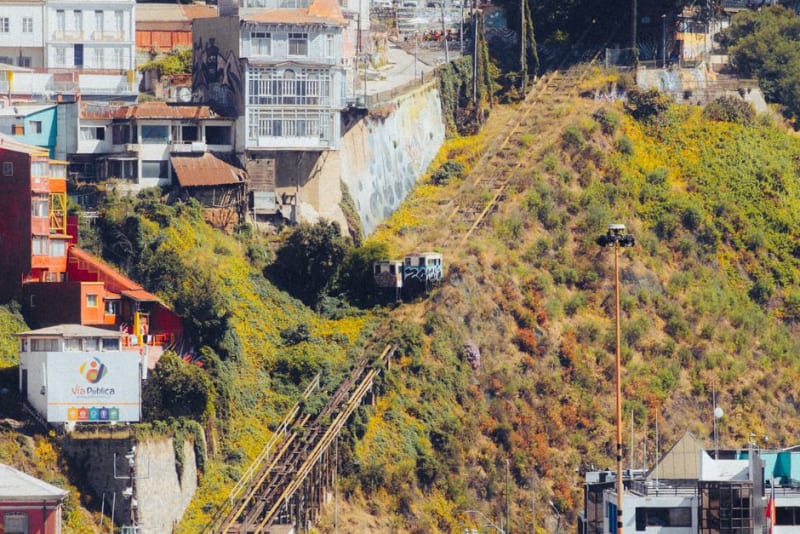 nicaragua
 Boaco
Nicaragua's 'City of the Two Floors,' stacked on a steep hillside above dairy country, where cowboy hats are standard dress and the streets genuinely have levels.
Explore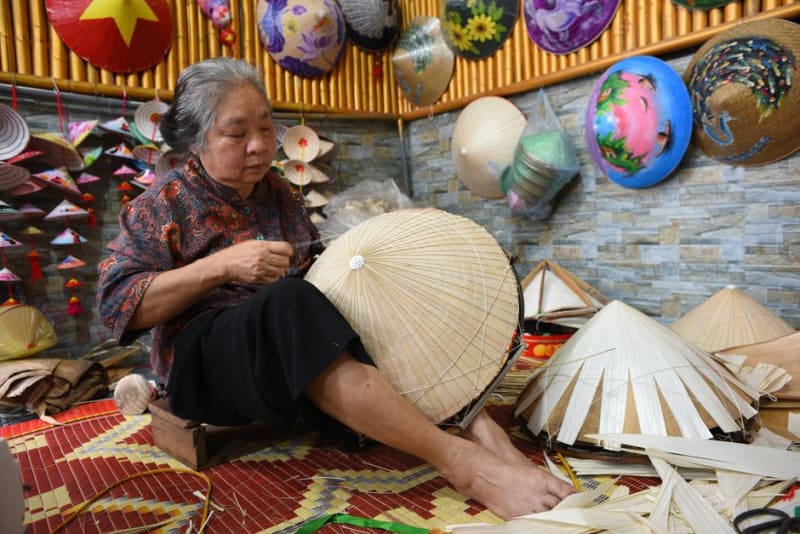 nicaragua
 Camoapa
A small cattle town near Boaco known across Nicaragua for its handwoven leather and palm-fiber hats, made by families who've done little else for generations.
Explore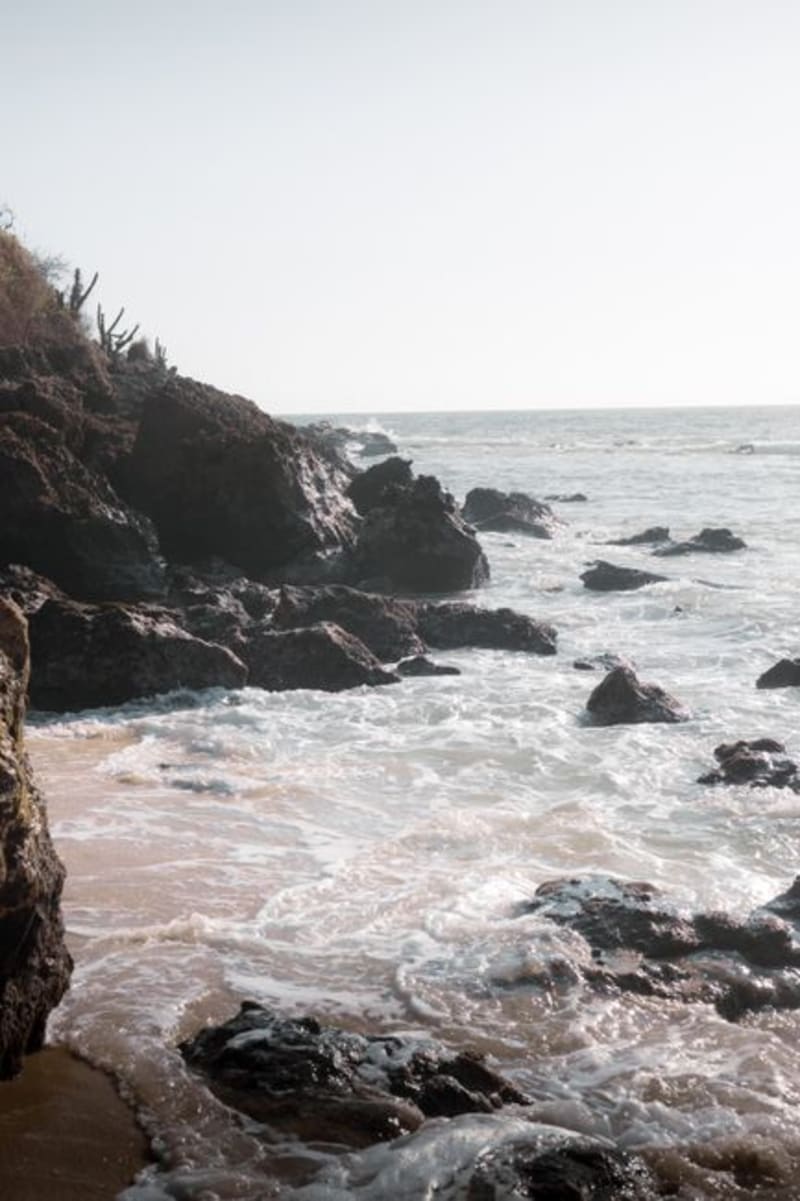 nicaragua
 Carazo Coast
A stretch of Pacific beaches below the Carazo highlands, from La Boquita to Casares, where cliffside views meet small fishing-village life.
Explore