Ometepe's quieter, dormant twin — a rainforest-swallowed cone hiding a crater lagoon at its summit, waterfalls on its flanks, and howler monkeys that announce you long before you see them.
If Concepción is Ometepe’s temper, Maderas is its patience. The volcano hasn’t erupted in recorded history, and in the silence that followed, an entire cloud forest moved in and claimed it — a green so total that from the ferry approaching the island, Maderas barely reads as a volcano at all. It looks like a mountain that was always just a mountain. I climbed it on my second day on Ometepe, mostly because my knees were still recovering from Concepción the day before and I’d been told, correctly, that Maderas is the gentler of the two. Gentler did not mean easy.
A Jungle That Talks Back
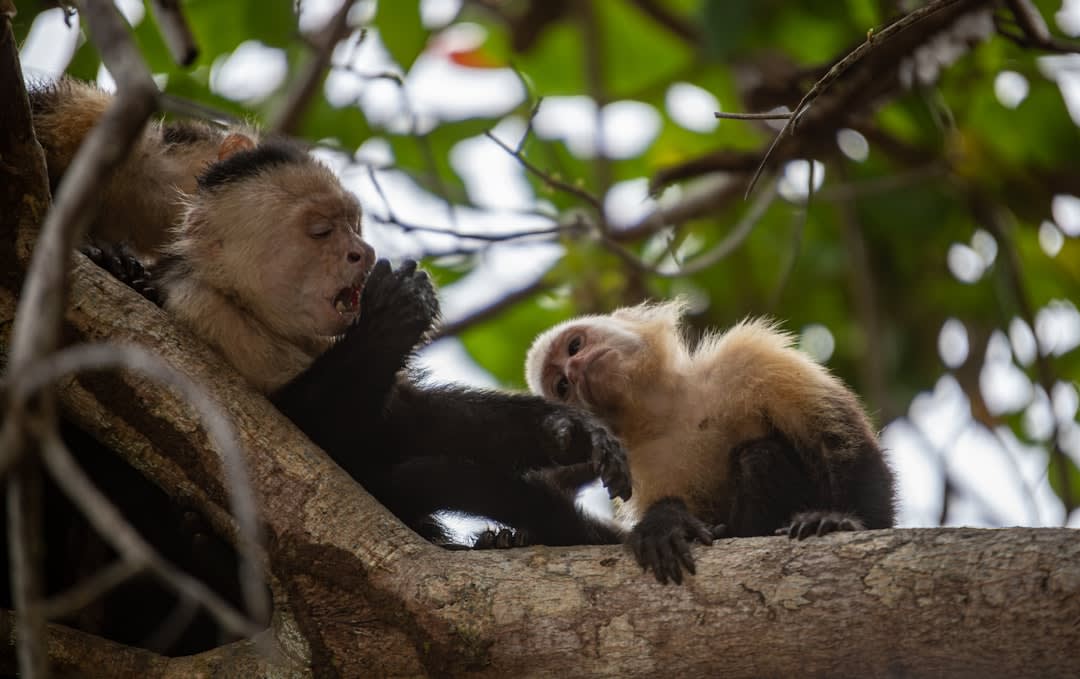
The trail begins near the village of Balgüe and moves almost immediately into thick, humid forest, the kind where the canopy closes overhead within the first ten minutes and doesn’t open again until the crater. I heard the howler monkeys before I’d walked twenty meters — a sound that some first-time visitors mistake for a jaguar, a low, rolling roar that seems too large to come from an animal you could hold in your arms. My guide, Wilber, pointed up without breaking stride and there they were, three of them, moving through the upper branches with a total disregard for the two humans watching from below. Further up, we detoured to a waterfall that drops maybe fifteen meters into a cold black pool — the kind of cold that makes you gasp on entry and then not want to leave.
The Lagoon at the Top
The final stretch to the crater is a scramble through mud and exposed roots, steep enough that most of the group was using hands as much as feet, and the reward at the top is strange and a little anticlimactic in the best way: not a view, but a lagoon. The crater has filled with water over the centuries, and what greets you at the summit — after four hours of climbing — is a still, cold, tea-colored lake ringed by forest, mist drifting across its surface, utterly silent except for birds. Wilber told me some hikers swim in it. I looked at the water, black with tannins and clearly very cold, and decided that reaching it was achievement enough.
The descent took nearly as long as the climb, my legs shaking by the final kilometer, and I arrived back in Balgüe covered in mud to the knee, utterly wrecked, and happier than I’d been in weeks. Ometepe has a way of making you earn its quiet corners.
When to go: The dry season (December to April) keeps the trail from turning into a mudslide, though Maderas is cloud forest and gets some rain year-round — go regardless of season and just accept you’ll get muddy. Start early to beat the afternoon cloud that regularly obscures the crater.
Keep exploring
More from Nicaragua
 nicaragua
 Volcán Mombacho
A cloud-forest volcano looming over Granada, its slopes striped with coffee plantations and threaded with canopy trails where orchids outnumber people.
Explore nicaragua
 Wiwilí
A frontier town split by the Coco River on the Honduran border, where smallholder cacao and coffee farms give way, just north, to the start of the rainforest.
Explore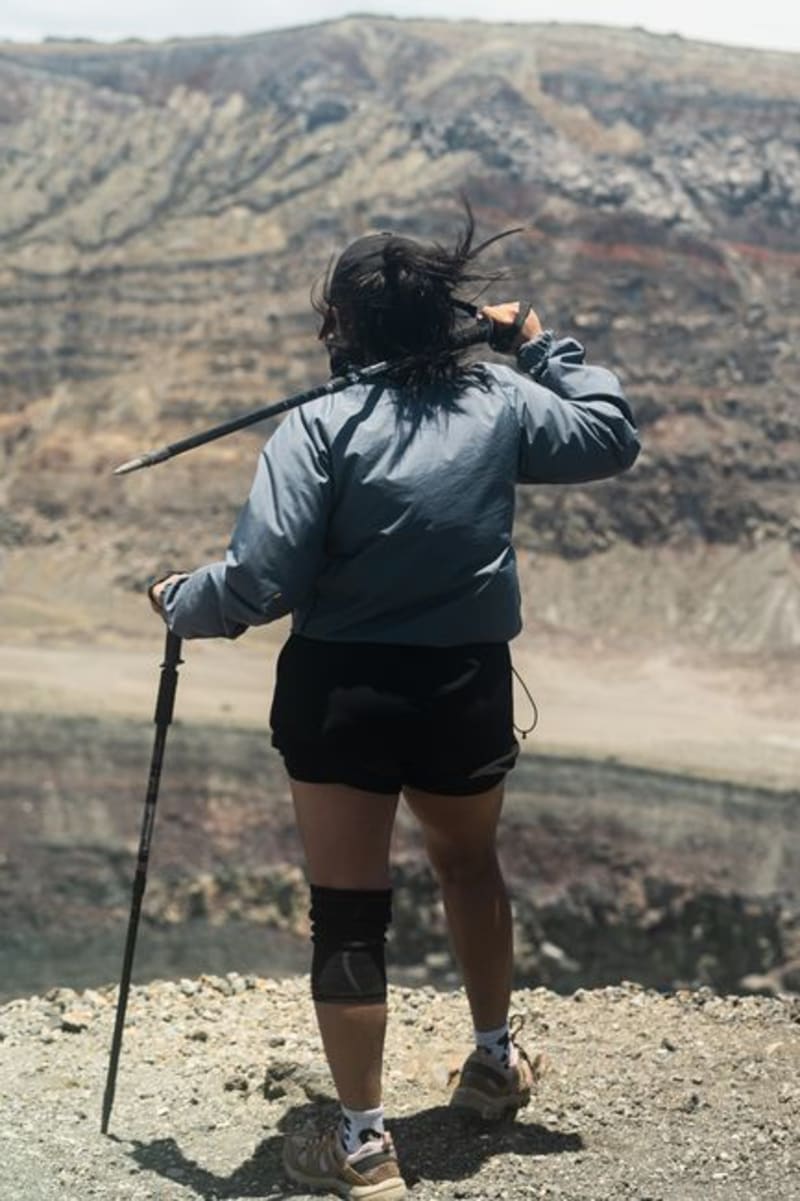 nicaragua
 Apoyeque
A near-perfect volcanic crater lake on the Chiltepe Peninsula that almost nobody visits, reachable only on foot, with two of Nicaragua's great lakes visible from its rim.
Explore nicaragua
 Corn Islands
Big Corn Island's Caribbean culture and lobster dinners reward the effort of getting to Nicaragua's forgotten coast.
Explore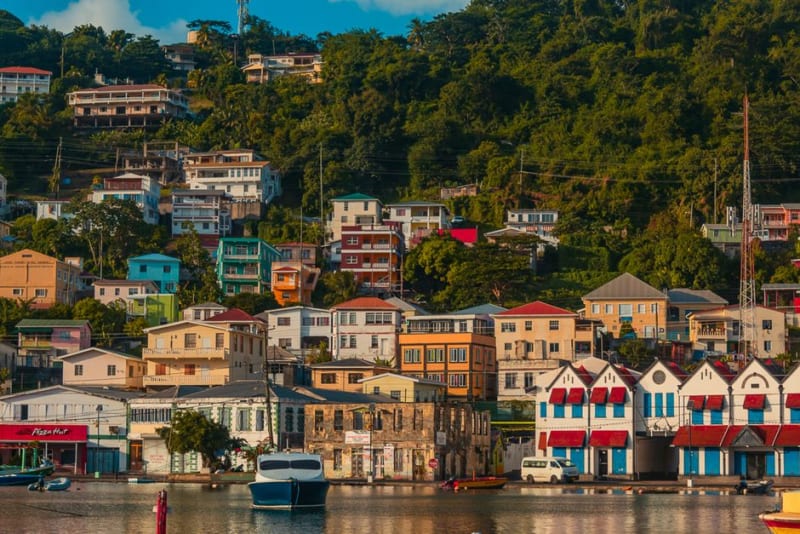 nicaragua
 Bluefields
A Caribbean port city where English and Miskito outrank Spanish, reachable only by boat or small plane, and utterly unlike anything on Nicaragua's Pacific side.
Explore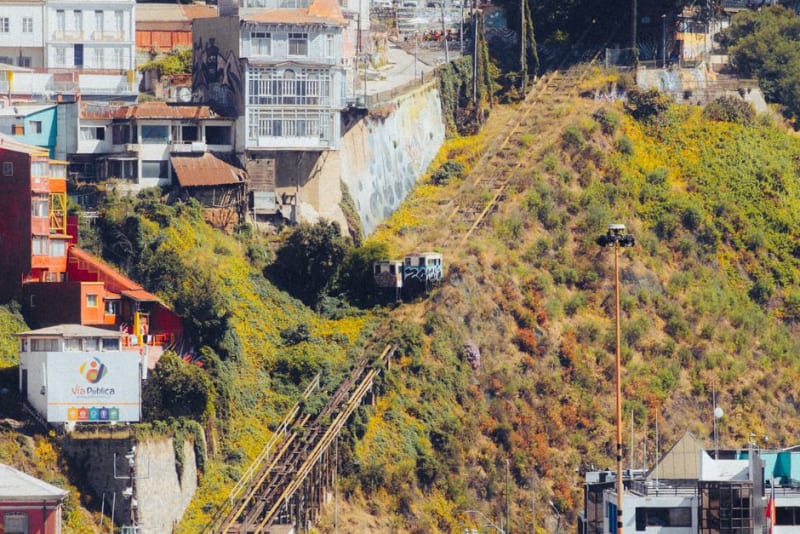 nicaragua
 Boaco
Nicaragua's 'City of the Two Floors,' stacked on a steep hillside above dairy country, where cowboy hats are standard dress and the streets genuinely have levels.
Explore