Solentiname Islands
"I bought a painting from the artist's mother on her front porch, and it's still the best souvenir I own from anywhere."
A remote Lake Nicaragua archipelago where a poet-priest built an artist commune, and painting in bright primitivist color is still how the islands make a living.
Getting to Solentiname takes effort — a bus to San Carlos, then a slow public boat that takes the better part of two hours crossing open lake water that can turn choppy enough to make you regret breakfast. Nobody ends up in Solentiname by accident, and that’s part of what keeps it what it is. The archipelago is a scatter of small, densely green islands near the southern edge of Lake Nicaragua, close enough to the Costa Rican border that egrets seem to commute between the two countries without noticing the difference.
A poet’s commune, still painting
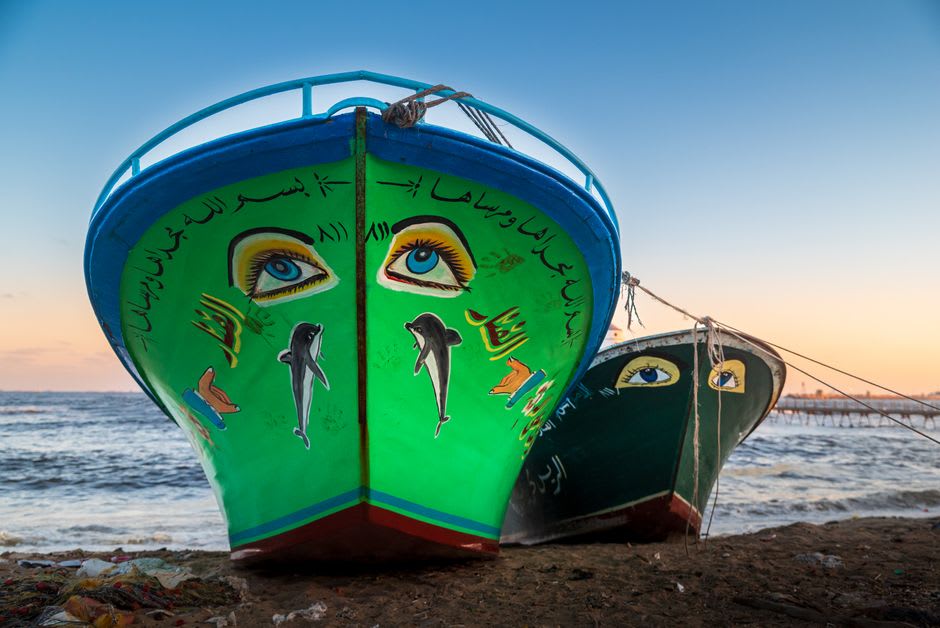
In the late 1960s, the poet and Catholic priest Ernesto Cardenal established a community on the islands built around liberation theology, art, and a deliberate rejection of the world outside. What survived, decades after Cardenal’s political and religious project fractured and reformed more than once, is a thriving tradition of primitivist painting — bright, flattened, almost dreamlike scenes of island life, toucans, fishermen, and lake sunsets, made by families who’ve been at it for two or three generations now. I spent an afternoon on Isla San Fernando with a woman named Doña Esperanza, whose late husband had studied directly under Cardenal’s original workshop, painting on her porch while her grandchildren carved wooden birds nearby to sell alongside the canvases. She sold me a small painting of an egret in flight for a price so low I made her take more.
An archipelago that runs on birdsong
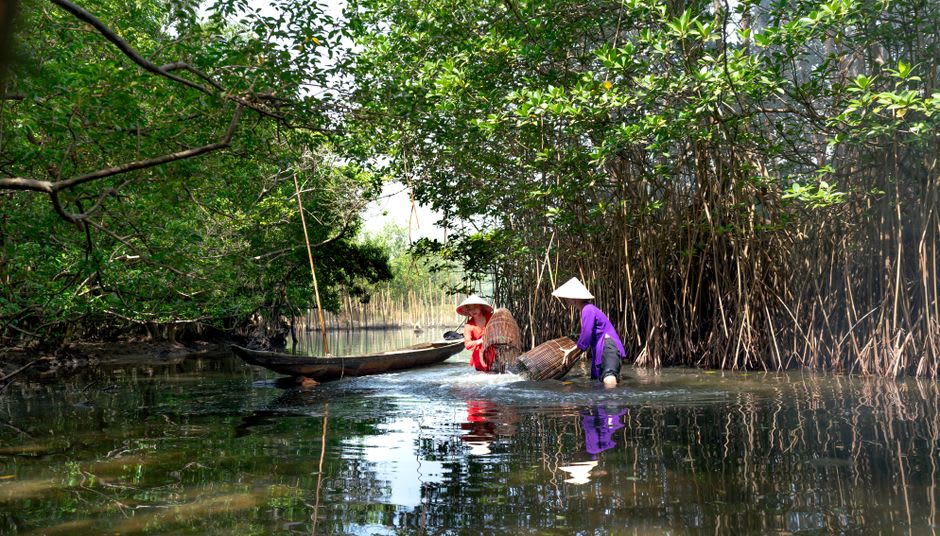
Beyond the art, Solentiname is simply one of the quietest, most biodiverse corners of Lake Nicaragua. I took a small boat at dawn with a guide named Reynaldo through the flooded channels near Isla Zapote, cutting the engine every few minutes so we could hear rather than just see — herons, kingfishers, oropendolas whose calls sound almost mechanical, and once, a family of howler monkeys crossing tree to tree directly overhead. Reynaldo grew up on these islands and pointed out nests and fruiting trees with the casual authority of someone reading a map only he could see.
There’s no real infrastructure here — a handful of family-run guesthouses, no restaurants beyond what your hosts cook for you, and electricity that still runs on generators in parts. That’s precisely why the art feels earned rather than performed, and why the silence, when the boat engines finally cut out, feels like the whole point of coming.
When to go: December to April for calmer lake crossings; the water gets genuinely rough with wind during the rainy season from June to October, so check conditions before booking the boat from San Carlos.
Keep exploring
More from Nicaragua
 nicaragua
 Somoto Canyon
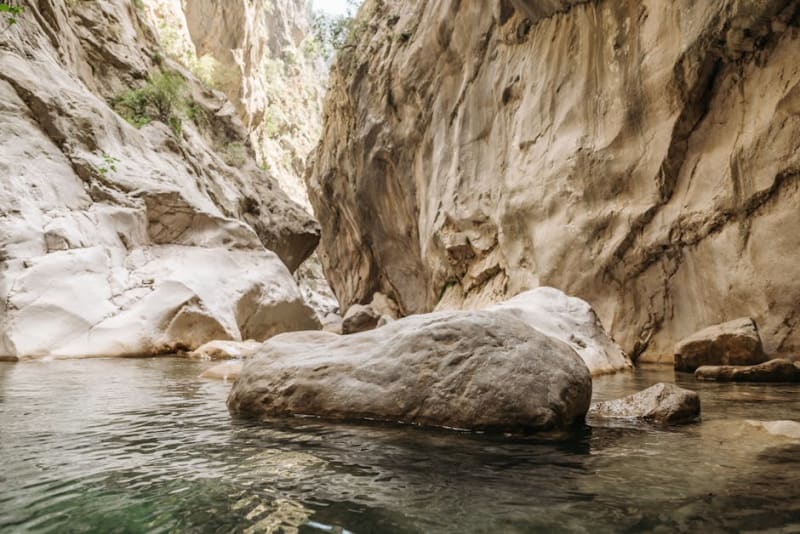
A geological cathedral in Nicaragua's remote north — swimming, cliff jumping, and a river canyon that almost no one visits.
Explore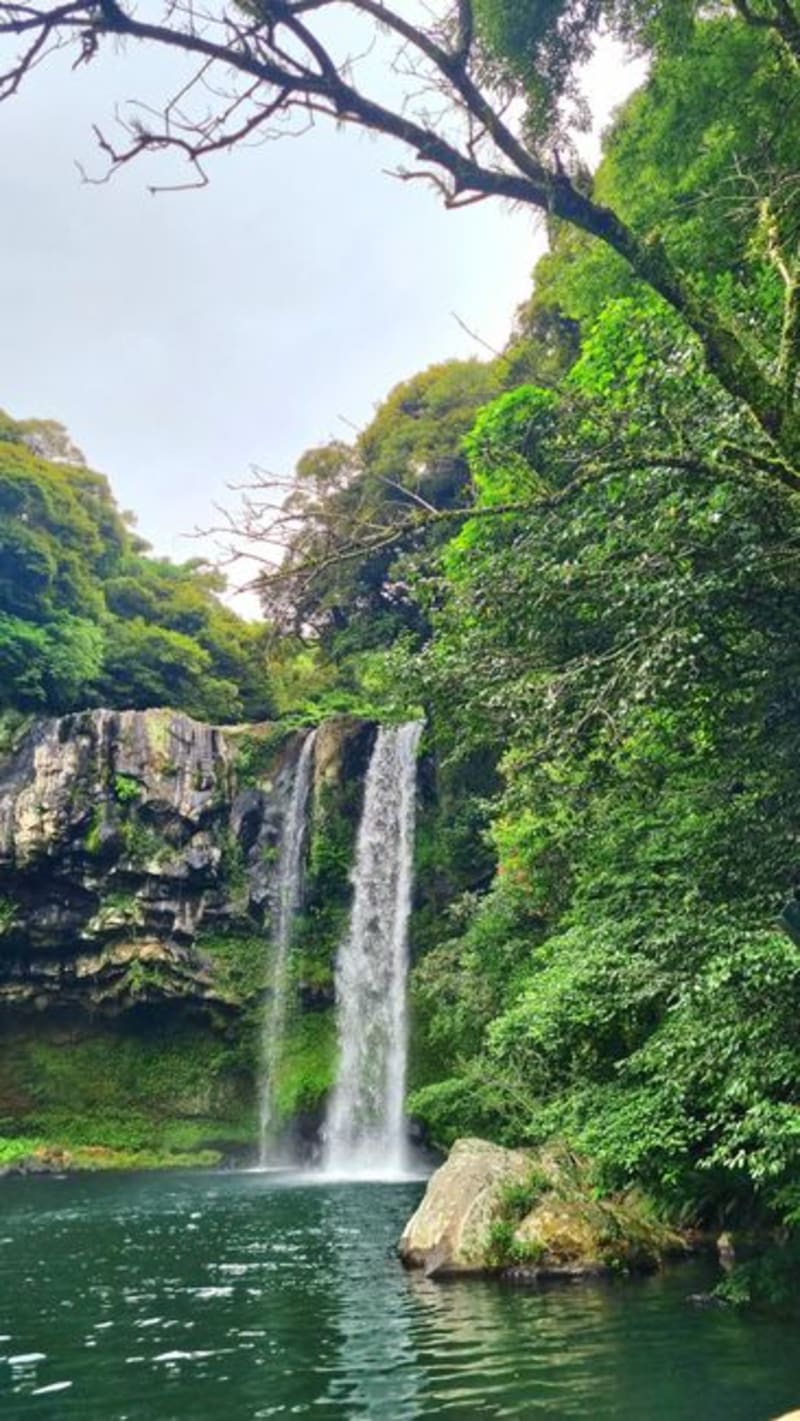 nicaragua
 Tisey-Estanzuela Nature Reserve
A highland reserve outside Estelí where a waterfall drops into a swimmable pool, dry-stone farmhouses dot the pine-covered slopes, and a mirador looks out over half of northern Nicaragua.
Explore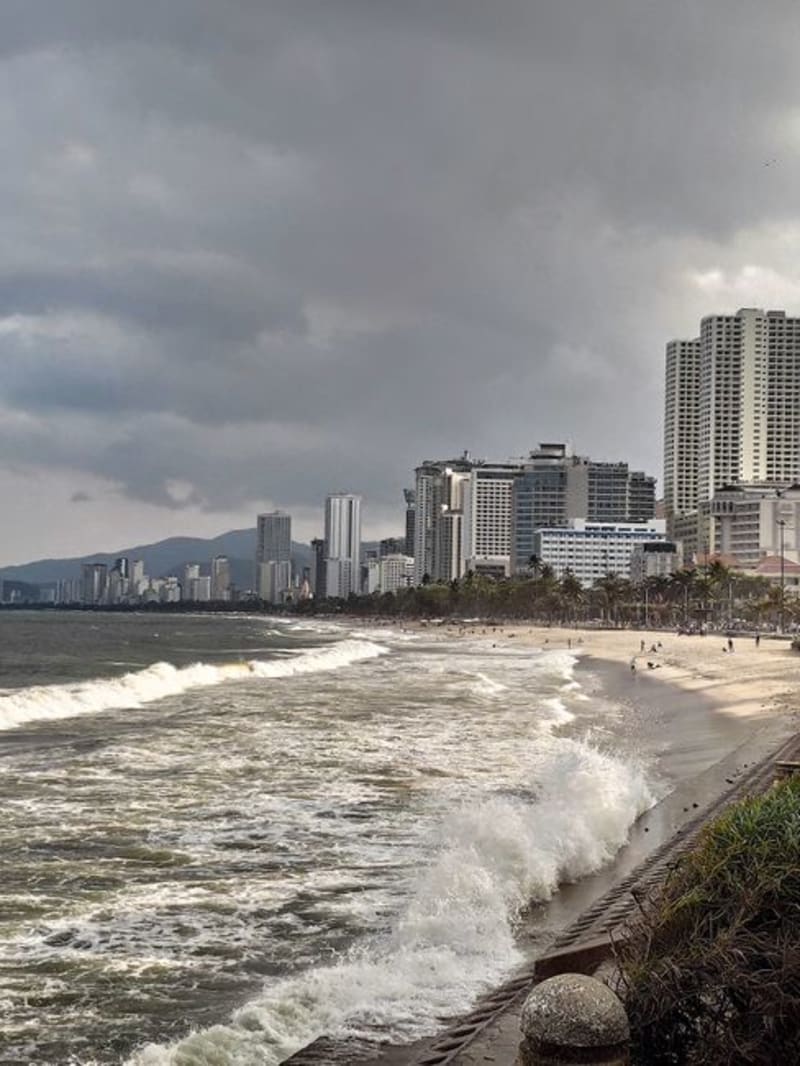 nicaragua
 Tola
The municipality behind Nicaragua's fast-growing Emerald Coast, a sprawl of surf beaches and creeping resort development that stretches from Popoyo down the Pacific shoreline.
Explore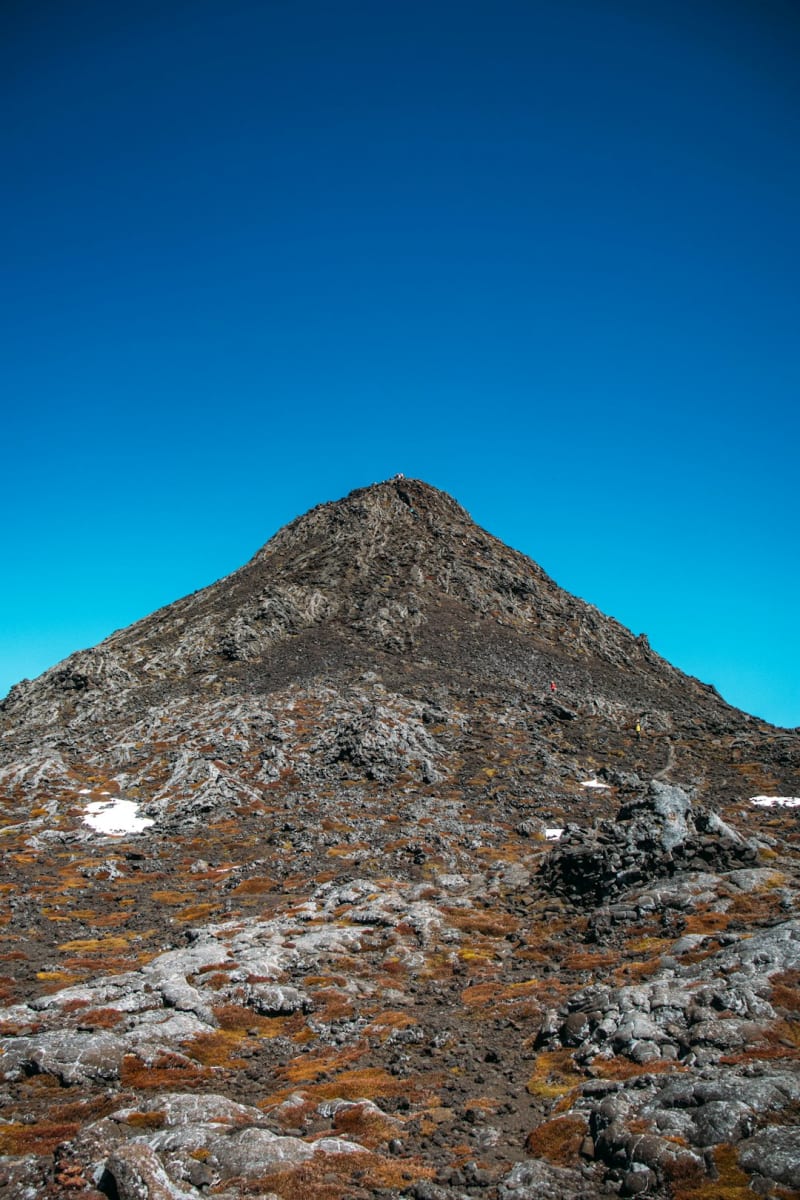 nicaragua
 Volcán Concepción
The younger, sharper half of Ometepe island, a still-active cone that punishes climbers on the way up and rewards them with a view of an entire lake on the way down.
Explore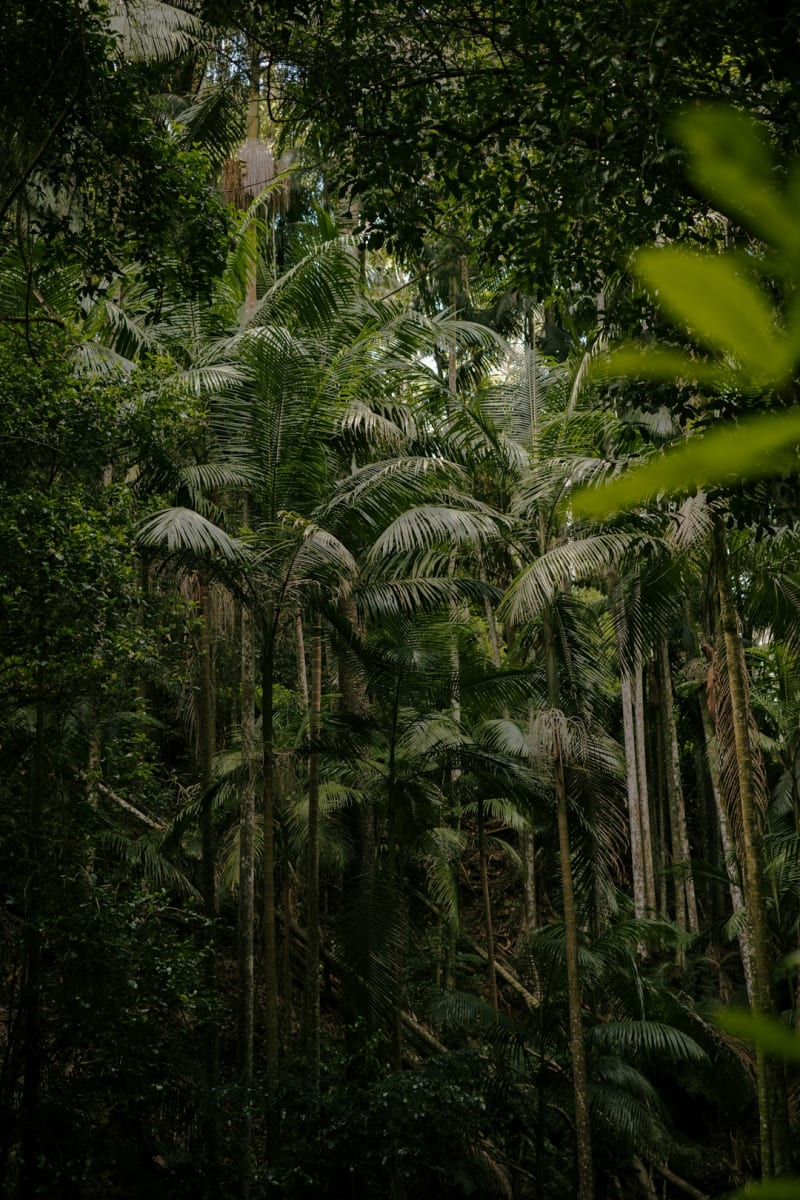 nicaragua
 Volcán Maderas
Ometepe's quieter, dormant twin — a rainforest-swallowed cone hiding a crater lagoon at its summit, waterfalls on its flanks, and howler monkeys that announce you long before you see them.
Explore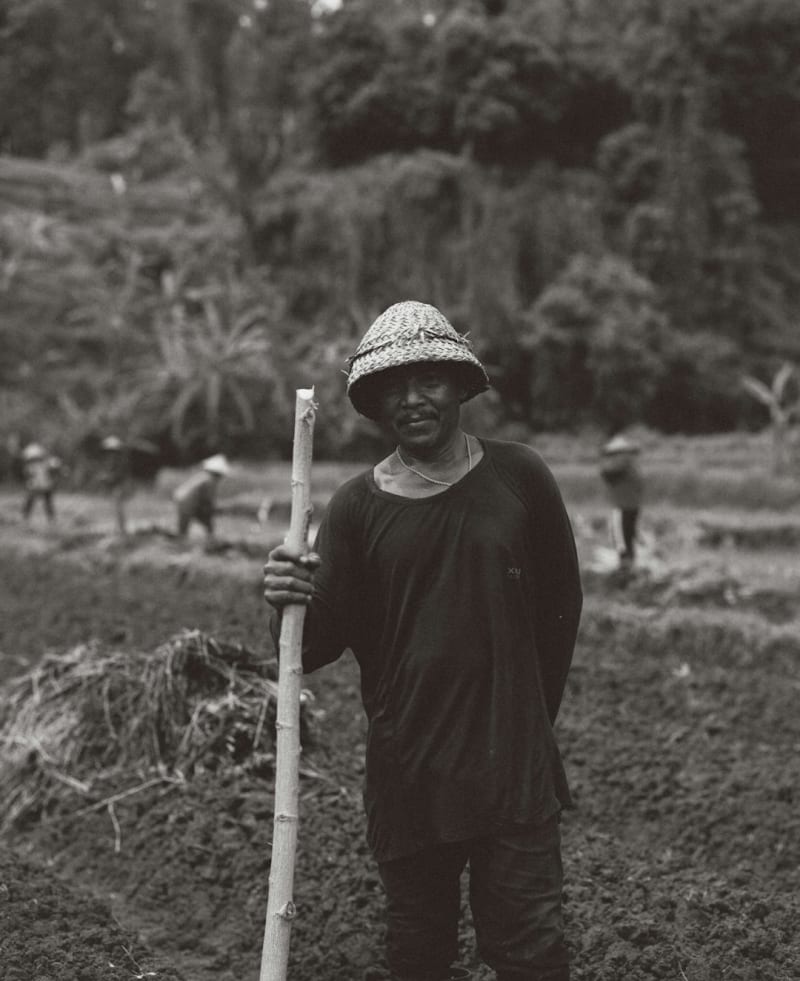 nicaragua
 Volcán Mombacho
A cloud-forest volcano looming over Granada, its slopes striped with coffee plantations and threaded with canopy trails where orchids outnumber people.
Explore