Siuna
"Siuna doesn't dress itself up as a destination. It's a gateway, and it knows it, and that's exactly why I liked it."
A rough-edged former gold-mining town in Nicaragua's northeastern interior, and the last real outpost before the road gives out and the Bosawás rainforest begins.
The flight from Managua to Siuna is short, twin-prop, and cheaper than I expected, which is good, because the alternative is something like ten hours on roads that get progressively worse the further northeast you go. Landing on Siuna’s grass-fringed airstrip, the first thing I noticed was the red dirt — it’s everywhere, staining the edges of buildings, coating the tires of every truck in town, a legacy, I’d learn, of the gold that has been pulled out of these hills for the better part of a century.
A Town Built on Gold
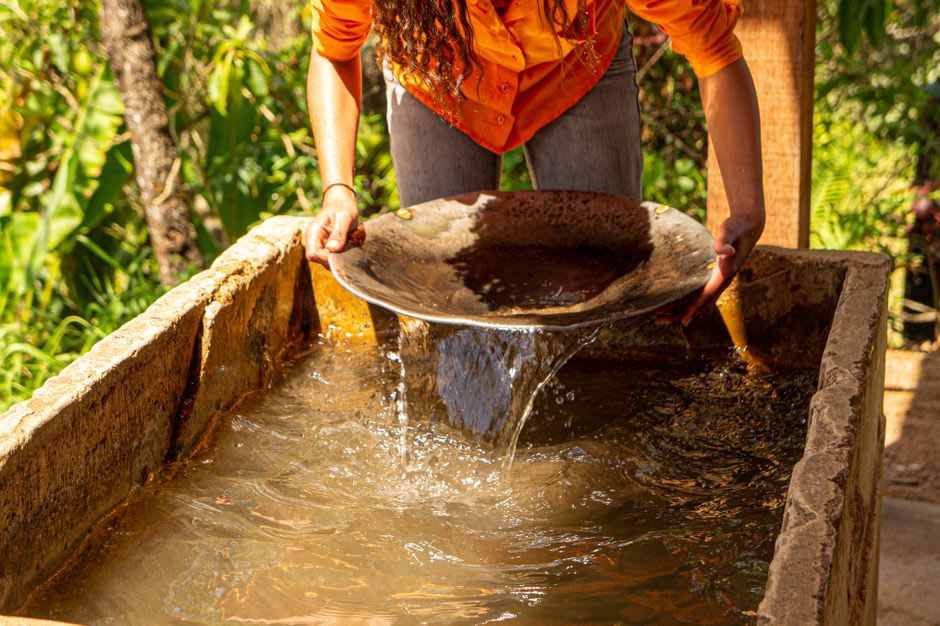
Siuna was one of the “mining triangle” towns — along with Bonanza and Rosita — that grew up around gold extraction starting in the early 1900s, and mining is still stitched into daily life here, from the small-scale güiriseros panning riverbeds by hand to a larger operation still working the hillsides outside town. I spent an afternoon with a former miner named Reynaldo who’d worked underground for over a decade before switching to independent panning, and he took me down to a muddy stretch of river where a handful of men worked wooden sluice boxes, sifting sediment for flecks of gold that might, on a good day, add up to a gram or two. It’s exhausting, unglamorous work, and Reynaldo was matter-of-fact about it in a way that made the romance of “gold rush town” evaporate pretty quickly — this is just what a lot of families here do to get by.
The Gate to Bosawás
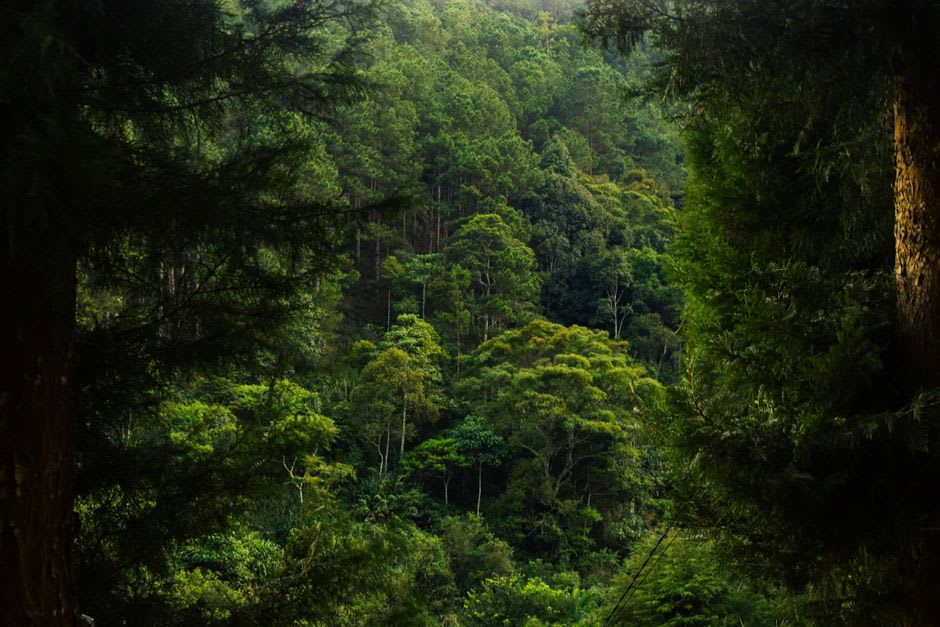
What makes Siuna genuinely remarkable, though, is what lies just beyond it: the town functions as the main gateway to the Bosawás Biosphere Reserve, one of the largest expanses of rainforest left in the Americas outside the Amazon basin, spilling across the border into Honduras. I arranged a guide through a small community-tourism office in town and spent two days hiking into the reserve’s buffer zone with a Mayangna guide named Casimiro, who could name every bird call before I’d even registered there’d been a sound. We slept a night in a wooden ranger post with no electricity, and I remember lying in the dark listening to a howler monkey troop start up somewhere close by, a sound so loud and guttural it took me a full minute to convince myself it wasn’t a jaguar. Casimiro just laughed and went back to sleep.
When to go: Dry season (February–April) offers the most reliable flights and the easiest hiking conditions in the reserve’s buffer zone; arrange any Bosawás trek well in advance through a community guide, since Siuna has almost no independent tourist infrastructure of its own.
Keep exploring
More from Nicaragua
 nicaragua
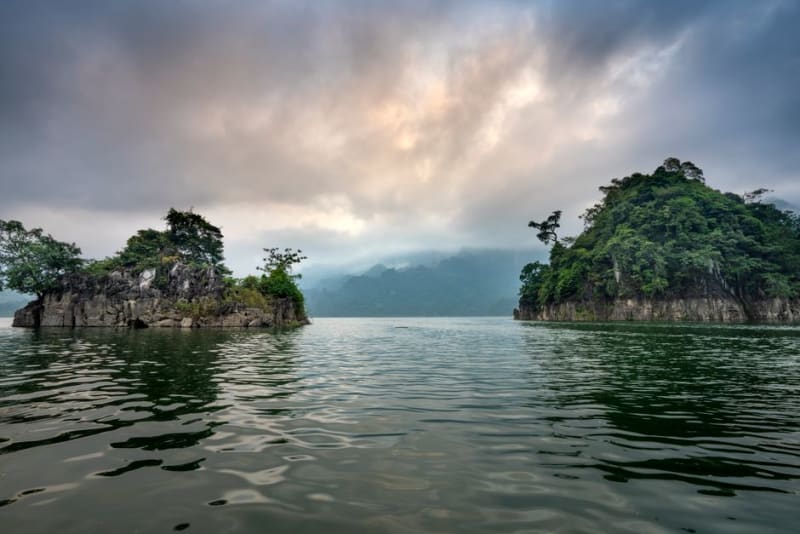
 Solentiname Islands
A remote Lake Nicaragua archipelago where a poet-priest built an artist commune, and painting in bright primitivist color is still how the islands make a living.
Explore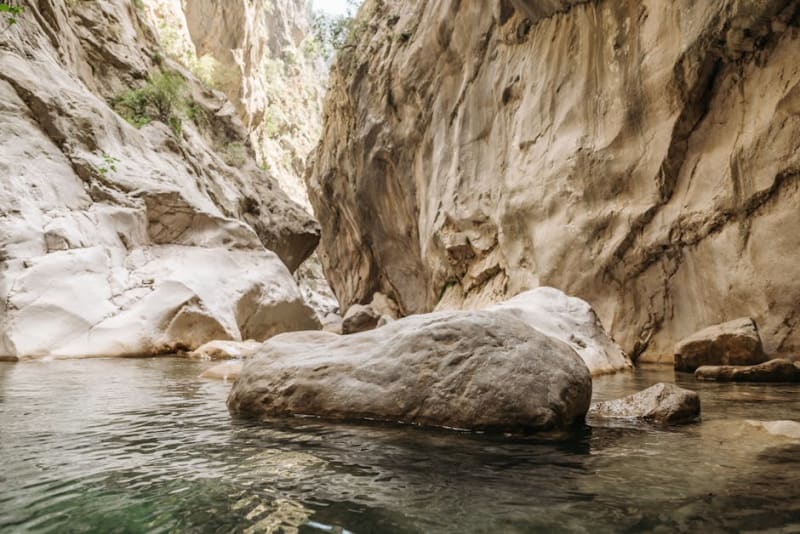 nicaragua
 Somoto Canyon
A geological cathedral in Nicaragua's remote north — swimming, cliff jumping, and a river canyon that almost no one visits.
Explore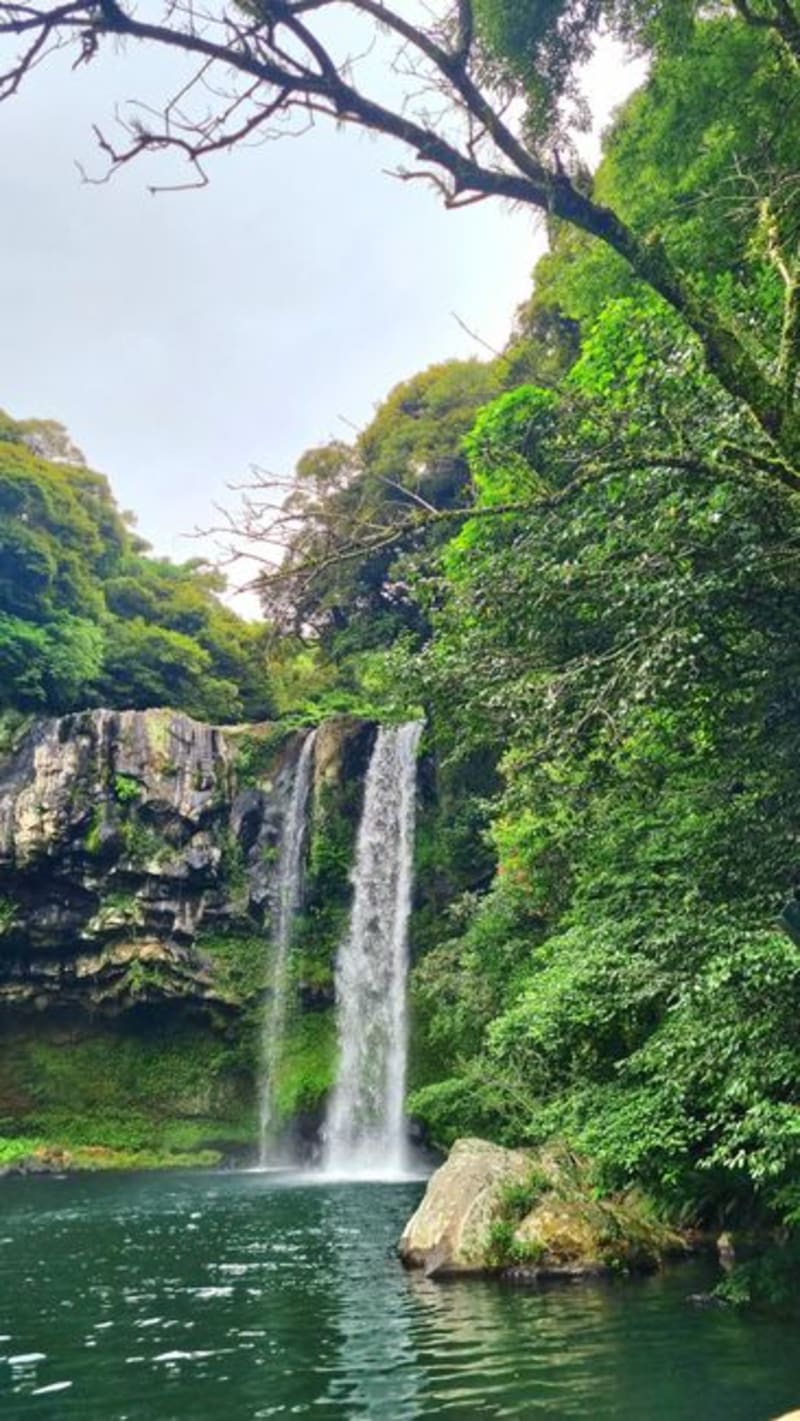 nicaragua
 Tisey-Estanzuela Nature Reserve
A highland reserve outside Estelí where a waterfall drops into a swimmable pool, dry-stone farmhouses dot the pine-covered slopes, and a mirador looks out over half of northern Nicaragua.
Explore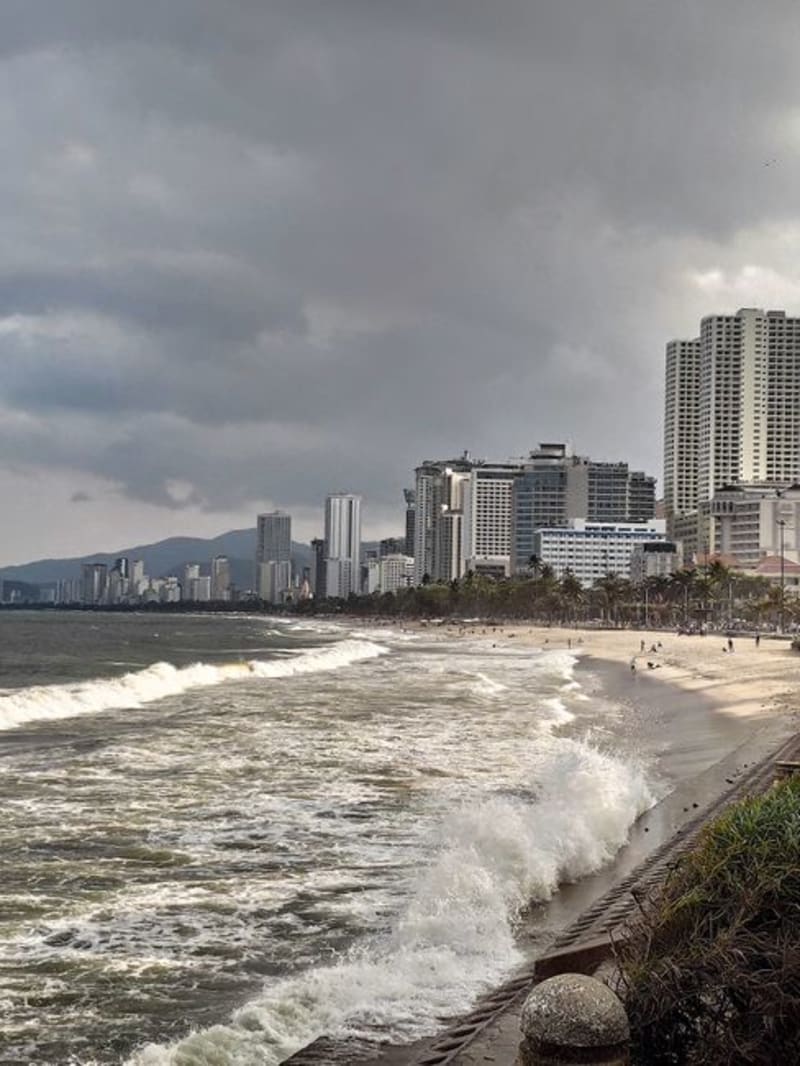 nicaragua
 Tola
The municipality behind Nicaragua's fast-growing Emerald Coast, a sprawl of surf beaches and creeping resort development that stretches from Popoyo down the Pacific shoreline.
Explore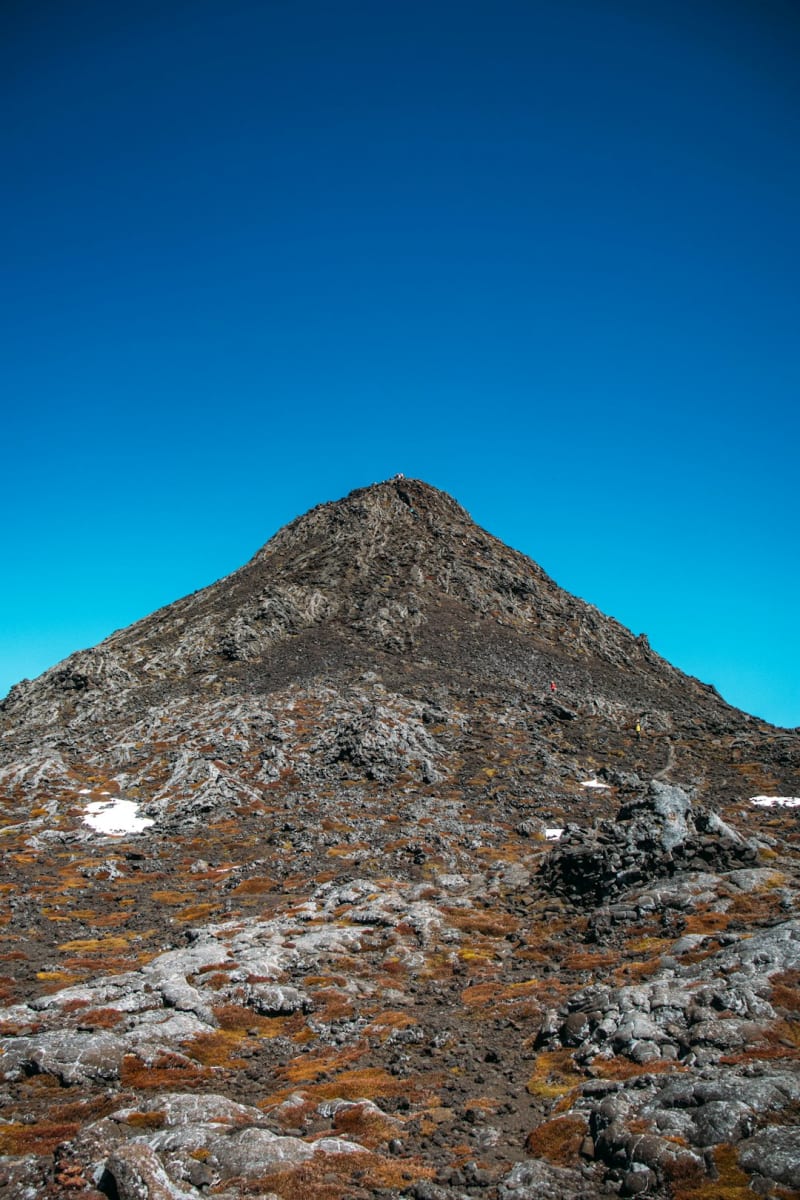 nicaragua
 Volcán Concepción
The younger, sharper half of Ometepe island, a still-active cone that punishes climbers on the way up and rewards them with a view of an entire lake on the way down.
Explore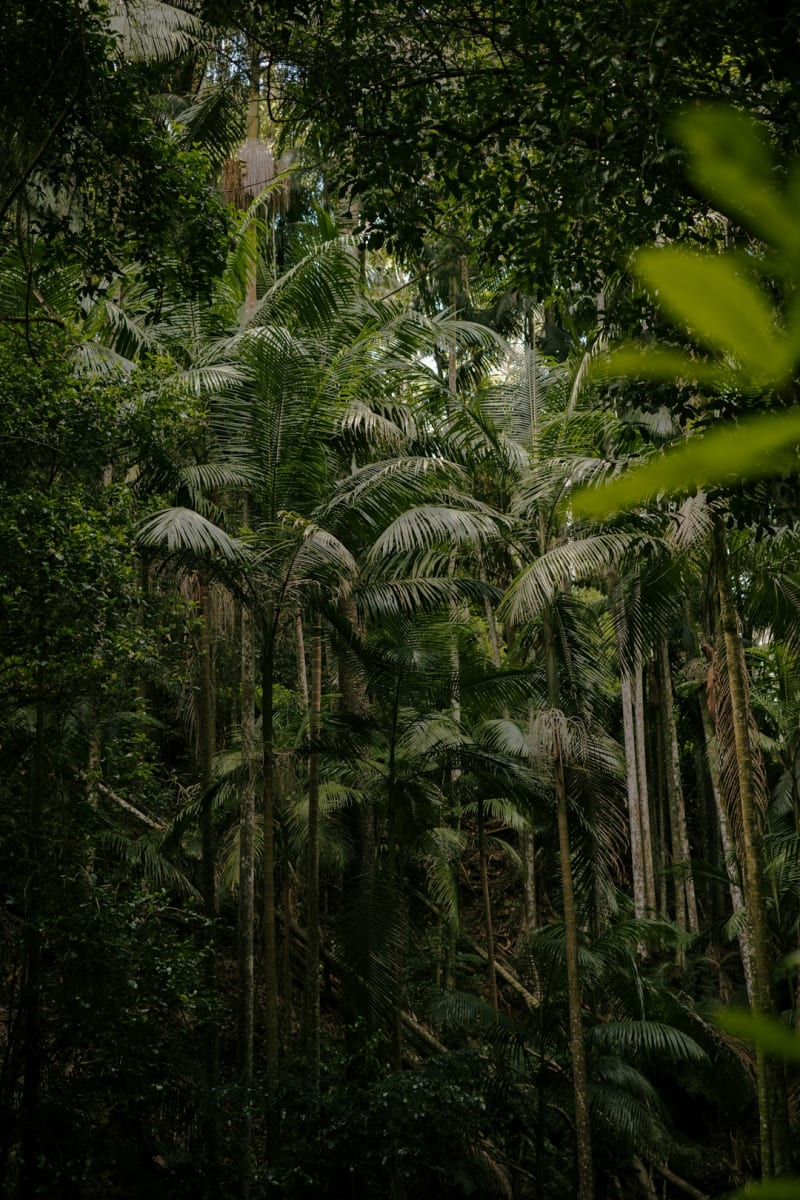 nicaragua
 Volcán Maderas
Ometepe's quieter, dormant twin — a rainforest-swallowed cone hiding a crater lagoon at its summit, waterfalls on its flanks, and howler monkeys that announce you long before you see them.
Explore