The agricultural crossroads city everyone passes through on the way to Ometepe or San Juan del Sur, and almost nobody stops in — which is exactly why it's worth an hour.
I have passed through Rivas more times than any other place in Nicaragua, and for years I never actually stopped. It’s the department capital that sits at the crossroads of everything on the southern Pacific side of the country — the ferry to Ometepe leaves from its port at San Jorge, the road to San Juan del Sur splits off just south of town, and the highway to the Costa Rica border runs straight through it. Every bus, every shuttle, every rental car headed to the places people actually want to see funnels through Rivas first. It took me almost two years of transiting through before I finally got off the bus and looked around.
The hub nobody photographs
Rivas exists because of geography and agriculture rather than any particular monument. It sits on the narrow isthmus between Lake Nicaragua and the Pacific, and the surrounding department is some of the country’s most productive farmland — plantains, cattle, and increasingly sugar operations spreading out from the city in every direction. The town itself has a proper Nicaraguan market at its center, unfussy and loud, selling produce trucked in from the surrounding fincas, and a scattering of colonial-era buildings around the main square that nobody bothers marketing to tourists because, frankly, Granada and León already did that job better a century ago.
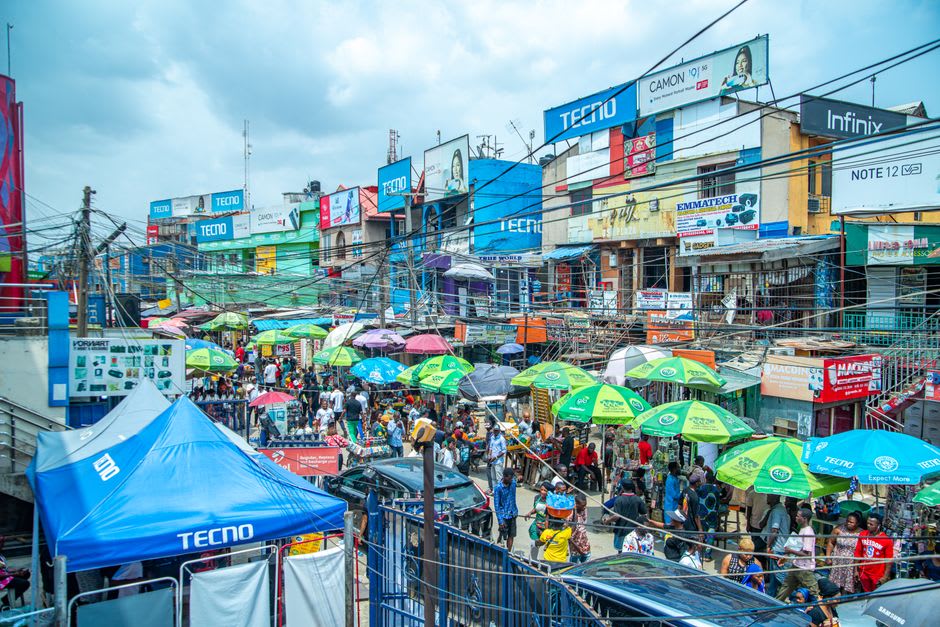
What I liked about actually stopping was the total absence of performance. Nobody in Rivas is selling you an experience. The comedores serve lunch to farmers and bus drivers, not backpackers. I sat in one for an hour over a plate of gallo pinto and grilled beef, and the conversation at the next table — two men arguing about cattle prices — was the most purely local thing I’d overheard in weeks, precisely because there was no tourist economy shaping the room around me.
The gateway that’s worth a pause
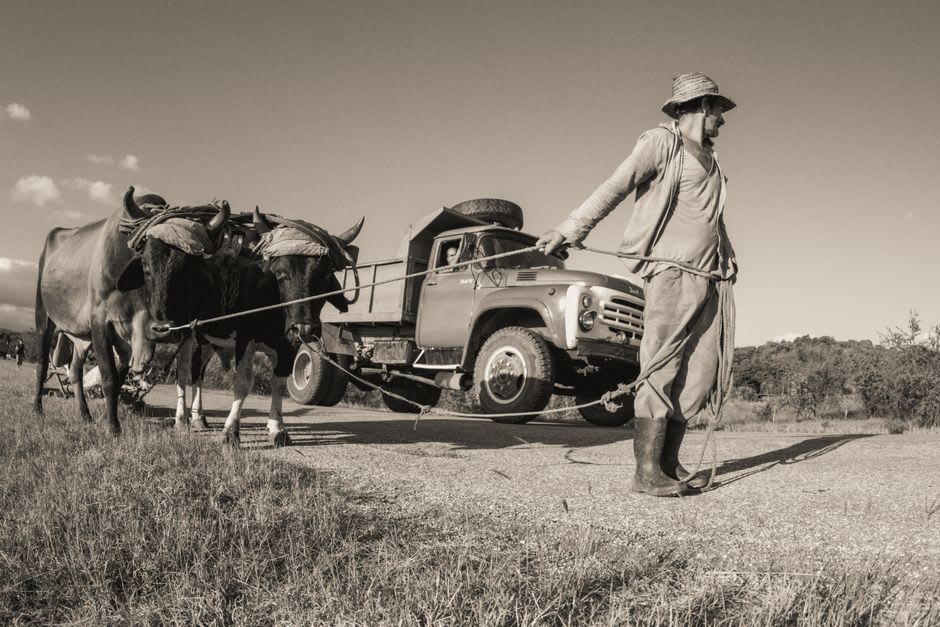
The practical case for Rivas is simple: it is the last real town before the Ometepe ferry at San Jorge, ten minutes down the road, and the last services stop before the turnoff to San Juan del Sur and the border crossing beyond. Almost everyone treats it as a transfer point — grab a taxi, change buses, keep moving — and most of the time that’s the right call. But if you’ve got an extra hour between connections, it’s worth wandering the market and the square rather than sitting at the bus terminal, if only to see the Nicaragua that exists between its famous places.
When to go: Year-round as a transit stop, since you’ll likely pass through regardless of season. Dry season (November to April) makes the market and street wandering more pleasant; if you’re timing a stop around the Ometepe ferry, check the San Jorge schedule since sailings shift with lake conditions.
Keep exploring
More from Nicaragua
 nicaragua
 San Juan de Oriente
The smallest of the Pueblos Blancos, where ceramic families have passed down pre-Columbian pottery techniques for generations without interruption.
Explore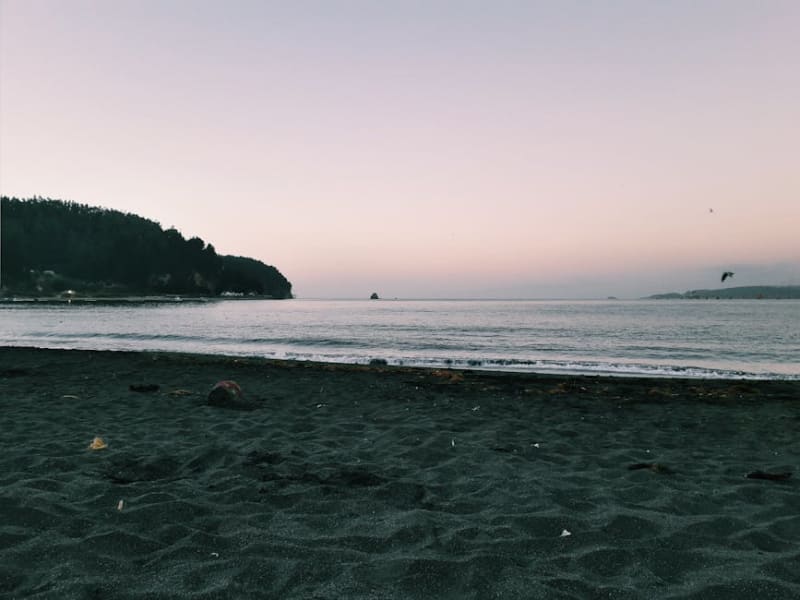 nicaragua
 San Juan del Sur
A Pacific surf town in a horseshoe bay — good waves, cheap lobster, and the kind of sunset that makes people extend their trip.
Explore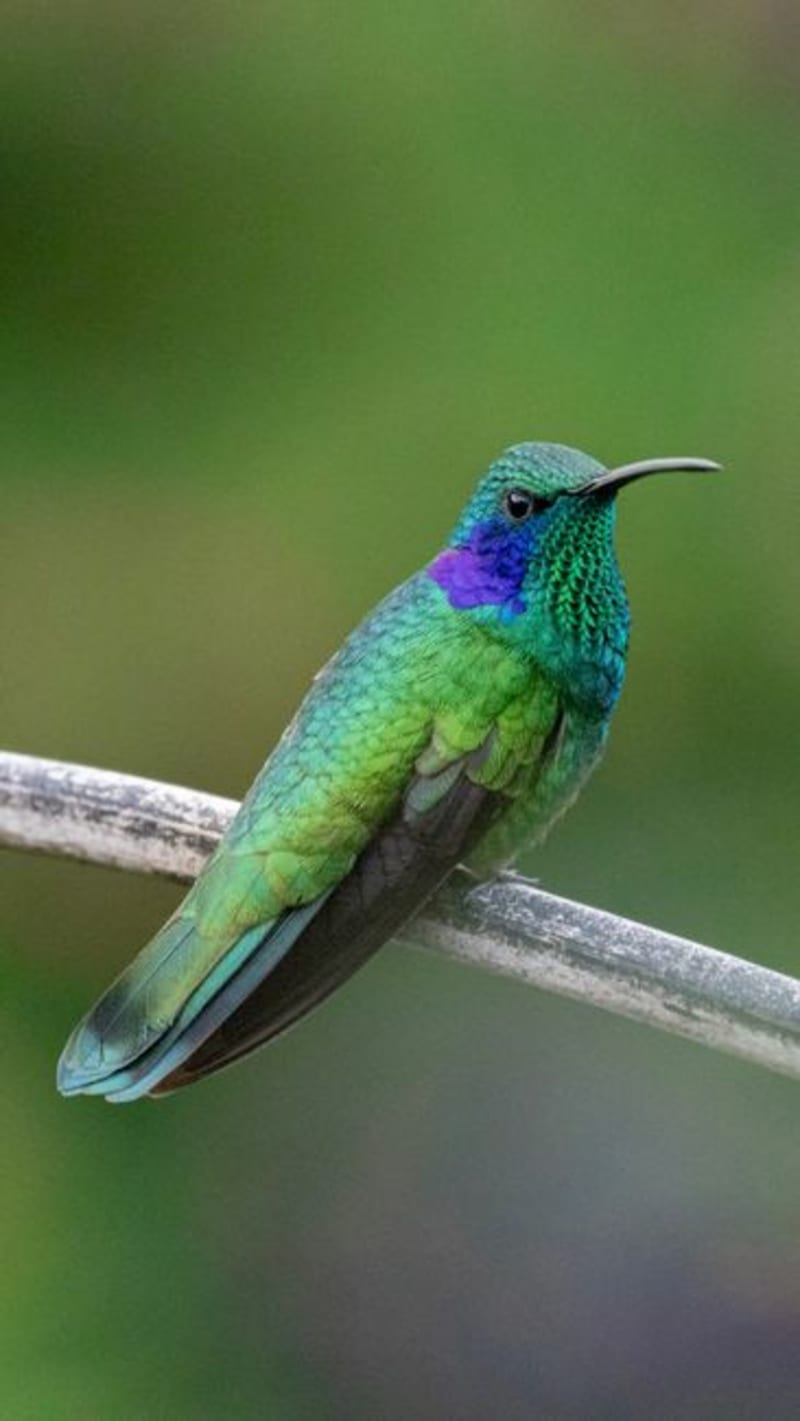 nicaragua
 Selva Negra
A German-immigrant coffee estate hidden in the cloud forest above Matagalpa, where alpine chalets and Bavarian gables somehow feel completely at home in the tropics.
Explore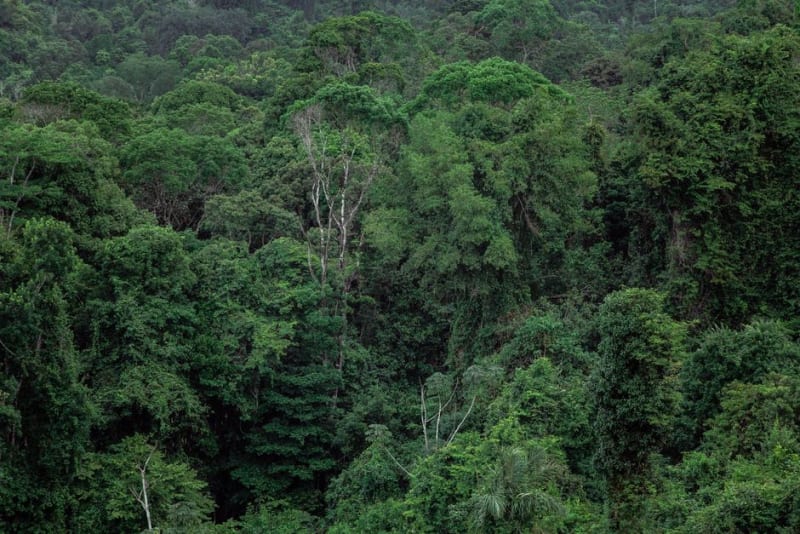 nicaragua
 Siuna
A rough-edged former gold-mining town in Nicaragua's northeastern interior, and the last real outpost before the road gives out and the Bosawás rainforest begins.
Explore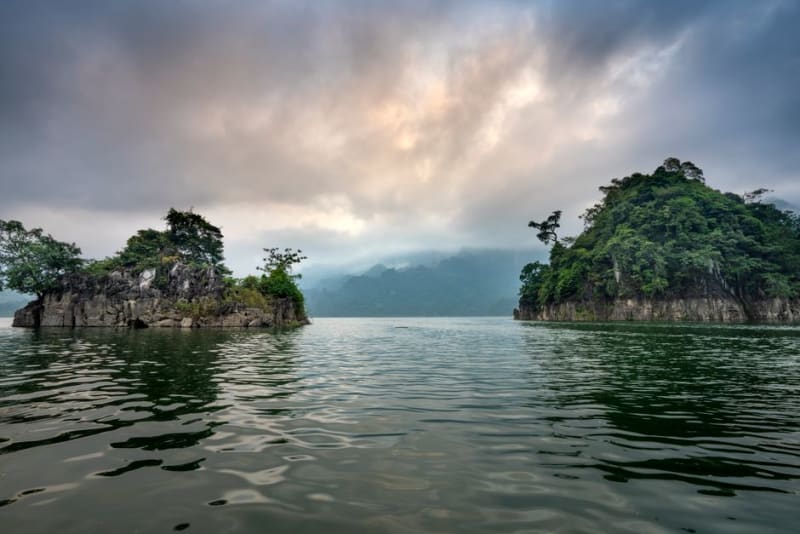 nicaragua
 Solentiname Islands
A remote Lake Nicaragua archipelago where a poet-priest built an artist commune, and painting in bright primitivist color is still how the islands make a living.
Explore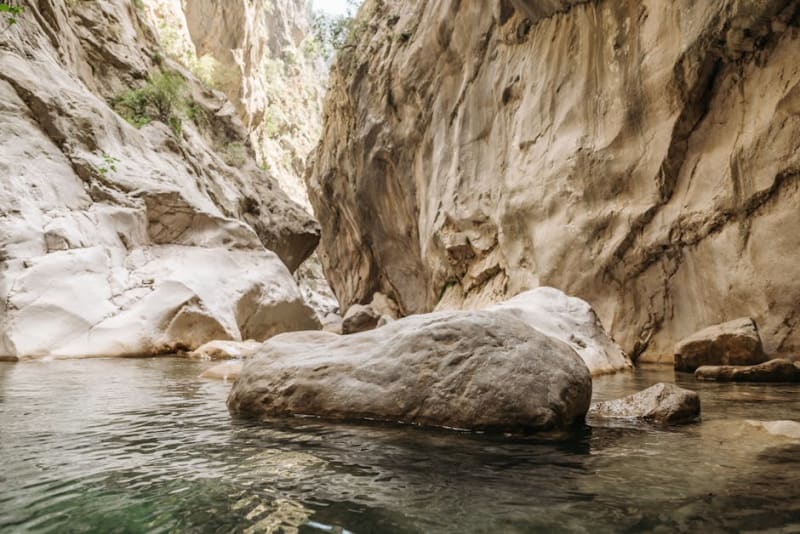 nicaragua
 Somoto Canyon
A geological cathedral in Nicaragua's remote north — swimming, cliff jumping, and a river canyon that almost no one visits.
Explore