Quilalí
"Quilalí is three hours of bad road from anywhere, and every one of those hours is the point."
A remote coffee-farming town deep in the mountains of Nueva Segovia, reached by rough unpaved roads and marked, still, by the memory of the war fought through these hills.
Getting to Quilalí took most of a day, a series of buses that got progressively smaller and more crowded as the pavement ran out somewhere past Condega, replaced by a red dirt road that switchbacked through some of the steepest coffee country I saw anywhere in Nicaragua. My seatmate, a coffee buyer heading up to visit growers, laughed when I asked if the road was always like this. “This is the good season,” he said. I believed him and didn’t ask what the bad season looked like.
Coffee at the End of the Road
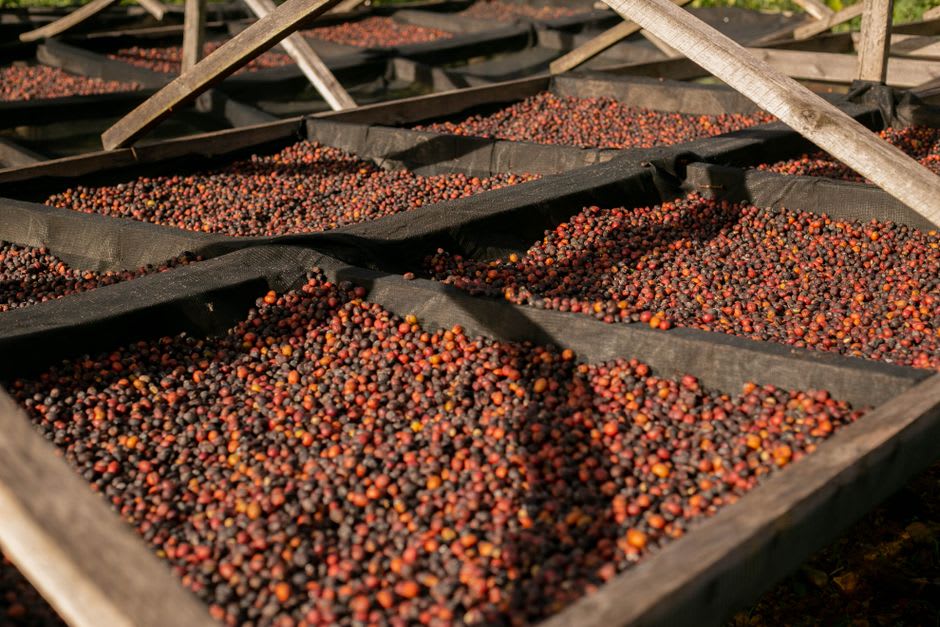
Quilalí sits deep in Nueva Segovia, a department that produces some of Nicaragua’s best coffee precisely because it’s this hard to reach — high elevation, cool nights, and a remoteness that has kept large-scale industrial farming out in favor of small family plots. I spent two days with a grower named Don Álvaro who works maybe four hectares on a slope so steep I struggled just to walk it without a fifty-pound sack of cherries on my back, which he and his sons carry down twice a day during harvest without apparent effort. He showed me his drying patio, cherries spread out in a thin red layer to dry in the sun, raked by hand every hour so they cure evenly. It’s a slower, more exposed kind of coffee farming than the shaded estates I’d seen near Granada, shaped entirely by how remote and rugged this particular stretch of mountains is.
A Town That Remembers the War
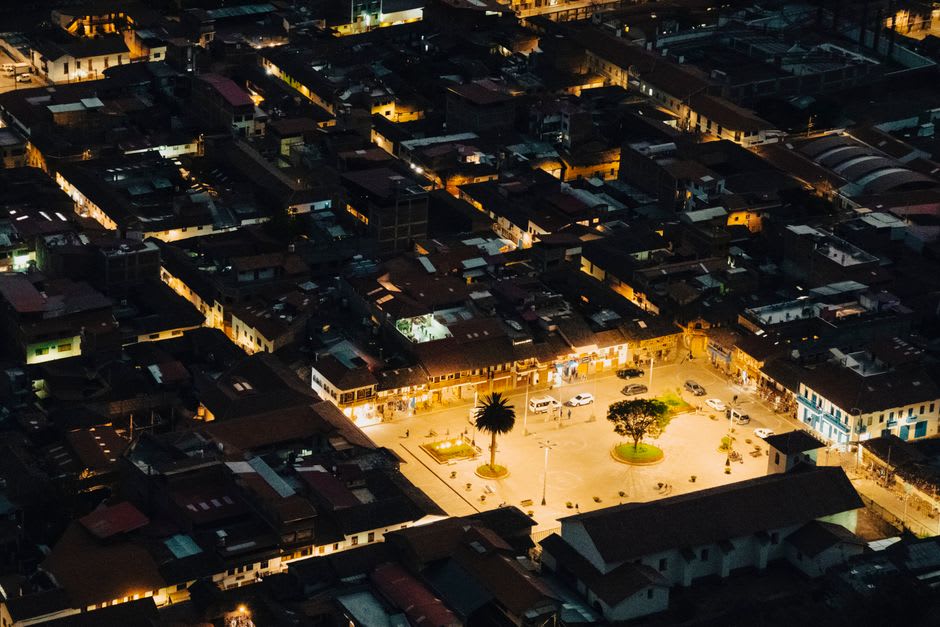
Quilalí carries its history closer to the surface than most Nicaraguan towns I visited. This was Contra territory during the 1980s, one of the regions where the war between the Sandinista government and US-backed rebels was fought hardest, and the area’s isolation today is partly a legacy of a decade spent as a conflict zone rather than a development priority. Older residents I spoke with, carefully and only after some trust had built, described a childhood punctuated by roadblocks and disappearances rather than school runs. Nobody I met wanted to relive it in detail, but nobody hid that it had happened either — it comes up sideways, in the way people talk about “before” and “after,” in the war memorial in the town’s modest plaza that most tourists never see because most tourists never make the drive.
When to go: Dry season (December–April) is the only realistic window if you don’t want the unpaved roads to become genuinely impassable; harvest season (December–February) is also when the coffee farms are most active and most interesting to visit.
Keep exploring
More from Nicaragua
 nicaragua
 Río San Juan
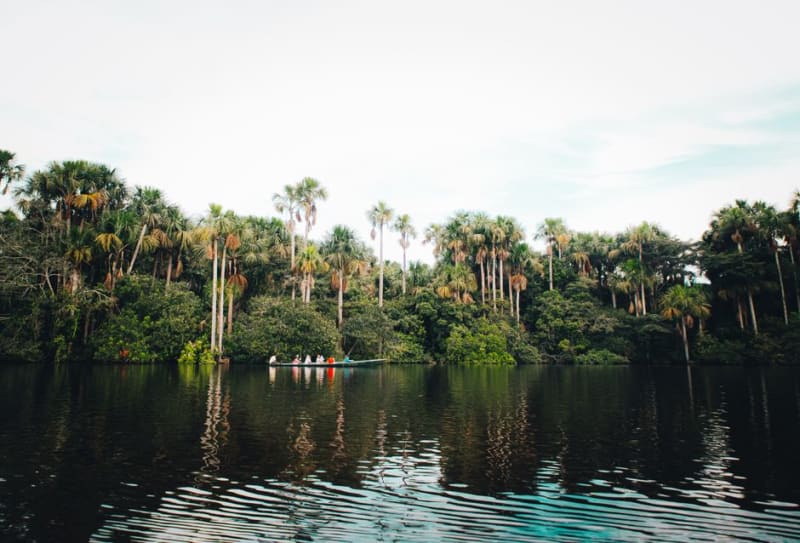
The river that pirates fought wars over, now a slow green corridor of rainforest and howler monkeys connecting Lake Nicaragua to the Caribbean Sea.
Explore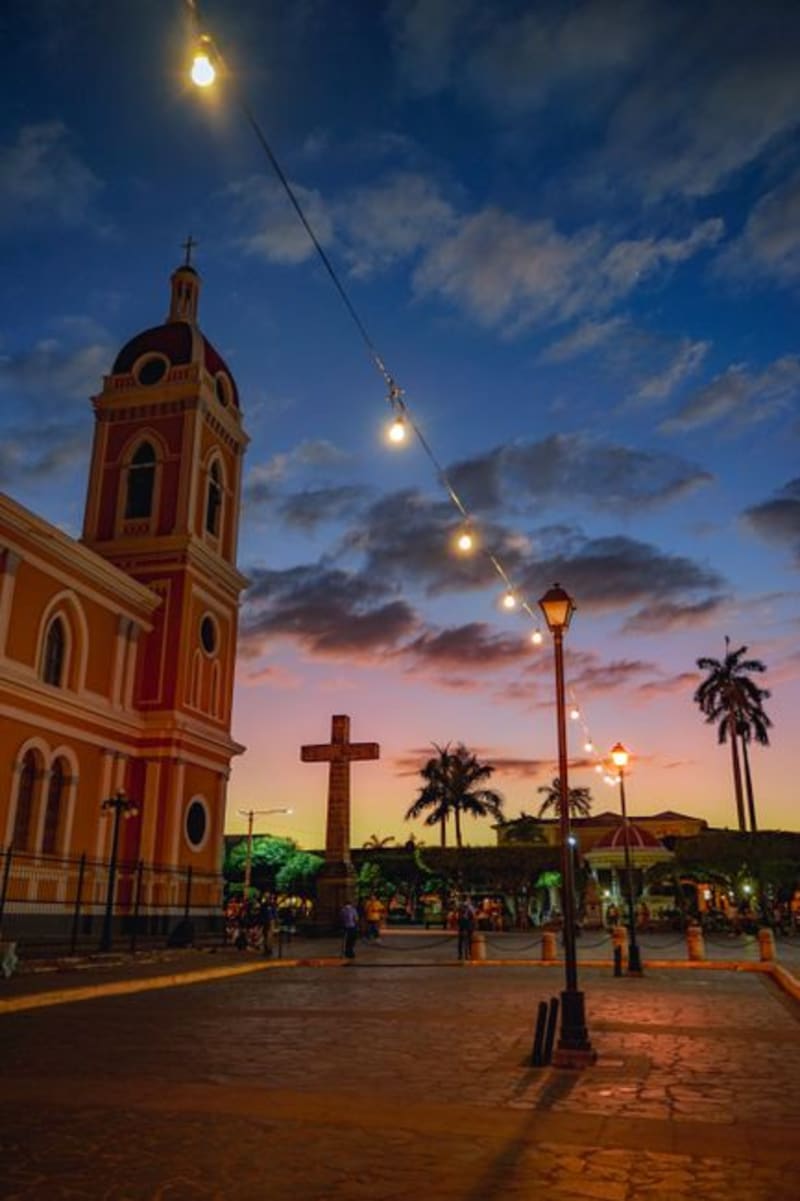 nicaragua
 Rivas
The agricultural crossroads city everyone passes through on the way to Ometepe or San Juan del Sur, and almost nobody stops in — which is exactly why it's worth an hour.
Explore nicaragua
 San Juan de Oriente
The smallest of the Pueblos Blancos, where ceramic families have passed down pre-Columbian pottery techniques for generations without interruption.
Explore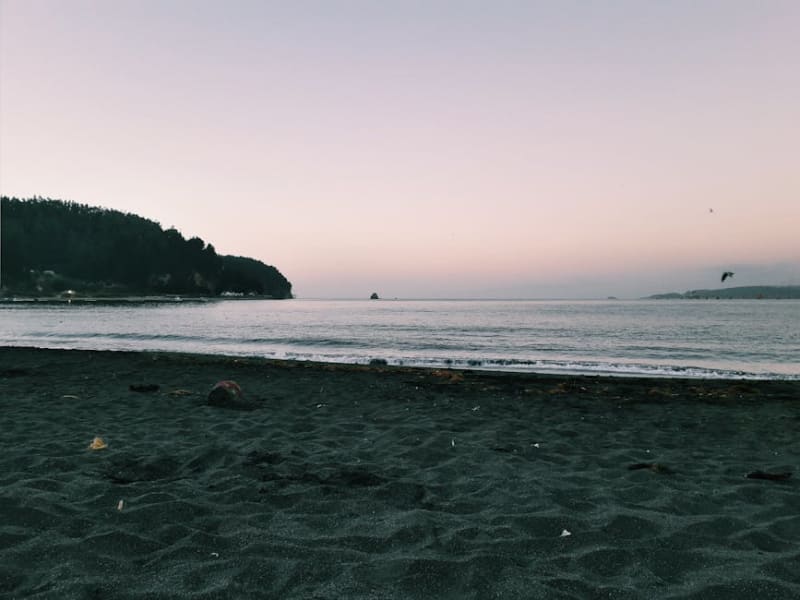 nicaragua
 San Juan del Sur
A Pacific surf town in a horseshoe bay — good waves, cheap lobster, and the kind of sunset that makes people extend their trip.
Explore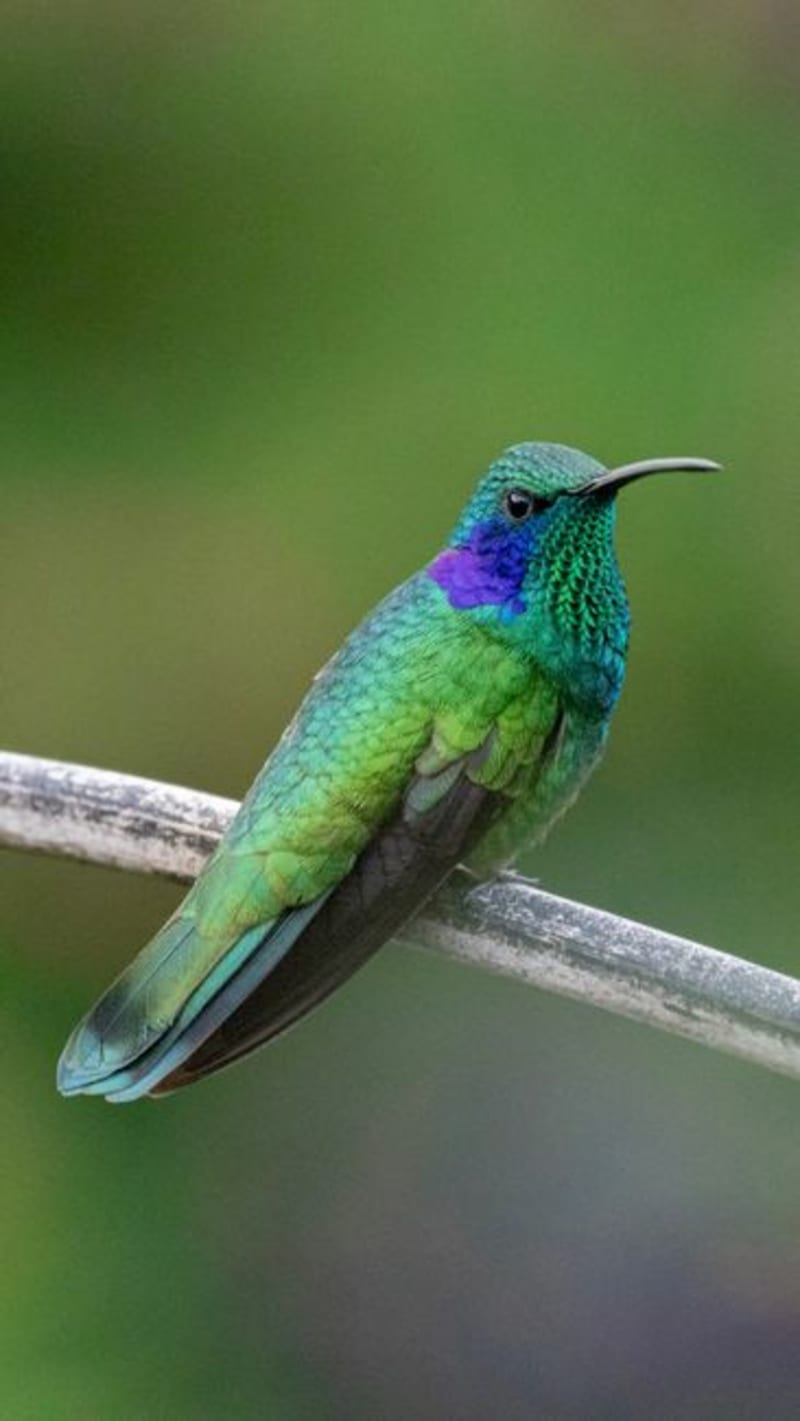 nicaragua
 Selva Negra
A German-immigrant coffee estate hidden in the cloud forest above Matagalpa, where alpine chalets and Bavarian gables somehow feel completely at home in the tropics.
Explore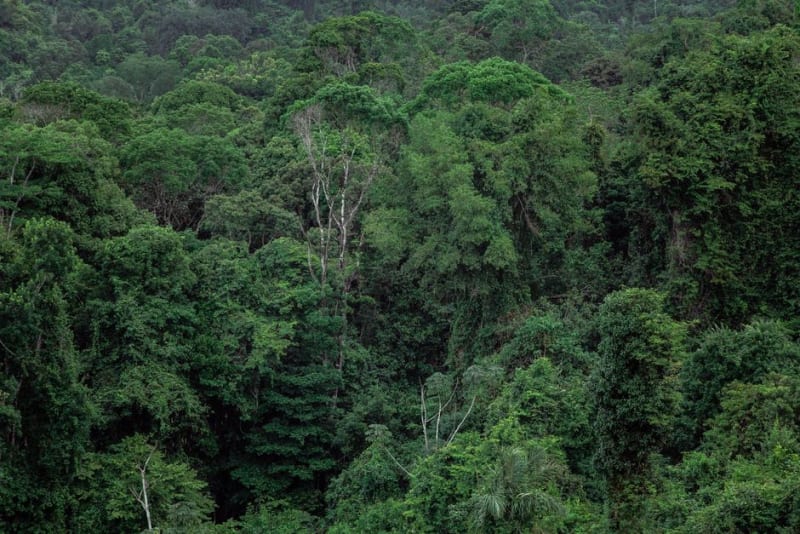 nicaragua
 Siuna
A rough-edged former gold-mining town in Nicaragua's northeastern interior, and the last real outpost before the road gives out and the Bosawás rainforest begins.
Explore