A powerful reef break and a scattering of surf camps on Nicaragua's Emerald Coast, quieter and rawer than San Juan del Sur and unapologetic about who it's for.
I heard about Popoyo the way most people do — as a rumor passed between surfers in San Juan del Sur, always with the same tone, half reverence and half warning. It’s better, they’d say, but it’s heavier, and there’s nothing else out there. They were right on all counts. The drive down from SJDS took over an hour on a road that turns to dirt well before you arrive, and when I finally got there, the town — if you can call it that — was a loose scatter of surf camps and hostels along a dirt track, with the reef break itself visible in the distance as a line of whitewater that did not stop.
A wave, not a resort
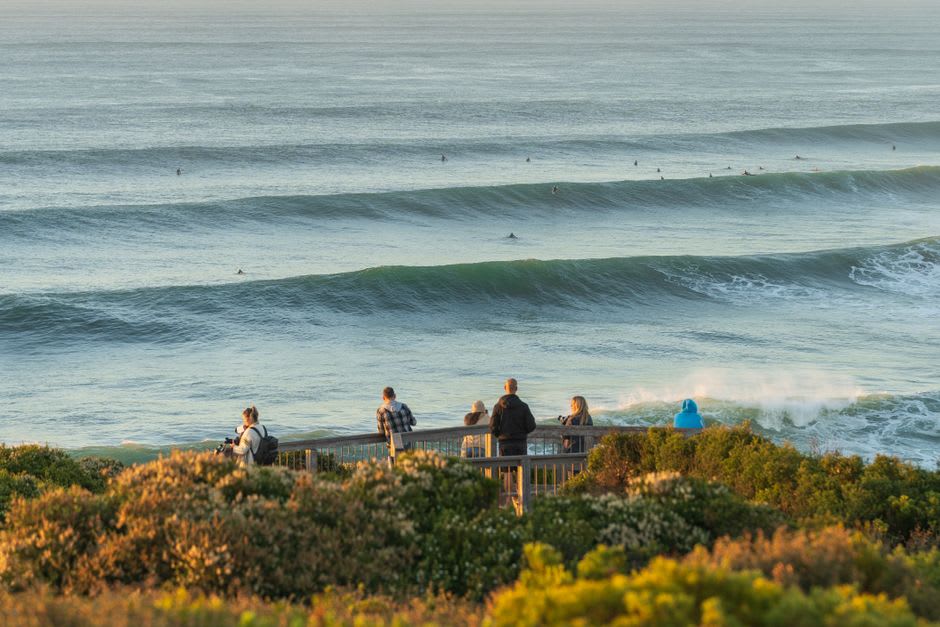
Popoyo’s reputation rests almost entirely on the reef break just offshore, a powerful, hollow wave that holds size well and draws surfers specifically for that reason — this is not a beginner beach. The swell wraps around a rocky point and detonates onto a reef shelf, producing the kind of barrels that show up in Nicaraguan surf magazine spreads, and on a big day the lineup is full of people who clearly know exactly what they are doing. I am a competent surfer, not a great one, and I spent my first session getting worked, paddling out through a channel that required real timing, and coming in with a healthy new respect for the place.
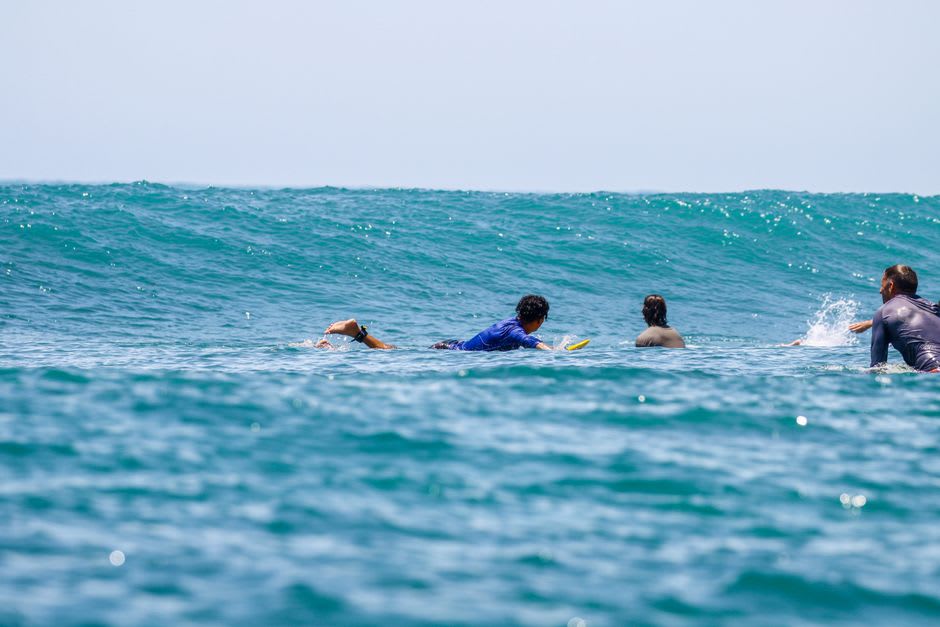
What struck me most was how undeveloped it still felt compared to San Juan del Sur, an hour and a half up the coast. There’s no boardwalk, no strip of bars, no real center of town — just surf camps spaced along a dirt road, a handful of small restaurants, and a rhythm built entirely around swell charts and tide tables. People here talk about the wave the way sommeliers talk about vintages: which tide it works best on, how it changes with a north versus south swell, which camp has the best view of the peak. I sat on a porch one evening listening to two French surfers argue for twenty minutes about optimal tide height, and nobody once mentioned anything else about the town.
The quiet end of the coast
Popoyo sits within the broader Tola municipality, part of what’s increasingly branded the Emerald Coast, and development is creeping in — a few boutique hotels have gone up, land prices are climbing, and I met more than one expat surfer who’d bought a plot with visible anxiety about what the next decade might bring. For now, though, it remains a place built around one thing, unbothered by the idea that it should be anything more.
When to go: The best and most consistent swell runs March to November, with the biggest days in the rainy season swells of August through October. Go on a mid to low tide for the reef break to work at its best, and if you’re not an experienced surfer, watch from the beach before you paddle out.
Keep exploring
More from Nicaragua
 nicaragua
 Puerto Morazán
A quiet fishing and shrimp-farming town on the Estero Real estuary near the Honduran border, where mangrove channels replace roads and the birdlife outnumbers the people.
Explore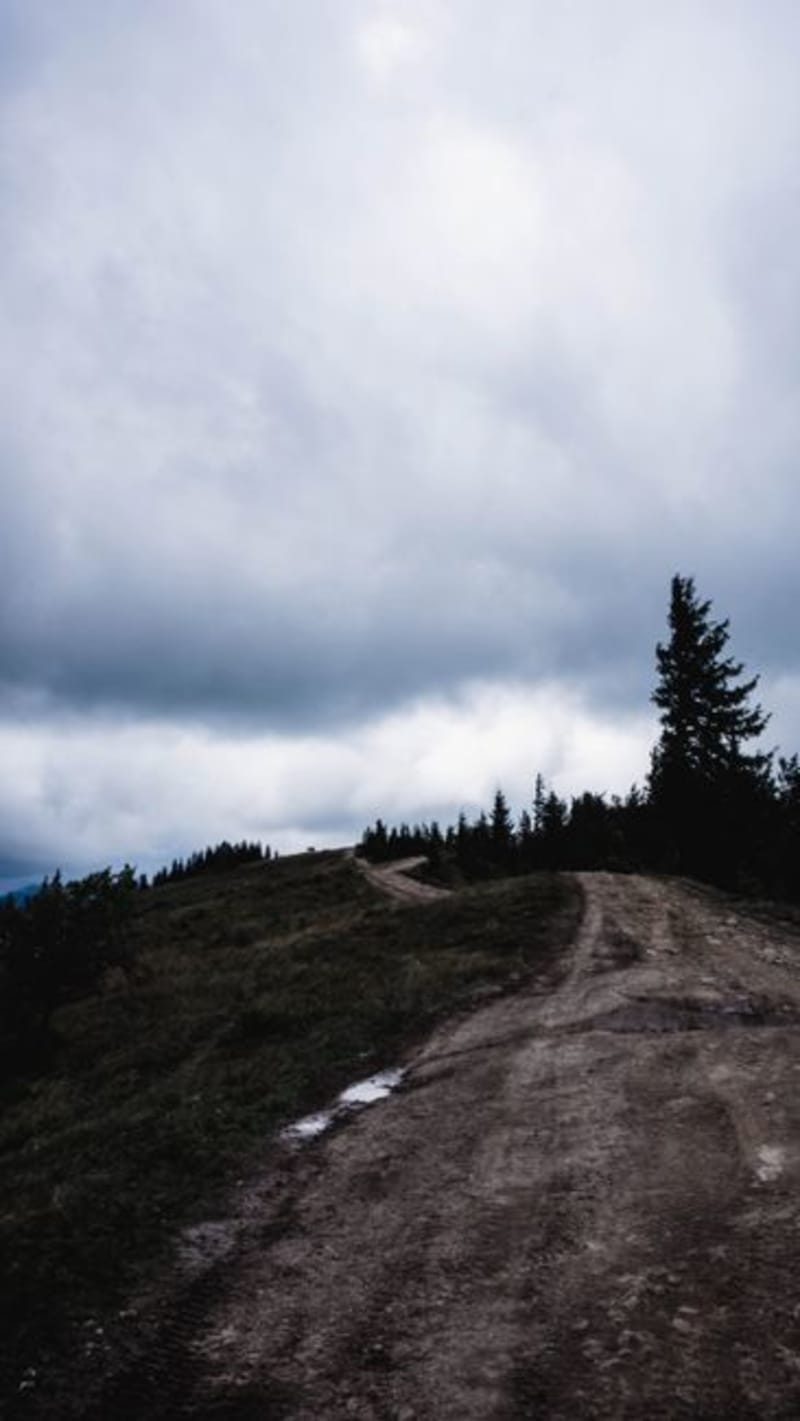 nicaragua
 Quilalí
A remote coffee-farming town deep in the mountains of Nueva Segovia, reached by rough unpaved roads and marked, still, by the memory of the war fought through these hills.
Explore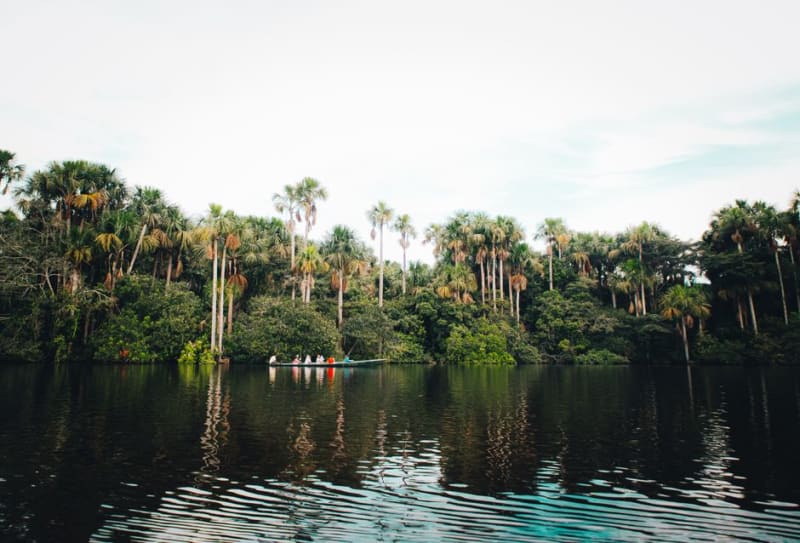 nicaragua
 Río San Juan
The river that pirates fought wars over, now a slow green corridor of rainforest and howler monkeys connecting Lake Nicaragua to the Caribbean Sea.
Explore nicaragua
 Rivas
The agricultural crossroads city everyone passes through on the way to Ometepe or San Juan del Sur, and almost nobody stops in — which is exactly why it's worth an hour.
Explore nicaragua
 San Juan de Oriente
The smallest of the Pueblos Blancos, where ceramic families have passed down pre-Columbian pottery techniques for generations without interruption.
Explore nicaragua
 San Juan del Sur
A Pacific surf town in a horseshoe bay — good waves, cheap lobster, and the kind of sunset that makes people extend their trip.
Explore