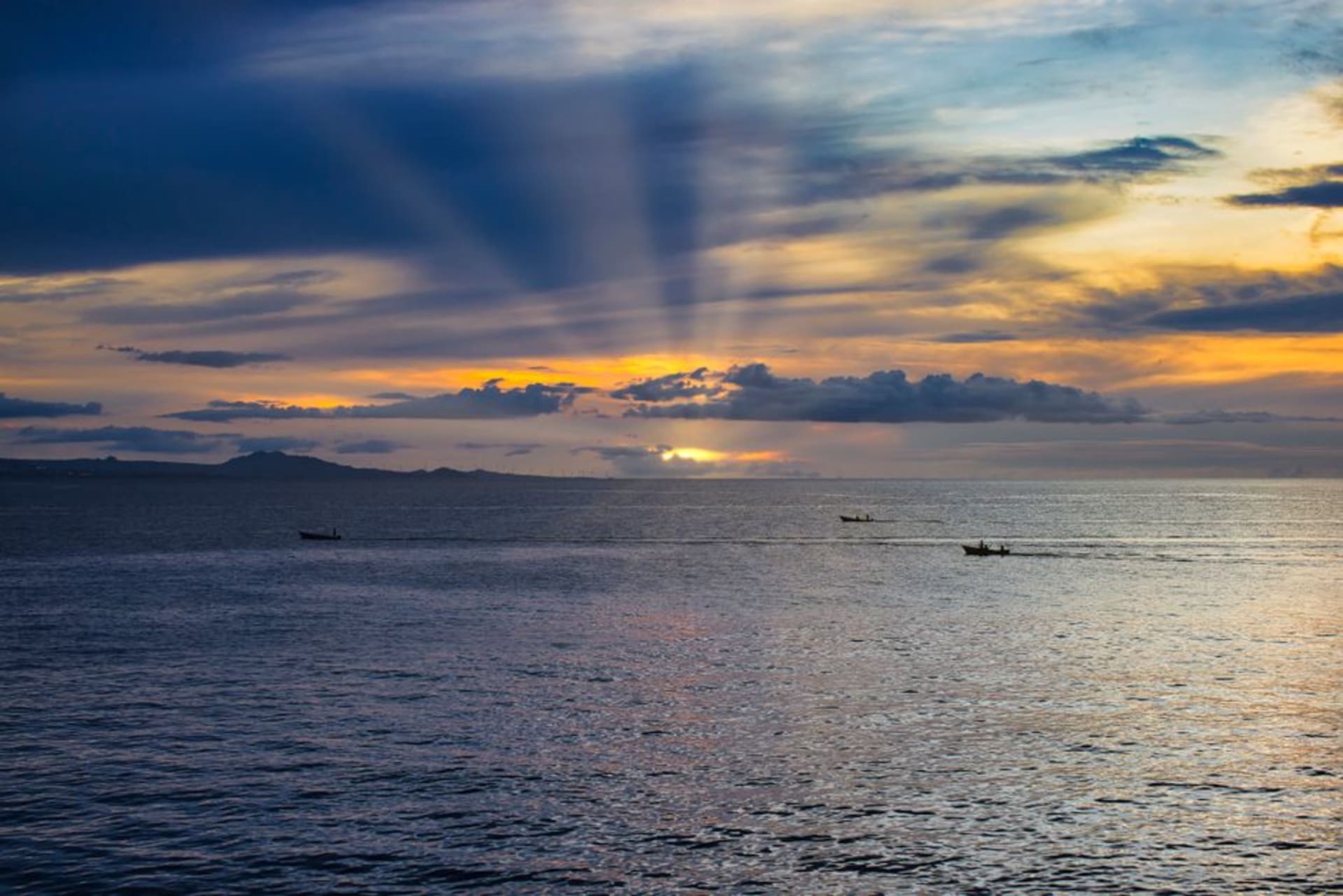
Pearl Lagoon
"Pearl Lagoon runs on tides and fish, and after three days there I'd forgotten what a clock was for."
A Creole fishing town on a calm Caribbean lagoon, reachable only by boat, where the seafood is the day's schedule and nobody is in a hurry to change that.
The panga from Bluefields to Pearl Lagoon takes about an hour, cutting across brackish water so still in places it looked painted on, and I spent most of it watching pelicans dive-bomb the wake. There’s no dock with a sign, no queue of touts — just a wooden jetty, a scatter of clapboard houses in fading pastel, and a woman selling fried fish from a cooler who became, over the next three days, more or less my only source of food and local news. Pearl Lagoon is small, Creole, and entirely unbothered by the idea that it should be otherwise.
Life set to the tide
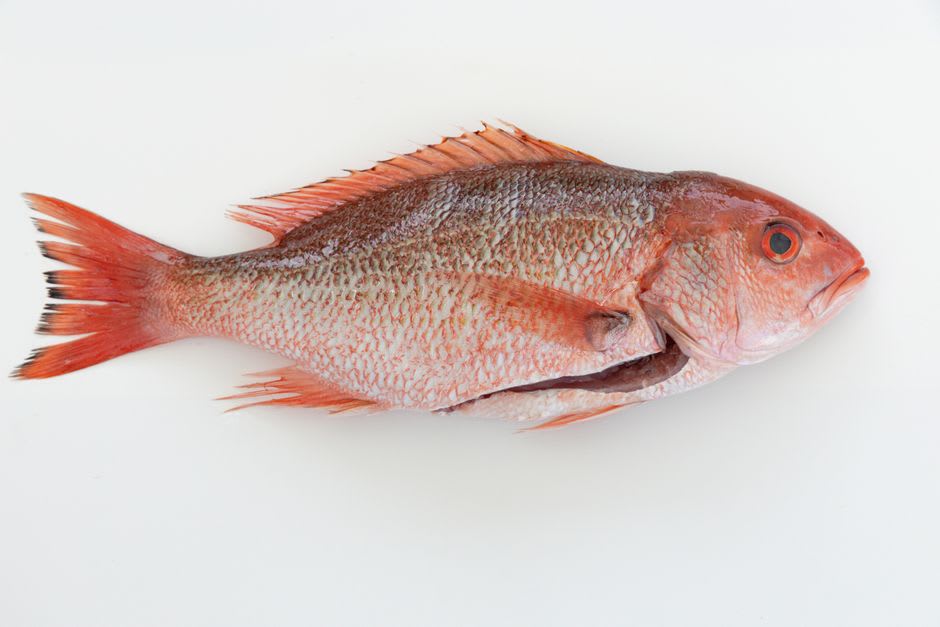
Everything in Pearl Lagoon happens around what the water is doing. Fishermen head out before dawn and come back mid-morning with snapper, snook, and the lobster that the whole southern Caribbean coast is quietly famous for. I ended up eating lunch most days at a place that was really just someone’s front porch with three plastic tables, where a woman named Miss Yvonne fried whatever had come in that morning and served it with coconut rice and a wedge of lime, no menu required — you ate what the lagoon had given up that day. It was the best fish I had anywhere in Central America, and it cost less than a bad taco back on the Pacific coast.
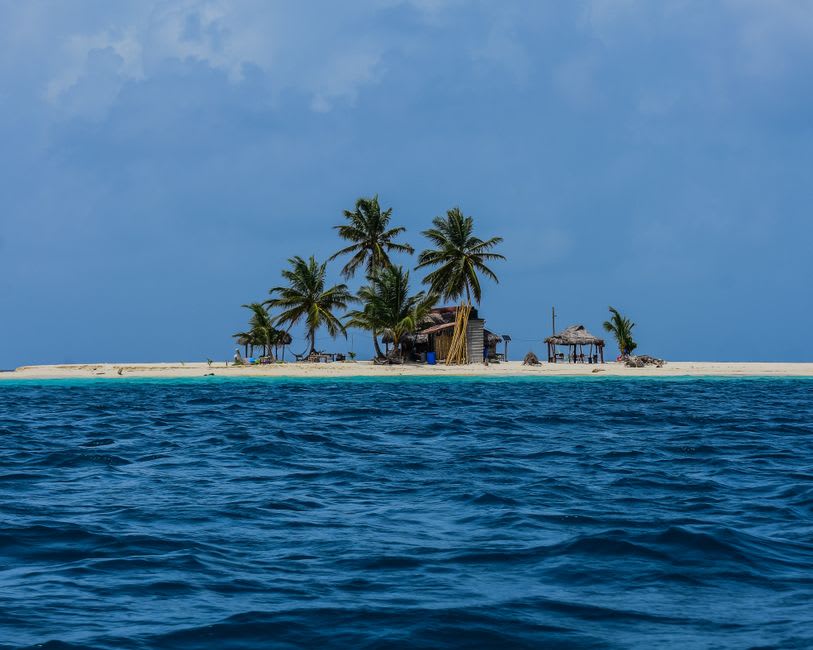
The cayes, if you can find a boat
The real draw for a lot of visitors is the string of small cayes scattered off the lagoon toward the open Caribbean — sandbars with a handful of palm trees and, on some, a single family living off coconuts and fishing. Getting there means finding someone with a boat and a reason to go, which in my case meant a fisherman named Elton who agreed to take me out to Pigeon Cay for the price of a few beers and the promise I’d help bail water if his engine acted up. It did, twice, and I did. We spent the afternoon on a strip of sand barely wide enough for the boat, snorkeling over a reef that nobody had bothered to name for tourists, then motored back as the light went orange over the mangroves.
There’s no real “sight” to see in Pearl Lagoon in the checklist sense. What there is, instead, is a rhythm — boats going out, boats coming back, fish going from water to plate in a matter of hours — that most of the Caribbean lost decades ago to resorts and marinas. This corner of Nicaragua hasn’t gotten the memo yet, and I hope it takes its time.
When to go: February to April for the calmest lagoon crossings and driest weather; avoid the heaviest rains from September to November when boat travel gets rough.
Keep exploring
More from Nicaragua
 nicaragua
 Peñas Blancas Massif
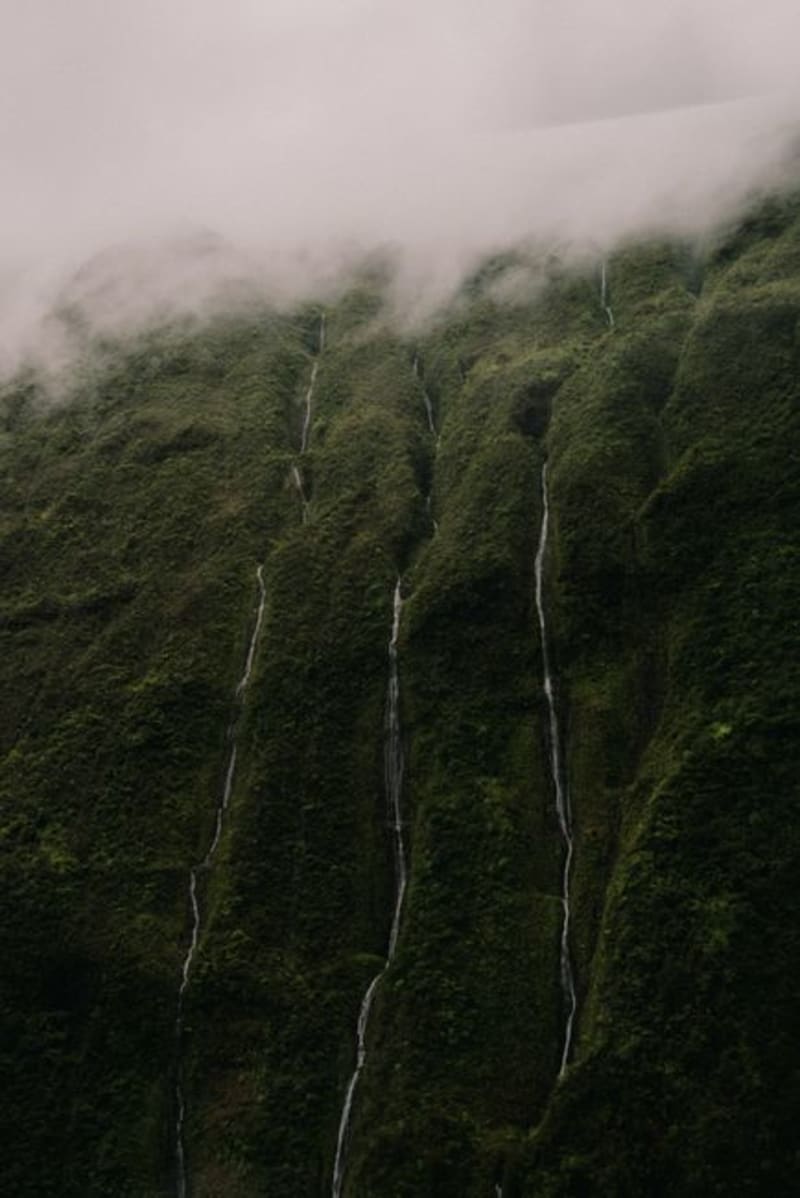
A cloud-forest reserve above Matagalpa where waterfalls drop through moss-heavy jungle and stone farmhouses sit on ridgelines with views clear across the northern highlands.
Explore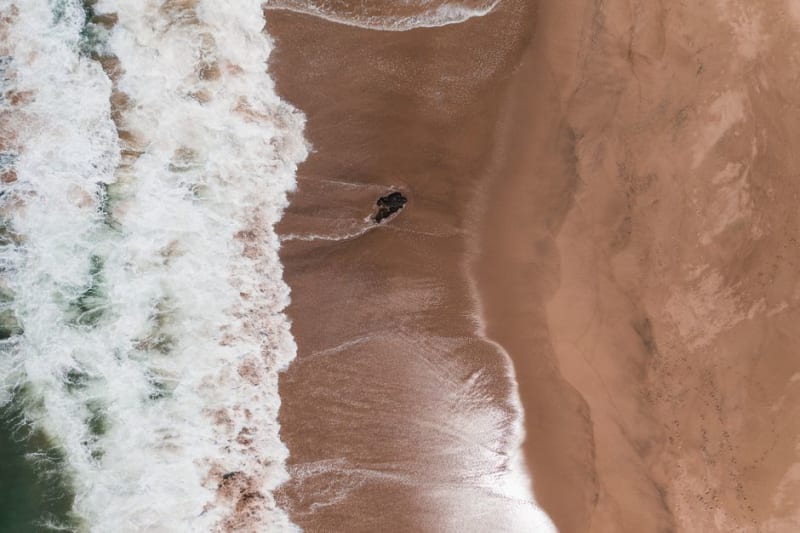 nicaragua
 Playa Hermosa
A long, wide Pacific beach north of San Juan del Sur with consistent surf and almost none of the crowd — the stretch of coast people mean when they say 'get away from it all.'
Explore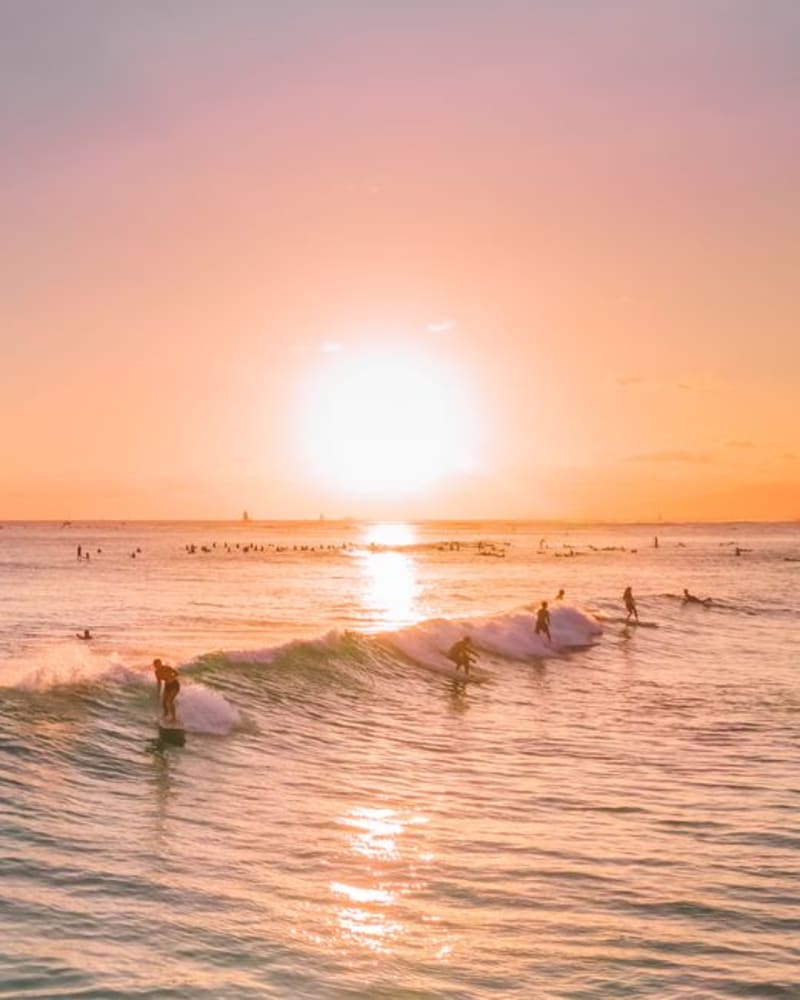 nicaragua
 Playa Maderas
The friendliest surf beach near San Juan del Sur — a forgiving beach break, a strip of open-air bars, and a sunset ritual that draws the whole coast in for the evening.
Explore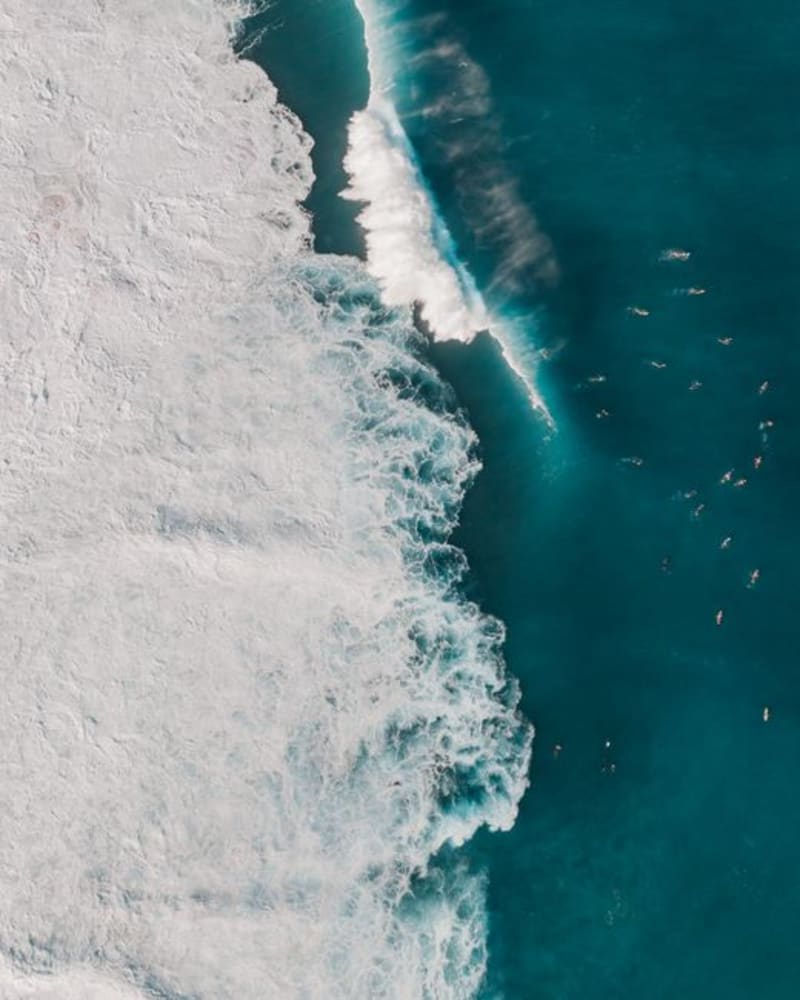 nicaragua
 Popoyo
A powerful reef break and a scattering of surf camps on Nicaragua's Emerald Coast, quieter and rawer than San Juan del Sur and unapologetic about who it's for.
Explore nicaragua
 Puerto Morazán
A quiet fishing and shrimp-farming town on the Estero Real estuary near the Honduran border, where mangrove channels replace roads and the birdlife outnumbers the people.
Explore nicaragua
 Quilalí
A remote coffee-farming town deep in the mountains of Nueva Segovia, reached by rough unpaved roads and marked, still, by the memory of the war fought through these hills.
Explore