Ocotal
"I put on a sweater in Nicaragua for the first time in Ocotal, and I still don't quite believe it happened."
A hillside colonial capital near the Honduran border where pine forests replace palm trees and the air actually turns cool at night.
I arrived in Ocotal on a bus that had been climbing steadily out of Estelí for two hours, and somewhere along the way the vegetation changed without my noticing — banana trees gave way to pine, the heat thinned out, and by the time we pulled into the terminal I was reaching for a jacket I’d packed as an afterthought. Nobody warns you that Nicaragua has a pine forest. Nueva Segovia sits up near the Honduran border at enough elevation that the nights are properly cool, and Ocotal, its departmental capital, wears that climate like a secret nobody else in the country knows about.
A town built for looking up
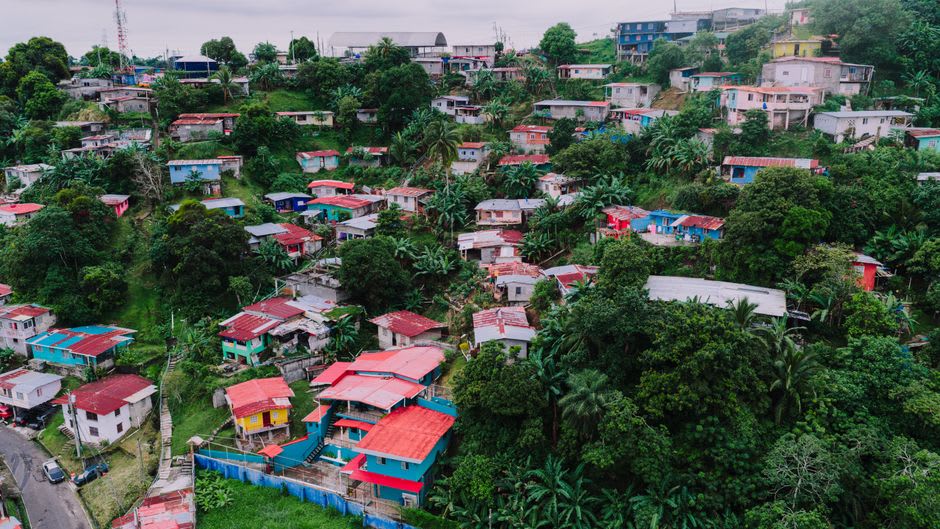
The thing that struck me first was the color. Ocotal’s houses climb the hillsides in blocks of blue, ochre, and terracotta, and because the town is built on a slope rather than a grid, almost every street offers some new angle on the rooftops below. I spent an early evening just walking uphill without a destination, past a barbershop with its door propped open and a transistor radio playing ranchera, past a woman selling nacatamales wrapped in banana leaf from a cooler on her porch. She sold me one for less than a dollar and told me to come back tomorrow because Thursday’s batch had more pork. I did.
The border town that isn’t quite a border town
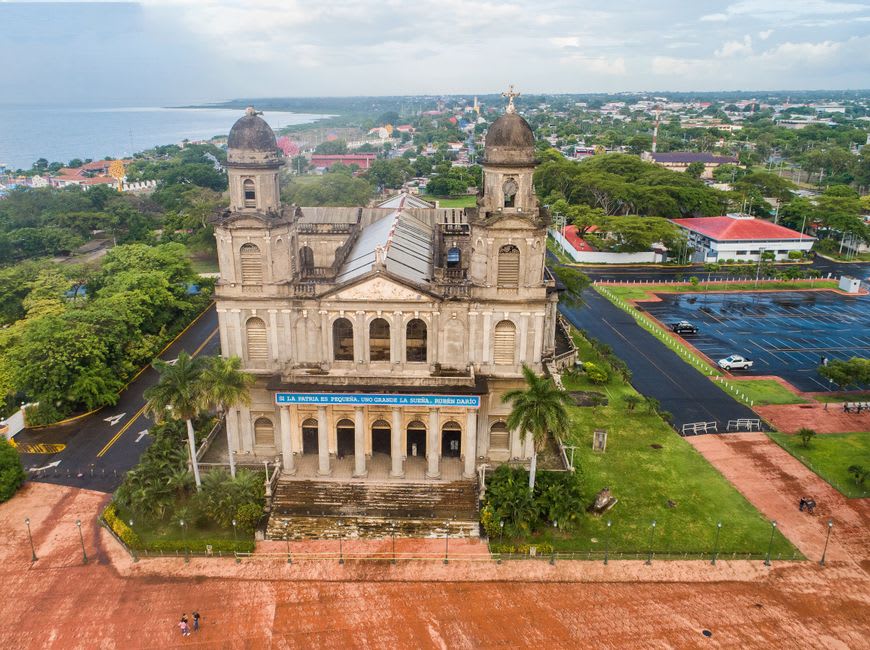
What surprised me most about Ocotal is how little it feels like a frontier outpost, even though Honduras is barely twenty minutes up the road. There’s no scramble of moneychangers or duty-free chaos — just a calm provincial capital going about its own business, with a central park shaded by enormous trees and a cathedral that locals are quietly proud of without making a production of it. I sat on a park bench one afternoon watching schoolkids in blue-and-white uniforms cut across the plaza in loose formation, and an older man next to me, retired from the mines further north, told me Ocotal used to be considered the edge of nowhere. Now, he said, with a shrug that suggested he wasn’t entirely convinced, people call it a hidden gem. He preferred the old description.
The pine forests around town are worth the detour on their own. Locals harvest resin from some of the older trees, and the smell along certain roads out of town — turpentine and cool earth — is unlike anywhere else I’ve been in Central America. It is a landscape that belongs more to the Sierra Madre than to the tropics, and that dislocation is exactly why I’d send anyone here who thinks they’ve already seen what Nicaragua looks like.
When to go: December through February for the coolest, clearest weather — nights can dip into genuine sweater territory, which is rare praise for this country. Avoid the tail end of the rainy season (September–October) when the mountain roads north of town get muddy and slow.
Keep exploring
More from Nicaragua
 nicaragua
 Ometepe Island
Two volcanoes rise from Lake Nicaragua forming an island that Nahuatl speakers called the place of two mountains.
Explore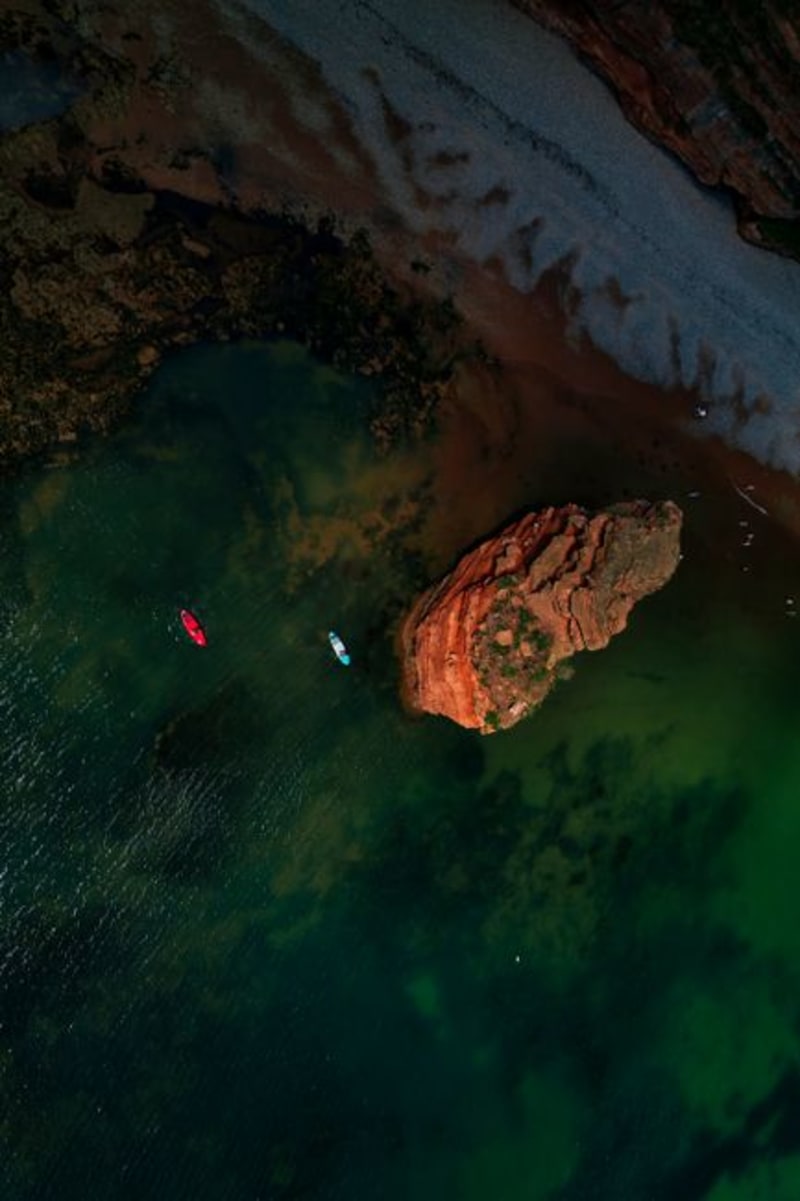 nicaragua
 Padre Ramos Estuary
A protected mangrove reserve on Nicaragua's northern Pacific coast, laced with kayak-quiet channels and backed by beaches where sea turtles still come ashore to nest.
Explore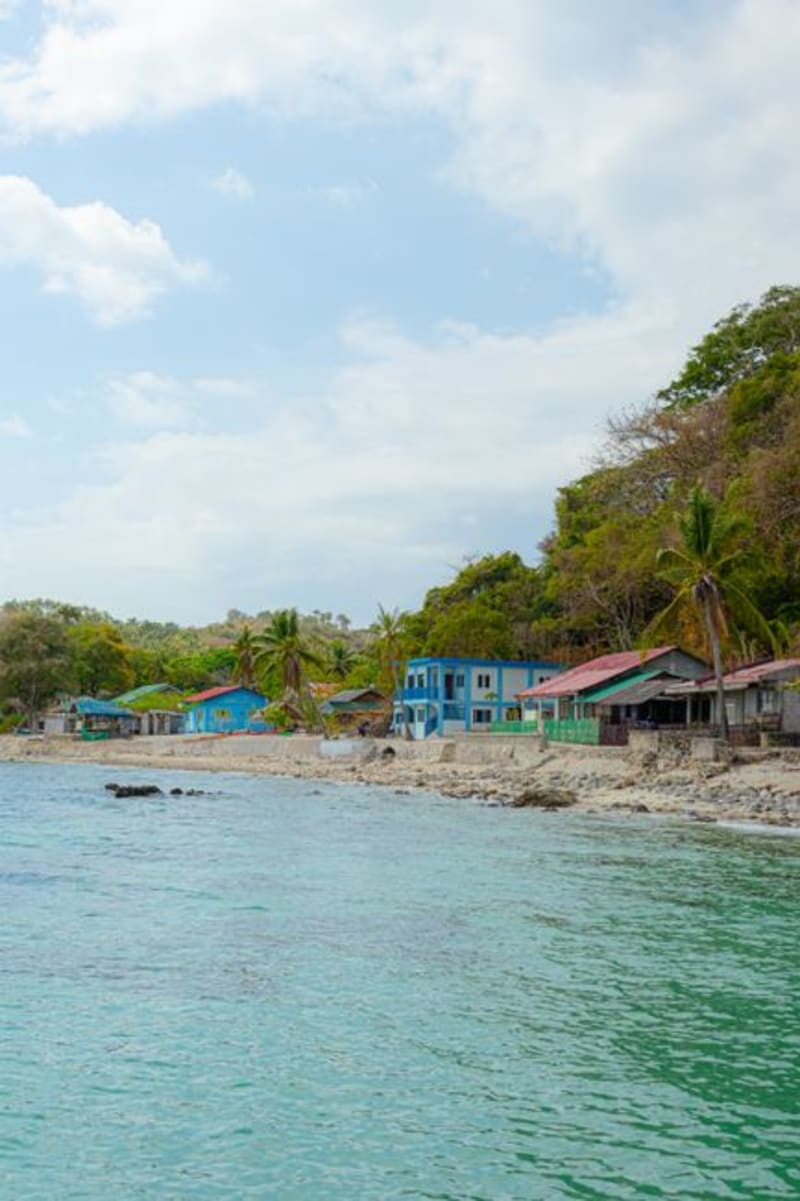 nicaragua
 Pearl Lagoon
A Creole fishing town on a calm Caribbean lagoon, reachable only by boat, where the seafood is the day's schedule and nobody is in a hurry to change that.
Explore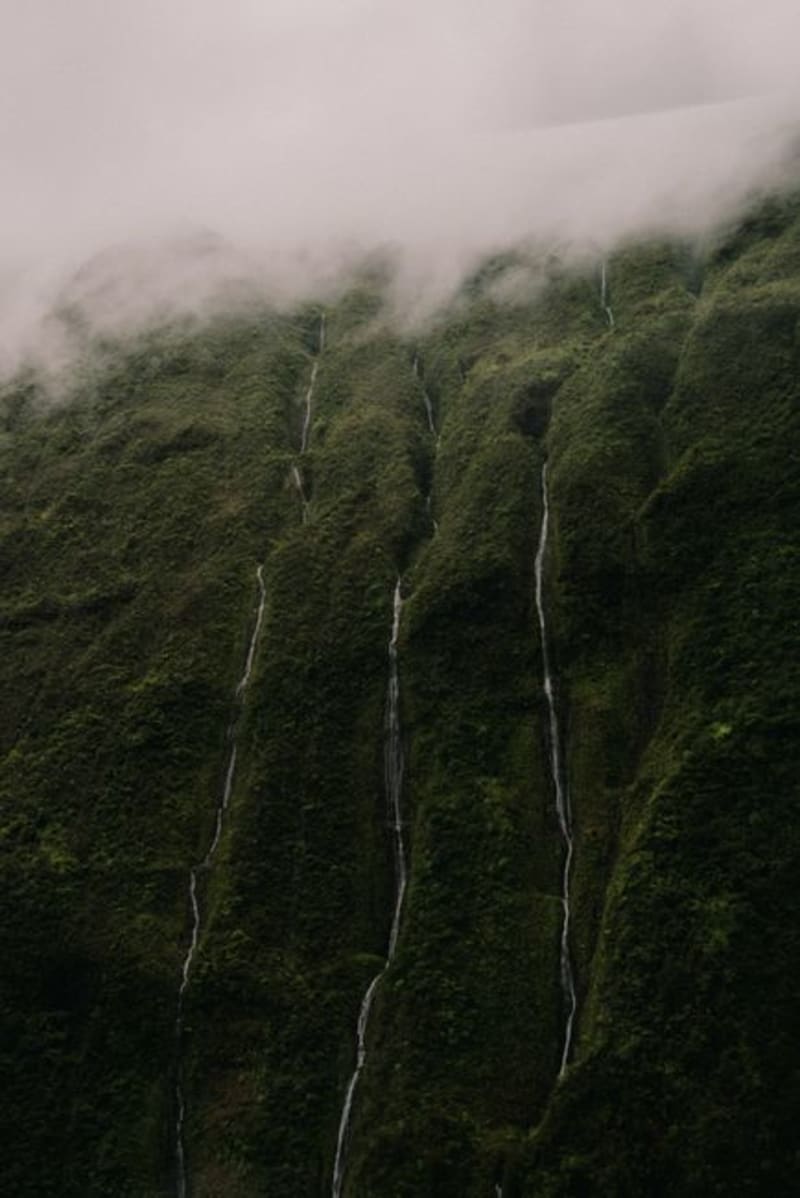 nicaragua
 Peñas Blancas Massif
A cloud-forest reserve above Matagalpa where waterfalls drop through moss-heavy jungle and stone farmhouses sit on ridgelines with views clear across the northern highlands.
Explore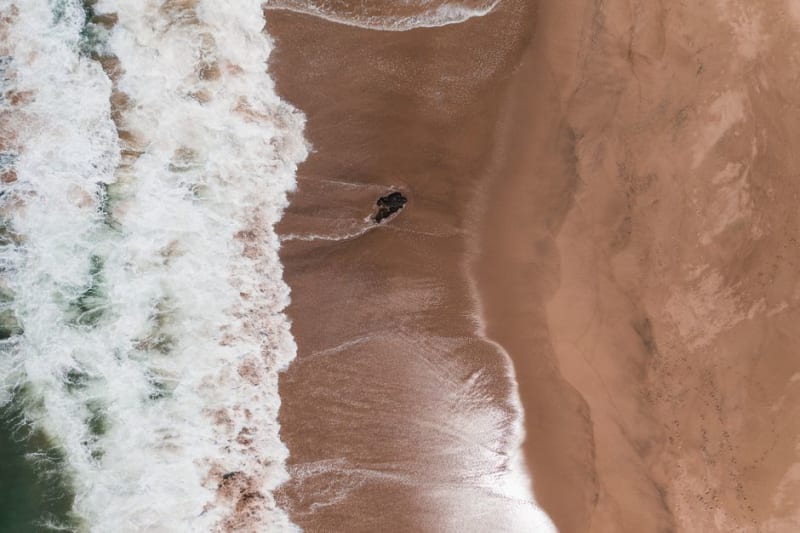 nicaragua
 Playa Hermosa
A long, wide Pacific beach north of San Juan del Sur with consistent surf and almost none of the crowd — the stretch of coast people mean when they say 'get away from it all.'
Explore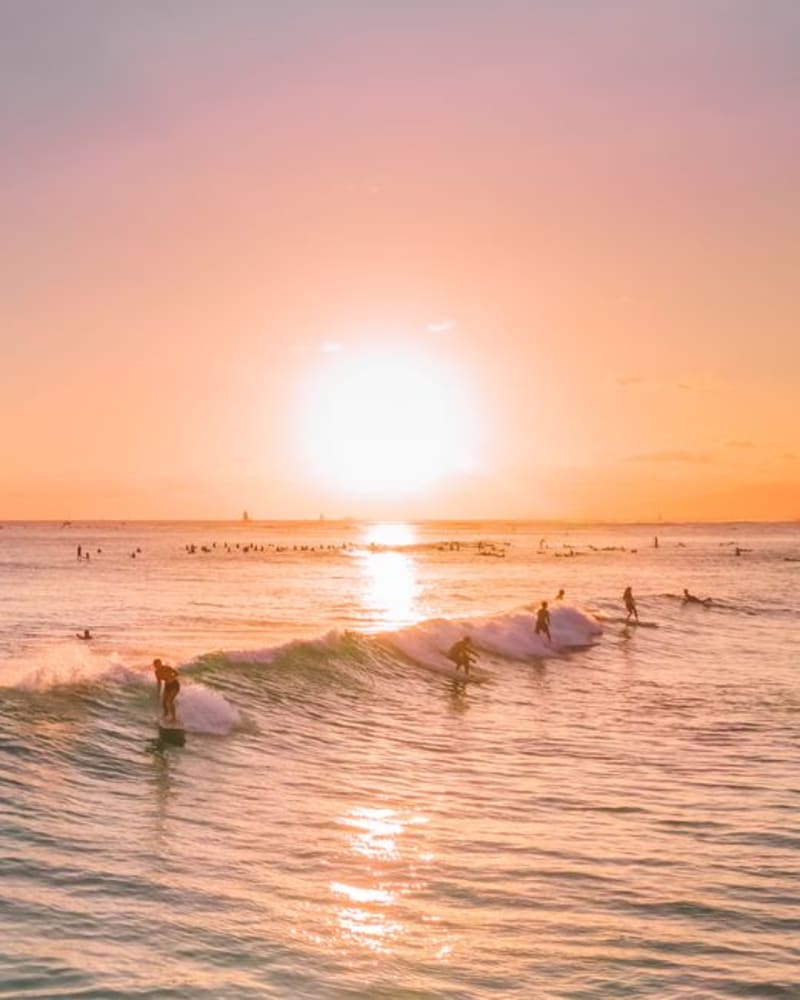 nicaragua
 Playa Maderas
The friendliest surf beach near San Juan del Sur — a forgiving beach break, a strip of open-air bars, and a sunset ritual that draws the whole coast in for the evening.
Explore