Nueva Segovia
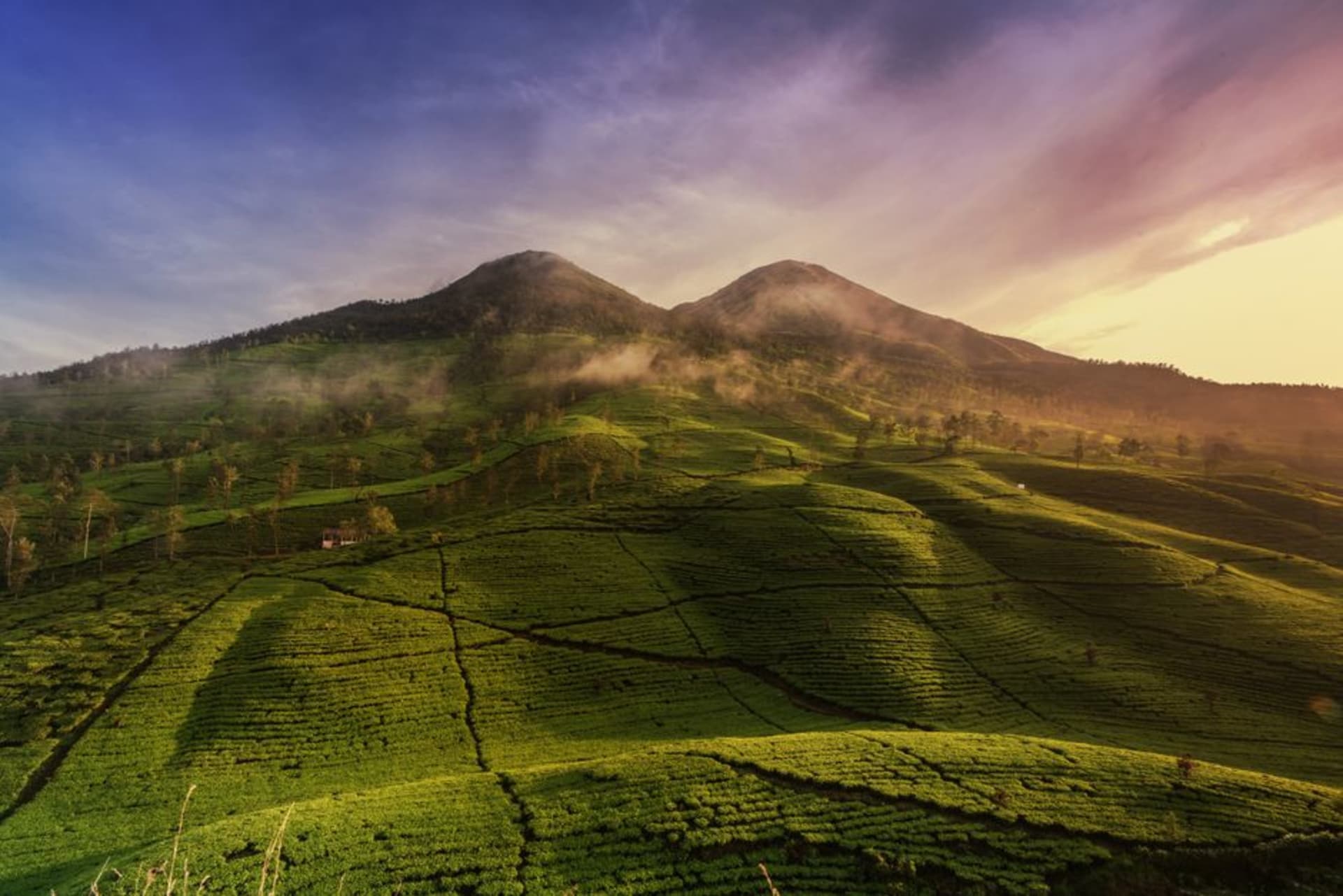
"Nueva Segovia is where Nicaragua stops being tropical and starts feeling like highland pine country, and I wasn't ready for how cold the nights would get."
Nicaragua's mountainous northern frontier against Honduras, a land of coffee, tobacco, and pine forest where Sandino once ran his guerrilla war from the hills.
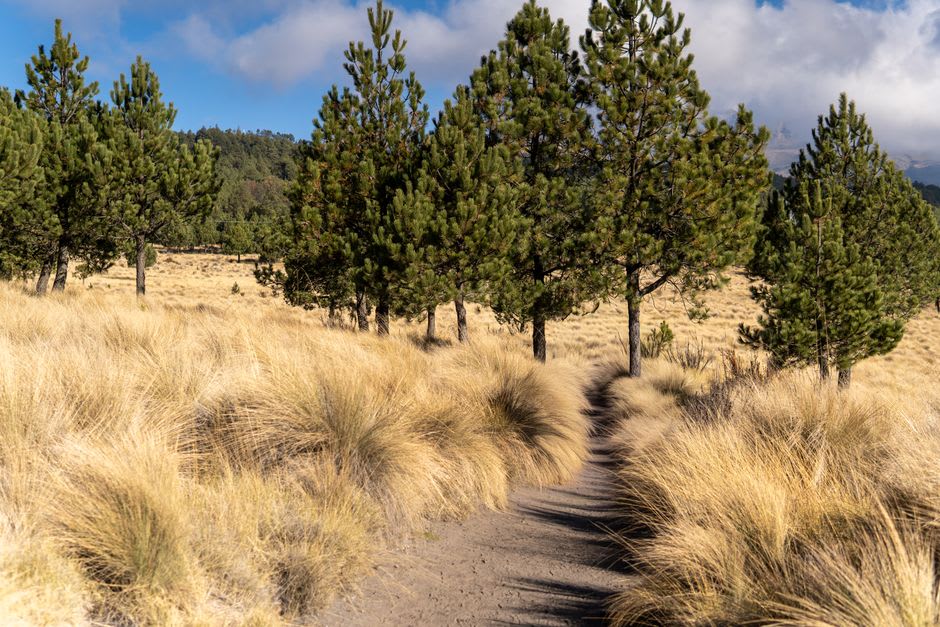
I hadn’t expected to need a sweater in Nicaragua, but Nueva Segovia corrected that assumption within my first evening in Ocotal, its capital, when the mountain air dropped hard after sunset and I found myself huddled at a street food stall over a bowl of hot indio viejo just to warm my hands. This is the country’s northernmost department, pressed right up against the Honduran border, and it feels distinct from almost everywhere else in Nicaragua — pine forests instead of palms, coffee terraces climbing the hillsides instead of cattle pasture, a chill in the air that the Pacific coast never gets close to.
Sandino’s mountains
Nueva Segovia carries a heavy weight of history that isn’t hard to feel once you know where to look. This was Augusto César Sandino’s stronghold in the late 1920s and early 1930s, the rugged terrain from which he ran his guerrilla resistance against the US Marine occupation, giving his name eventually to the entire Sandinista movement decades later. I hiked a stretch of trail outside the town of Jalapa with a guide named Osmán, whose grandfather had reportedly carried supplies for Sandino’s fighters as a boy, and who pointed out a ridge where he said a skirmish had taken place with the same flat certainty most guides reserve for pointing out a waterfall. History here isn’t a museum exhibit. It’s a family story still being told at the dinner table.
Coffee, tobacco, and mountain quiet
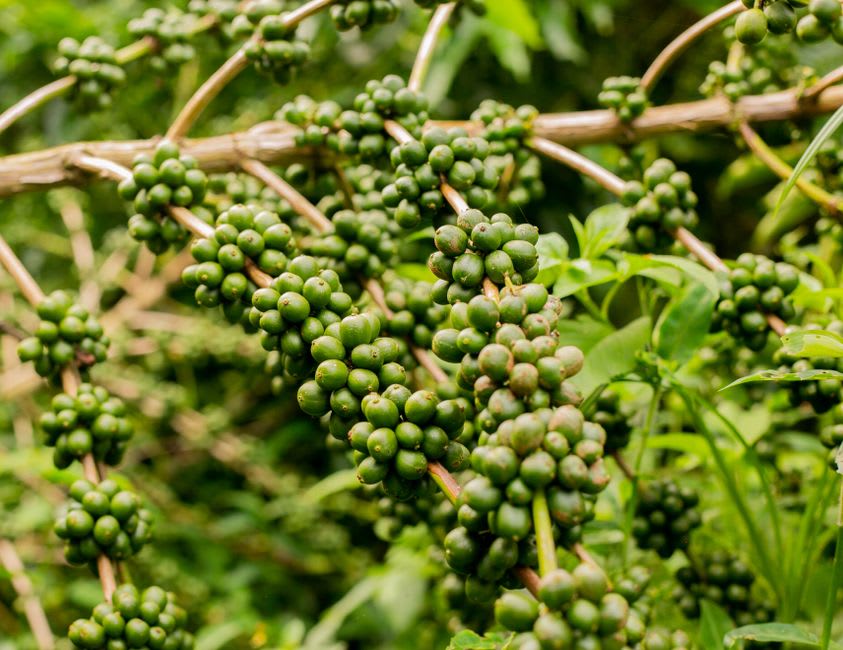
The department’s economy today runs on two crops that couldn’t be more different in ritual — coffee, grown on cool misty slopes around Dipilto and Jalapa, and tobacco, cultivated in the valleys and, in nearby Estelí’s shadow, rolled into some of the cigars that have quietly built Nicaragua a reputation among connoisseurs who’ll never set foot in the country. I visited a small family coffee farm above Ocotal run by a woman named Doña Teresa, who walked me through rows of shade-grown arabica while explaining, with visible pride, that her beans went into a cooperative export that eventually reached roasters in Europe — likely, for all either of us knew, closer to my own kitchen back in France than I’d realized.
Nueva Segovia doesn’t get many foreign visitors, and the ones who do come are usually coffee buyers rather than backpackers. That absence of tourist infrastructure is part of the charm — nights are for sitting by a fire with a cup of the local coffee, listening to pine trees move in wind that feels more Andean than Central American.
When to go: December through February for the coolest, clearest mountain weather and the tail end of the coffee harvest; expect genuinely cold nights, unusual for Nicaragua, so pack layers.