Mombacho Coffee Farms
"I've had coffee in a dozen countries. I've never had it twenty minutes after it was still a red cherry on the branch."
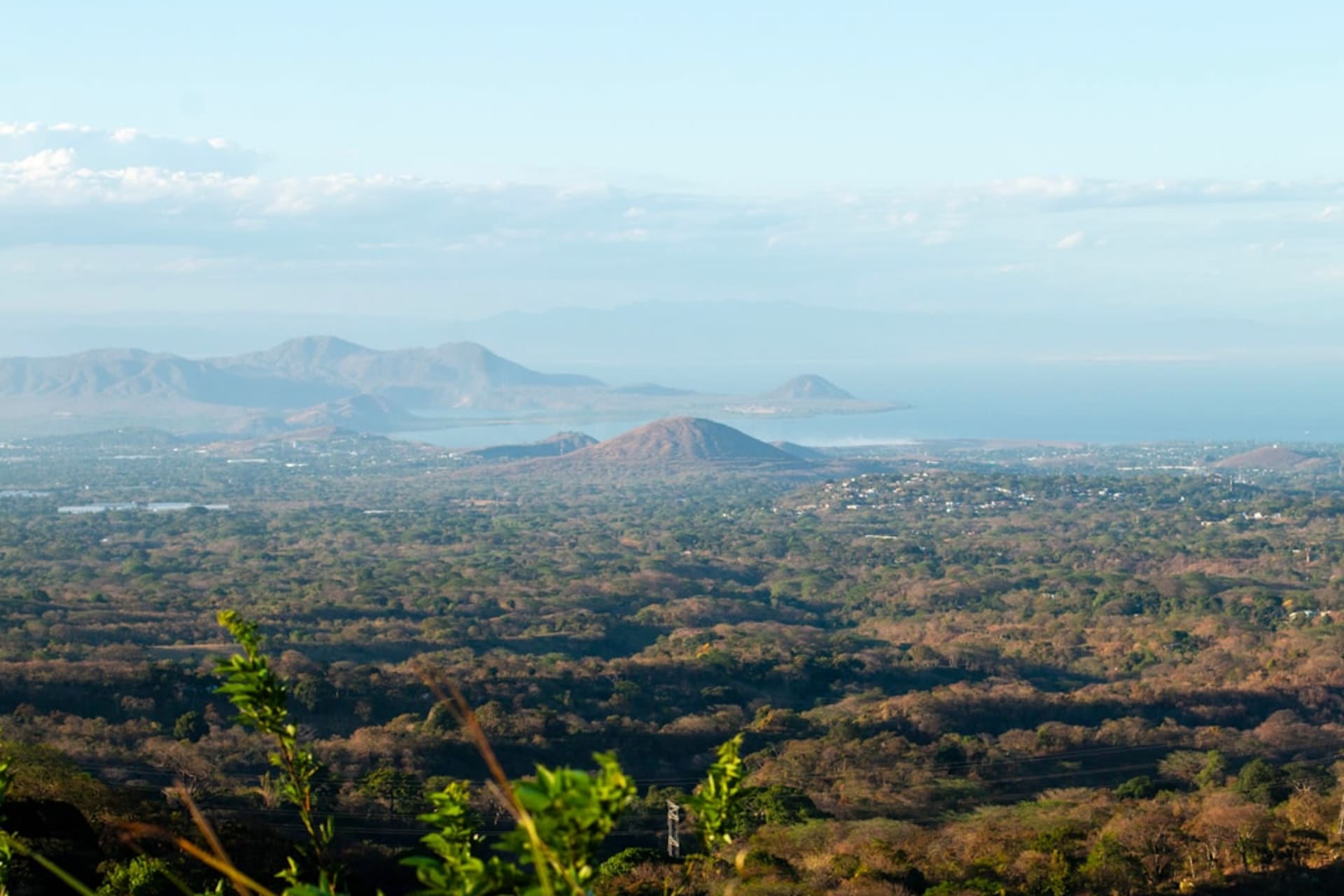
Shade-grown coffee estates clinging to the slopes of a volcano above Granada, where the harvest smells like wet earth and the view stretches all the way to Lake Nicaragua.
The road up Mombacho switches back so many times that I lost count somewhere around the seventh turn, the truck’s engine straining in first gear while the temperature dropped a full ten degrees in twenty minutes. Granada was still sweating in the valley below. Up here, wrapped in cloud forest, the air smelled like wet soil and something sweeter underneath it — ripe coffee cherry, I’d learn, the smell that hangs over the whole mountain during harvest season. I’d come up for a “coffee tour,” a phrase that had made me picture a gift shop and a free espresso. What I got instead was three hours on a working finca with a farmer named Efraín who has been picking these same rows since he was nine years old.
Shade, Slope, and the Reason It Tastes Different
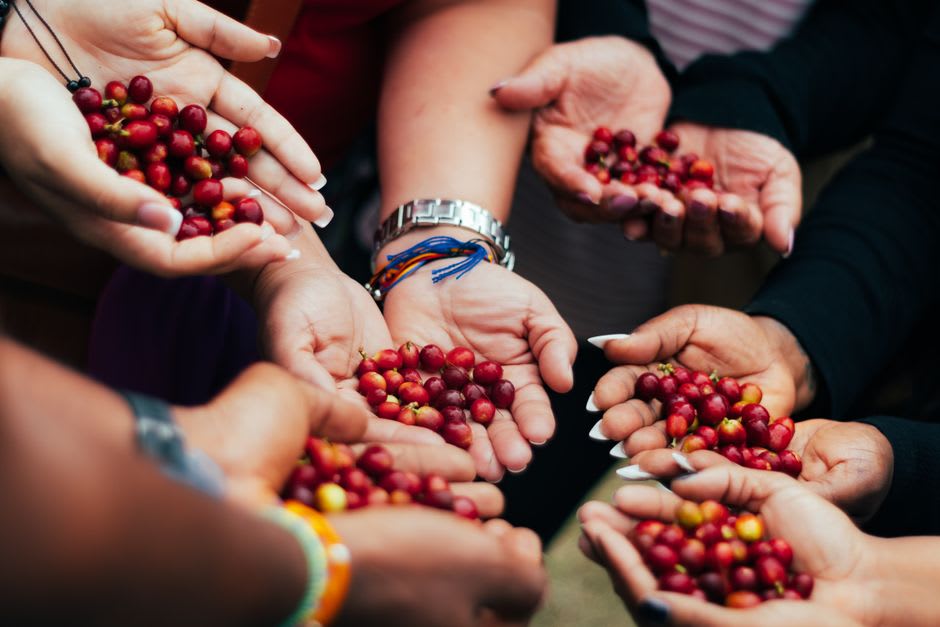
Mombacho’s coffee farms are old — some of the estates on the volcano’s flank date to the late 1800s, when German and Nicaraguan planters realized the altitude and rich volcanic soil produced something special. What struck me wasn’t the age, though, it was the shade. Nearly every farm here grows coffee under a canopy of taller trees — guaba, banana, the occasional towering ceiba — rather than clearing the slope and planting in full sun the way I’d seen in cheaper operations elsewhere. Efraín explained it without a hint of marketing polish: shade slows the cherry’s ripening, and slower ripening means more sugar, more complexity in the cup. He picked a ripe cherry off the branch, split it with his thumbnail, and had me chew the sticky pulp around the bean raw. It tasted like a very mild lychee. Nothing like coffee at all.
Cupping With a View
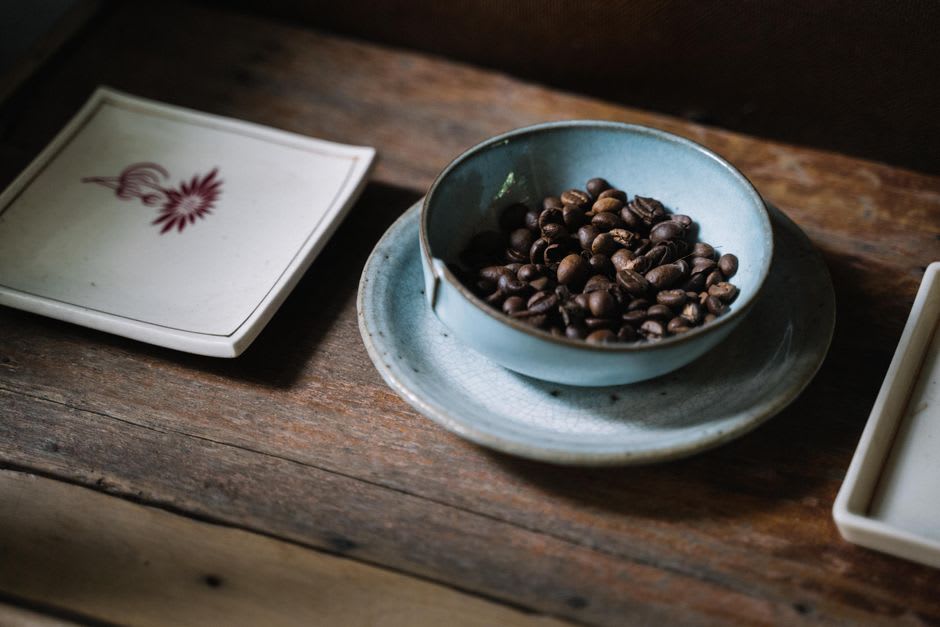
The tour ended, as most do, with a cupping — rows of small bowls, each a different lot or process, slurped loudly off a spoon so the coffee aerates across your whole palate. I’m not a coffee snob by any stretch, but even I could taste the difference between the honey-processed lot and the fully washed one, the first almost fruity, the second cleaner and more citrus-bright. We did the whole tasting on a wooden deck cantilevered off the slope, and between bowls I kept losing focus on the coffee because Lake Nicaragua was laid out below us, the isletas scattered across it like green punctuation, Ometepe’s twin volcanoes hazy on the far shore. It’s a strange kind of luxury, tasting something this labor-intensive while looking at a view this effortless.
Most visitors combine the coffee farms with the volcano’s cloud-forest reserve higher up, and I’d recommend doing both in the same day — the contrast between the cultivated slopes and the wild crater rim above them tells you something about how carefully this mountain has been used rather than simply taken from.
When to go: The harvest runs November through February, when the farms are busiest and cherries are actually being picked — visit then if you want to see the full process rather than just the fields. The dry season overall (November–April) also gives you the clearest views down to the lake.