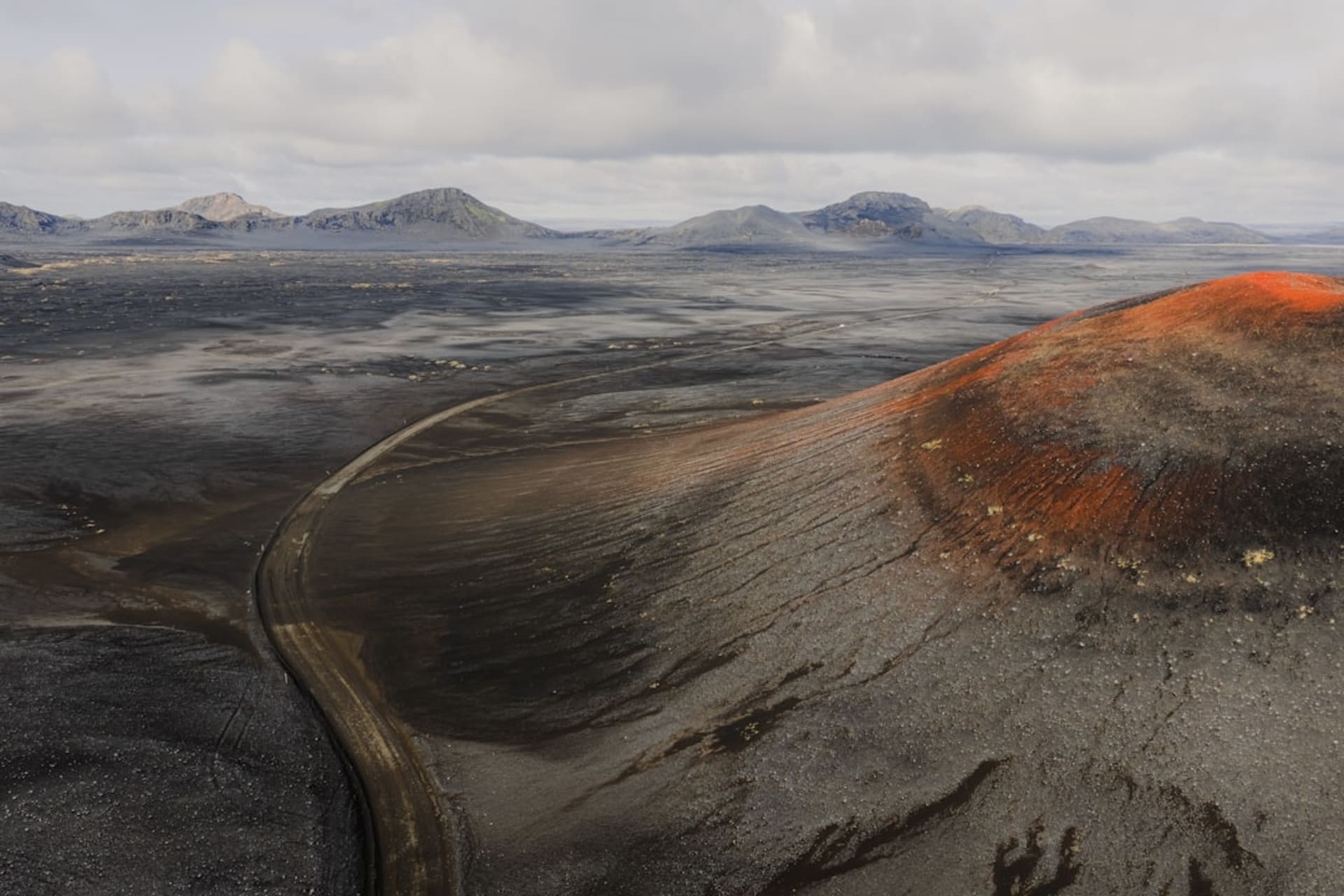
Masaya Volcano National Park
"I have never driven a car to the edge of hell before. Turns out you can, and it costs about two dollars."
One of the only places on the planet where you can drive right up to the rim of an active volcano and stare straight down into a lake of glowing lava.
This is a different place from the town of Masaya, and I want to be clear about that up front because I made the mistake of conflating the two before I’d been to either. The town has the market and the malecón. The national park, a short drive further out, has the volcano — and the volcano is, without much competition, the single strangest and most viscerally exciting thing I’ve done in Nicaragua. You do not hike to this crater. You drive to it. The park has paved a road almost to the rim, and you park in a lot maybe eighty meters from a live volcanic vent, get out, and walk to a viewing platform where you look straight down into churning, cracking, glowing magma.
What Hell Actually Looks Like
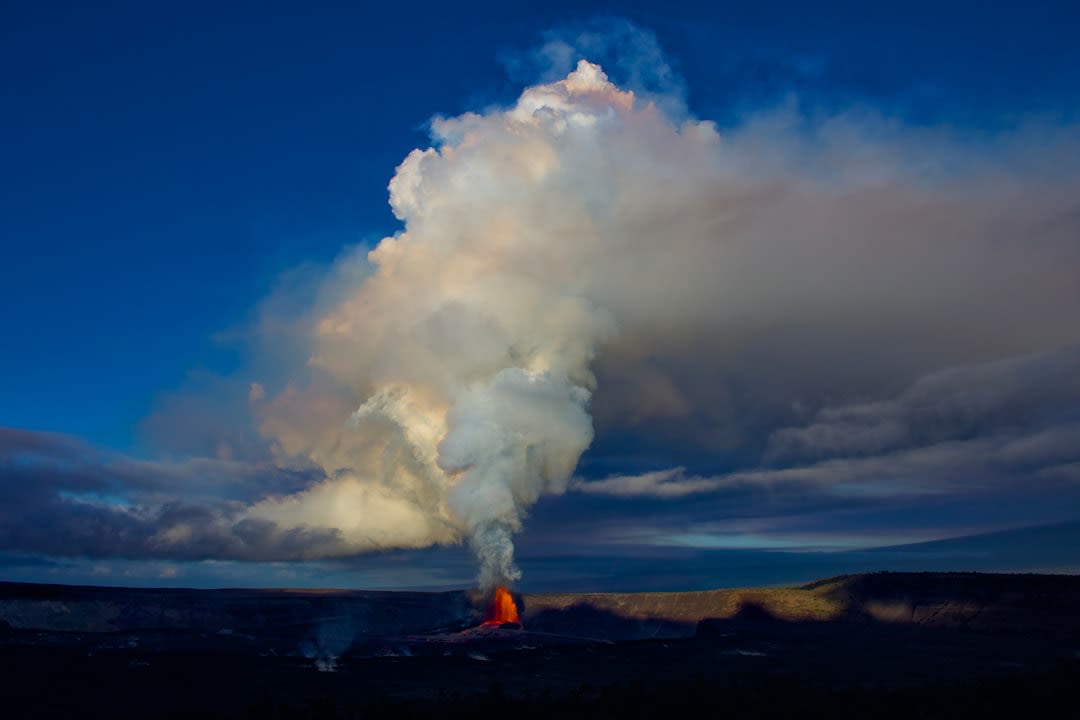
We went on a Thursday night, one of the four nights a week the park stays open after dark, specifically because that’s when the lava is visible — in daylight it just reads as heat-shimmer and smoke. At night it’s unmistakable: a lake of orange-red fire, maybe a hundred meters across, pulsing and splitting into black crust and then cracking open again, throwing off a heat you can feel on your face from the rail. The sulfur smell is heavy enough to make your eyes sting. The Chorotega people who lived here called this the mouth of hell, and the Spanish colonizers, apparently believing them, planted a stone cross at the rim in the sixteenth century to hold back the demons inside. It’s still there. Standing at that railing with the whole crater breathing under you, I understood exactly why both groups reached for the same conclusion.
Parakeets Who Live in the Sulfur
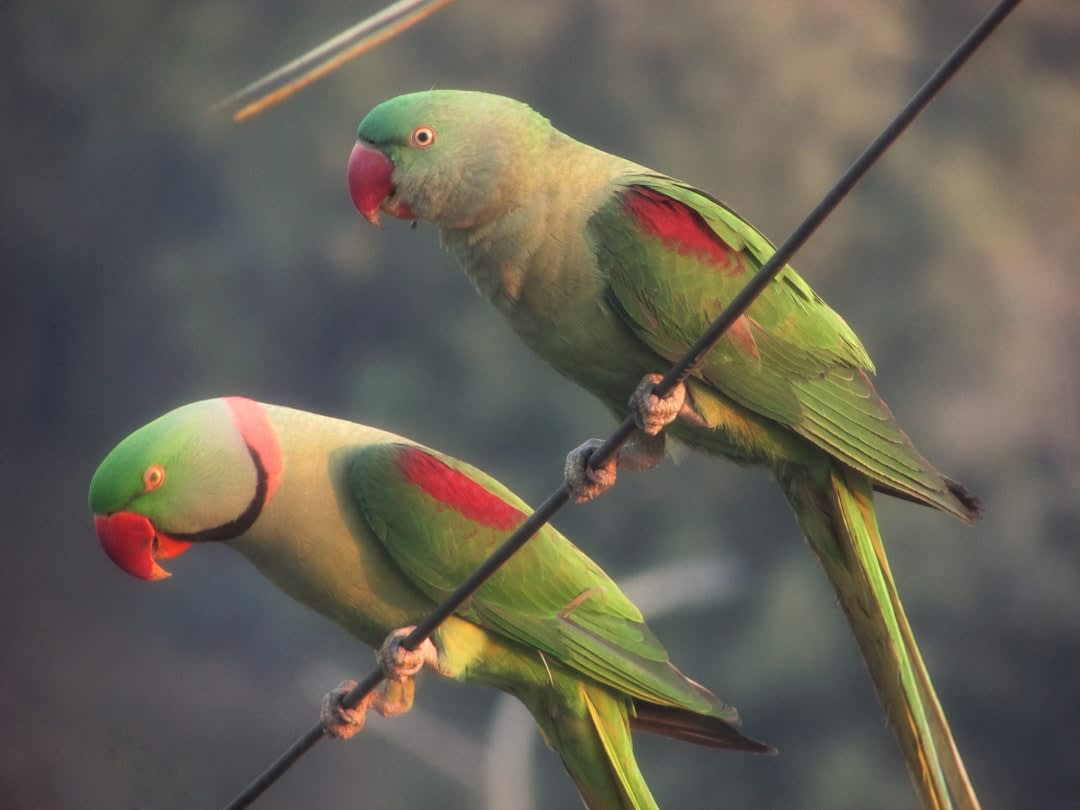
The detail that stuck with me longer than the lava, oddly, was the birds. A colony of Pacific parakeets nests directly in the crater walls, in cavities blasted into the rock by past eruptions, apparently unbothered by sulfur concentrations that would be dangerous for most other species. Biologists still don’t fully agree on how they tolerate it. We saw them at dusk, wheeling in tight flocks against the smoke rising from the vent, screeching over the low rumble from below — a genuinely strange sight, ordinary birds behaving like nothing at all was wrong with the air they were flying through.
The park closes without warning when seismic activity spikes — it has erupted with real force as recently as 2001, and rangers monitor it constantly — so treat a visit here as a privilege rather than a guarantee. Check ahead. If it’s open, go.
When to go: Night visits run Thursday through Sunday from around 5:30 p.m. — this is when you can actually see the glow. Dry season (November to April) gives the clearest air and best visibility into the crater; check park status before driving out, since activity can shut it down at short notice.