Juigalpa
"I came for the stone statues and stayed for the smell of leather and grilled beef that clings to this town."
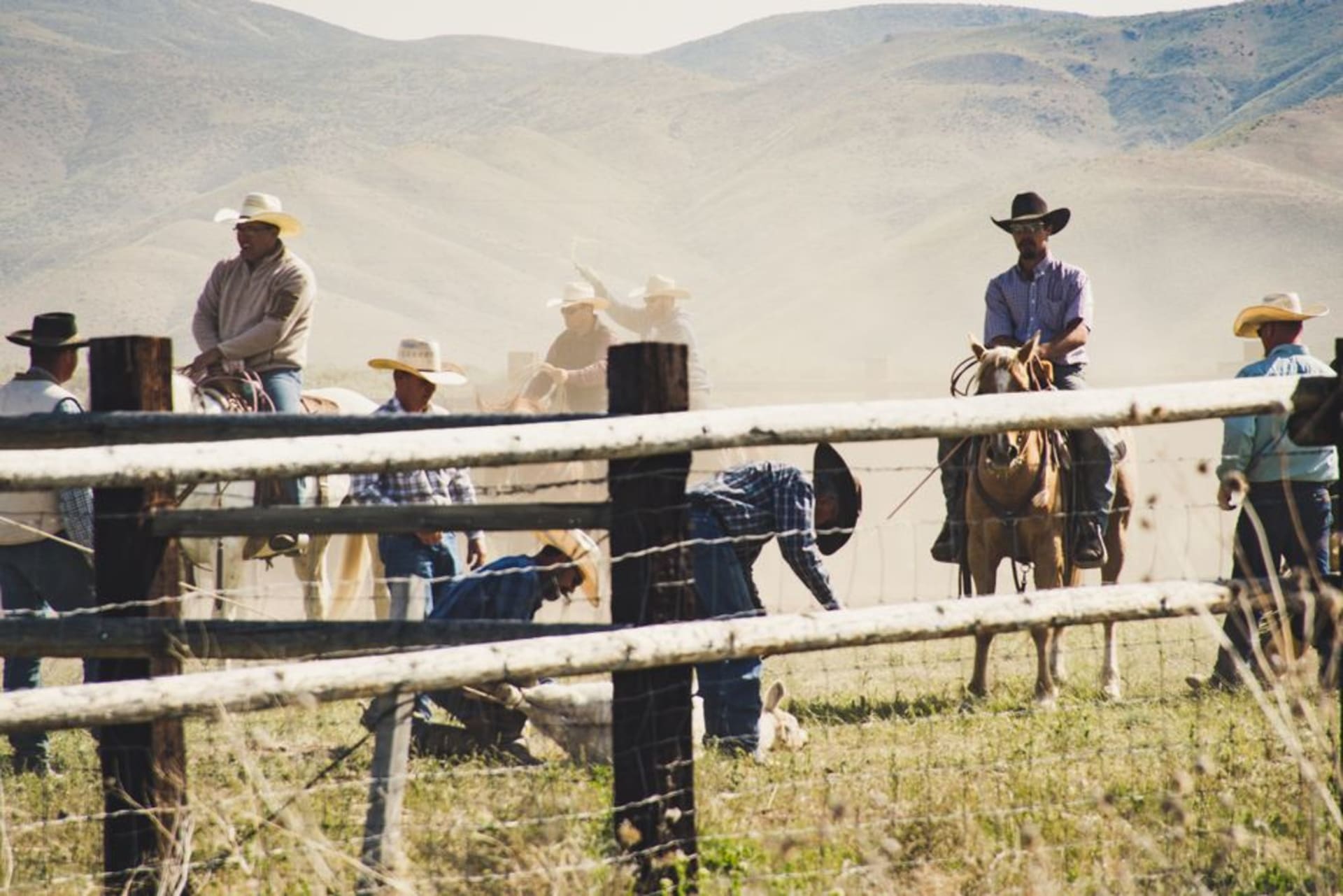
The cowboy capital of Chontales, where cattle ranchers in straw hats trade gossip over gallo pinto and pre-Columbian stone statues watch from the plaza.
I rolled into Juigalpa on a bus that smelled like diesel and wet hay, and within ten minutes a man in a pressed white cowboy hat had asked me, with total sincerity, whether I preferred Brahman or Charolais cattle. I had no answer. He looked disappointed, then invited me to sit anyway. That is Juigalpa in a nutshell — the capital of Chontales department, a town that runs on cattle money and does not pretend otherwise. Nobody comes here for the beach. They come because this is where the eastern lowlands begin, and the ranching culture that defines this whole side of the country is at its most concentrated and least self-conscious.
A plaza full of ghosts
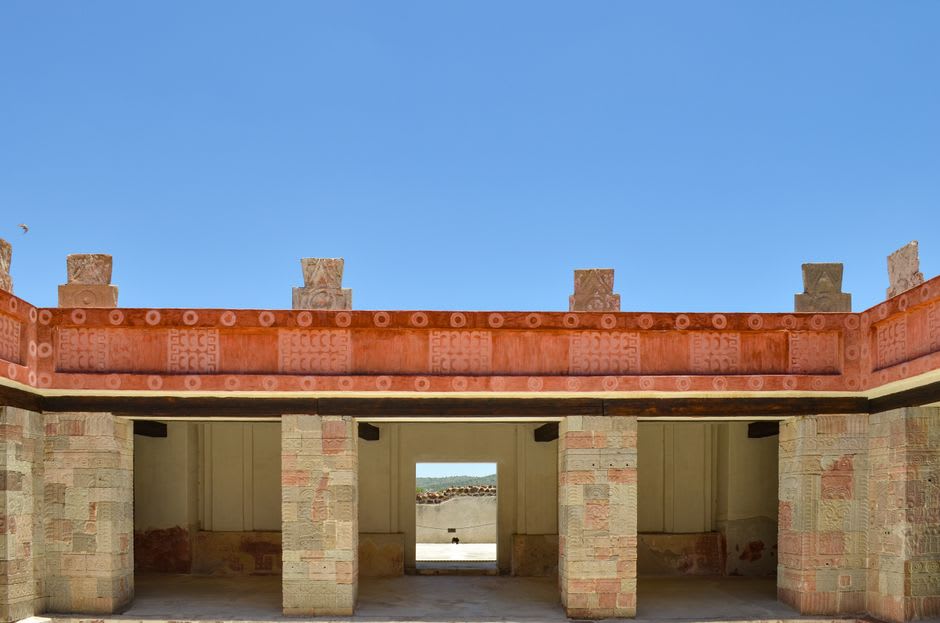
The real reason I’d detoured off the Managua–Río San Juan road was the Museo Arqueológico Gregorio Aguilar Barea, a small municipal museum that most guidebooks skip entirely. Its courtyard is lined with dozens of pre-Columbian stone statues — thick-shouldered, staring figures carved by people whose names history never recorded, pulled from farms and hillsides around Chontales over the last century. Standing among them at dusk, with the museum’s single guard locking gates in the background, I felt further from the tourist trail than almost anywhere else in Nicaragua. No velvet ropes, no gift shop. Just stone faces that have been outlasting empires since before anyone thought to ask permission to move them.
Rodeo season changes everything
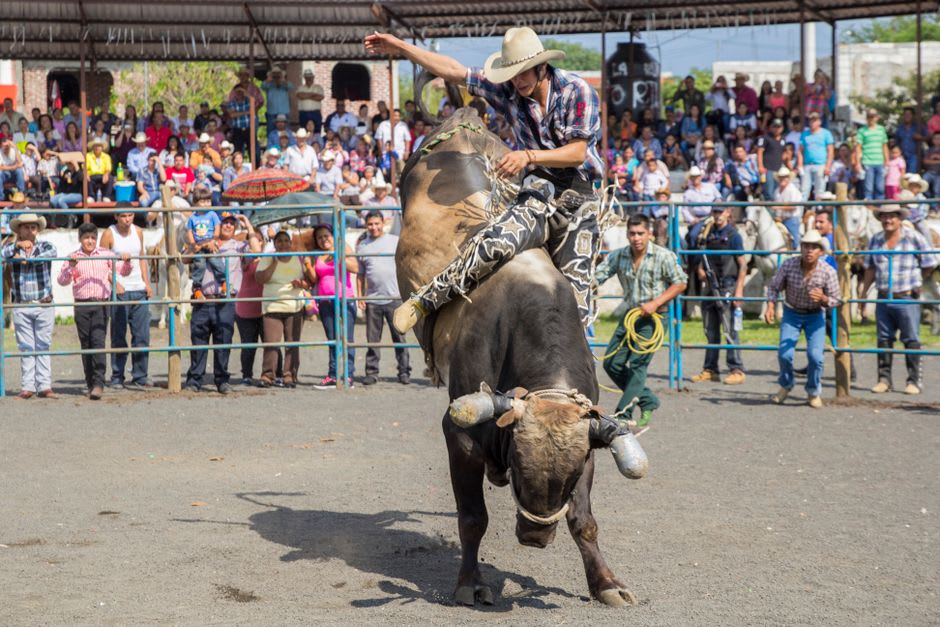
I got lucky and landed in Juigalpa during its patron saint festival in August, when the town’s entire identity — the hats, the horses, the cattle auctions — condenses into a week of rodeo. Bulls bucked in a dusty ring while ranch families cheered from pickup truck beds, and vendors sold rosquillas and cuajada (the local salty fresh cheese) from carts that had clearly been doing this for generations. A rancher named Don Efraín let me sit with his family for an afternoon, explaining the finer points of lassoing technique while his kids ran circles around us eating ice pops. Nobody was performing culture for visitors. This was just Tuesday, dressed up.
Juigalpa isn’t a place with a checklist of sights. It’s a place you pass through on the way to the lowlands and end up staying an extra night because the plaza at sunset, with old men playing dominoes and the smell of grilling beef drifting from every corner, is a better way to spend an evening than you’d planned for.
When to go: Visit during the patron saint festival in mid-August if you want the rodeo culture in full swing, or December to April for the dry season when the surrounding cattle country is easiest to move through.