Diriamba
"Diriamba is quiet eleven months a year and then, for a few days in January, it becomes the loudest, most defiant place in Nicaragua."
A colonial town that erupts every January into satirical masked theater and dance during its patron saint festival, El Güegüense.
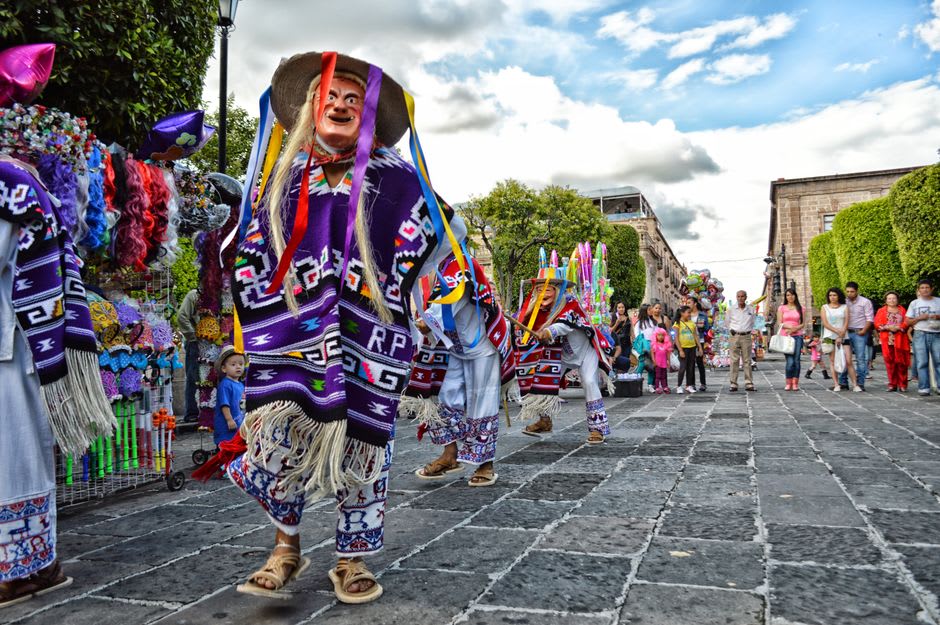
I got the timing right by accident. I’d planned to pass through Diriamba on an ordinary Tuesday and instead found the streets closed off, marimba music blaring from speakers stacked on a flatbed truck, and a procession of dancers in carved wooden masks moving through the crowd in a routine that was clearly satire, though I couldn’t yet follow the joke. Someone next to me, laughing, explained: this was El Güegüense, and I had walked straight into the patron saint festival of San Sebastián without knowing it.
Theater as an act of defiance
El Güegüense is, as far as anyone can tell, the oldest surviving theatrical and dance tradition in the Americas that blends Indigenous and Spanish colonial elements, and it was born specifically as satire — a cunning old merchant outwitting and mocking the Spanish colonial authorities in front of them, performed in a mix of Nahuatl and Spanish that let its original audiences get away with open mockery of their rulers. Watching it performed in Diriamba’s streets centuries later, the resistance is still legible even if you don’t catch every line: the exaggerated bows, the masked officials being led around in circles, the crowd’s laughter landing exactly where the joke is aimed at authority. A woman selling raspados nearby told me her grandfather danced the same role in this same street, and that nothing about the choreography had been allowed to soften over the years.
A colonial town that remembers who it’s honoring
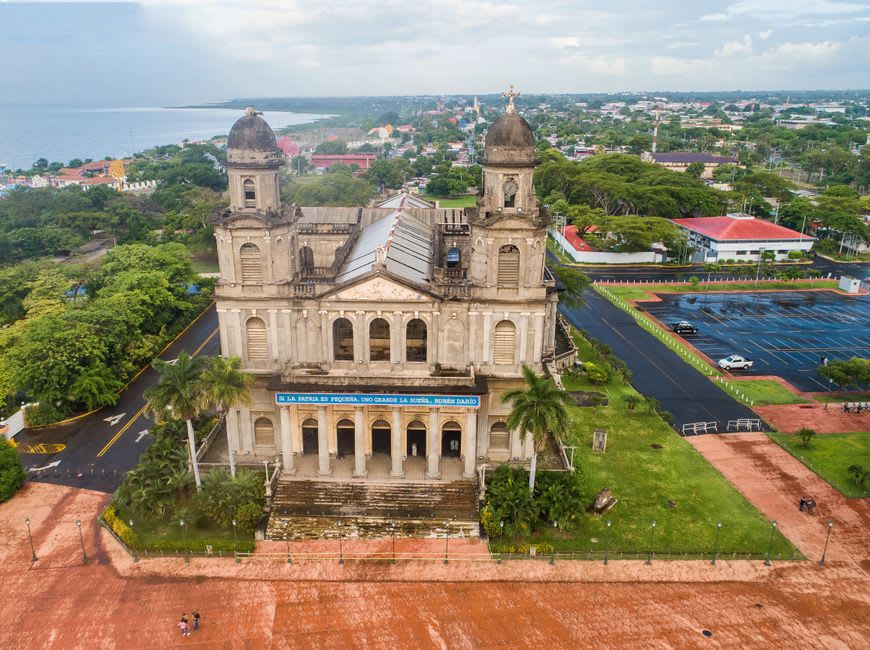
Diriamba’s patron saint festival runs across several days in January, centered on the Basílica Menor de San Sebastián, a church that anchors the town’s colonial core with a facade worth studying even outside festival season. Beyond the theater, the festival includes processions, fireworks, and food stalls selling everything from nacatamales to fresh horchata, and the entire town operates on festival logic for those days — shops close, extended families arrive from Managua and beyond, and the atmosphere shifts from sleepy provincial town to full civic celebration almost overnight.
Outside of festival dates, Diriamba settles back into its role as an agricultural trading town on the way to the Carazo coast, pleasant but unremarkable to a passerby. That contrast is exactly the point — this is a town that keeps its most vivid identity in reserve, brought out with full force once a year, and worth timing a trip around if you can manage it.
When to go: Late January, specifically around January 17–27 for the San Sebastián festival and El Güegüense performances — outside those dates, Diriamba is a calm stopover rather than a destination in itself.
Keep exploring
More from Nicaragua
 nicaragua
 El Castillo
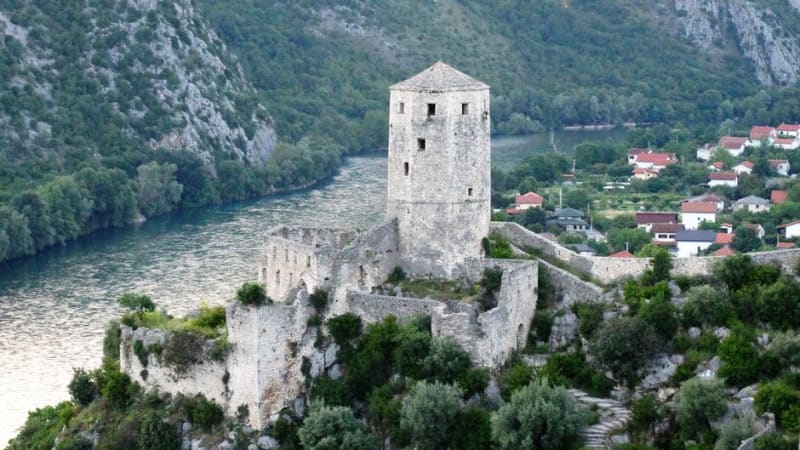
A tiny riverside town built around a 17th-century Spanish fortress that once repelled Henry Morgan, with rapids roaring past its front step.
Explore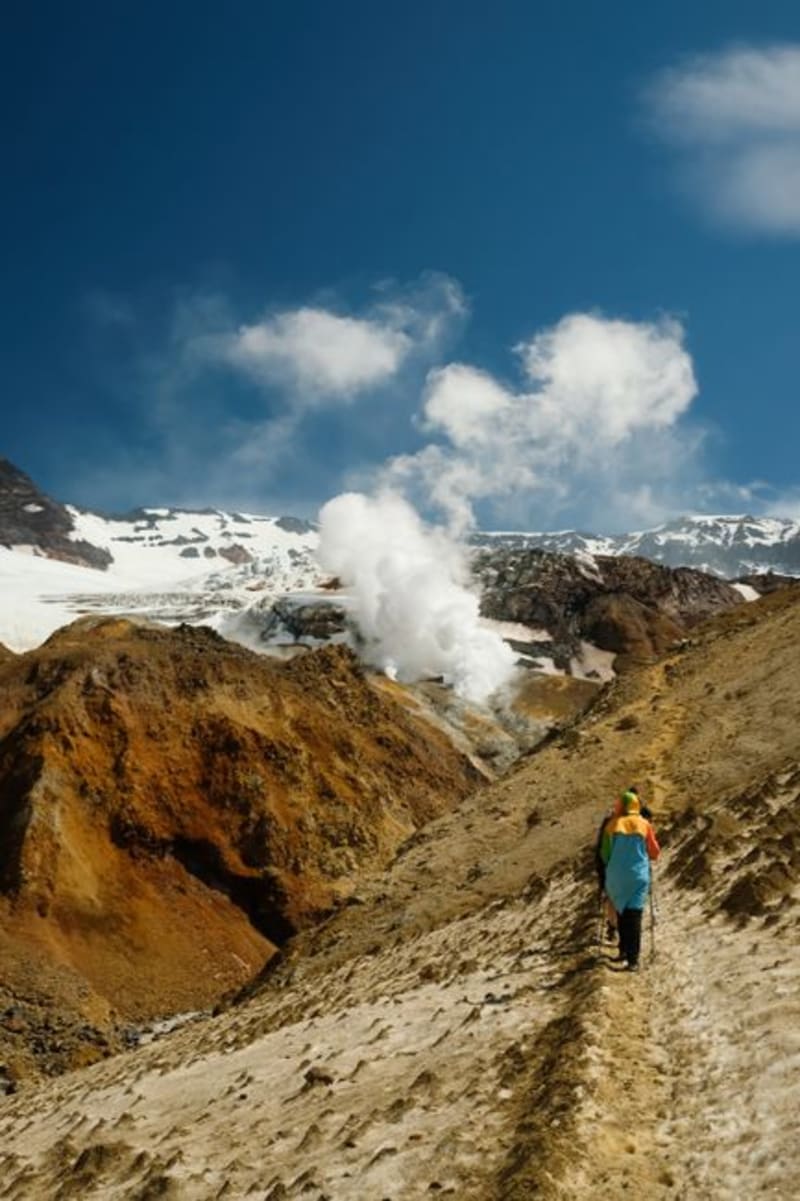 nicaragua
 El Hoyo Volcano
The tallest of the Maribios volcanoes near León, a steep and often-overlooked hike to a crater rim that most travelers skip in favor of its famous black-sand neighbor.
Explore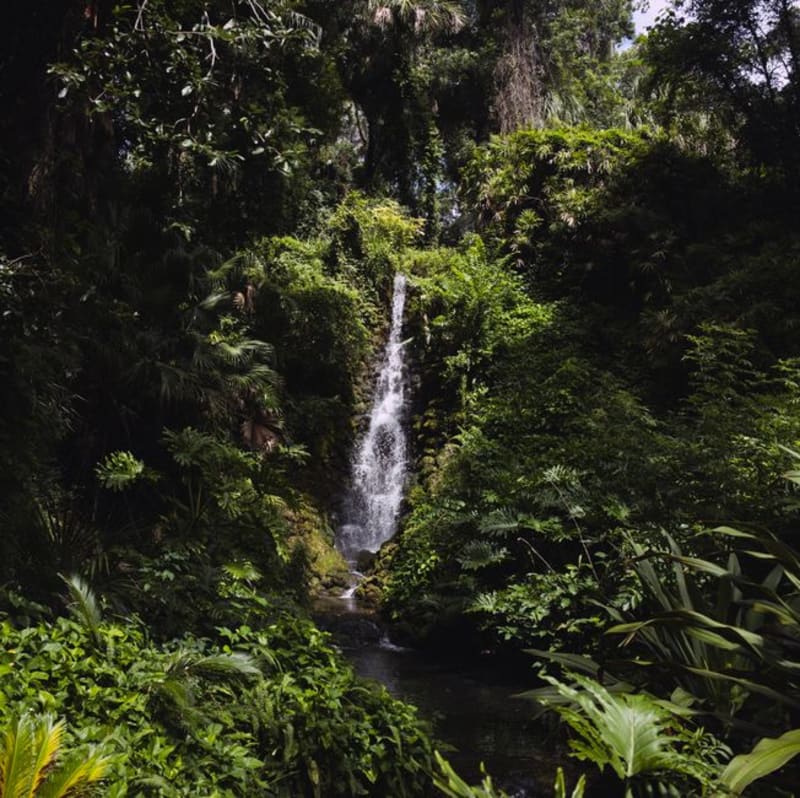 nicaragua
 El Tuma–La Dalia
A rugged coffee municipality near Matagalpa where waterfalls drop through cloud forest and smallholder cooperatives grow some of the country's best beans.
Explore nicaragua
 Estelí
A highland city that smells of cured tobacco and fresh paint, where Sandinista murals cover entire blocks and the best cigars in the world are still rolled by hand.
Explore nicaragua
 Granada
One of the oldest colonial cities in the Americas — pastel facades, volcanic views, and an archipelago in the lake.
Explore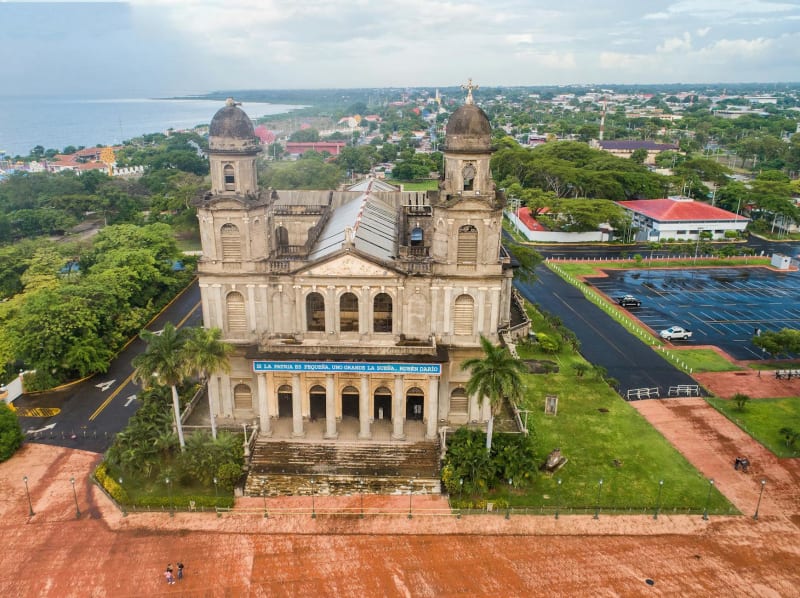 nicaragua
 Granada Nicaragua
Central America's oldest colonial city sits languid on Lake Nicaragua, its cathedral a landmark of faded grandeur.
Explore