Cosigüina Volcano
"The volcano so violent it changed the sky over three countries and nobody outside Nicaragua remembers it."
The volcano at Nicaragua's furthest northwestern tip, home to one of history's largest recorded eruptions and a crater lake that looks out over three countries.
Getting to Cosigüina feels like reaching the actual edge of Nicaragua, because in a real sense you are. It sits at the country’s furthest northwestern point, a blunt peninsula jutting into the Gulf of Fonseca, and the drive out from Chinandega gets progressively emptier — fewer trucks, fewer towns, more dry scrub and salt flats — until you arrive at a national park entrance that most of the country’s own guidebooks barely mention. I went expecting a modest regional volcano. What I found was one of the most historically violent places in the hemisphere, sitting there quietly like it hadn’t done anything.
An eruption that darkened the sky over three countries
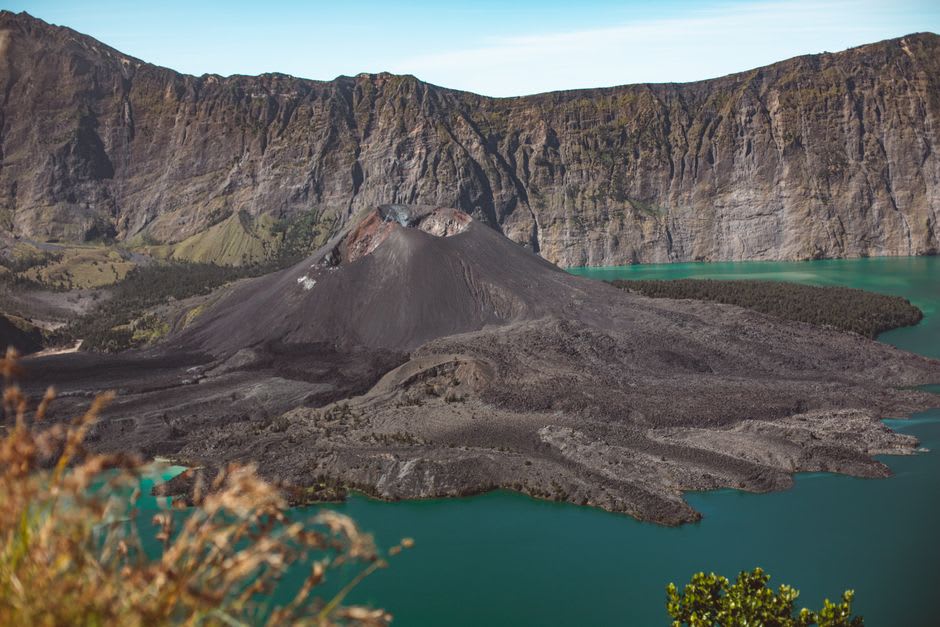
In January 1835, Cosigüina erupted with a force that ranks among the largest volcanic events recorded in written history — ash reportedly fell as far as Mexico and Jamaica, the explosion was heard hundreds of kilometers away, and the eruption was violent enough to blow off the top of the mountain and leave behind the crater that defines the summit today. Standing at the rim now, that scale of violence is almost impossible to square with how still everything feels. The volcano lost so much of its original height in that single eruption that what remains is a wide, blunted cone holding a crater lake instead of the sharp peak you’d expect from the name.
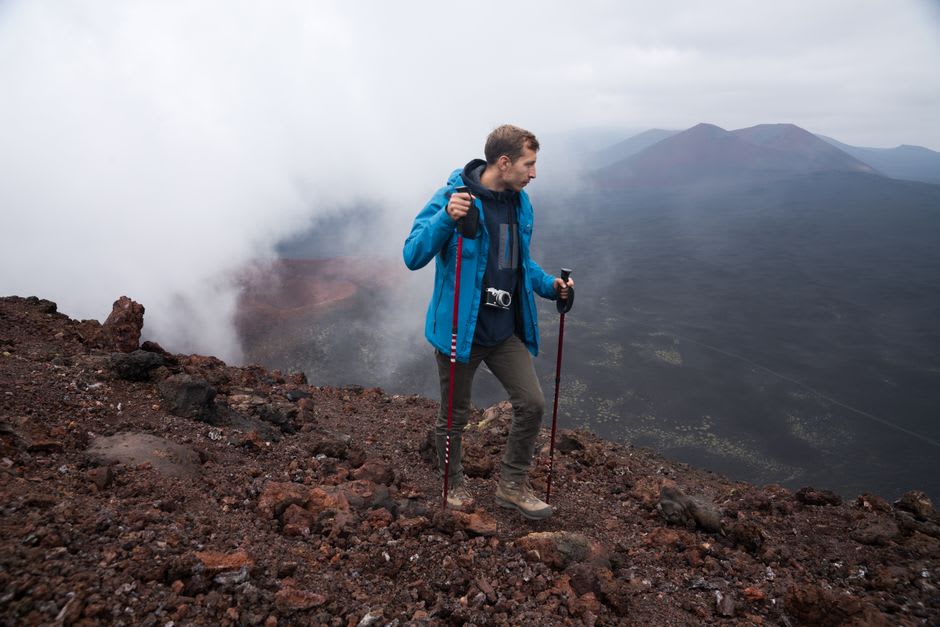
The hike up cuts through dry tropical forest that was noticeably alive with birds and howler monkeys, a contrast to the barren volcanic rock waiting at the top. When the trail finally breaks out onto the crater rim, the lake sits far below, a startling turquoise-green pool inside dark crater walls, and beyond it the land drops away entirely to the Gulf of Fonseca. My guide pointed out the coastlines of El Salvador and Honduras, both visible from the same spot on a clear day — three countries meeting in one sightline, all of them once dusted in the same volcanic ash on the same January morning two centuries ago.
The remoteness is the point
Cosigüina National Park gets a fraction of the visitors that the Maribios volcanoes near León attract, largely because it’s simply harder to reach — a longer drive, rougher roads, fewer tour operators offering it as a packaged day trip. I arranged mine through a small outfit in Chinandega and ended up being the only person on the trail that day besides my guide. That isolation felt appropriate, honestly, for a place whose most significant moment in history was an explosion loud enough to be heard almost a thousand kilometers away, and which nobody outside Central America seems to remember at all.
When to go: Dry season, November to April, for a passable access road and clearer long-distance views toward El Salvador and Honduras. Arrange a guide in Chinandega in advance — the park sees few visitors and infrastructure at the entrance is minimal.
Keep exploring
More from Nicaragua
 nicaragua
 Dipilto
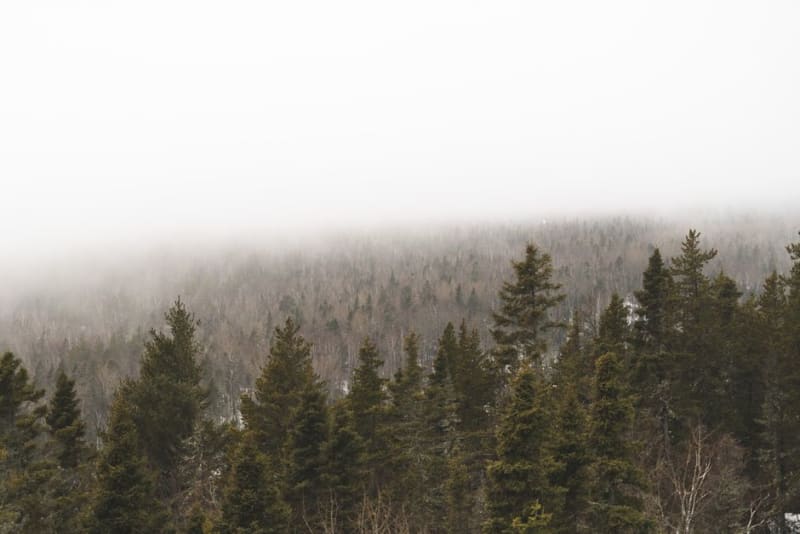
A pine-forested mountain village on the Pan-American Highway where old gold mines and cloud-forest coffee farms share the same cool, misty slopes.
Explore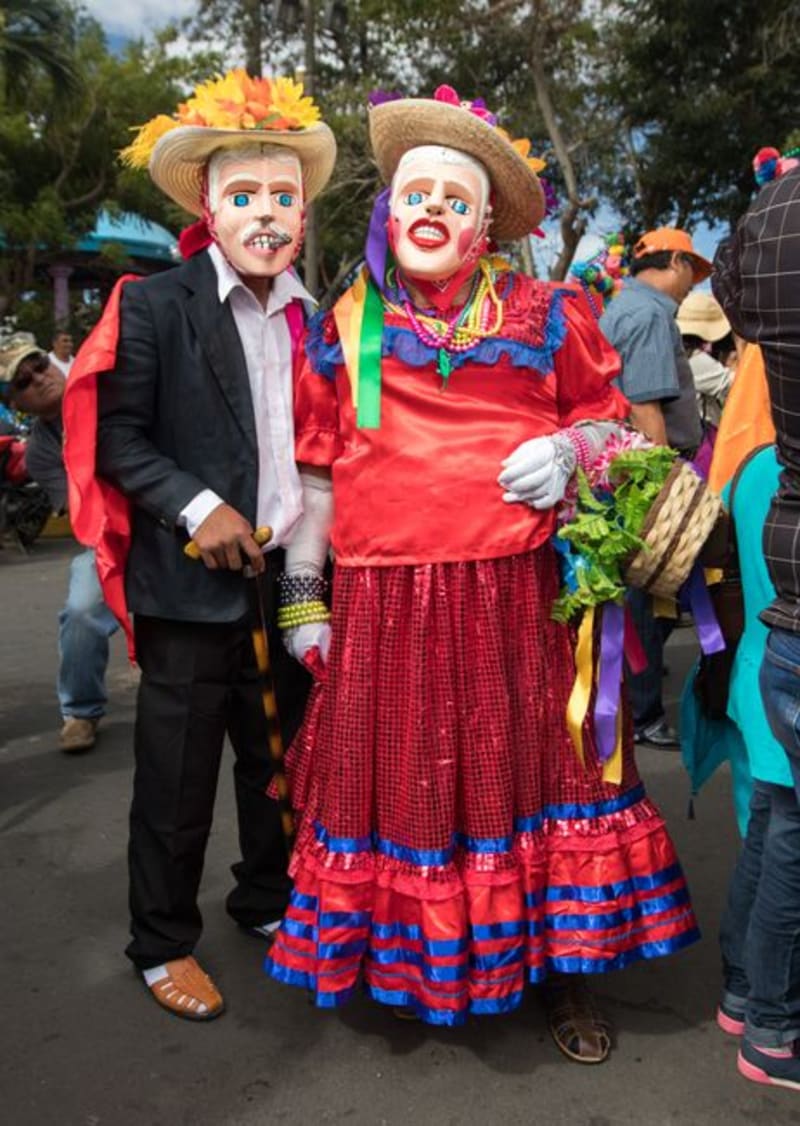 nicaragua
 Diriamba
A colonial town that erupts every January into satirical masked theater and dance during its patron saint festival, El Güegüense.
Explore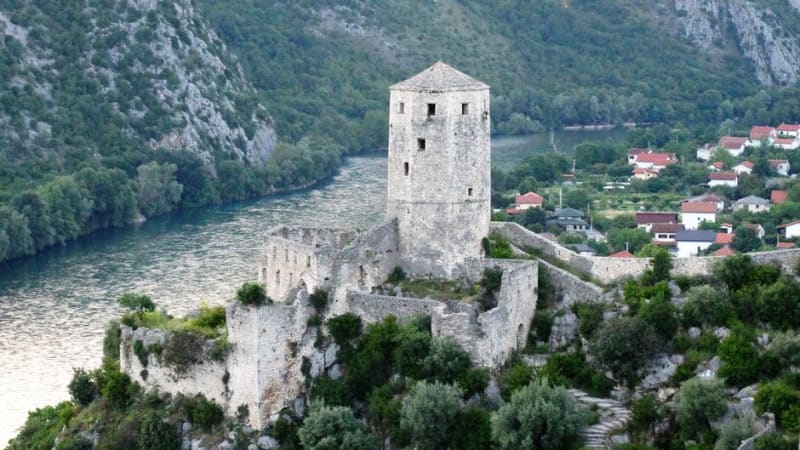 nicaragua
 El Castillo
A tiny riverside town built around a 17th-century Spanish fortress that once repelled Henry Morgan, with rapids roaring past its front step.
Explore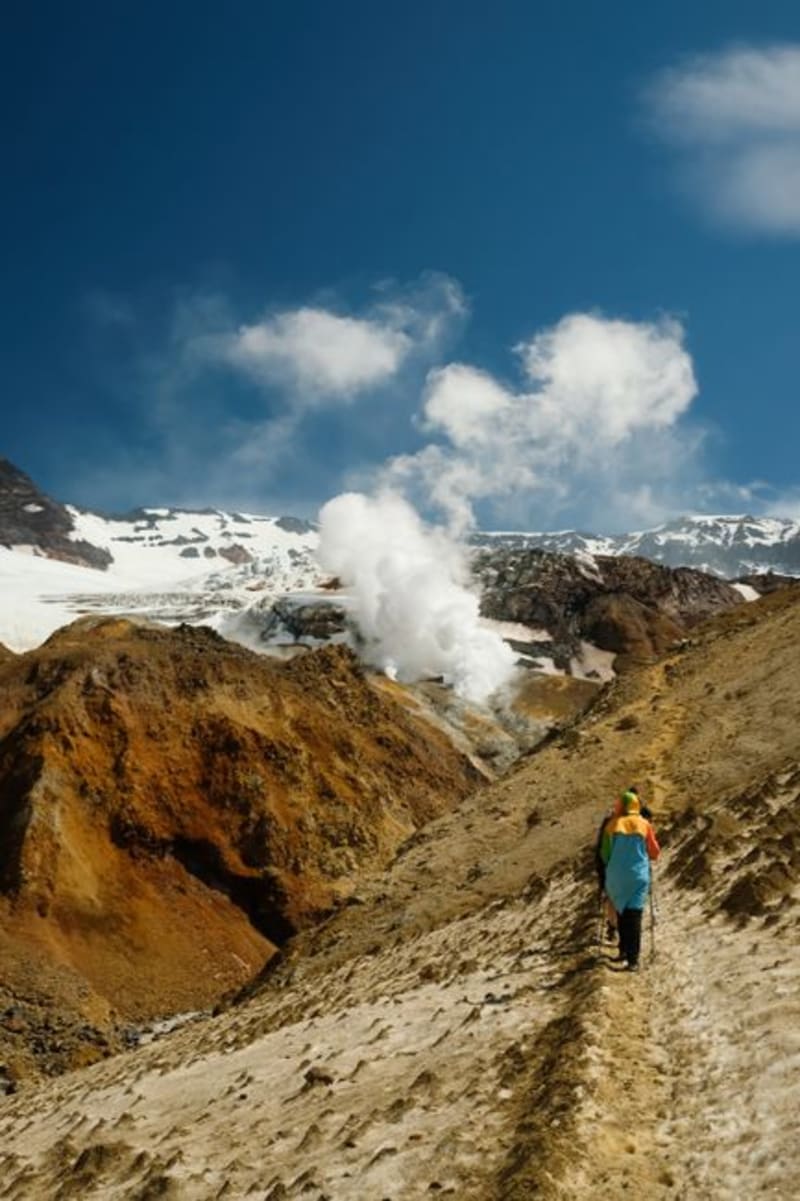 nicaragua
 El Hoyo Volcano
The tallest of the Maribios volcanoes near León, a steep and often-overlooked hike to a crater rim that most travelers skip in favor of its famous black-sand neighbor.
Explore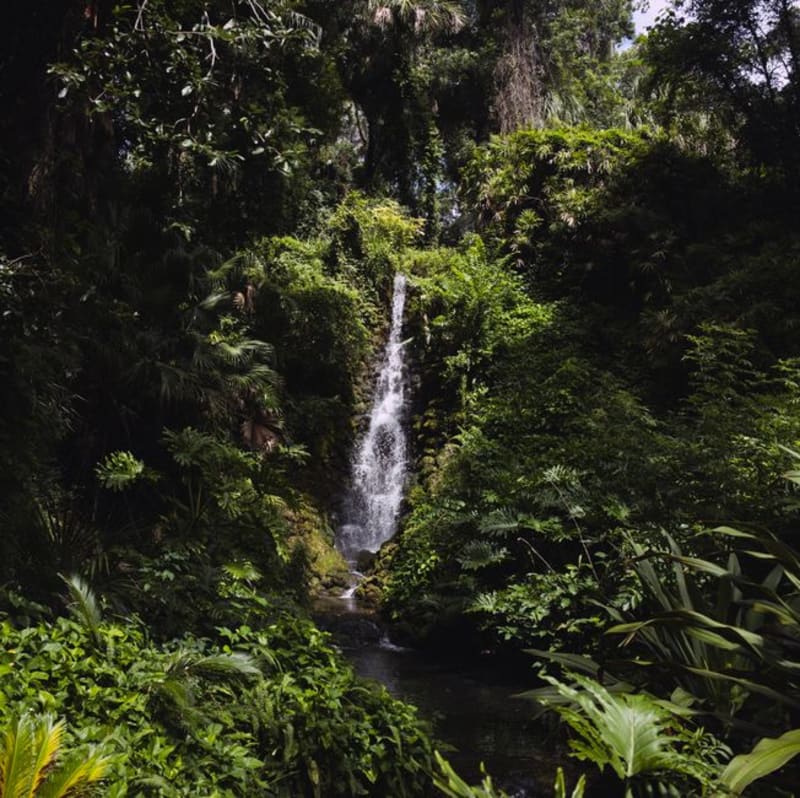 nicaragua
 El Tuma–La Dalia
A rugged coffee municipality near Matagalpa where waterfalls drop through cloud forest and smallholder cooperatives grow some of the country's best beans.
Explore nicaragua
 Estelí
A highland city that smells of cured tobacco and fresh paint, where Sandinista murals cover entire blocks and the best cigars in the world are still rolled by hand.
Explore