Corinto
"Corinto is the one Nicaraguan town where the ocean means cargo before it means beach."
Nicaragua's only deep-water Pacific port, a narrow island town stitched to the mainland by a causeway, where container ships and wooden fishing boats share the same horizon.
You reach Corinto by crossing a causeway, which is the first sign that this isn’t a normal coastal town — the whole place sits on a narrow island barely off the mainland, connected by a strip of road with mangrove channels on either side. I came from Chinandega on a hot, crowded minibus, and the shift was immediate: salt in the air, gulls wheeling over rooftops, and at the end of the main street, impossibly large against the low skyline, the gantry cranes of Nicaragua’s principal deep-water port. I hadn’t expected a working port town to feel this atmospheric, but Corinto has a specific, briny charisma that colonial Granada simply doesn’t have.
A Harbor of Two Economies
Nearly all of Nicaragua’s containerized trade — coffee, sugar, manufactured imports — moves through Corinto, and you feel that scale the moment you walk toward the docks: enormous cargo vessels queued offshore, waiting their turn at berths that dwarf the wooden pangas tied up just a few hundred meters away. It’s an odd, honest juxtaposition. I stood at the edge of the port road one evening and watched a container ship being loaded under floodlights while, not fifty meters away, a fisherman untangled a net from his morning catch by the light of his phone. Two completely different scales of maritime life, sharing the same water, barely acknowledging each other.

Life on the Narrow Island
The town itself is compact, built along a grid of streets barely wider than the houses lining them, with wooden Caribbean-style buildings that feel more like something out of the Corn Islands than the Pacific coast. In the late afternoon, families set up plastic chairs directly on the seawall to catch the breeze, kids fishing for tiny sardines off the rocks with hand lines, vendors selling cups of vigorón and cold Toña beer from coolers on wheels. I ate fried fish at a comedor two streets back from the port with a view straight down the channel toward the loading docks — it might be the only meal I’ve had in Nicaragua with a container ship as the backdrop. Corinto doesn’t get many foreign visitors, and the ones who show up are usually just passing through en route to Chinandega or the beaches further south, which gives the town an unselfconscious, lived-in feel that’s rare on this coast.

When to go: The dry season (November–April) keeps the causeway and low-lying streets clear of flooding and gives the best light for watching the port at dusk. Avoid September–October, when heavy rains can make the low island roads genuinely difficult.
Keep exploring
More from Nicaragua
 nicaragua
 Corn Islands
Creole culture, Caribbean reefs, and two tiny islands that feel like the Caribbean did thirty years ago.
Explore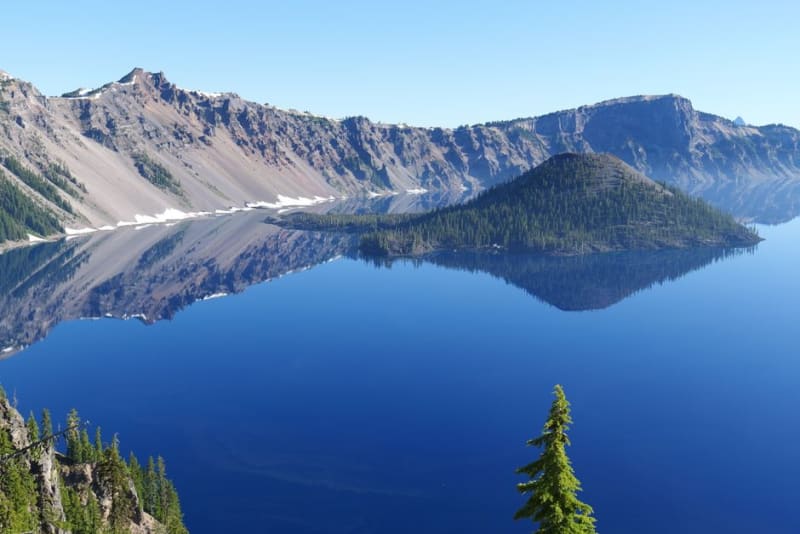 nicaragua
 Cosigüina Volcano
The volcano at Nicaragua's furthest northwestern tip, home to one of history's largest recorded eruptions and a crater lake that looks out over three countries.
Explore nicaragua
 Dipilto
A pine-forested mountain village on the Pan-American Highway where old gold mines and cloud-forest coffee farms share the same cool, misty slopes.
Explore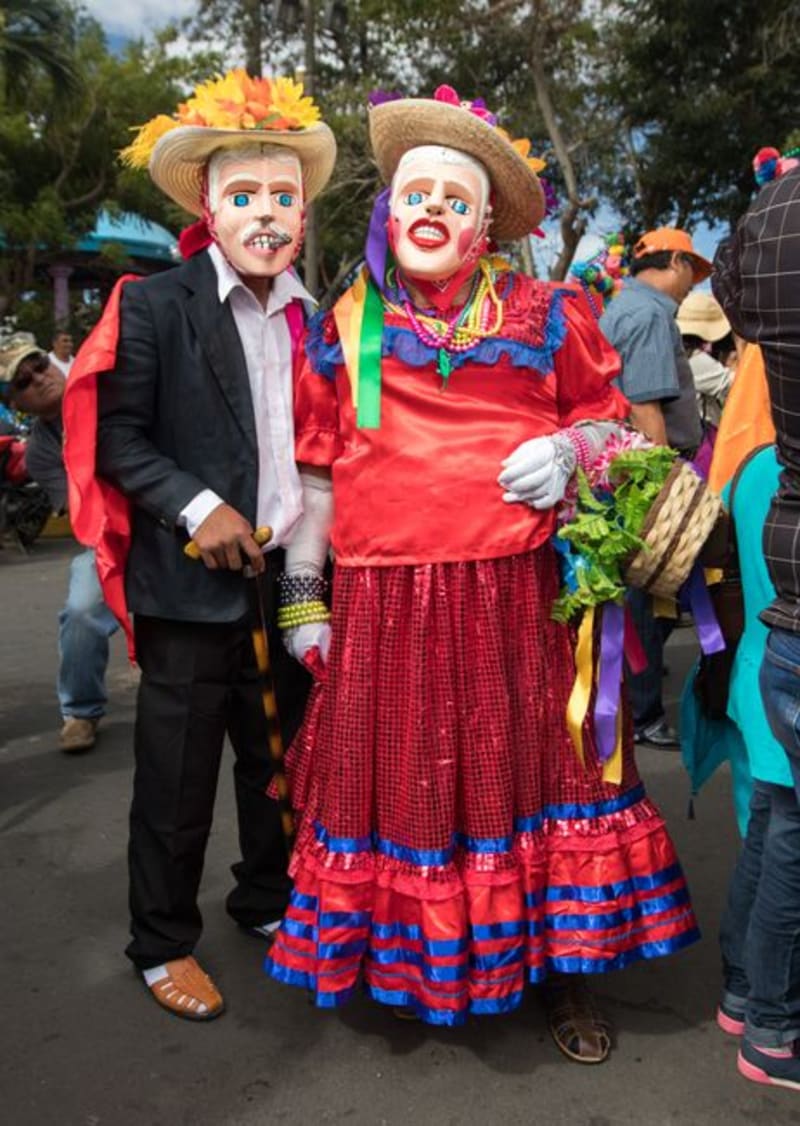 nicaragua
 Diriamba
A colonial town that erupts every January into satirical masked theater and dance during its patron saint festival, El Güegüense.
Explore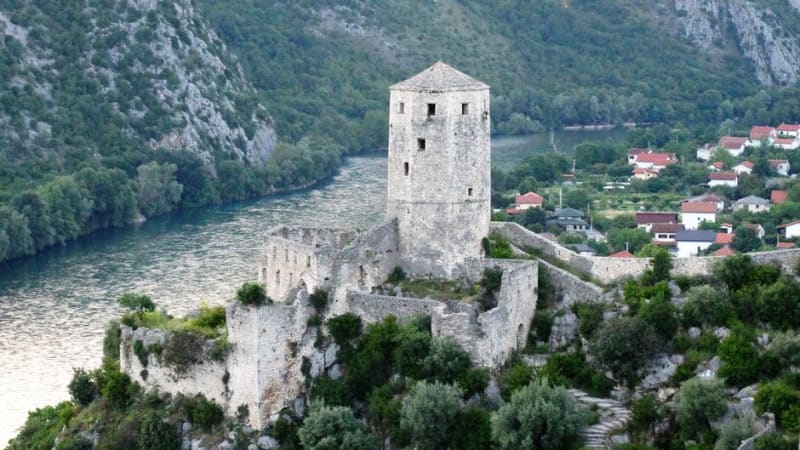 nicaragua
 El Castillo
A tiny riverside town built around a 17th-century Spanish fortress that once repelled Henry Morgan, with rapids roaring past its front step.
Explore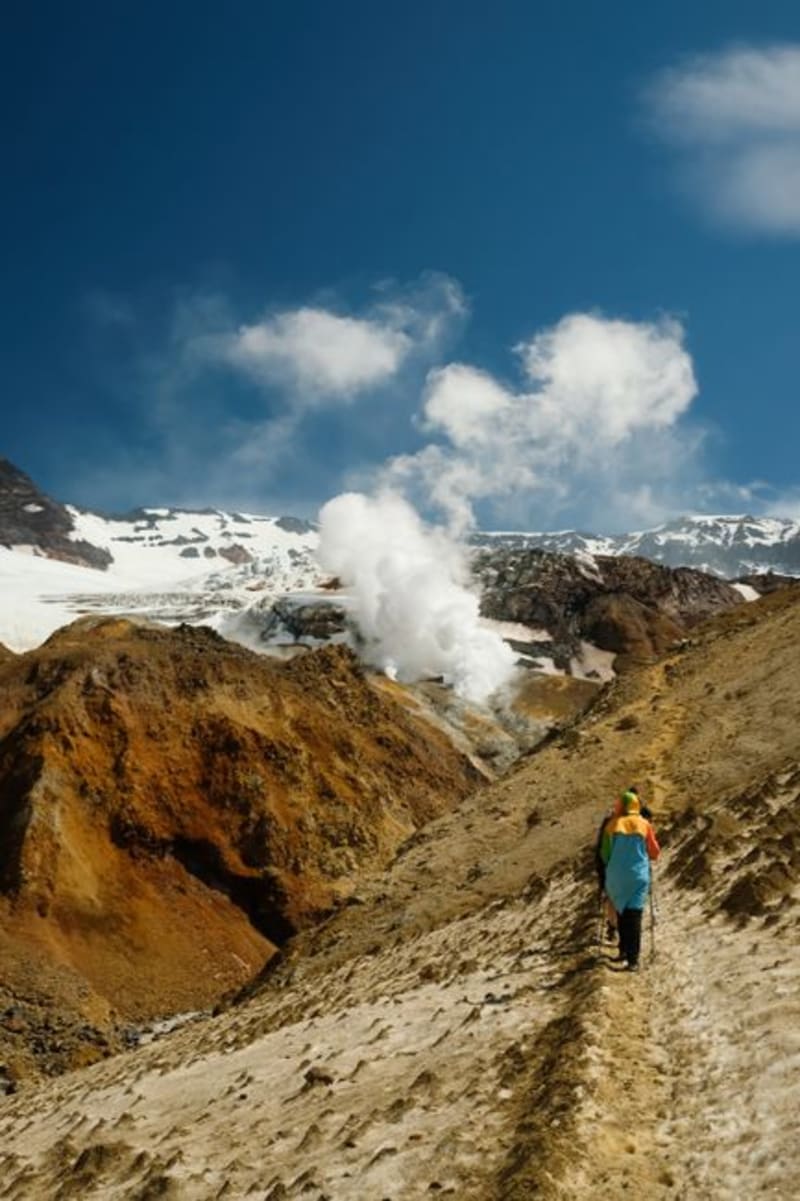 nicaragua
 El Hoyo Volcano
The tallest of the Maribios volcanoes near León, a steep and often-overlooked hike to a crater rim that most travelers skip in favor of its famous black-sand neighbor.
Explore