Chontales
"Chontales is the Nicaragua nobody photographs for Instagram, and it's exactly why I couldn't stop looking out the window."
Rolling cattle-ranching savanna east of Lake Nicaragua, where cowboy folk music and open pastureland define a department most travelers only ever drive through.
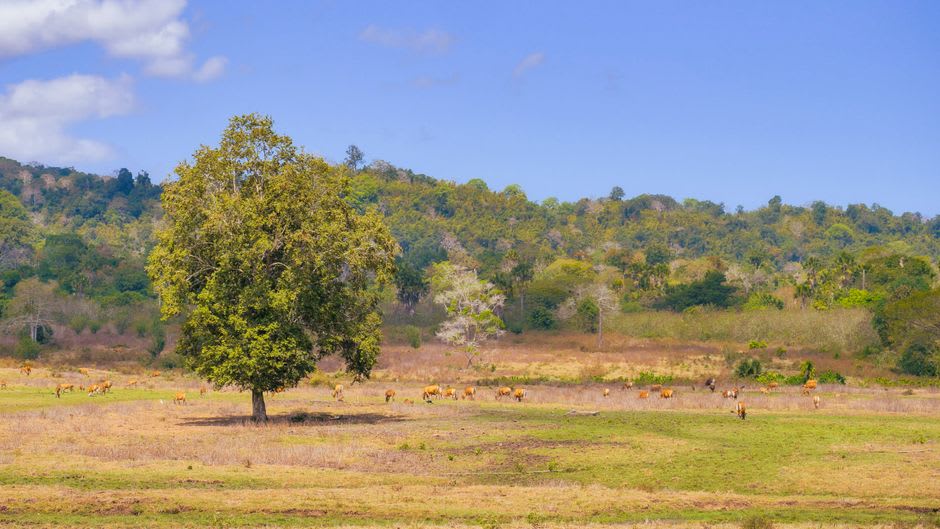
Most travelers cross Chontales without ever really seeing it — it’s the department you pass through on the highway between Managua and the Río San Juan, a blur of green hills and grazing cattle glimpsed from a bus window. I made the mistake, or the good decision depending on how you look at it, of actually getting off partway through and spending a few days wandering the back roads by hitched rides and the occasional cattle truck. What I found was rolling savanna that felt more like something out of the interior of Colombia or Venezuela’s llanos than the volcanic, jungly Nicaragua most people picture.
A department that runs on cattle
Chontales produces more beef and dairy than any other department in Nicaragua, and that fact shapes everything about how it looks and moves. Fences run for kilometers along dirt roads, Brahman cattle graze on hillsides gone gold in the dry season, and every town of any size has a livestock market that operates like clockwork on its appointed day of the week. I caught a ride with a cattle transporter named Don Pastor, whose truck bed held six restless bulls and whose glovebox held a battered cassette of corridos that he insisted on playing the entire two-hour drive, singing along under his breath at the parts about a rancher losing his best horse.
Music that never left the ranch
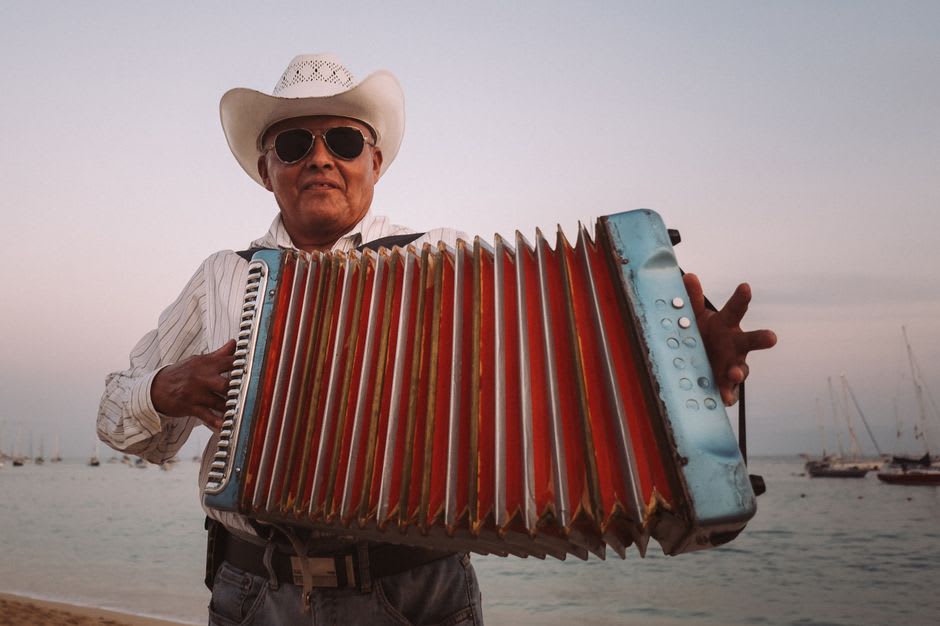
What surprised me most was how alive the folk music tradition still is out here — not staged for anyone, just playing from radios in pulperías and pickup trucks, a style locals call música ranchera or corridos chontaleños, heavy on accordion and stories about cattle, horses, and heartbreak in roughly equal measure. In a roadside comedor outside Santo Tomás, I ended up sharing a table with three off-duty vaqueros who, after a couple of beers, started singing an old corrido about a legendary bull that had supposedly gored three men and lived to be twenty years old. Whether it was true didn’t seem to matter to anyone at the table, including me.
Chontales doesn’t have a single unmissable sight, and that’s rather the point. It’s a department built entirely around a working rural economy that has quietly persisted while the rest of the country’s tourism industry developed around it, and driving its back roads slowly is worth more than any single stop on a map.
When to go: December to April, the dry season, when the savanna roads are passable and cattle markets run at full activity; the wet season turns much of the back-road network to mud.
Keep exploring
More from Nicaragua
 nicaragua
 Corinto
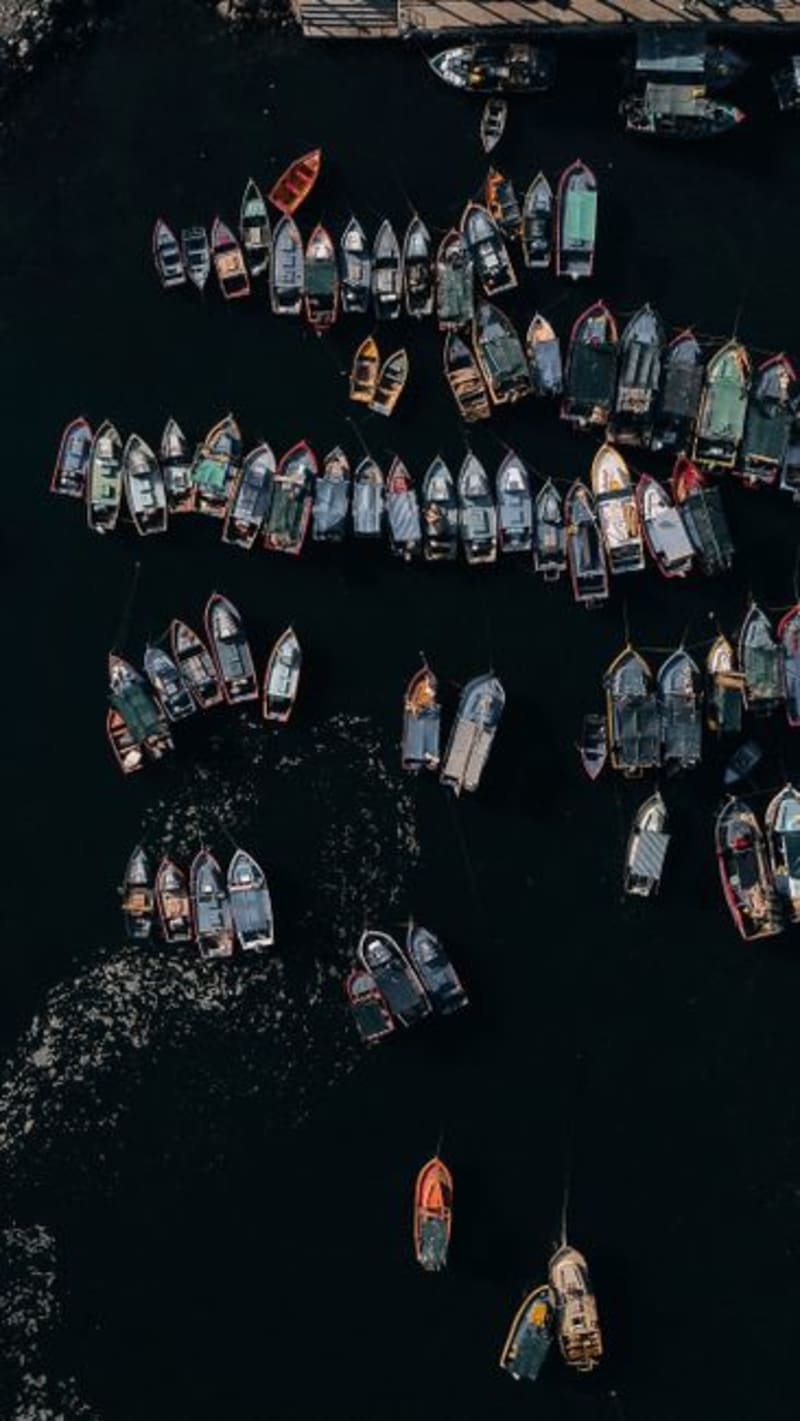
Nicaragua's only deep-water Pacific port, a narrow island town stitched to the mainland by a causeway, where container ships and wooden fishing boats share the same horizon.
Explore nicaragua
 Corn Islands
Creole culture, Caribbean reefs, and two tiny islands that feel like the Caribbean did thirty years ago.
Explore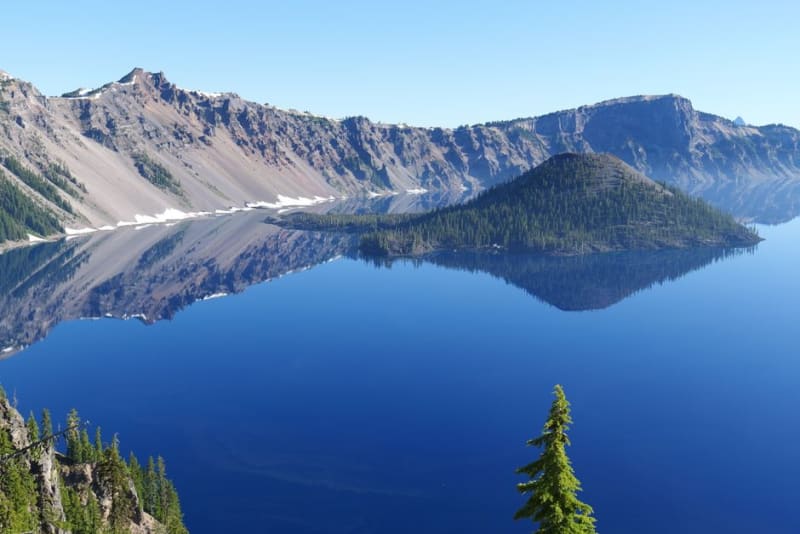 nicaragua
 Cosigüina Volcano
The volcano at Nicaragua's furthest northwestern tip, home to one of history's largest recorded eruptions and a crater lake that looks out over three countries.
Explore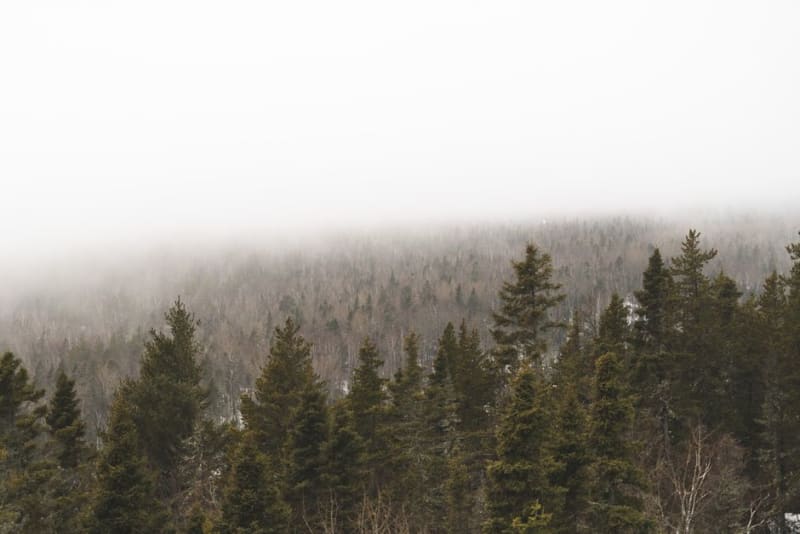 nicaragua
 Dipilto
A pine-forested mountain village on the Pan-American Highway where old gold mines and cloud-forest coffee farms share the same cool, misty slopes.
Explore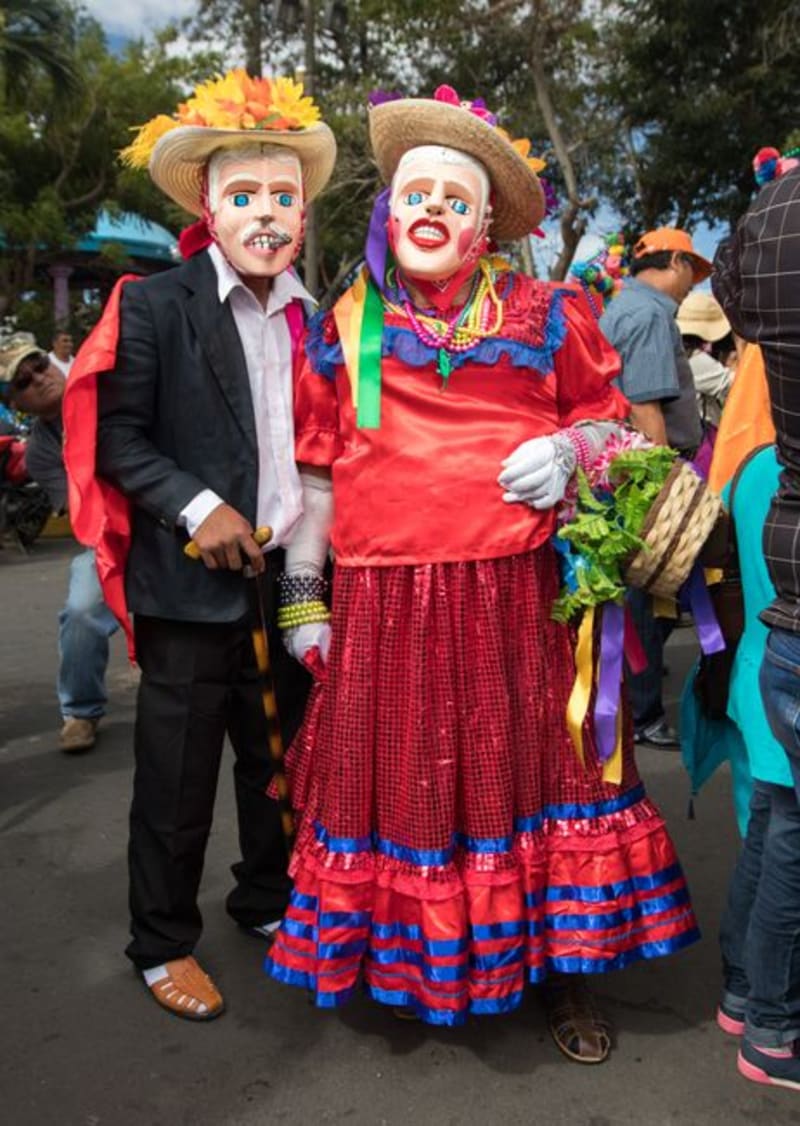 nicaragua
 Diriamba
A colonial town that erupts every January into satirical masked theater and dance during its patron saint festival, El Güegüense.
Explore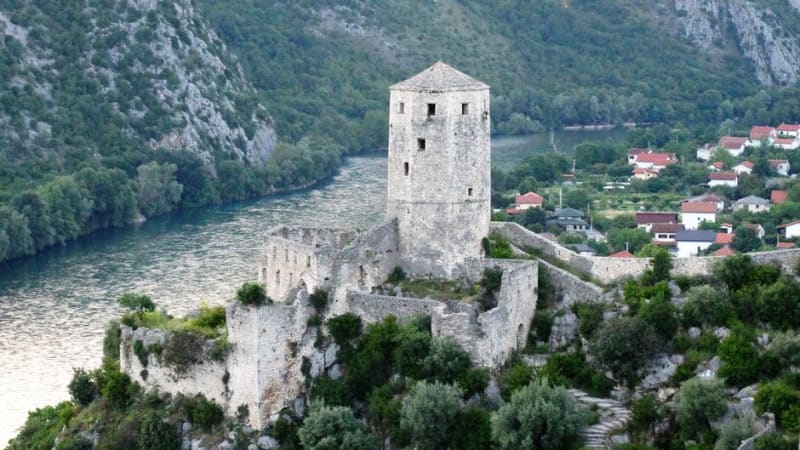 nicaragua
 El Castillo
A tiny riverside town built around a 17th-century Spanish fortress that once repelled Henry Morgan, with rapids roaring past its front step.
Explore