Chichigalpa
"Nobody puts Chichigalpa on a postcard, but half the rum in your favorite bar started right here."
A hot, unglamorous sugarcane town near Chinandega that happens to produce one of the finest rums in the Americas, aged in a warehouse older than most Nicaraguan cities' road networks.
Chichigalpa does not try to charm you. It’s a flat, sun-flattened agricultural town in the lowlands near Chinandega, its outskirts ringed by sugarcane that goes on long enough to make you forget there’s anything else out there. I arrived by chicken bus with sweat already soaking through my shirt before we’d even stopped moving, the heat here noticeably heavier and stickier than Granada’s, thick with the smell of cut cane and diesel. I hadn’t come for the town itself, if I’m honest. I’d come for what’s distilled underneath it.
The Distillery That Built the Town
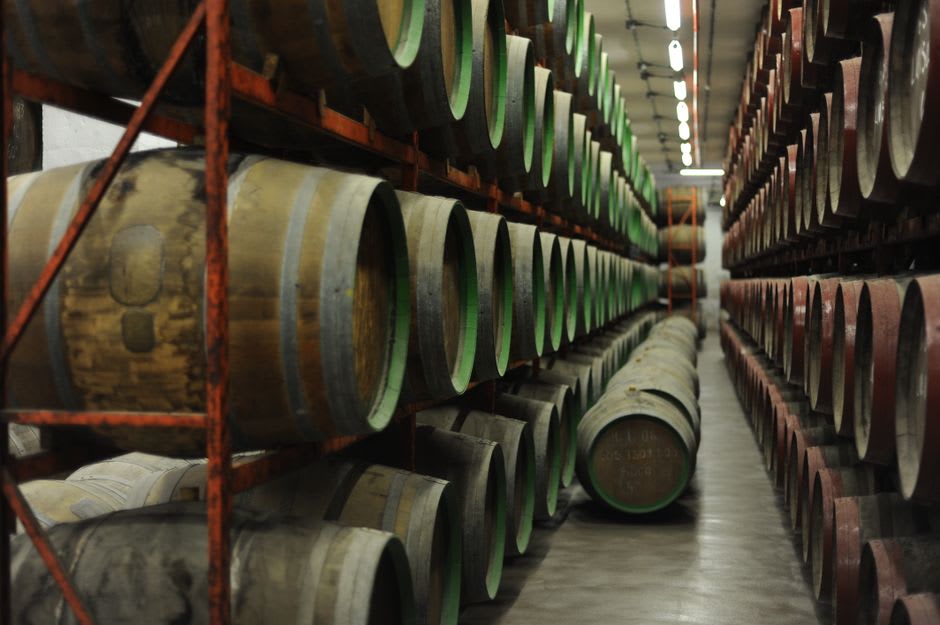
Flor de Caña has been made in Chichigalpa since 1890, and the town more or less exists because of it — a huge share of local families have worked the distillery or the surrounding cane fields for generations, and it shows in the way people talk about it, less like a company and more like a shared inheritance. I did the tour almost by accident, having been told by a guesthouse owner in León that it was “worth the detour,” which turned out to be an understatement. The scale of it caught me off guard: fields of cane rolling to the horizon, feeding a mill that never really stops, feeding warehouses where thousands of oak barrels sit stacked in the dark, aging for four, seven, twelve, eighteen years. The air inside those warehouses is what I remember most — cool despite the heat outside, and so saturated with evaporating rum that our guide swore you could get a little dizzy just from the barrel room. I believed her.
A Town Built Around a Furnace
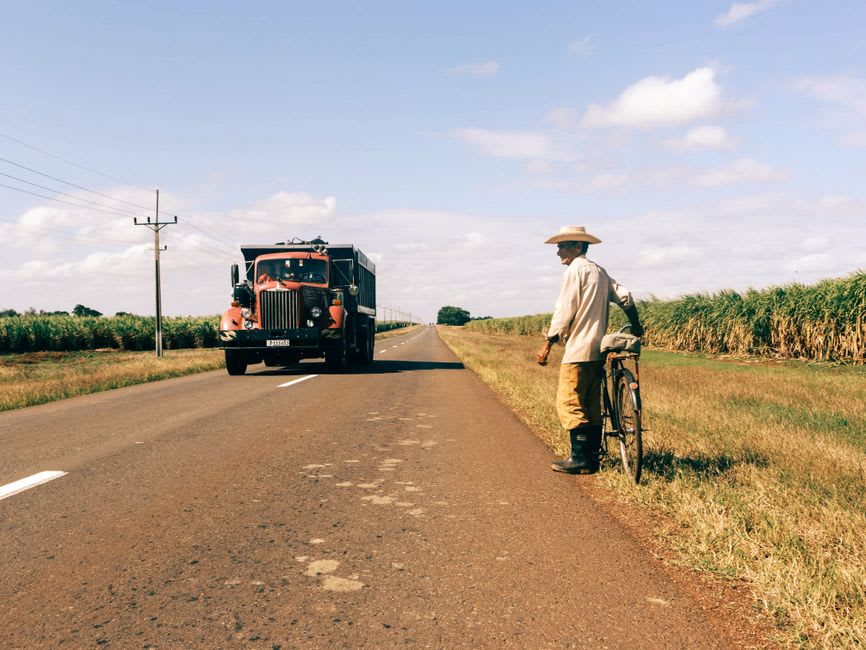
Outside the distillery gates, Chichigalpa is workaday in the most literal sense — men loading cane trucks at dawn before the heat becomes unbearable, roadside comedores serving gallo pinto to shift workers, the smell of molasses drifting over whole blocks near the mill during the height of the zafra, the cane harvest that runs roughly November through May. I sat for a while in the town’s modest central park, more concrete than shade, and watched a group of kids play baseball with a bat that had clearly been repaired more than once. Nobody stared at me the way they might in a more touristed town. Chichigalpa isn’t performing anything for visitors; it’s just running its own economy, one truckload of cane at a time.
When to go: Visit during the zafra (November–May) if you want to see the mill and fields at full activity; distillery tours run year-round but book ahead, as Chichigalpa sees a fraction of the foreign visitors that León or Granada does and schedules can be informal.
Keep exploring
More from Nicaragua
 nicaragua
 Chinandega
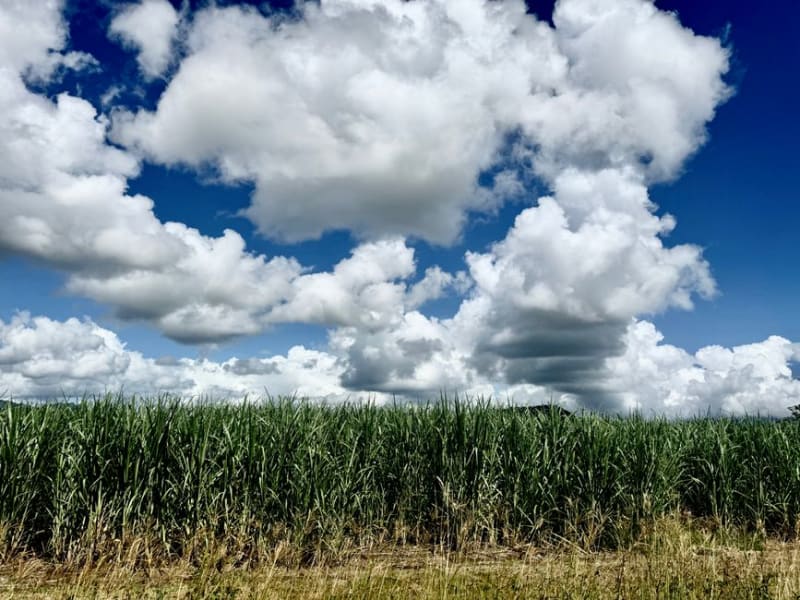
A sweltering agricultural city near the Cosigüina volcano, thick with sugarcane trucks and peanut warehouses, and the least self-conscious place I've spent a night in Nicaragua.
Explore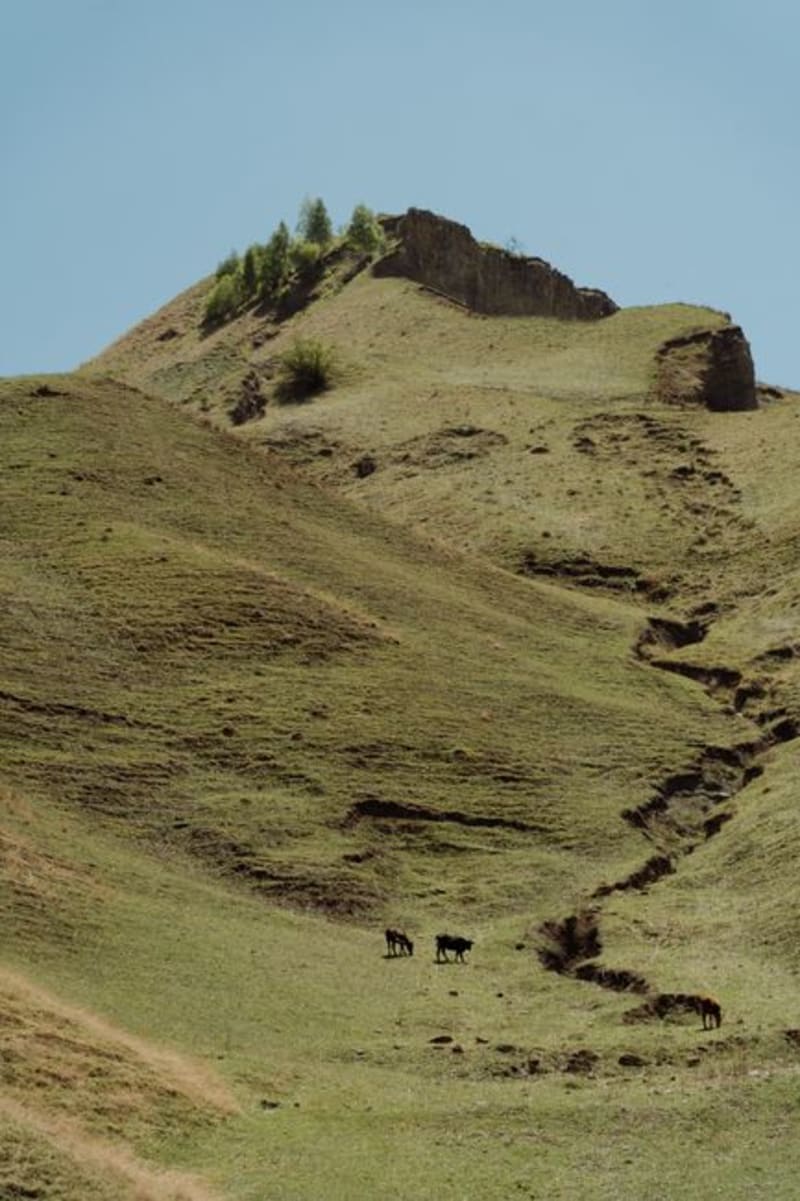 nicaragua
 Chontales
Rolling cattle-ranching savanna east of Lake Nicaragua, where cowboy folk music and open pastureland define a department most travelers only ever drive through.
Explore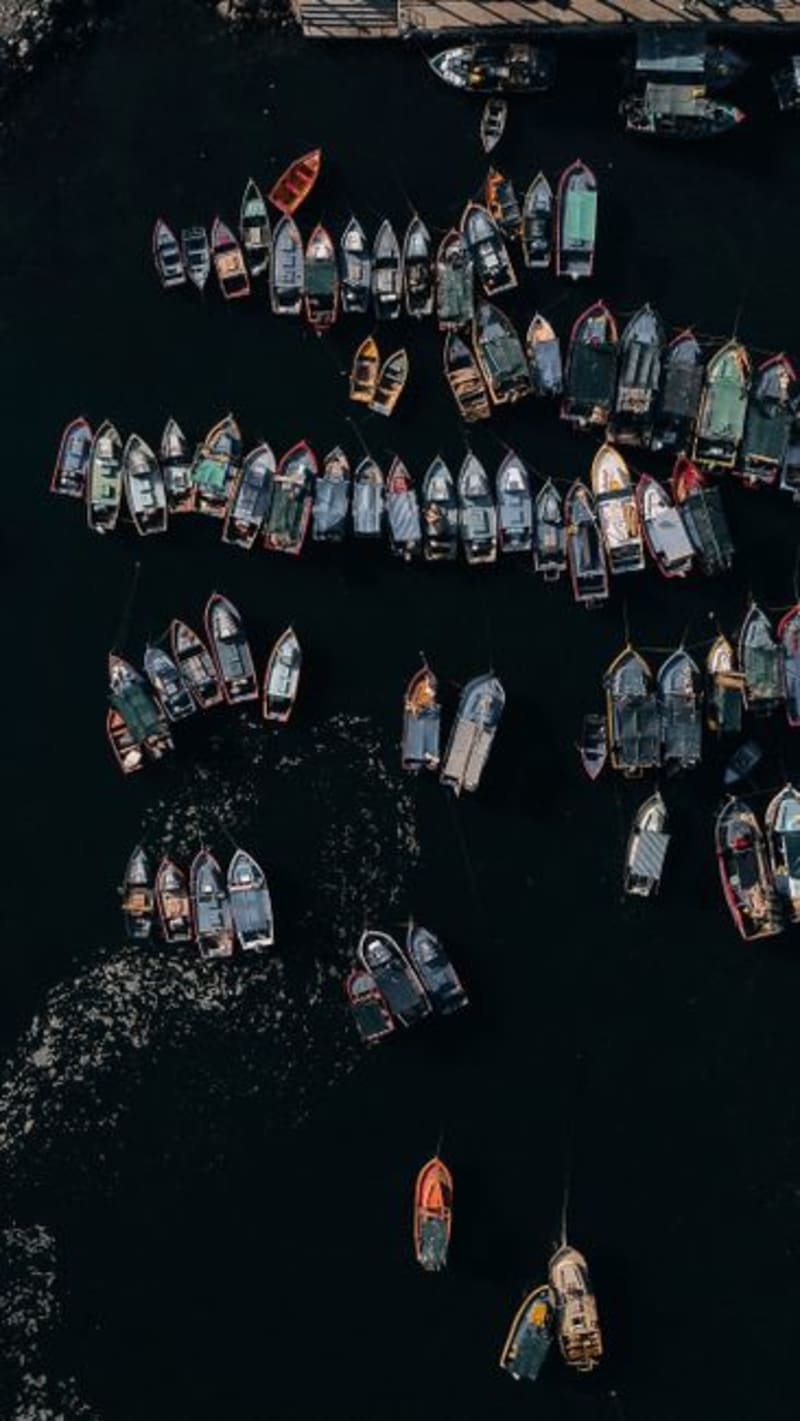 nicaragua
 Corinto
Nicaragua's only deep-water Pacific port, a narrow island town stitched to the mainland by a causeway, where container ships and wooden fishing boats share the same horizon.
Explore nicaragua
 Corn Islands
Creole culture, Caribbean reefs, and two tiny islands that feel like the Caribbean did thirty years ago.
Explore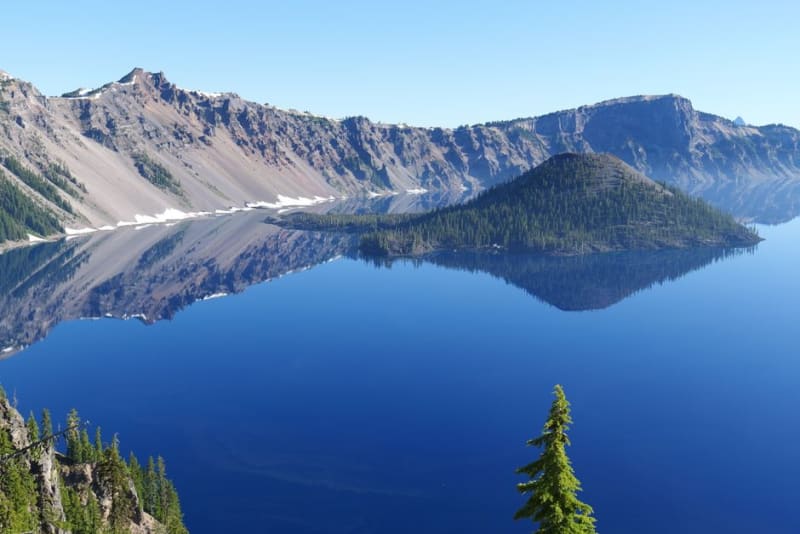 nicaragua
 Cosigüina Volcano
The volcano at Nicaragua's furthest northwestern tip, home to one of history's largest recorded eruptions and a crater lake that looks out over three countries.
Explore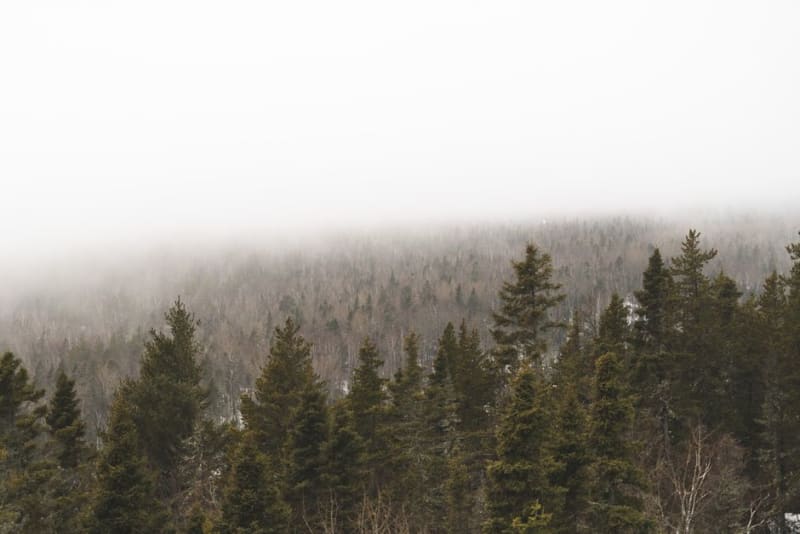 nicaragua
 Dipilto
A pine-forested mountain village on the Pan-American Highway where old gold mines and cloud-forest coffee farms share the same cool, misty slopes.
Explore