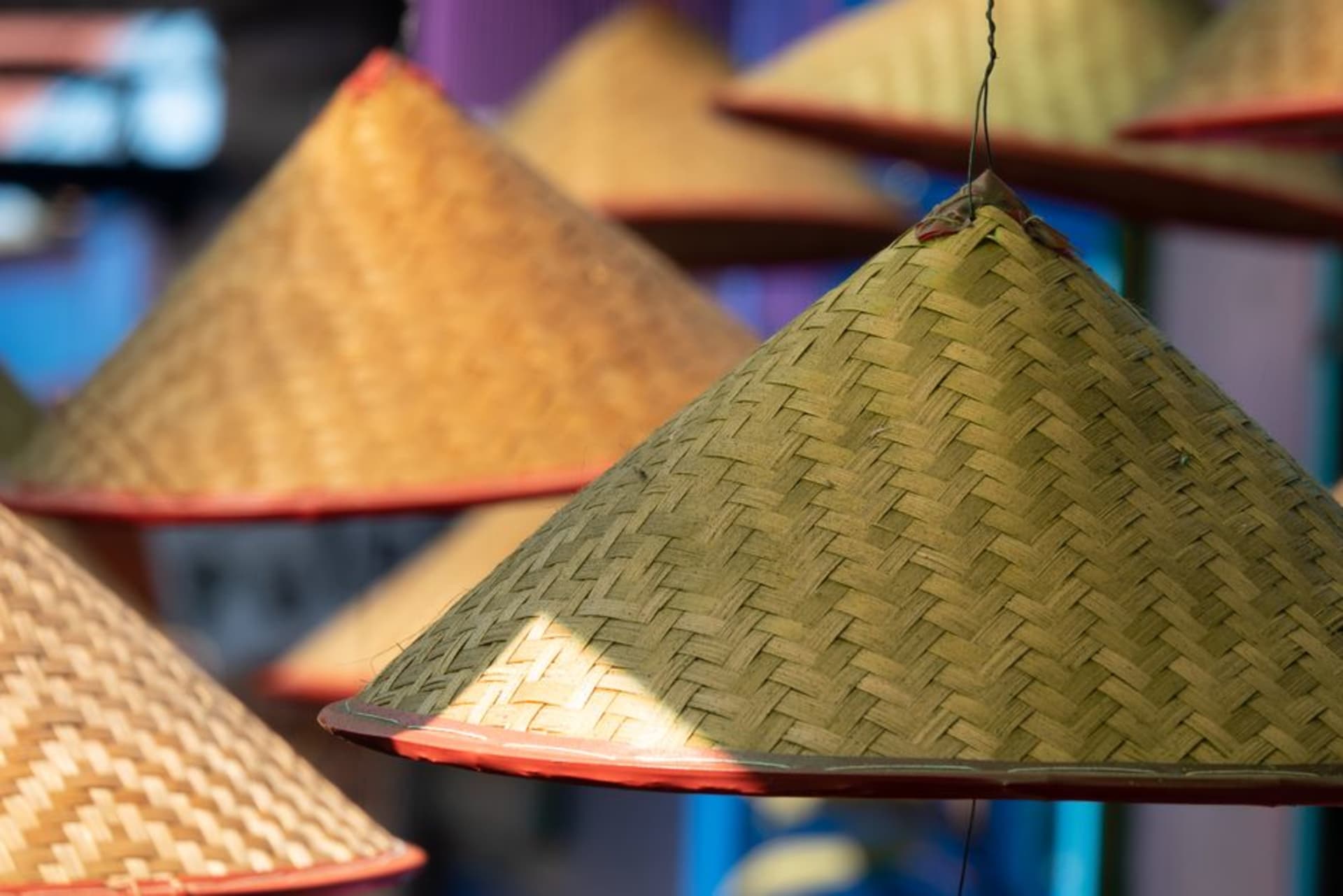
Camoapa
"Every cowboy hat I saw for the rest of my trip through Nicaragua, I now assumed came from Camoapa, and I was usually right."
A small cattle town near Boaco known across Nicaragua for its handwoven leather and palm-fiber hats, made by families who've done little else for generations.
I’d heard about Camoapa before I ever intended to visit it — a rancher in Boaco had mentioned, almost in passing, that his good hat came from “over in Camoapa, where they actually know how to make them.” That kind of offhand endorsement is usually worth following, so I took a rattling local bus the twenty-some kilometers south and found a town that, at first glance, looks like any other small cattle settlement in Chontales — until you notice that nearly every third storefront has hats stacked in the window or hanging from the awning outside.
A town stitched together by hand
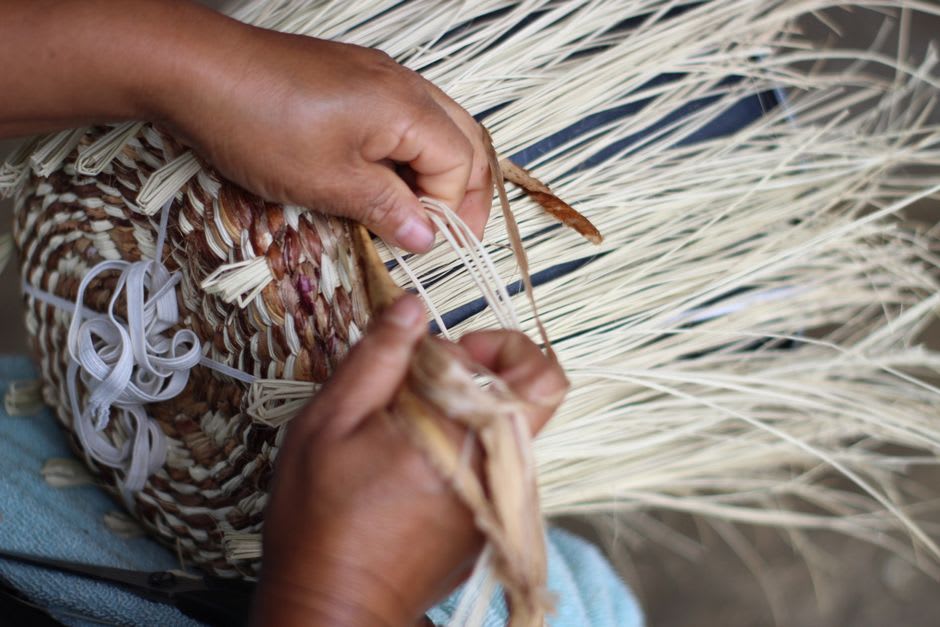
Camoapa’s identity is built almost entirely around two crafts: leatherwork and, above all, the pintado hats woven from palm fiber that ranchers across the country wear as a matter of course rather than fashion. I spent an afternoon in the workshop of a family run by Doña Marina, whose hands moved through the palm strands with a speed that made the weaving look less like craft and more like muscle memory built over forty years. She explained that the fiber, called palma real, has to be split, dried, and bleached in the sun before it’s even ready to weave, and that a single fine hat can take her the better part of a week from raw palm to finished brim.
Leather, cattle, and a town that doesn’t perform for visitors
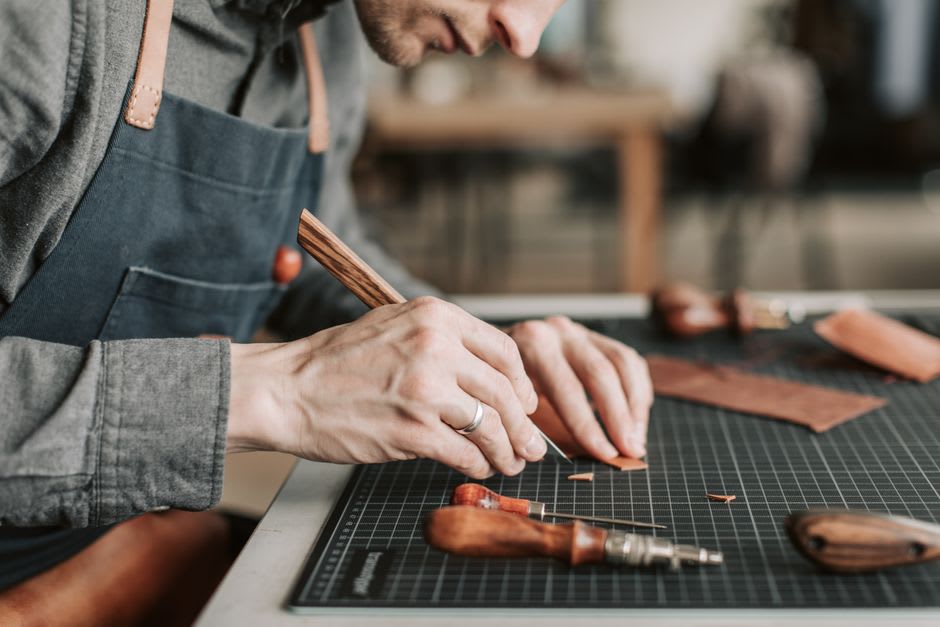
Alongside the hats, Camoapa’s other trade is leatherwork — saddles, belts, and the wide tooled straps ranchers use on their horses, sold out of small family workshops rather than anything resembling a boutique. I watched a man named Don Wilfredo cut a saddle strap by hand with a blade he’d clearly sharpened that morning, working from a pattern he said his father had taught him and never bothered writing down. There’s no gift shop polish to any of this — Camoapa makes these things because the surrounding cattle country needs them, and the fact that a stray traveler occasionally wants to buy a hat is treated as a mild curiosity rather than a business model.
I left with a hat that Doña Marina insisted was “for the sun, not for looking pretty,” and she was right on both counts. Camoapa won’t take more than a half-day to see properly, but it’s a half-day that gets you closer to the actual working culture of Nicaragua’s cattle country than most itineraries manage in a week.
When to go: Any time in the dry season, December through April, works well; visit workshops in the morning when weavers and leatherworkers are most active and willing to talk through their process.
Keep exploring
More from Nicaragua
 nicaragua
 Carazo Coast
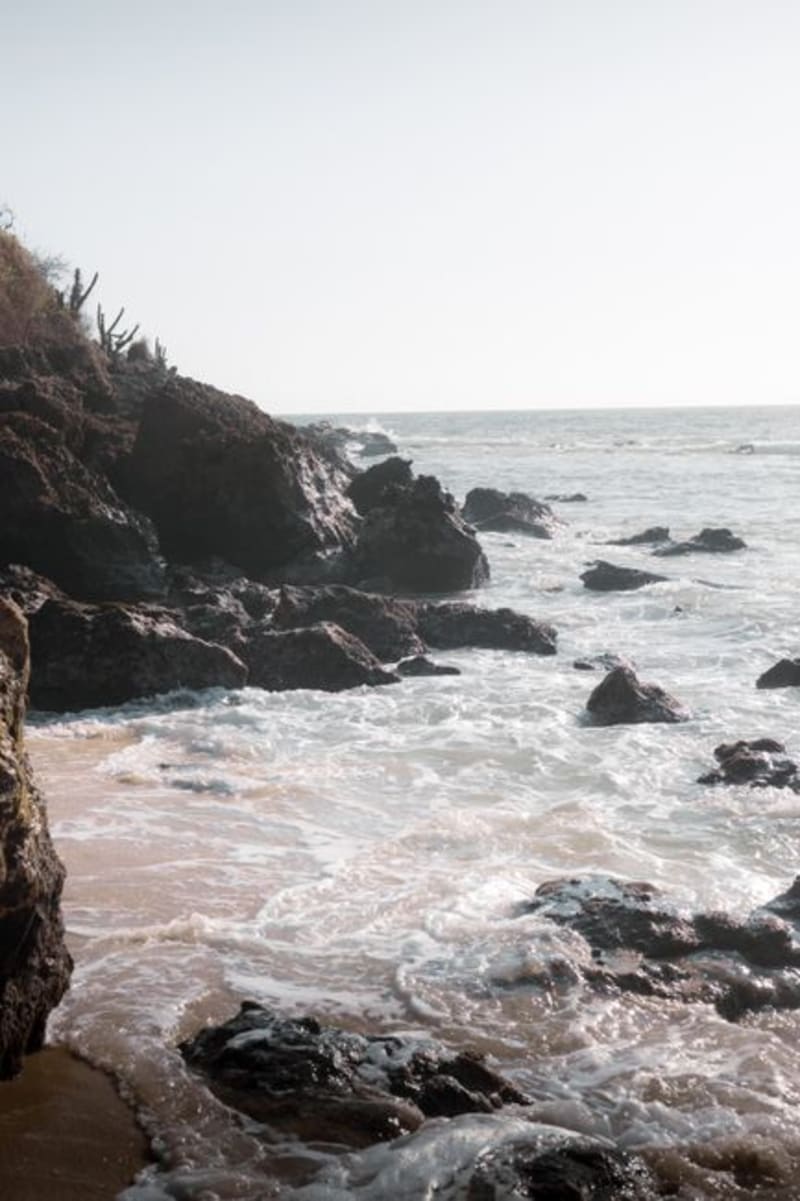
A stretch of Pacific beaches below the Carazo highlands, from La Boquita to Casares, where cliffside views meet small fishing-village life.
Explore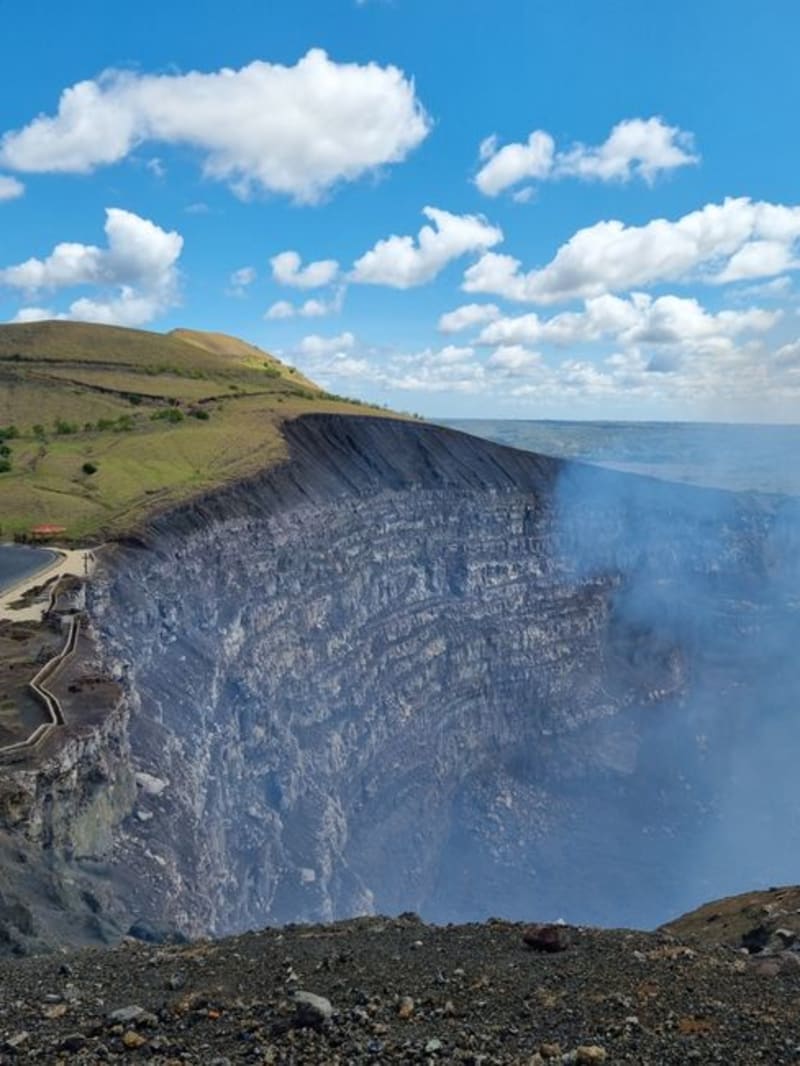 nicaragua
 Catarina
A hilltop Pueblos Blancos town whose mirador drops straight down into the turquoise crater lake of Laguna de Apoyo.
Explore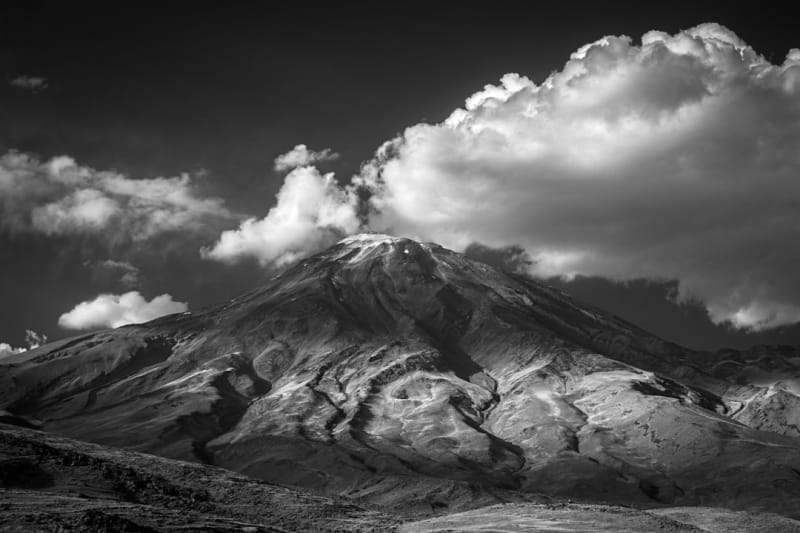 nicaragua
 Cerro Negro
A jet-black, still-growing cinder cone near León where the main activity isn't hiking up — it's strapping to a plywood board and sliding back down at speed.
Explore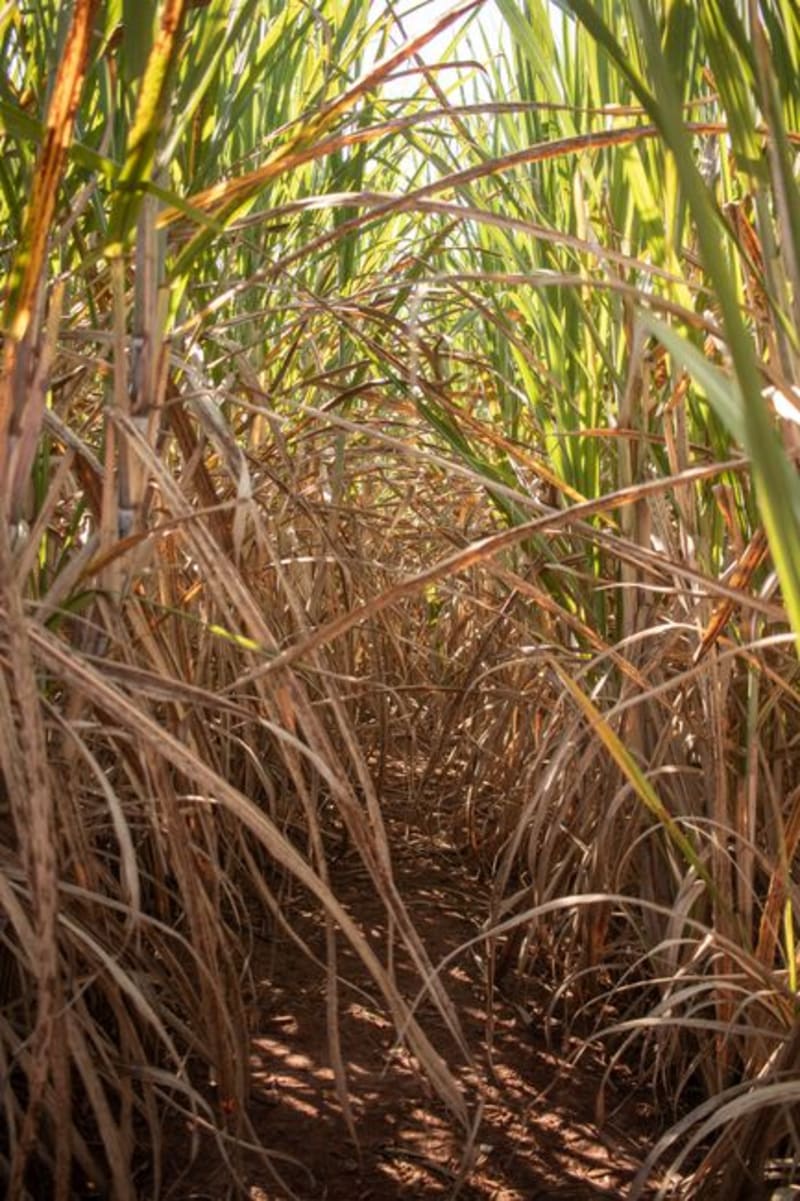 nicaragua
 Chichigalpa
A hot, unglamorous sugarcane town near Chinandega that happens to produce one of the finest rums in the Americas, aged in a warehouse older than most Nicaraguan cities' road networks.
Explore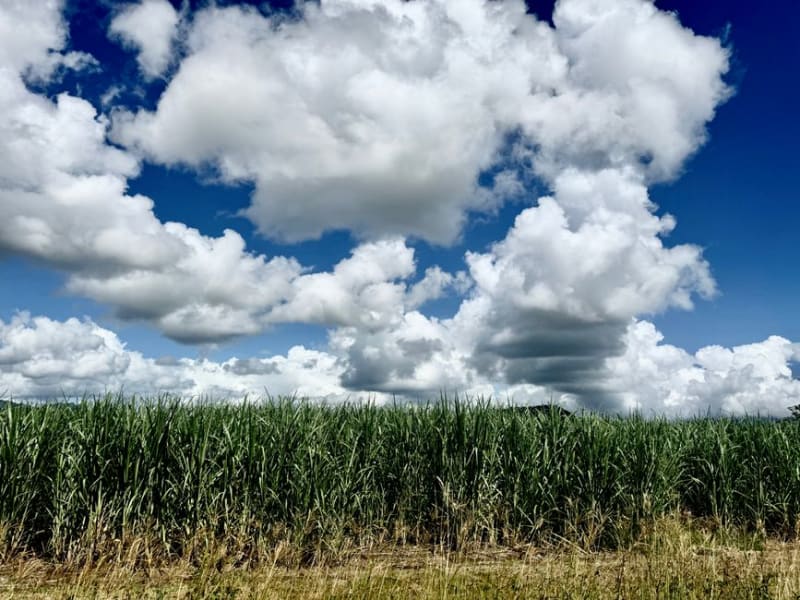 nicaragua
 Chinandega
A sweltering agricultural city near the Cosigüina volcano, thick with sugarcane trucks and peanut warehouses, and the least self-conscious place I've spent a night in Nicaragua.
Explore nicaragua
 Chontales
Rolling cattle-ranching savanna east of Lake Nicaragua, where cowboy folk music and open pastureland define a department most travelers only ever drive through.
Explore