Boaco
"Boaco is the only town I've visited in Nicaragua where the directions were literally 'go up' or 'go down.'"
Nicaragua's 'City of the Two Floors,' stacked on a steep hillside above dairy country, where cowboy hats are standard dress and the streets genuinely have levels.
I’d read Boaco’s nickname — La Ciudad de los Dos Pisos, the City of the Two Floors — and assumed it was a cute bit of civic branding rather than a literal description. It is not. The town is built on a hillside so steep that it functions as two distinct levels connected by staircases and switchback streets, and asking for directions here genuinely involves someone pointing up or down rather than left or right. I arrived by bus from Managua, and the driver let me off on the “lower floor,” which meant a fifteen-minute uphill walk with my bag to reach the guesthouse on the upper level, sweating through my shirt while a group of kids on bikes shot past me with the effortless ease of people who grew up on this incline.
Cattle country’s quiet capital
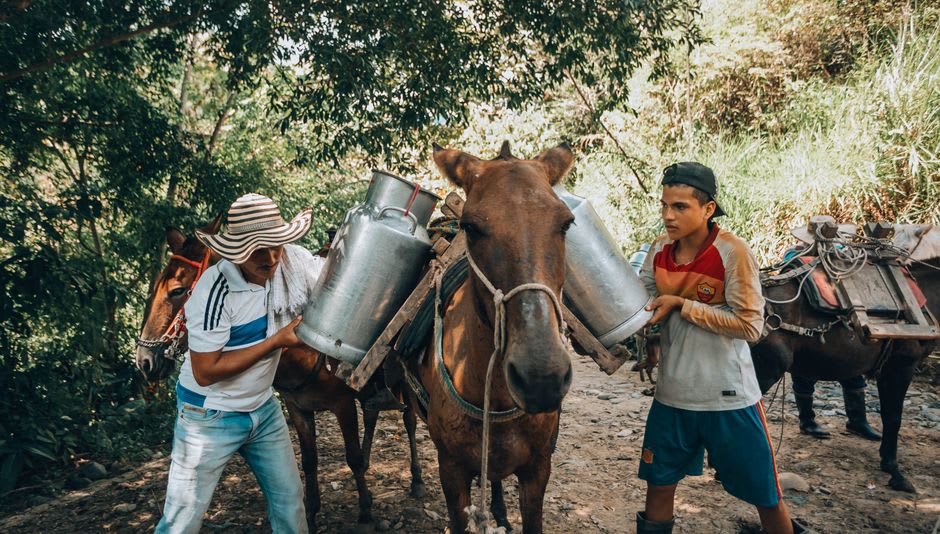
Boaco sits at the heart of Nicaragua’s dairy and cattle region, and the town’s rhythm follows the ranching calendar more than any tourist season. On my second morning I wandered into the central plaza just as the weekly cattle and dairy market was winding down — ranchers in wide-brimmed hats loading milk cans into pickup trucks, a woman selling fresh cuajada cheese wrapped in banana leaf from a folding table, the smell of livestock and diesel mixing in a way that somehow wasn’t unpleasant. A rancher named Don Marcial let me try a piece of the cheese straight off his table and refused payment, telling me instead that I should come back for the town’s patron saint festival in April if I wanted to see “real rodeo, not the Managua kind.”
The view from the upper floor
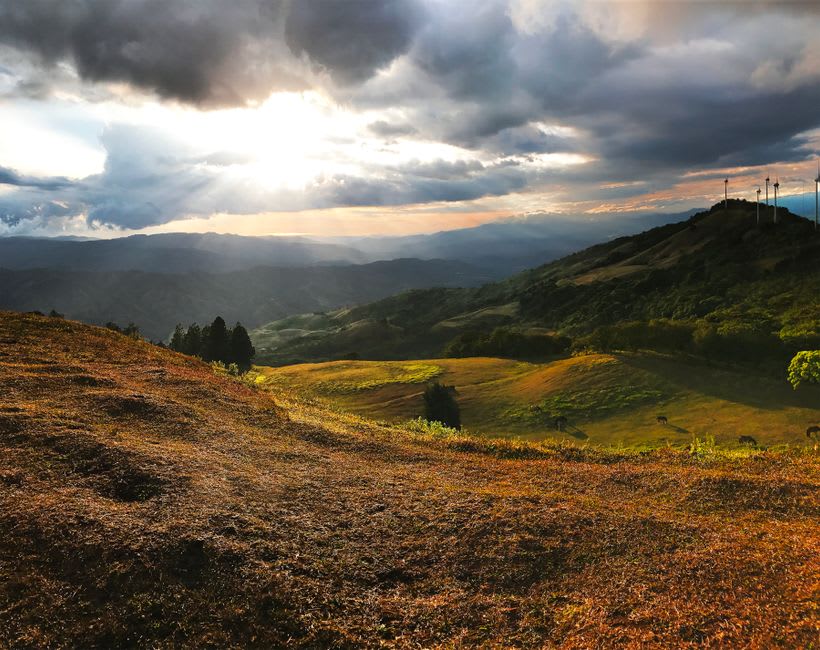
The real reward for the climb is the view. From the upper level of town, especially near the church of San Francisco de Asís, you can look out over rolling green cattle hills that stretch toward Chontales in one direction and back down toward the lower town’s rooftops in the other. I sat on the church steps one evening as the light went gold over the pastureland, next to an older man named Don Rigoberto who told me he’d walked up and down this hill every day of his working life and still hadn’t gotten tired of the view from the top, even if his knees had started to complain about the stairs.
Boaco isn’t a place with a marquee attraction. It’s a place that rewards you simply for being willing to climb it, and for treating a working ranching town as worth the detour rather than a stop to rush through on the way somewhere flashier.
When to go: April for the San Francisco de Asís patron saint festival and its rodeo events; the dry season from December to April also makes the steep streets far easier to navigate.
Keep exploring
More from Nicaragua
 nicaragua
 Camoapa
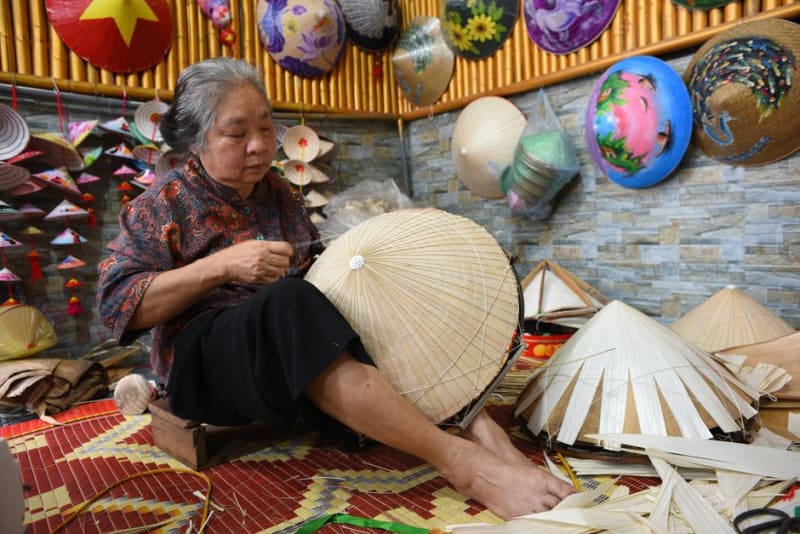
A small cattle town near Boaco known across Nicaragua for its handwoven leather and palm-fiber hats, made by families who've done little else for generations.
Explore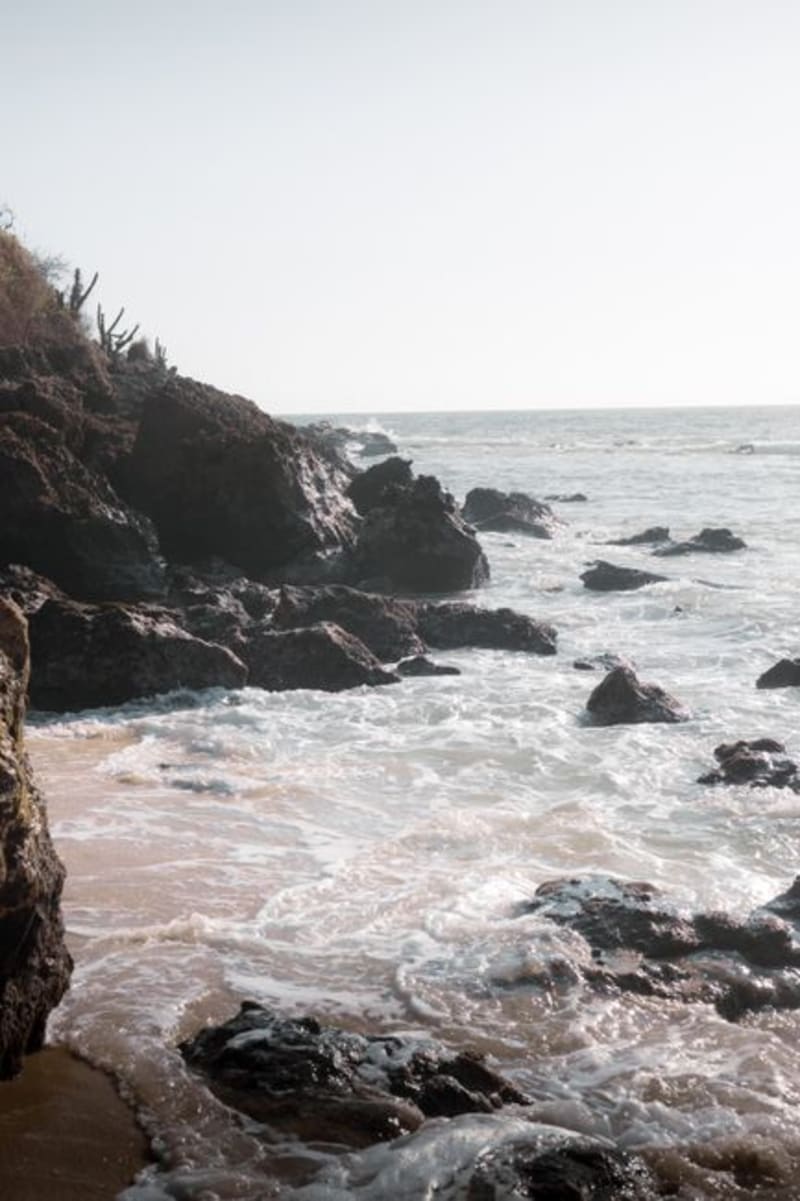 nicaragua
 Carazo Coast
A stretch of Pacific beaches below the Carazo highlands, from La Boquita to Casares, where cliffside views meet small fishing-village life.
Explore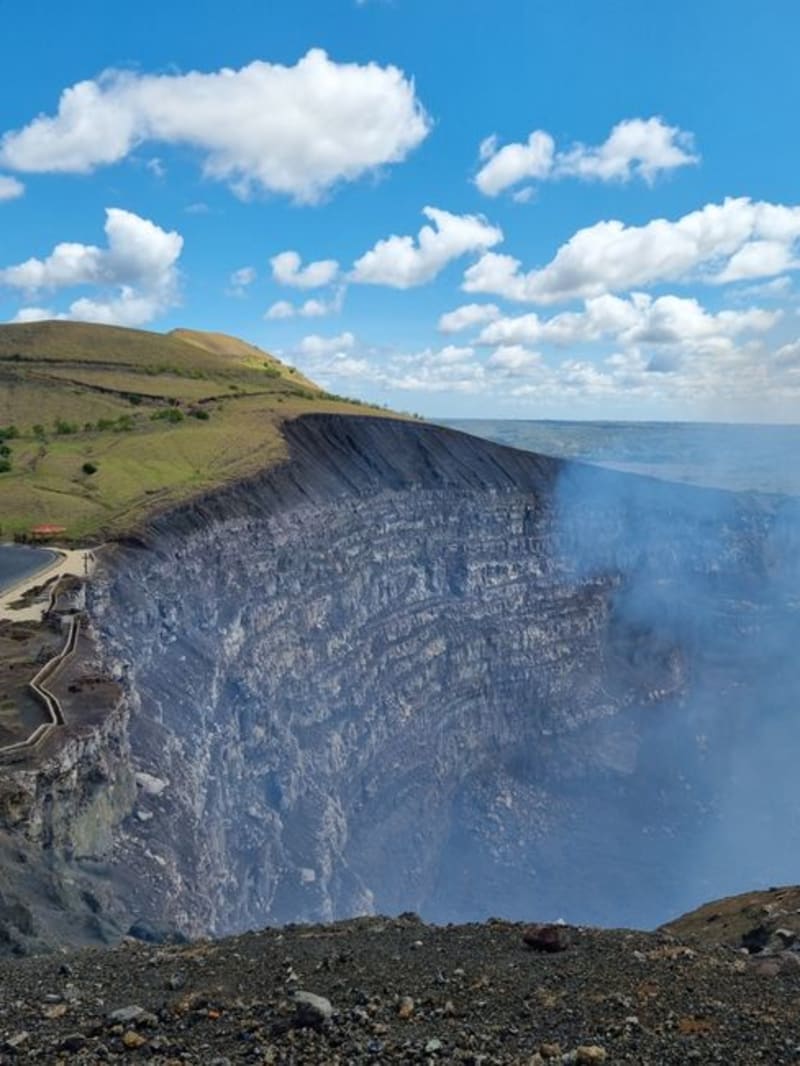 nicaragua
 Catarina
A hilltop Pueblos Blancos town whose mirador drops straight down into the turquoise crater lake of Laguna de Apoyo.
Explore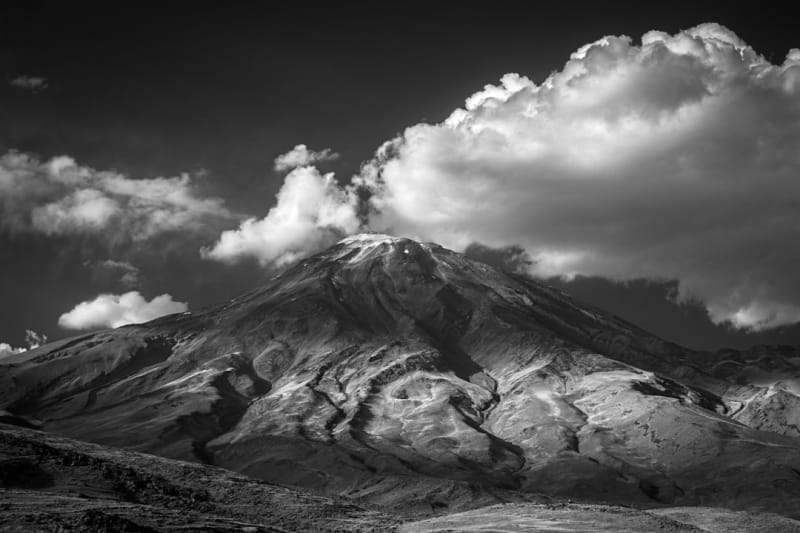 nicaragua
 Cerro Negro
A jet-black, still-growing cinder cone near León where the main activity isn't hiking up — it's strapping to a plywood board and sliding back down at speed.
Explore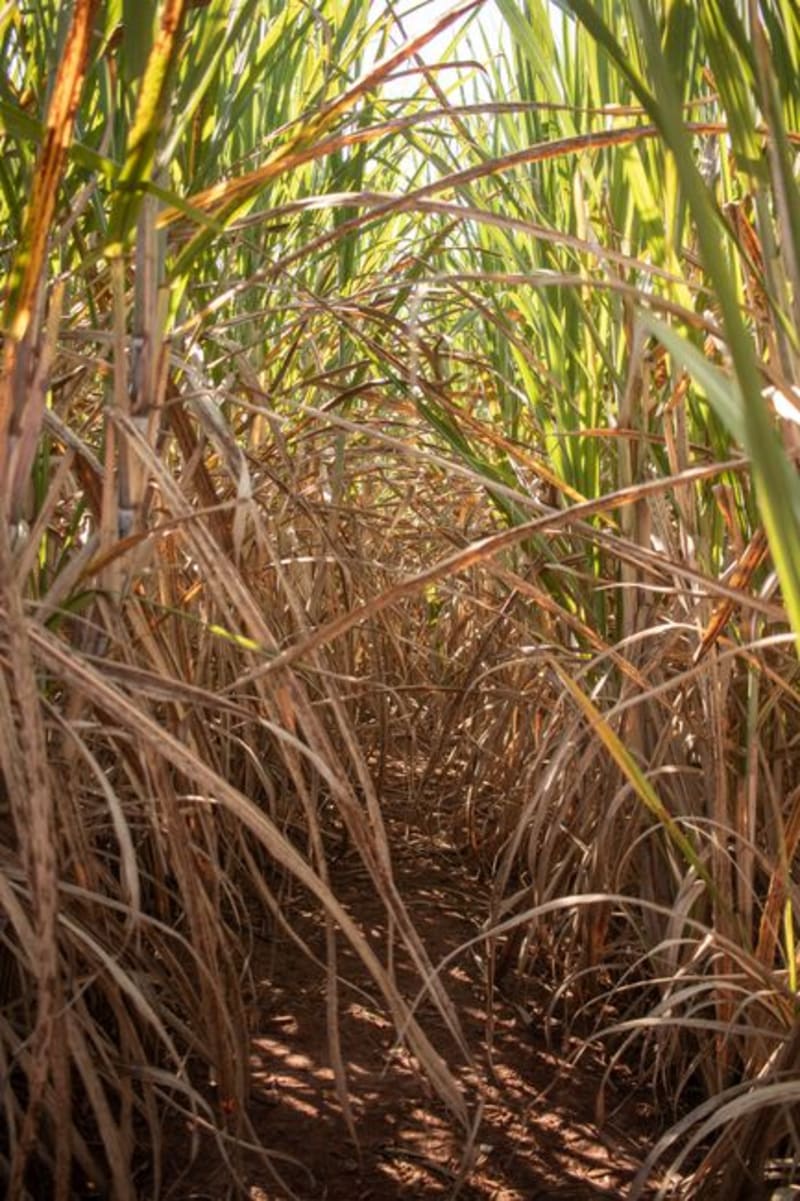 nicaragua
 Chichigalpa
A hot, unglamorous sugarcane town near Chinandega that happens to produce one of the finest rums in the Americas, aged in a warehouse older than most Nicaraguan cities' road networks.
Explore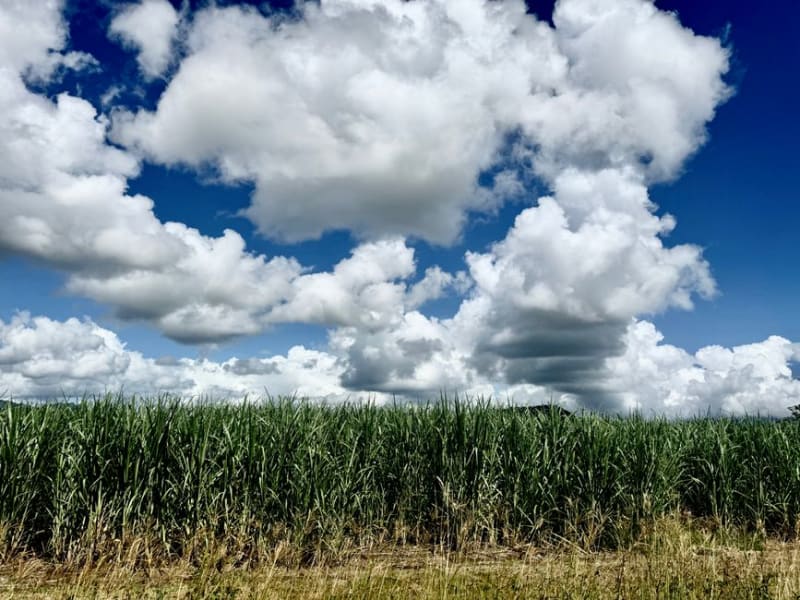 nicaragua
 Chinandega
A sweltering agricultural city near the Cosigüina volcano, thick with sugarcane trucks and peanut warehouses, and the least self-conscious place I've spent a night in Nicaragua.
Explore