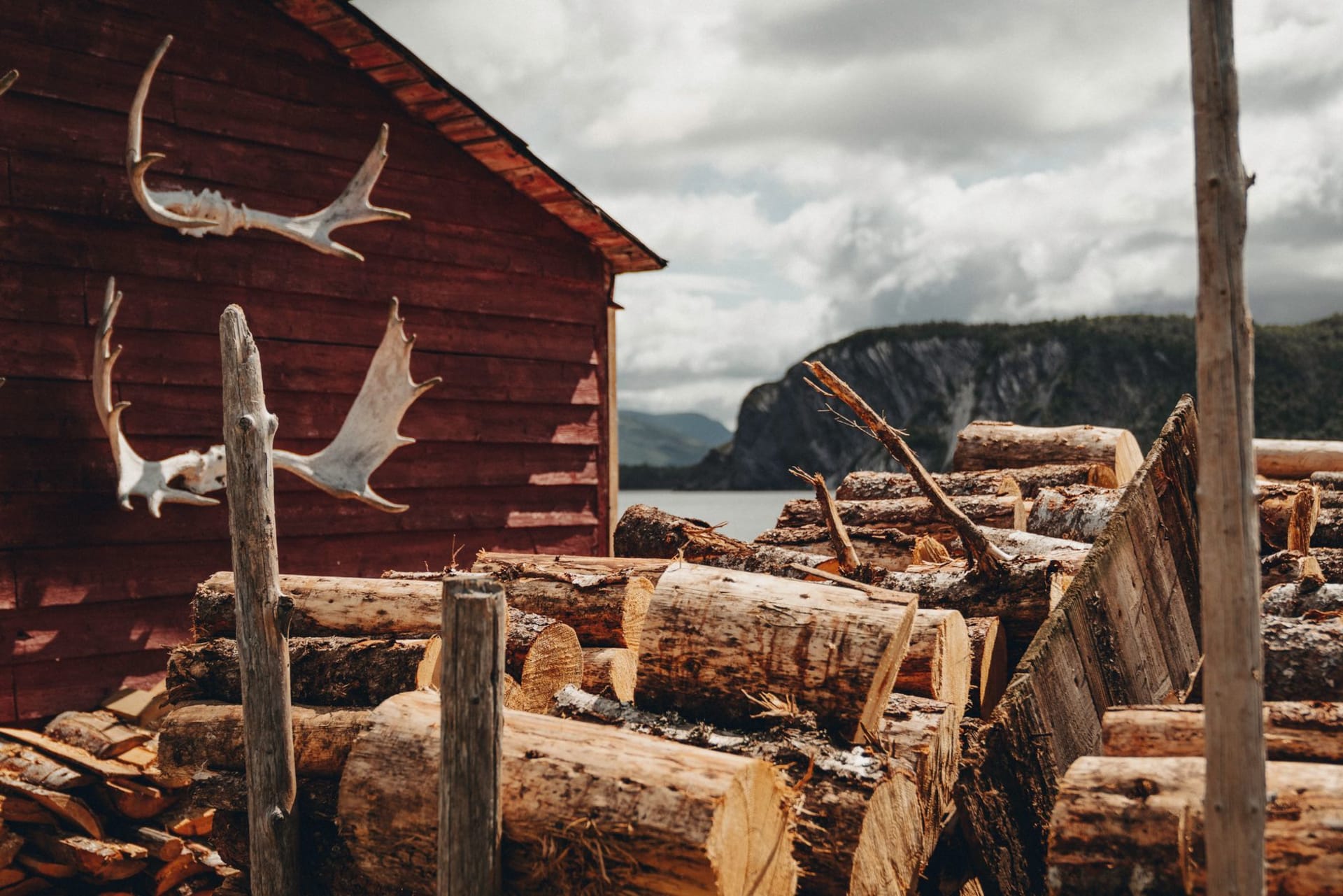
Terra Nova National Park
"Everyone races across the island to Gros Morne and drives straight past this one, which is exactly why I stayed three days."
Terra Nova has the misfortune of being on the wrong side of Newfoundland. Gros Morne, on the far west coast, has the fjords and the mountains and the international reputation, and most people crossing the island point their car at it and never glance at the sign for Terra Nova on the way. I almost did the same. Then I needed somewhere to break a long drive, pulled in on a grey afternoon, and ended up staying three days in a park I had been fully prepared to ignore.
This is the country’s most easterly national park, and its character is gentler than Gros Morne’s drama. There are no soaring cliffs here, no glacial valleys. Instead there is the boreal forest — black spruce and balsam fir, bog and pond and lichen-grey rock — running down to a coastline of long sheltered inlets that reach inland like fingers. It is the landscape of the Newfoundland interior at its most typical, and it rewards a slower kind of attention than the showpiece scenery does.
The sheltered inlets
The park sits along Bonavista Bay, but the water you spend time on is the network of inlets and sounds that the sea pushes deep into the land. I rented a kayak at the marina in Newman Sound and paddled out one still morning when the water was flat as poured metal, the spruce reflected so cleanly that the shoreline seemed to have a twin hanging beneath it. A bald eagle watched me from a dead tree. Later a seal surfaced close enough that we startled each other, and it went back down with what I chose to interpret as a look of mild disapproval.
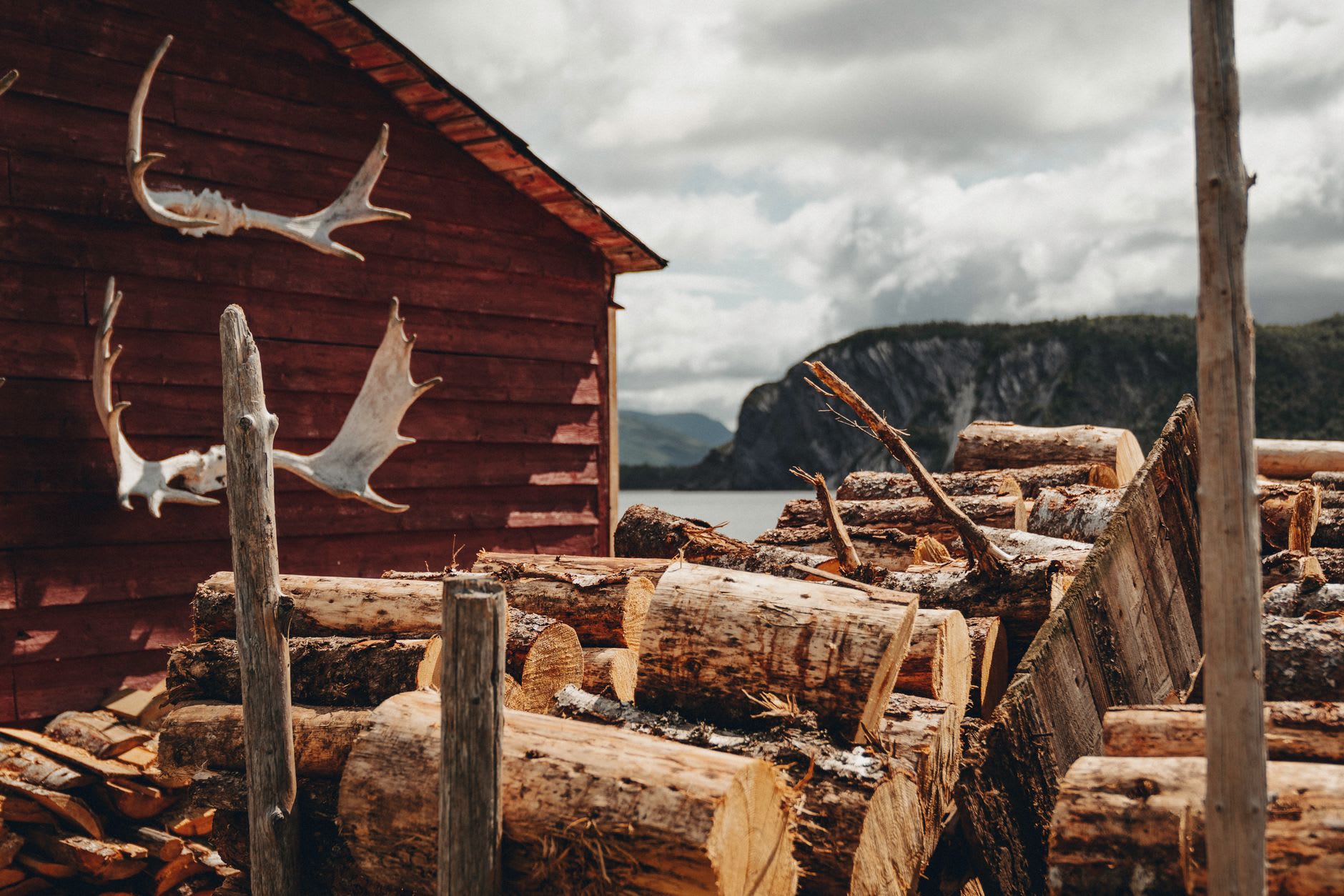
The paddling here is genuinely good and genuinely safe, which is a rare combination in Newfoundland, where the open coast can turn lethal in an afternoon. The inlets are protected enough that a moderately competent kayaker can explore for hours, nosing into coves, watching for the moose that come down to the water at the forest edge. Lia, who treats kayaking as a personal contest against the laws of physics, capsized once in about a meter of water and emerged furious and triumphant, having proven something only she understood.
Forest, bog, and the long light
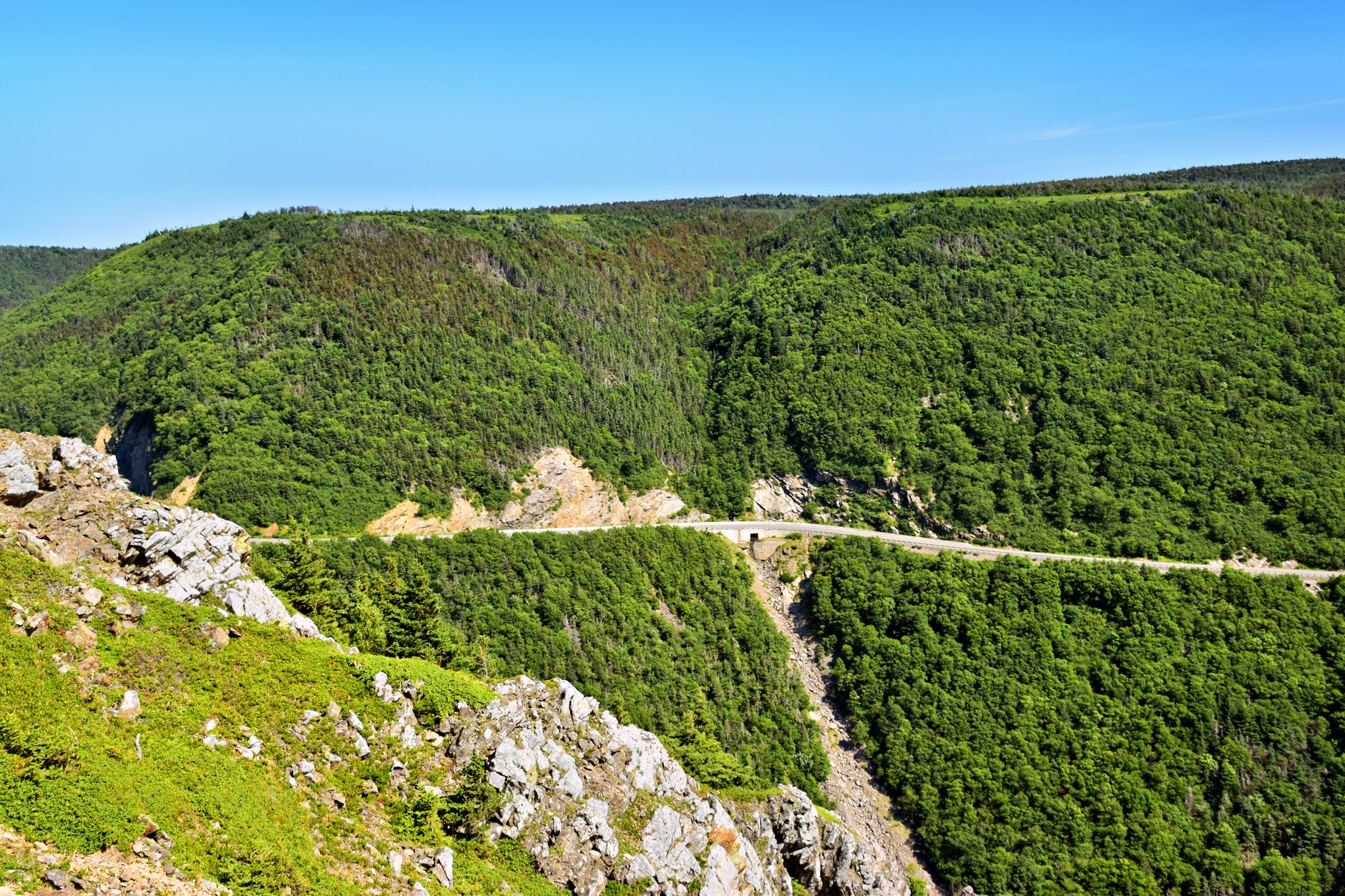
On land the trails run through classic boreal terrain, much of it on boardwalk over bog where the ground would otherwise swallow your boots. The Malady Head and Coastal trails give views down over the sounds; the shorter pond loops are quiet and full of birdsong. I walked one in the long northern evening when the light goes soft and stretches on for hours, and the only other living things I saw were a snowshoe hare that froze and considered me, and the loons, whose calls across the still water are the sound I will always associate with this part of the world.
The park runs an evening program at the campground amphitheater, and one night I went, mostly out of curiosity, and listened to a young interpreter talk about the boreal forest with the kind of unguarded enthusiasm that makes you reconsider whether you have been paying enough attention to bogs. By the end I had genuinely revised my opinion of bogs. This is the effect Terra Nova has if you let it: it does not announce itself, but it gets under your skin in the quietest possible way.
When to go
Summer, roughly late June through early September, is the season — the trails are open, the kayak rentals operate, and the long evenings are at their best. July and August are warmest but bring the blackflies and mosquitoes that are the price of the boreal forest, so come prepared with repellent and possibly a head net. Autumn brings colour and solitude as the crowds vanish. The park more or less closes down for winter, though the landscape under snow is beautiful if you are equipped for it.