
Oceania
New Zealand
"New Zealand is what the Earth looks like when it is showing off."
New Zealand is absurd. There is no other word for a country this small that contains this much geological drama. Drive three hours in any direction on the South Island and you will pass through landscapes that, anywhere else, would be separated by international borders and climate zones. Glaciers calving into temperate rainforest. Volcanic plateaus steaming beside alpine lakes. Fjords so deep and still they reflect the surrounding cliffs with a fidelity that makes you question which direction is up. The density of beauty per kilometre is the highest of any country I have visited, and I am aware of how that sounds.
The South Island is the headliner — Milford Sound, Queenstown, the glaciers, the Canterbury high country — but the North Island is where the culture lives most visibly. Rotorua is the centre of Maori cultural experience, and a good guide here will reframe your entire understanding of the country. Maori culture is not a historical exhibit in New Zealand. It is a living, evolving, politically powerful force that shapes everything from parliamentary procedure to the haka performed before every All Blacks match. The Treaty of Waitangi is still debated, still contested, still relevant. This is a country actively negotiating its bicultural identity, and that process is more interesting than any glacier.
The adventure industry is world-class and occasionally terrifying. Bungee jumping was essentially invented here. The multi-day tramps — the Milford Track, the Routeburn, the Kepler — are among the finest long-distance walks on earth, threading through landscapes that alternate between Lord of the Rings grandeur and an intimacy that catches you off guard. A beech forest in morning rain. A kea investigating your lunch. The sound of a bellbird in a valley where you are the only human for miles.
When to go: November through March for summer — long days, warmest weather, and access to all the Great Walks. February and March are slightly drier and less crowded than the December-January peak. Winter (June to August) brings skiing in Queenstown and Wanaka, and the fjords in winter mist have a melancholy beauty that summer cannot match.
What most guides get wrong: They drive too fast. New Zealand’s roads are narrow, winding, and shared with campervans piloted by people who have never driven on the left. The speed limit is a suggestion that the geography frequently overrules. Build more driving time than Google Maps suggests, stop often, and treat the road itself as the attraction. It almost always is.
Explore
Places in New Zealand

Abel Tasman
Golden sand beaches, turquoise bays, and coastal forest in New Zealand's smallest and most intimate national park.

Auckland
The City of Sails, built on 53 volcanoes and surrounded by two harbours that define its character.
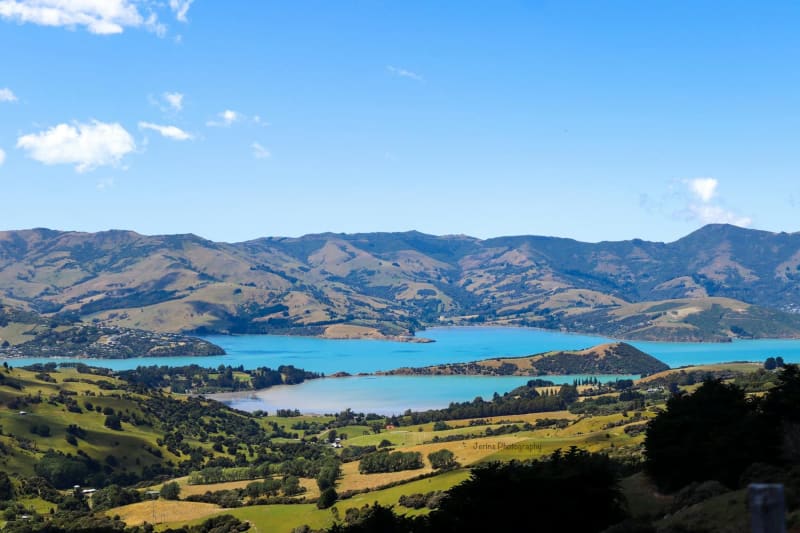
Bay of Islands
144 islands scattered across turquoise water where the Treaty of Waitangi was signed — New Zealand's birthplace.

Coromandel
A rugged peninsula of forest-backed beaches, natural hot water, and a gold rush history hidden in the hills.

Coromandel Peninsula
A North Island beach where thermal water pushes through the sand at low tide and you dig your own hot pool.
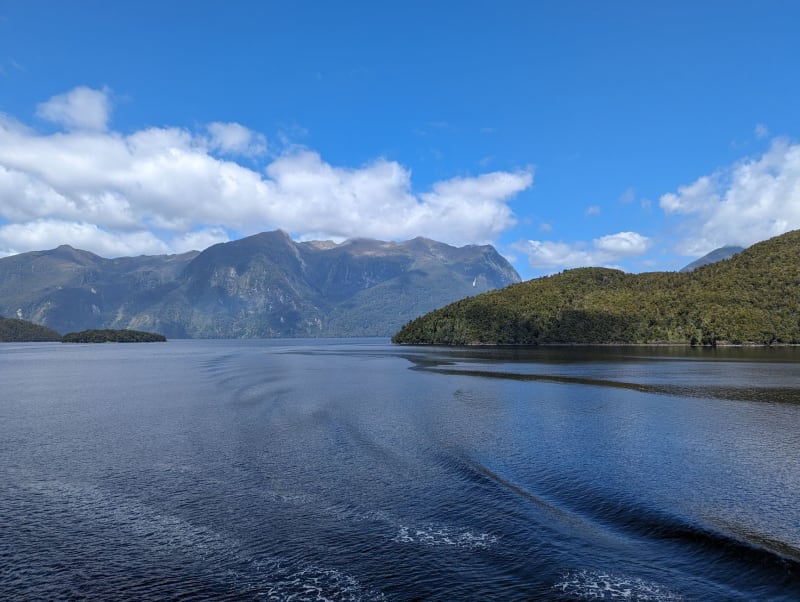
Doubtful Sound
A deeper, darker and ten times larger fiord than Milford Sound in Fiordland, reached by boat across a hydro lake.

Fiordland
Doubtful Sound and the wild Fiordland — rainforests tumbling into fjords where dolphins surf the boat wake.

Hobbiton
A film set that became a permanent village in the Waikato hills, where Middle-earth is real and the Green Dragon serves ale.

Milford Sound
A fiord of vertical cliffs, permanent waterfalls, and rain so frequent it becomes part of the beauty.
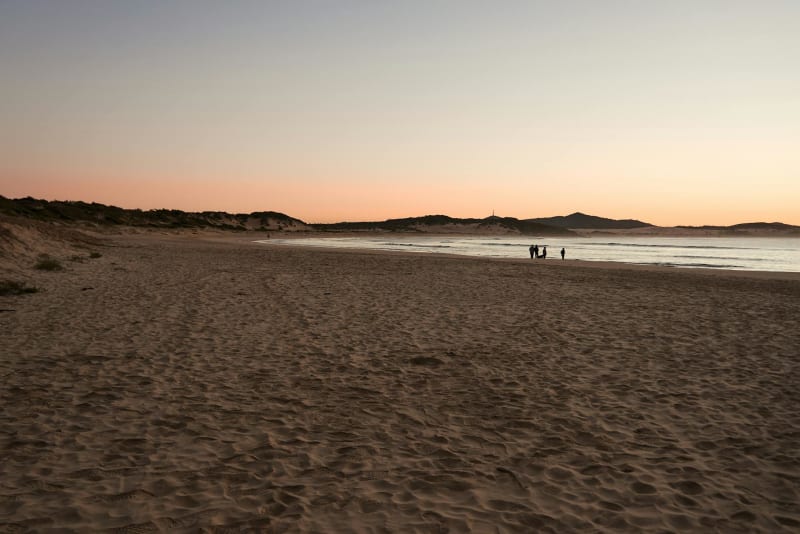
Ninety Mile Beach
An arrow-straight beach stretching to the horizon at the tip of Northland, where sand dunes meet the Tasman.

Queenstown
The adventure capital of the world, set on a lake so blue it makes the mountains jealous.
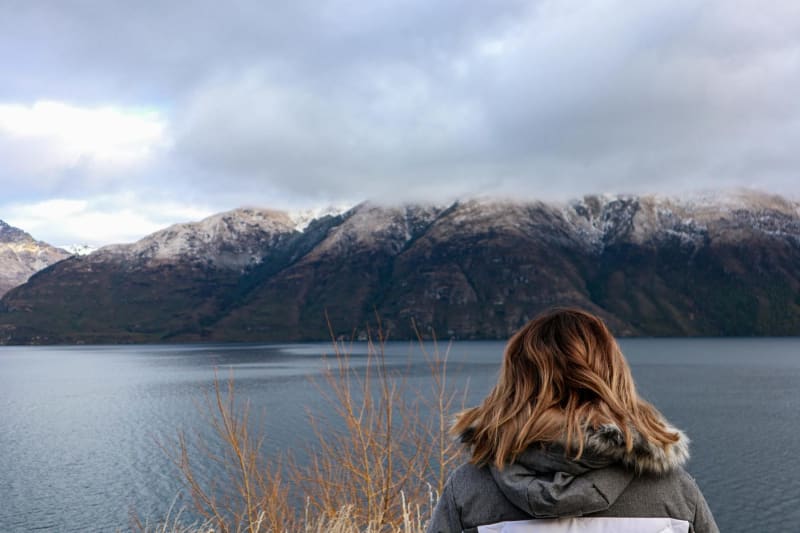
Queenstown New Zealand Winter
The adventure capital draped in snow — ski the Remarkables, then sip pinot noir watching a lake catch the alpenglow.

Rotorua
A geothermal wonderland where the earth steams, bubbles, and smells of sulphur, and Maori culture is alive in everything.

Tongariro
A volcanic plateau of emerald lakes and steaming craters that doubled as Mordor for good reason.

Wanaka
Queenstown's quieter sibling — the same mountains, the same lake, and a fraction of the crowds.

Wellington
New Zealand's compact, wind-blown capital with the best coffee, craft beer, and film industry per capita in the world.