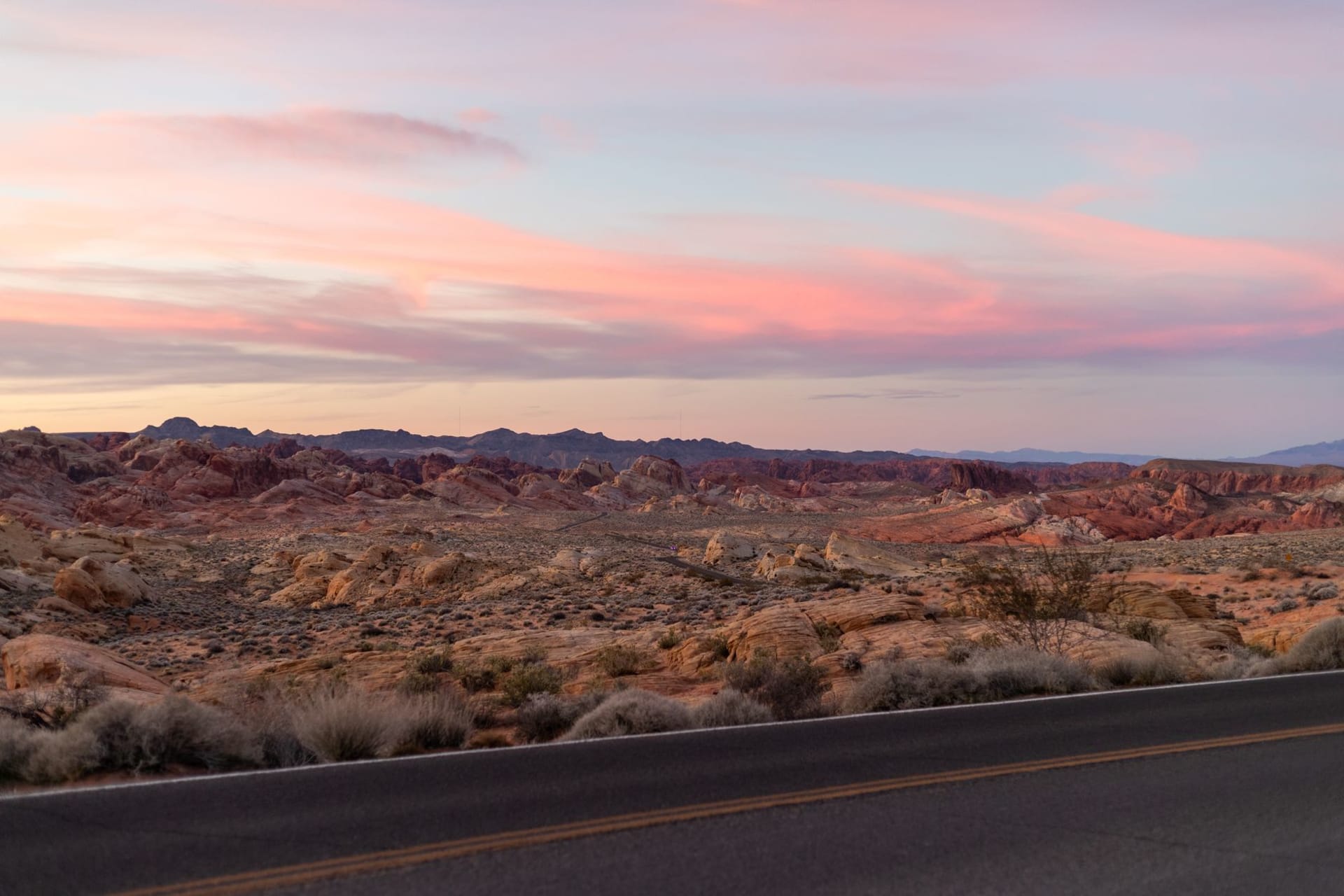
Valley of Fire
"The sandstone here doesn't just reflect light. It looks like the rock is generating it."
Aztec sandstone burning red and orange in the Mojave light, fifty miles from Las Vegas and several geological epochs from anywhere.

I drove out of Las Vegas on a Tuesday morning before the heat peaked, took I-15 north and then turned east on Nevada-169, and within forty minutes the world had reorganized itself entirely. The Mojave gave way to Aztec sandstone formations in colors I wasn’t prepared for: not just red but crimson, orange, and a deep burgundy that appeared almost purple in the shadows. The first overlook I stopped at felt like arriving at the edge of something. The valley below was a sea of eroded fins and humps and pointed spires, completely still in the morning air, and the silence was so total I could hear my own heartbeat.
Valley of Fire is Nevada’s oldest state park, which doesn’t quite capture what it is. What it is: a geological fever dream of sandstone laid down one hundred fifty million years ago as the petrified remnants of ancient sand dunes. Erosion has worked those dunes into forms that seem random until you stand among them and realize there is a kind of internal logic to the layering, each stratum a different shade marking a different era of desert accumulation. The rock is warm to the touch even before the sun fully hits it, holding some stored heat from the day before, and running a hand along a sandstone fin in the morning feels intimate in a way that surprises you.
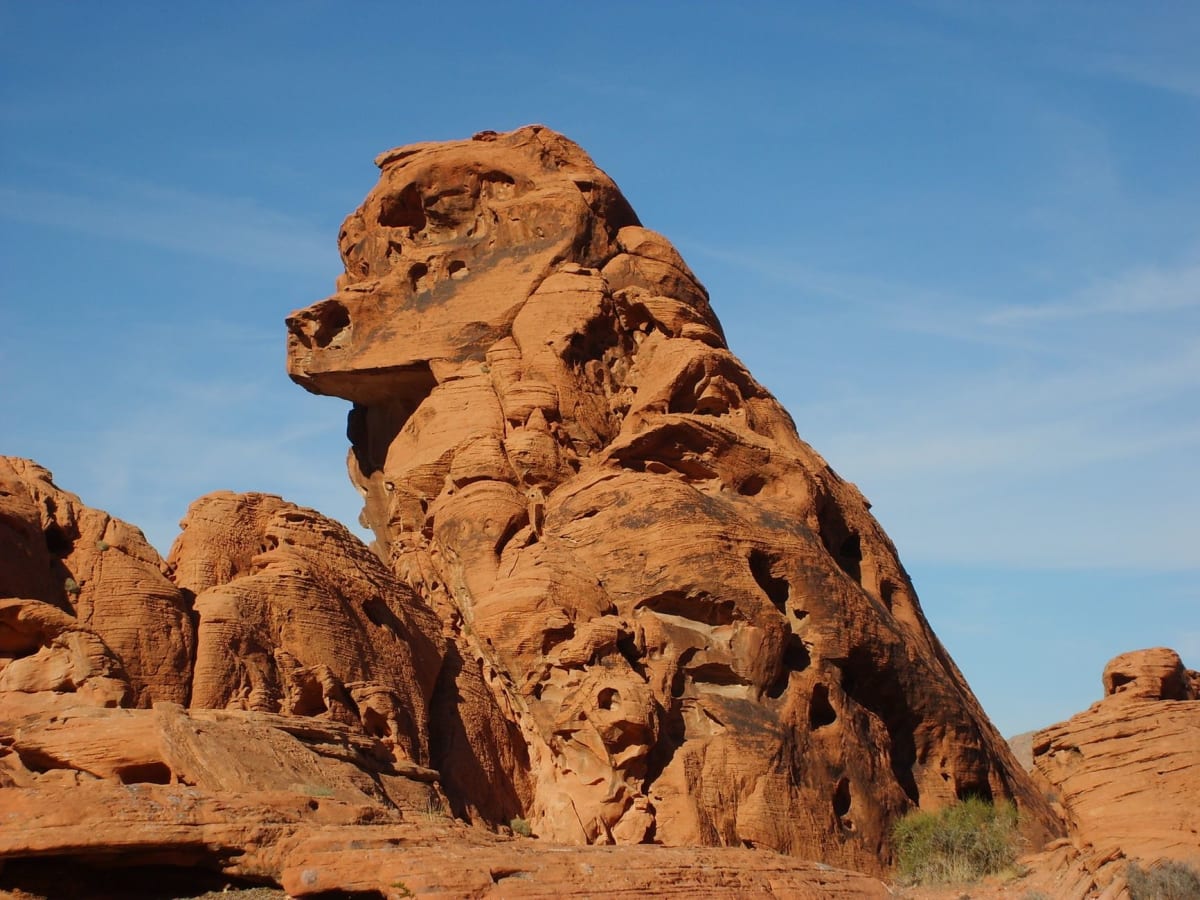
The petroglyphs at Atlatl Rock are roughly two thousand years old and were carved by the Ancestral Puebloans who passed through this valley on trading and hunting routes. The steel staircase that leads to the panel feels slightly incongruous against the ancient stone, but the carvings themselves — bighorn sheep, human figures, geometric patterns, the atlatl (a spear-throwing device) that gives the rock its name — are detailed and precise. The people who made these marks stood where I was standing in a landscape recognizably identical to this one. The rock doesn’t age the way buildings or paper do. The petroglyphs look like they were carved last decade.
The Beehives, a cluster of formations in the northwest section of the park, are best in the two hours after sunrise, when the low-angled light carves shadows into every hollow and the individual layers of sandstone show their full color range — terracotta at the base shifting to salmon shifting to something almost pink near the top where the iron oxide concentration changes. I sat on a flat rock below the Beehives for nearly an hour eating a breakfast I’d packed in Las Vegas and watched the light move across the surface of the stone in real time, the shadows shortening and the colors flattening as the sun rose higher and the magic gradually became ordinary.
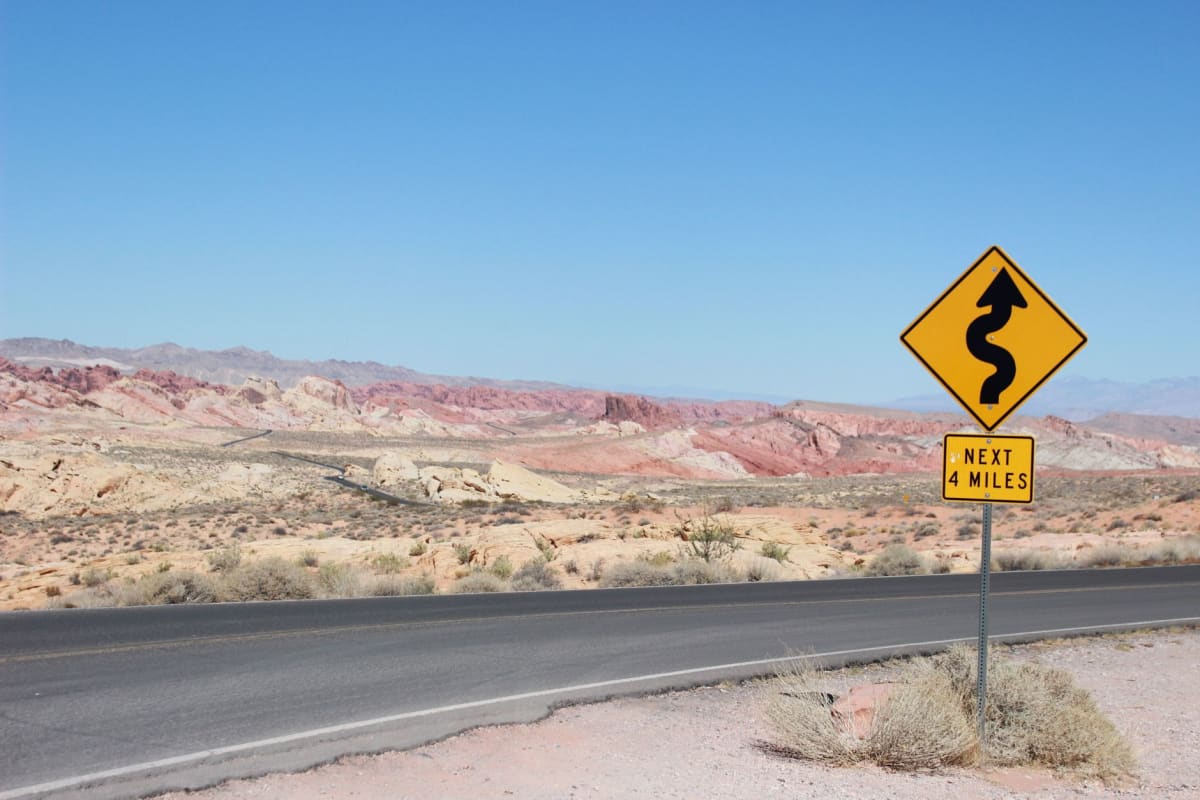
The Fire Wave, at the end of a 1.5-mile trail in the eastern section of the park, is the formation that most people come for. It is a swirling section of sandstone where the strata have been eroded into a rippling pattern of red, white, and pink, the layers visible in cross-section like a geologist’s diagram. In the two hours around sunrise, it looks like the rock is on fire from within. By midday, in full Nevada sun, it looks like a very beautiful piece of rock. The difference is significant enough that the timing of your visit matters more here than almost anywhere I’ve been.
When to go: October through April. Spring and fall offer the best light and survivable temperatures. Summer is dangerous — the park recommends no strenuous hiking when temperatures exceed 38°C, which is most of June, July, and August, and 45°C readings are not unusual. Start any hike before 8am regardless of season. Sunrise at the Fire Wave or the Beehives is the definitive Valley of Fire experience and worth the early alarm.
Keep exploring
More from Nevada
 nevada
 Virginia City
The Comstock Lode's boomtown preserved by poverty and dry air, where Mark Twain learned to write and the saloons still pour whiskey to ghosts.
Explore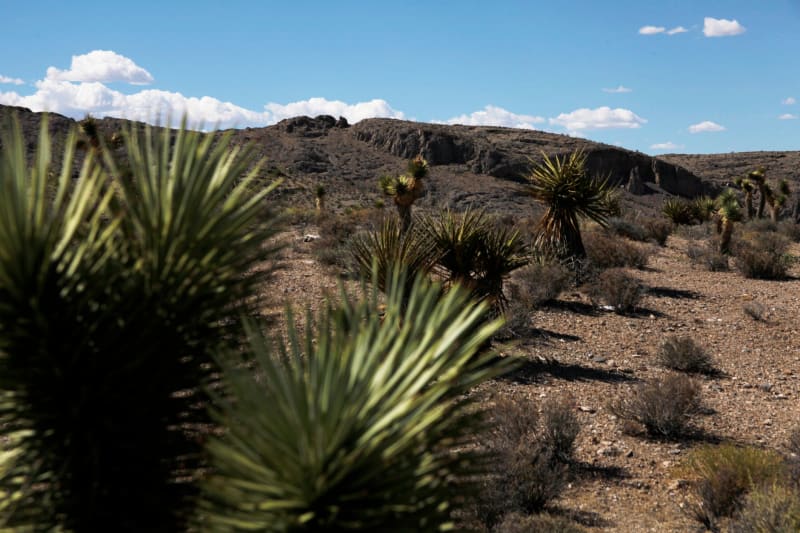 nevada
 Black Rock Desert
A dry lakebed the size of a small country where the silence has texture, the horizon is a perfect line, and every year sixty thousand people build a city and then leave no trace.
Explore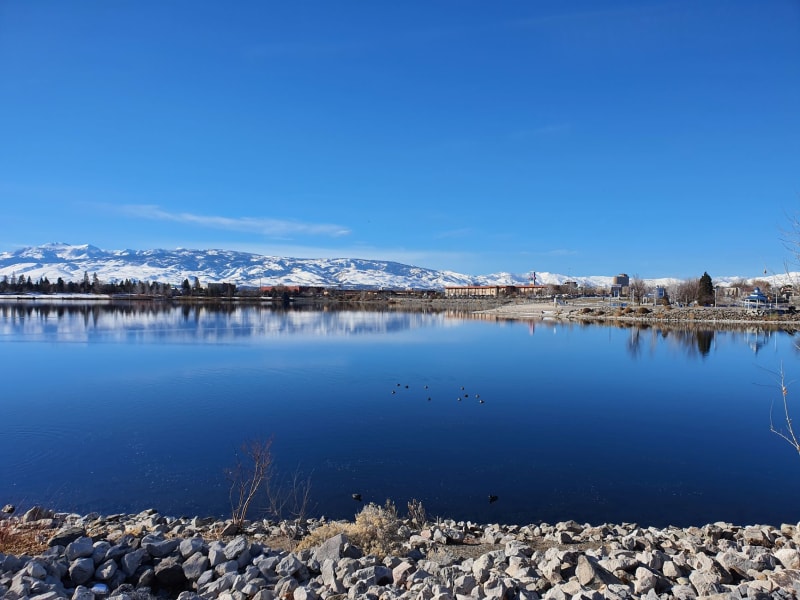 nevada
 Elko
A genuine cowboy town in the Great Basin interior where Basque sheepherders, Nevadan ranchers, and gold miners have been eating dinner together for a century.
Explore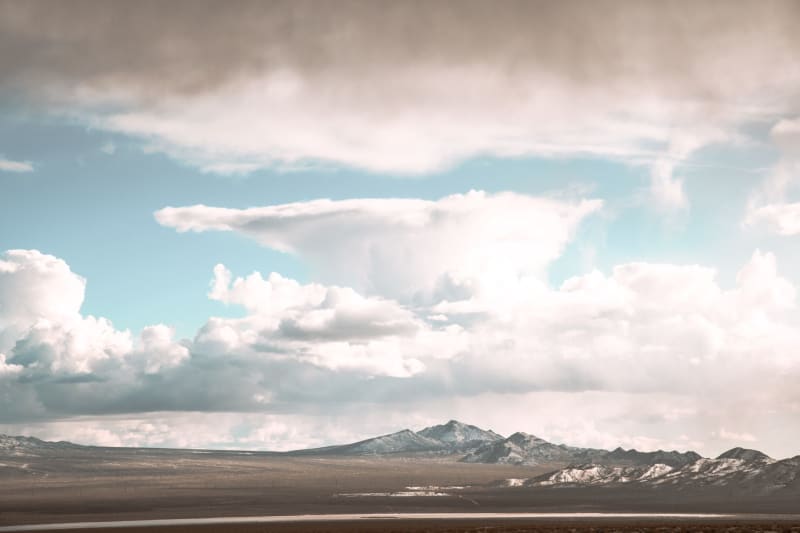 nevada
 Great Basin National Park
An almost-empty park holding the oldest living things on earth, a glacier, and a sky that makes you rethink the word 'dark'.
Explore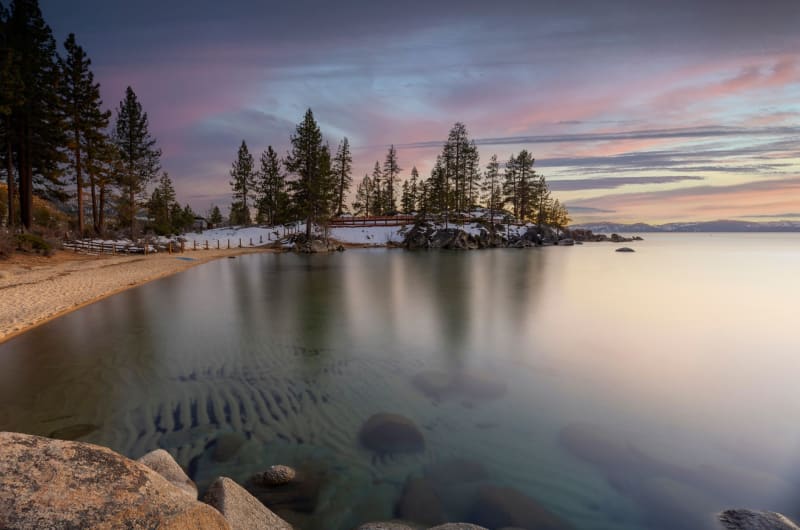 nevada
 Lake Tahoe
An alpine lake so impossibly blue and clear that standing at the Nevada shore feels like looking into something that should not exist at this altitude.
Explore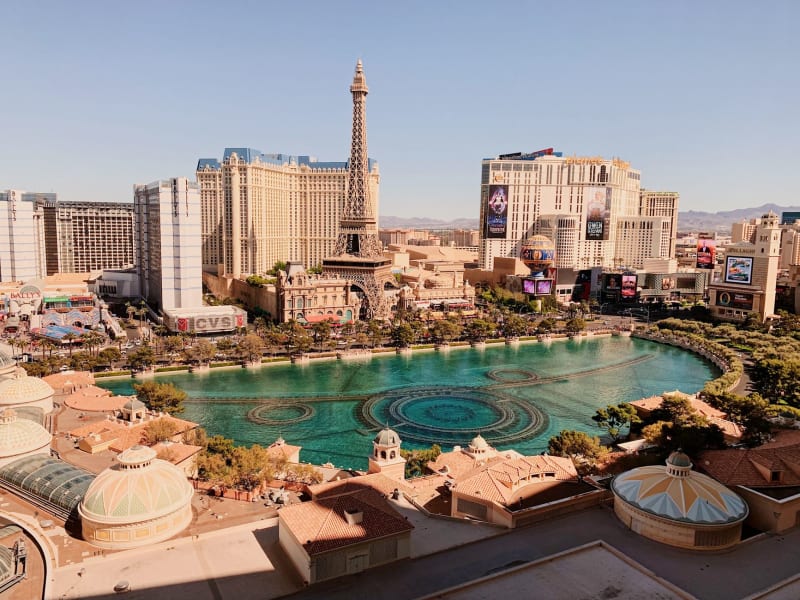 nevada
 The Las Vegas Strip
Four miles of concentrated American excess that somehow becomes more honest the longer you look at it.
Explore