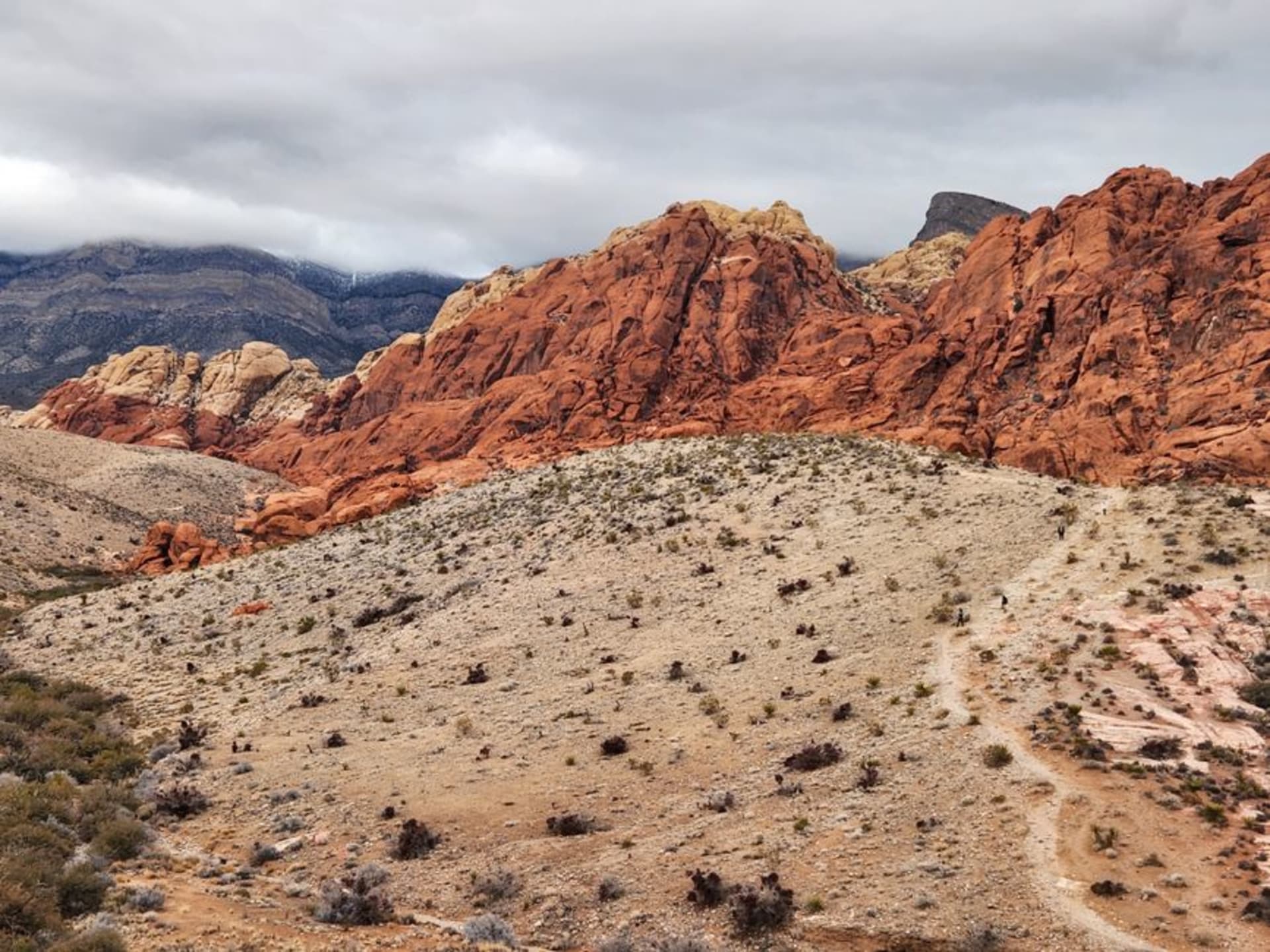
Red Rock Canyon National Conservation Area
"We left the slot machines behind and drove straight into three hundred million years of geology."
Red sandstone walls thirty minutes from the Strip, where 180-million-year-old dunes turned to stone and climbers have chased the exposure since the seventies.
Lia and I had done exactly one night in Vegas — enough for a bad buffet and a good laugh — before I was itching to get out. I’d read that barely thirty kilometers west of the Strip, the desert just erupts into red rock, and I couldn’t reconcile that with the neon and the fake Eiffel Tower we’d walked past the night before. So we rented a car, skipped breakfast at the hotel, and drove out early, windows down, watching the casino towers shrink in the mirror and the Aztec sandstone rise up ahead of us like the city had never happened.
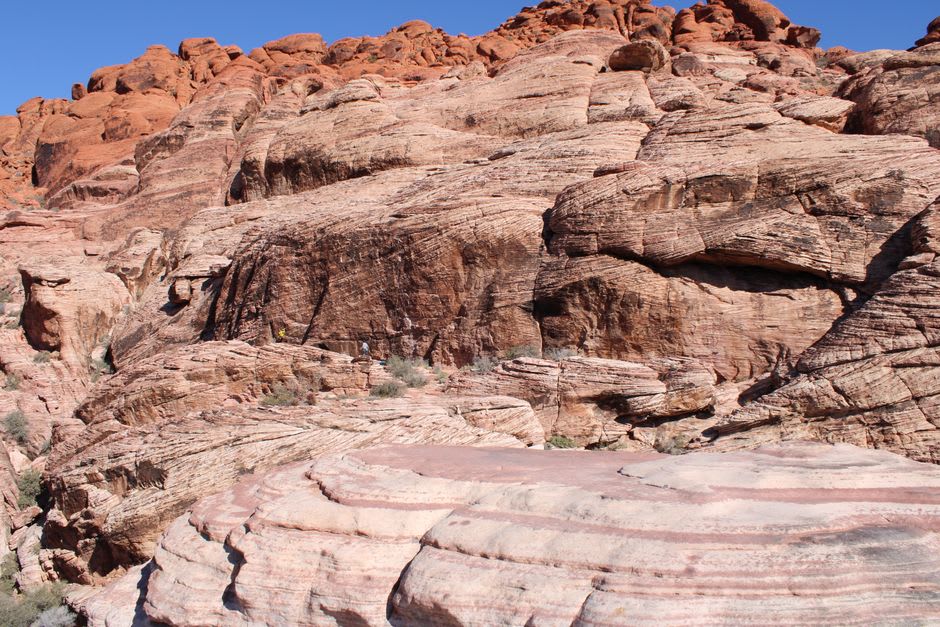
The scenic loop drive is only 21 kilometers, one-way, and I remember thinking it wouldn’t be enough to fill a morning. I was wrong. We kept pulling over — not because the map told us to, but because the light kept changing on the rock and I couldn’t help myself. The sandstone here formed something like 180 million years ago, compacted from ancient dune fields, and you can still see the cross-bedded lines in the cliffs, like the wind that shaped them left its fingerprints and then got frozen in place.
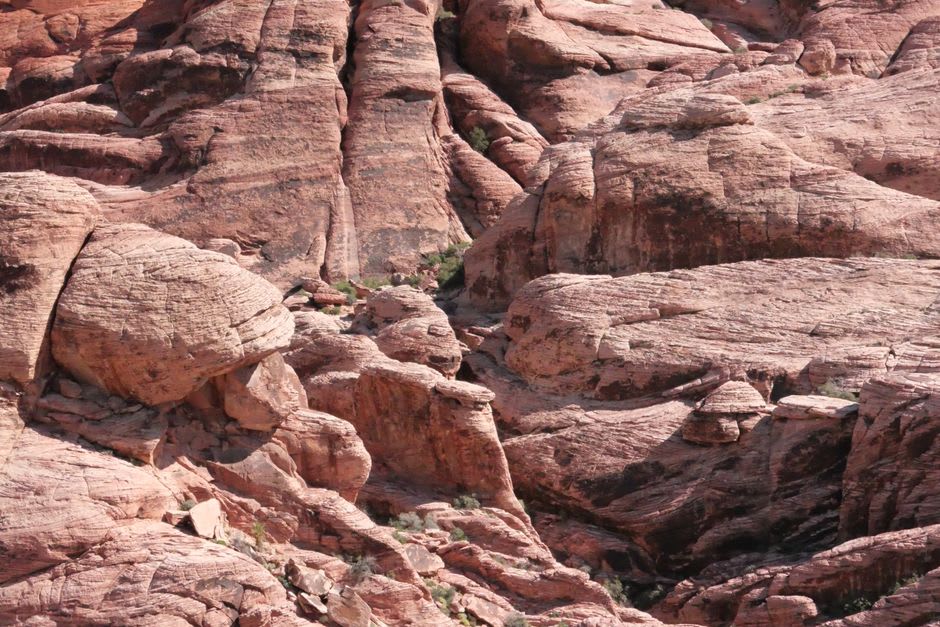
What got me most, though, wasn’t the color — it was the Keystone Thrust Fault. There’s a pullout where you can actually see it: older gray limestone sitting on top of younger red sandstone, which sounds backwards until a park volunteer explained that millions of years ago the whole slab of limestone got shoved up and over the sandstone during a massive tectonic collision. I stood there longer than Lia had patience for, just trying to wrap my head around rock moving like that. Later that afternoon we found a panel of petroglyphs near one of the short trails, left by the Southern Paiute and people who lived here long before them, and it recentered the whole day — this place has been meaningful ground for a very long time, not just a backdrop for our road trip.
By the time we reached the far end of the loop, we’d pulled off to watch two climbers working a route on a sheer red face, ropes catching the light. Red Rock has been a climbing destination since the 1970s, with thousands of routes carved into these walls, and even as complete non-climbers we could feel why people come from everywhere for it — the rock just invites you to touch it.
We ate gas-station sandwiches in the parking lot afterward, dusty and a little sunburned, and Lia said it best: an hour from the Strip and it felt like we’d left the country. Managed by the BLM since it became one of the first National Conservation Areas back in 1990, this place has clearly been protected on purpose, and you can feel that care in how untouched it still is.
When to go: We went in early spring and the temperatures were kind to us — from October through April is really the window, when the desert heat backs off enough to actually enjoy the loop drive and the hiking without melting by noon.
Keep exploring
More from Nevada
 nevada
 Reno
Nevada's overlooked second city: a Truckee River running through downtown, Basque lamb stew on 4th Street, and an arts scene that doesn't apologize for itself.
Explore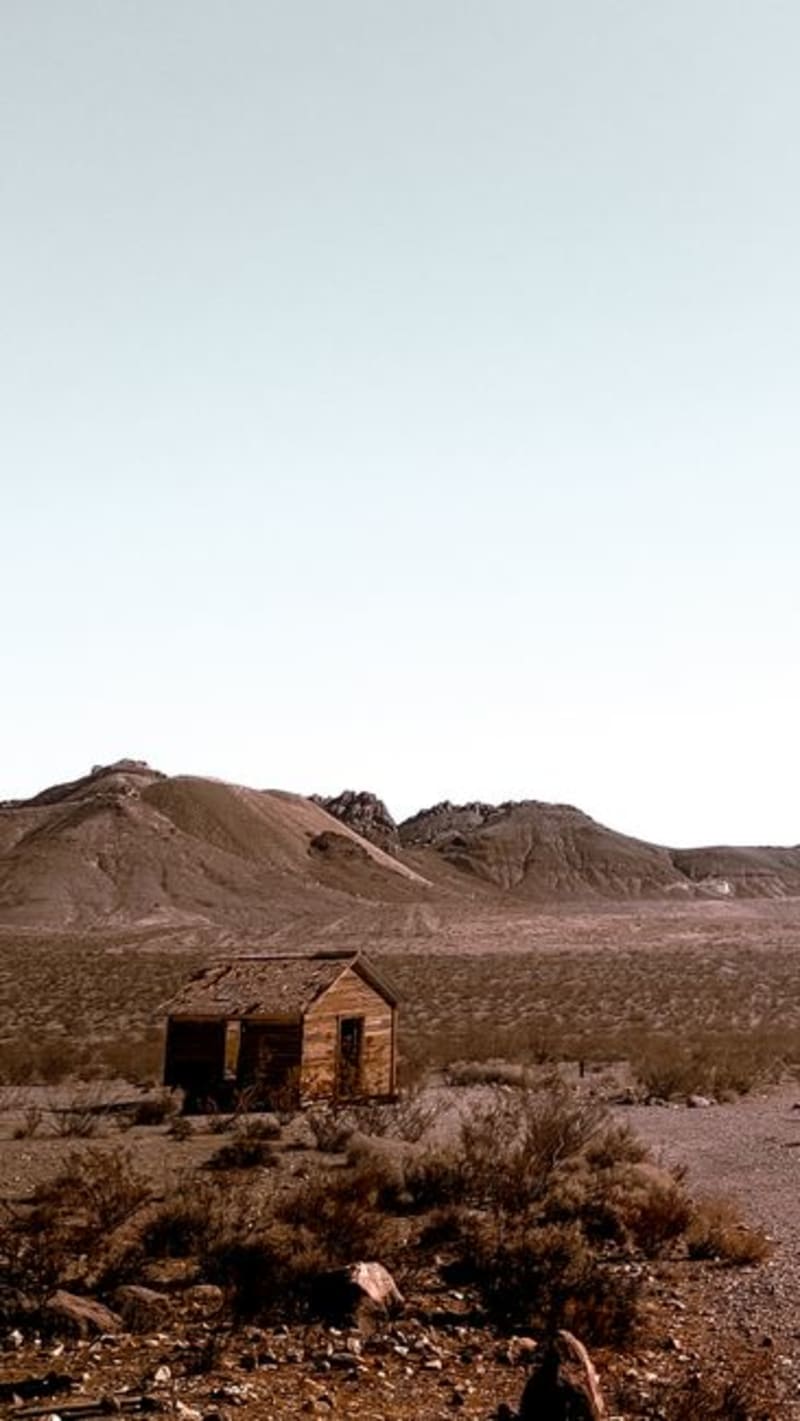 nevada
 Rhyolite
A gold-rush town that boomed to thousands of souls in a few short years and emptied out just as fast, its bones still standing in the Mojave sun.
Explore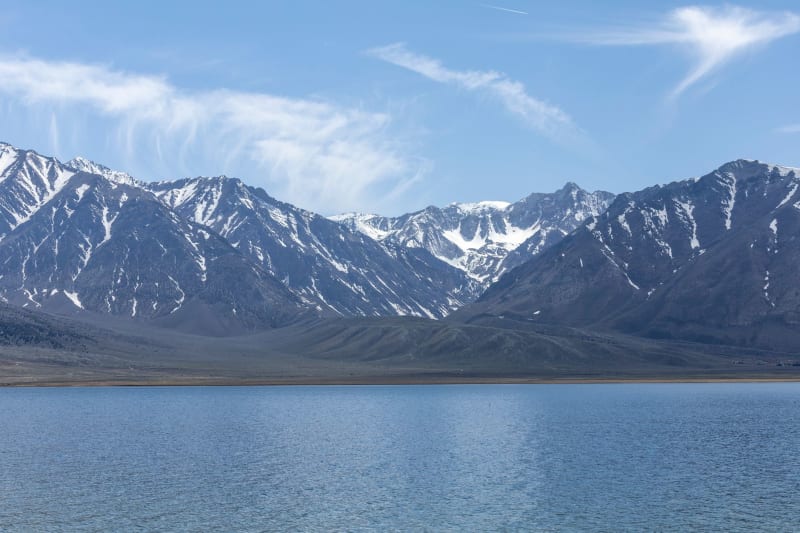 nevada
 Ruby Mountains
Nevada's secret Alps: glacially carved peaks and cold lakes hidden in the northeast corner, visited by almost nobody and deserving of many more.
Explore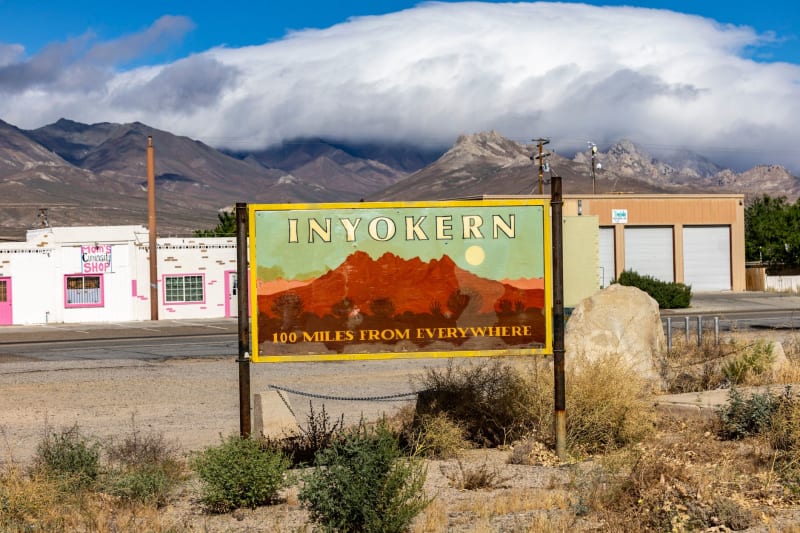 nevada
 Tonopah
A silver boomtown on the loneliest road in America, now a dark-sky sanctuary where the Milky Way rises above an intact Victorian skyline.
Explore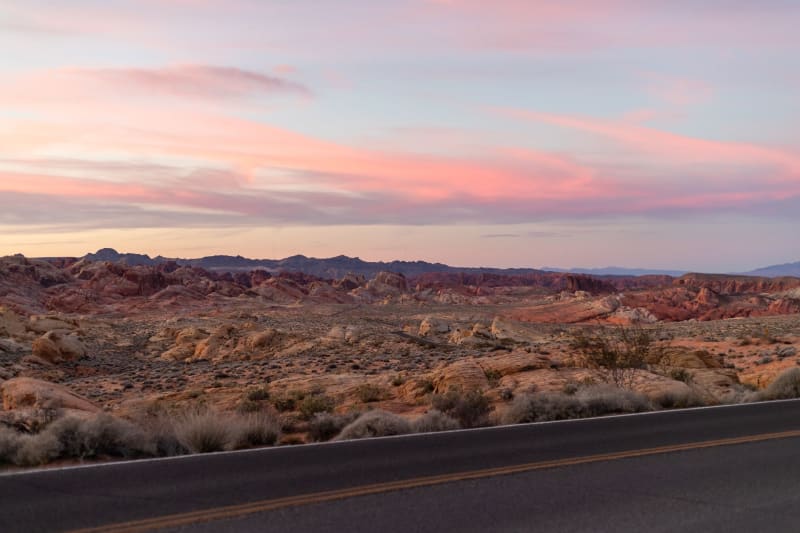 nevada
 Valley of Fire
Aztec sandstone burning red and orange in the Mojave light, fifty miles from Las Vegas and several geological epochs from anywhere.
Explore nevada
 Virginia City
The Comstock Lode's boomtown preserved by poverty and dry air, where Mark Twain learned to write and the saloons still pour whiskey to ghosts.
Explore