Tilicho Lake
"The lake is the reward. The traverse to get there is the actual experience, and it will make you reconsider your relationship with loose scree."
One of the highest lakes in the world at 4,919 meters, reached via an exposed landslide traverse that trekkers talk about almost as much as the lake itself.
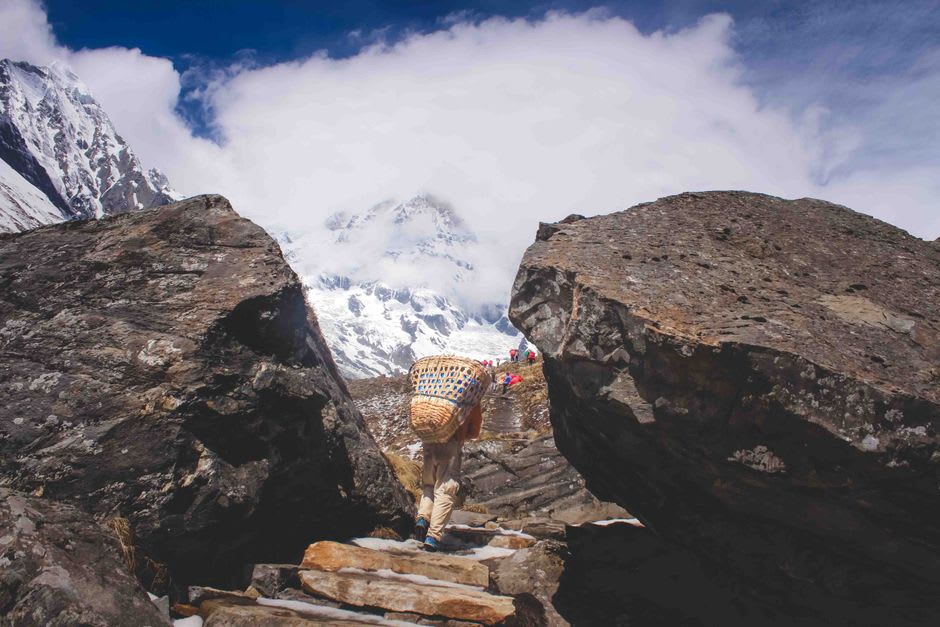
Tilicho Lake is a side trip off the main Annapurna Circuit, which means it requires an active decision to add two extra days and several thousand meters of additional climbing to an itinerary that’s already demanding — and most people who make that decision don’t regret it, but almost everyone talks about the approach more than the destination. The trail to Tilicho Base Camp from Manang crosses a section known simply as “the landslide area,” an exposed traverse across loose scree slopes where the path is a narrow scratch across an unstable incline, with a long drop below and rockfall a real, stated risk rather than a theoretical one.
The traverse
Guides recommend crossing the landslide section early in the morning, before the sun loosens rock and before wind picks up, and there’s a briskness to how everyone moves through it — heads down, no photo stops, a kind of collective agreement to discuss it later rather than linger. I crossed it in a light snow, which everyone I’ve talked to since agrees was worse than clear conditions but somehow easier psychologically, since I couldn’t see the full drop.
The lake at 4,919 meters
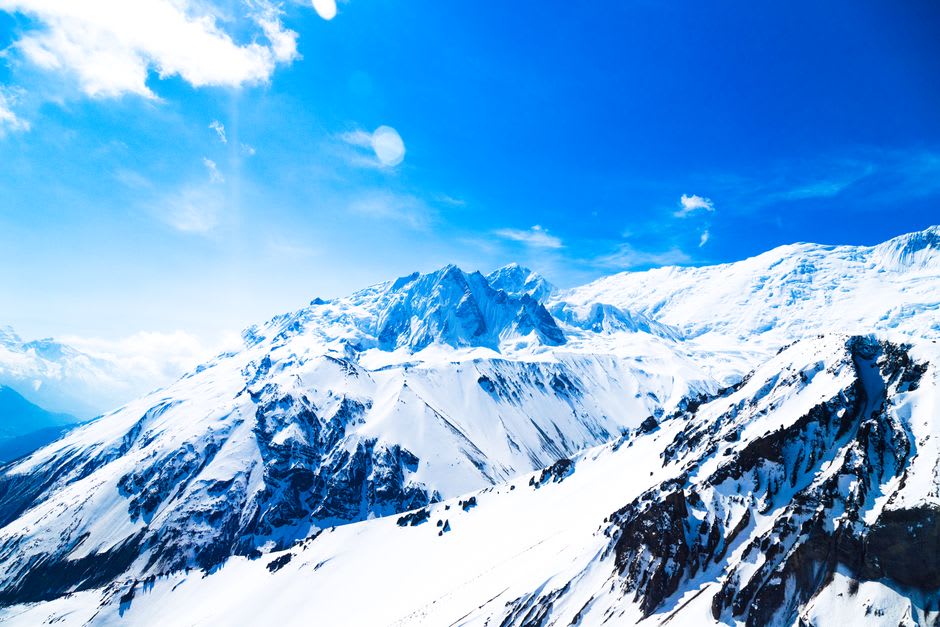
Tilicho Base Camp sits at 4,150 meters, and the final push to the lake itself climbs another 750 meters over a few hours of thin, hard air. The lake, when it arrives, is genuinely one of the highest bodies of water on earth of its size — a flat turquoise plane held in a bowl of scree and glacier beneath Tilicho Peak, utterly silent except for wind. There’s no vegetation, no birdsong, nothing but rock, ice, and water at an altitude where your own breathing becomes the loudest sound around.
I didn’t stay long at the lake itself — altitude and cold discourage lingering — but the walk back down, adrenaline from the traverse finally settling, was one of the more clarifying hours of the whole circuit. Lia, who did the side trip with me, said afterward that it was the only part of Nepal that scared her slightly, and she meant it as praise.
When to go: Late September through November has the most stable conditions for the landslide traverse. Avoid attempting it after fresh snowfall or in high wind — ask at Manang about current conditions before committing, since the trail is sometimes closed for days at a time.
Keep exploring
More from Nepal
 nepal
nepal Tsarang
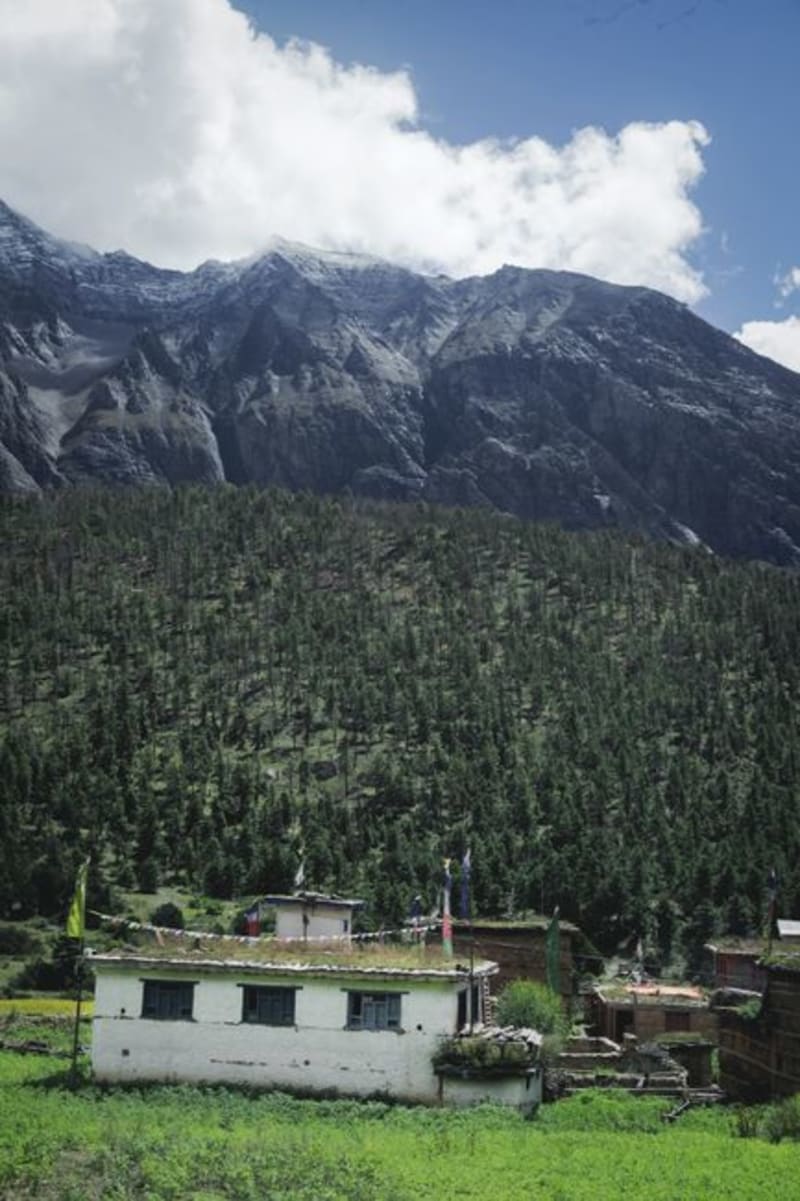
The former royal capital of Mustang before Lo Manthang, home to a five-story dzong and a gompa library that survived centuries other monasteries didn't.
Explore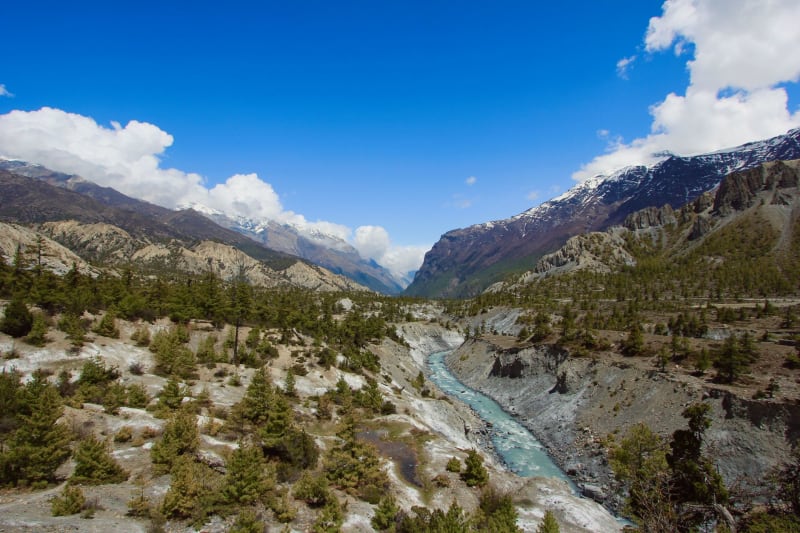 nepal
nepal Annapurna Circuit
The great circumnavigation of the Annapurna massif passes through subtropical gorges, high desert villages, and over a 5,416-meter pass that still makes your heart work for every step.
Explore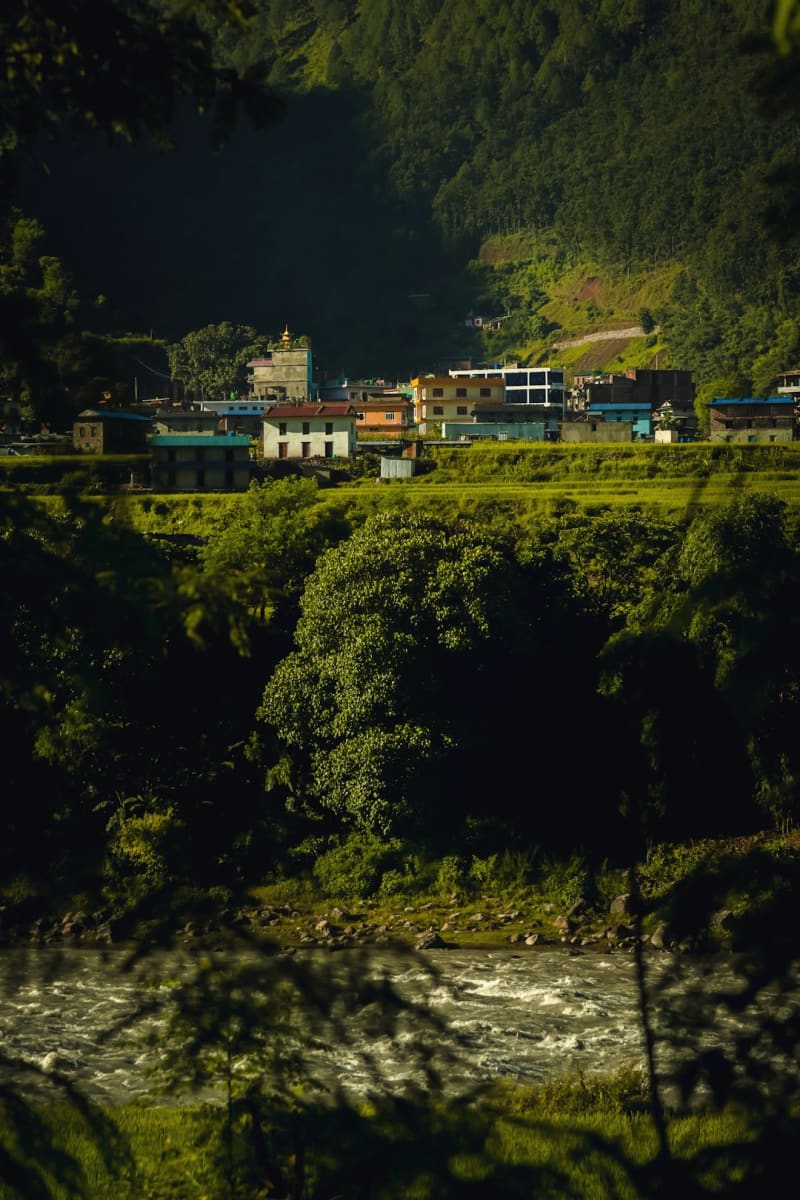 nepal
nepal Annapurna Base Camp
A natural amphitheater of ice at 4,130 meters, ringed entirely by 7,000- and 8,000-meter peaks, reached without a single high mountain pass or technical section.
Explore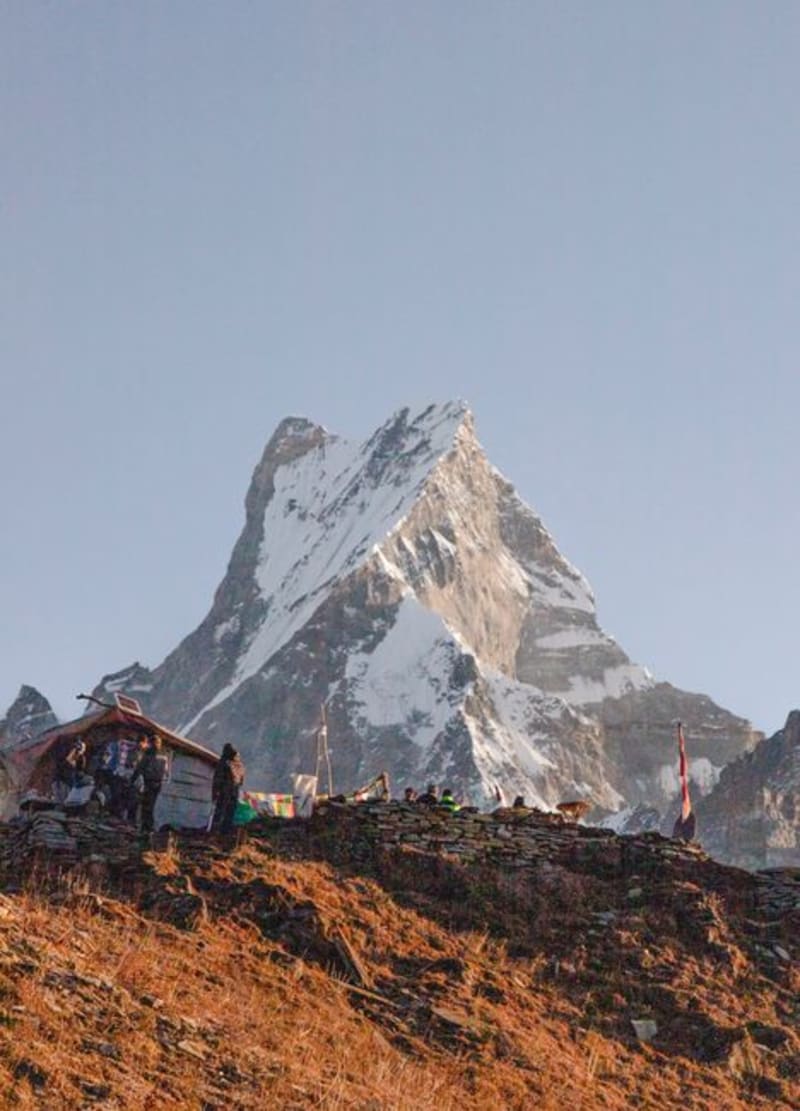 nepal
nepal Australian Camp
A gentle two-day taster trek from Pokhara that delivers a full Annapurna panorama without a single technical step.
Explore nepal
nepal Bandipur
A car-free Newari hilltop village suspended between Kathmandu and Pokhara, forgotten and perfect.
Explore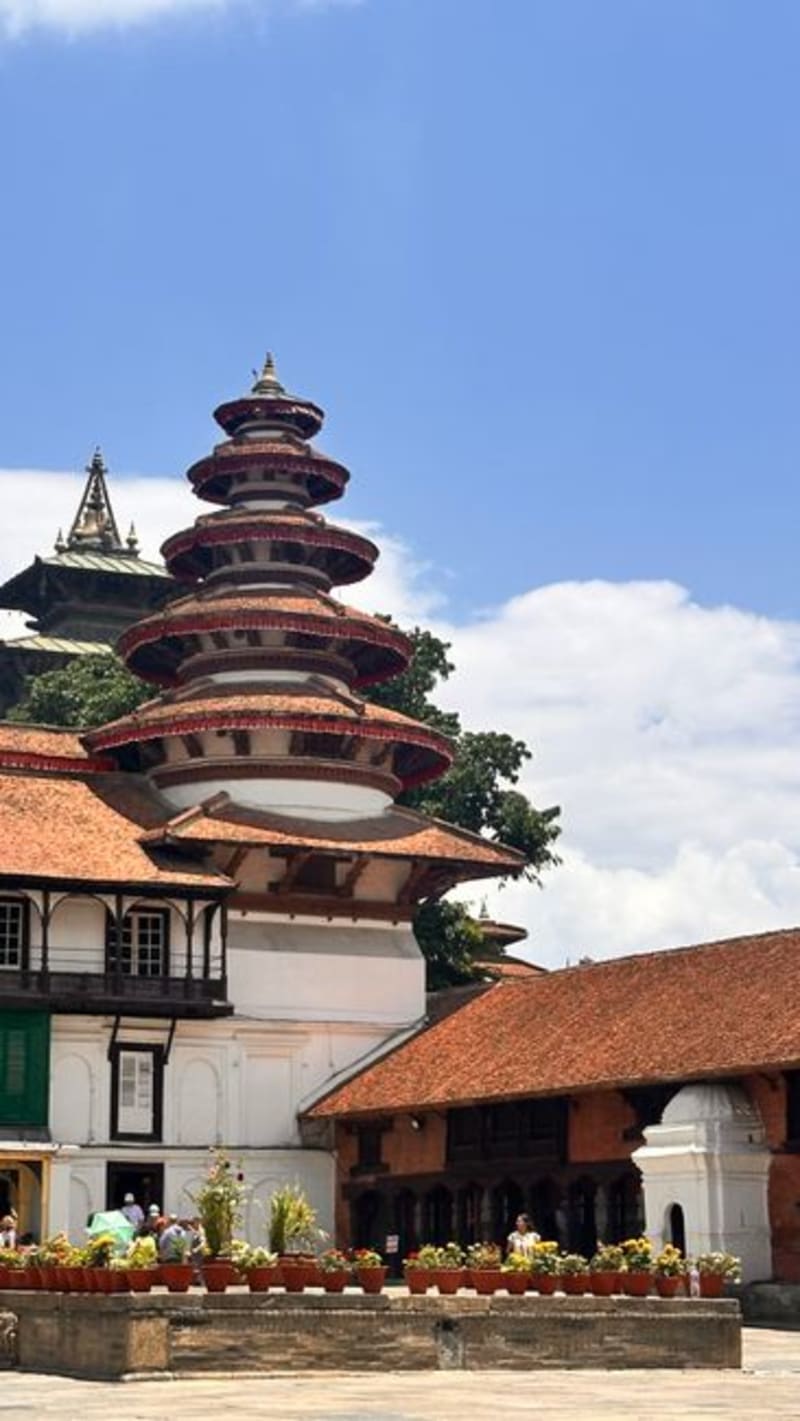 nepal
nepal Barahakshetra
A sacred river confluence near Dharan where the Koshi meets its tributaries, marked by an ancient temple and a stream of quiet daily pilgrimage.
Explore