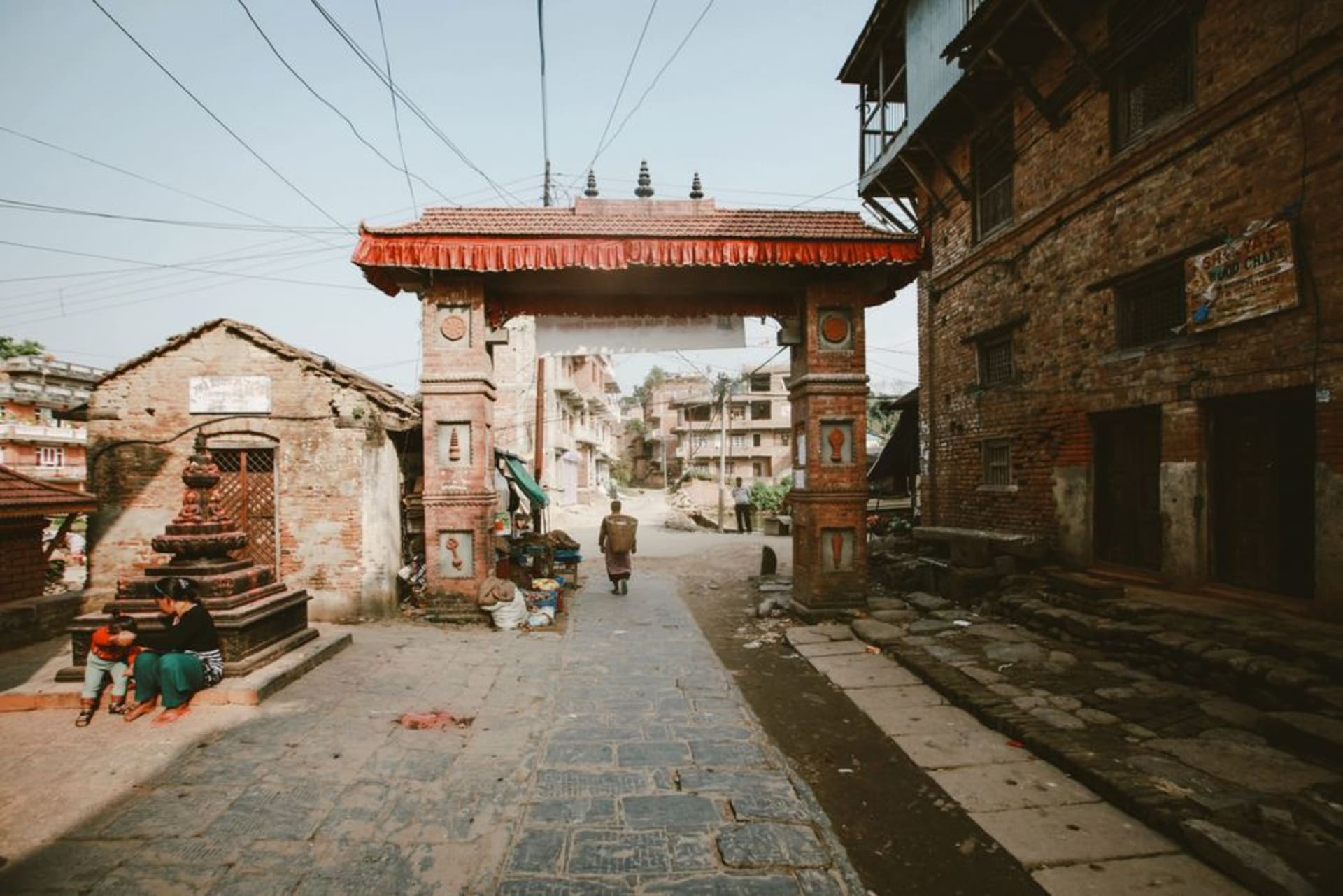
Thame
"Thame produced more Everest summiteers per capita than anywhere else on earth, and almost no trekkers bother to go."
The Sherpa mountaineering village northwest of Namche, birthplace of Tenzing Norgay's neighbors and one of the few Khumbu settlements the main trekking crowds still skip.
Namche empties out toward two directions once trekkers finish acclimatizing: south toward the standard loop past the Everest View Hotel, or northwest up a quieter valley toward Thame, which barely a fraction of Base Camp trekkers ever visit. We took the Thame route on a guide’s recommendation and spent a full day walking through a Khumbu that felt noticeably less mediated by tourism than anywhere else on the trip.
The Village That Produces Everest Legends
Thame’s disproportionate role in Himalayan mountaineering history is almost absurd for a settlement this small: Tenzing Norgay grew up in the surrounding area, and Apa Sherpa, who summited Everest a record 21 times, along with numerous other prominent climbing Sherpas, come from Thame specifically. There’s a modest museum near the village dedicated to this climbing legacy, more a few rooms of photographs and old gear than a formal institution, but it carries real weight given who’s depicted in the pictures.
The Cliffside Monastery
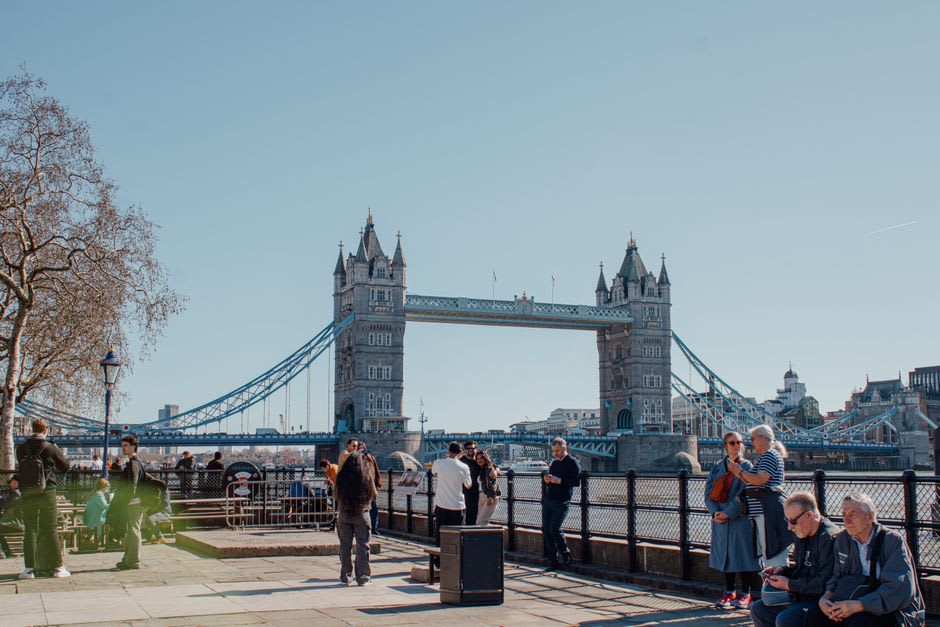
Above the village, Thame Monastery sits on a rocky ledge with a view down the entire valley, one of the oldest Buddhist monasteries in the Khumbu region and, unlike Tengboche, almost entirely free of trekker crowds. We climbed up on a quiet afternoon and were the only visitors, a young monk showing us around without any of the practiced routine that comes from repeating the same tour for groups all day.
A Valley Toward Tibet
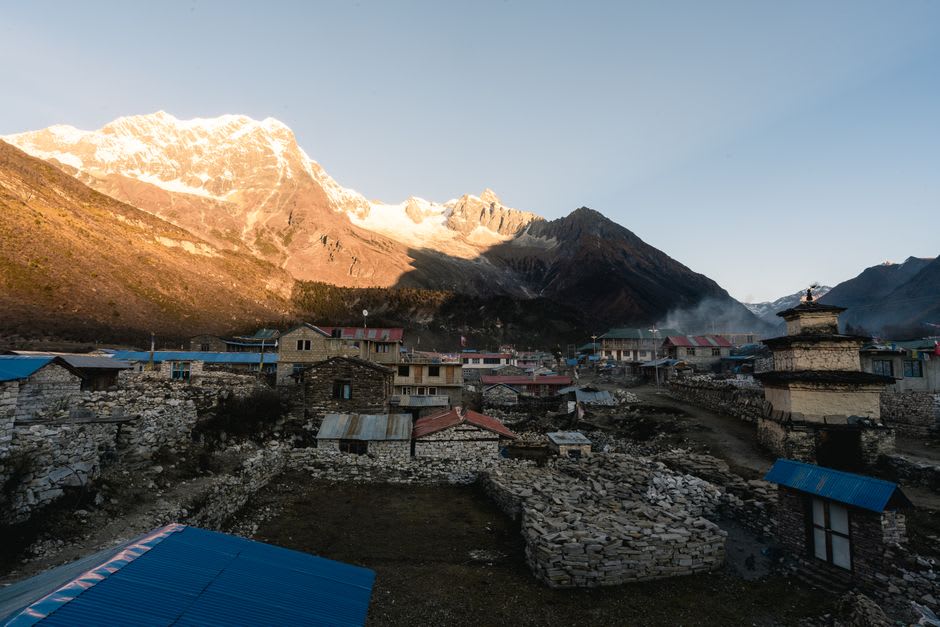
Thame also sits on the old trading route toward the Nangpa La pass into Tibet, historically used by traders and, more recently, by Tibetan refugees making the crossing on foot. Standing in the village, looking up the valley toward that pass, gave the whole trip a different sense of scale — not just a trekking route built for visitors, but a corridor that’s mattered to the people who live here for centuries before any of us arrived with hiking poles.
When to go: October and November bring the clearest valley views and coincide with Thame’s own Mani Rimdu festival in some years. The route sees a fraction of the traffic of the main Base Camp trail, making it a viable detour in nearly any trekking season, though winter snow can make the higher approach toward Nangpa La impassable.